Comprehensive Guide to Understanding and Treating Wrist and Thumb Pain
Understanding Wrist and Thumb Pain: A Comprehensive Guide
Wrist and thumb pain are common complaints, affecting individuals from athletes to office workers. Often occurring together, these issues can significantly limit daily activities. This article explores the common causes of wrist thumb pain, effective treatment options, preventative measures, and when to seek professional help. Understanding these factors is crucial for regaining function and improving quality of life. Ignoring the pain can lead to chronic conditions and further complications.
Common Causes of Wrist and Thumb Pain
Several factors can contribute to pain in the wrist and thumb. These include overuse injuries like De Quervain's tenosynovitis (affecting the tendons on the thumb side of the wrist), carpal tunnel syndrome (compressing the median nerve in the wrist), and osteoarthritis. Trauma, such as a fall or direct impact, can cause fractures or sprains. Repetitive motions, common in typing or assembly line work, can lead to tendinitis. Inflammatory conditions like rheumatoid arthritis can also manifest as wrist and thumb pain. Identifying the root cause is essential for determining the most effective treatment plan.
Key Takeaways: Identifying the root cause of your wrist and thumb pain is essential for effective treatment. Common causes include overuse, trauma, and inflammatory conditions.
De Quervain's Tenosynovitis and Wrist Thumb Pain
De Quervain's tenosynovitis specifically affects the tendons on the radial side (thumb side) of the wrist. This condition causes pain when moving the thumb and wrist, especially when gripping or making a fist. It's often caused by repetitive hand or wrist motions, like those involved in gaming, texting, or certain work tasks. Early diagnosis and treatment are crucial to prevent the condition from becoming chronic. Treatment options range from conservative measures like splinting and physical therapy to, in some cases, corticosteroid injections. Visiting JHorthopedic can help get a better diagnosis and course of treatment.
De Quervain's Tenosynovitis Symptoms:
• Pain on the thumb side of the wrist
• Pain when gripping or making a fist
• Tenderness to the touch
• Swelling
Comparing Carpal Tunnel Syndrome and De Quervain's Tenosynovitis
While both conditions cause wrist and hand pain, Carpal Tunnel Syndrome and De Quervain's Tenosynovitis affect different structures. Carpal Tunnel Syndrome involves compression of the median nerve, leading to numbness, tingling, and pain in the thumb, index, middle, and part of the ring finger. De Quervain's focuses on tendons on the thumb side, causing pain with thumb and wrist movement. Understanding these distinctions is important for accurate diagnosis and appropriate treatment.
Treatment Options for Wrist Thumb Pain
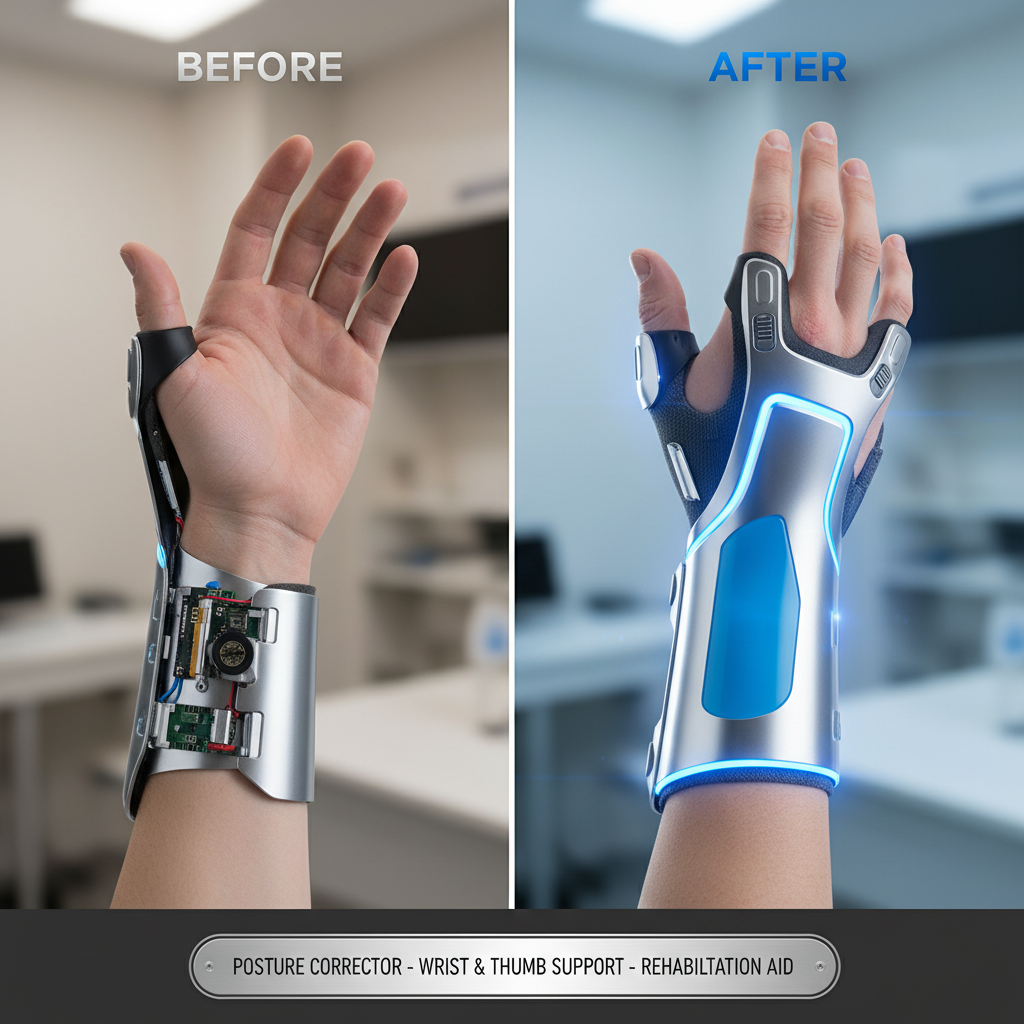
Treatment options vary depending on the underlying cause of the pain. Conservative treatments include rest, ice, compression, and elevation (RICE). Splinting can immobilize the wrist and thumb, allowing tendons to heal. Physical therapy exercises can strengthen muscles and improve range of motion. Over-the-counter pain relievers like ibuprofen or naproxen can help manage pain and inflammation. In some cases, corticosteroid injections or surgery may be necessary. Consult with a qualified healthcare professional at JHorthopedic to determine the best course of action for your specific condition.

Preventative Measures for Wrist and Thumb Pain
Preventing wrist and thumb pain involves adopting ergonomic practices and strengthening supporting muscles. Use proper posture when typing or using a computer mouse. Take frequent breaks to stretch your hands and wrists. Avoid repetitive motions whenever possible. Strengthen your forearm and hand muscles with exercises. Maintain a healthy weight to reduce stress on your joints. Early intervention and preventative measures can significantly reduce the risk of developing chronic pain.
Conclusion: Taking Control of Your Wrist and Thumb Health
Understanding the causes, treatments, and preventative measures for wrist thumb pain is crucial for maintaining a healthy and active lifestyle. Don't ignore persistent pain – seek professional evaluation and guidance to develop a personalized treatment plan. By prioritizing your wrist and thumb health, you can minimize discomfort and improve your overall well-being.
Frequently Asked Questions (FAQs)
When should I see a doctor for wrist and thumb pain?
It's important to see a doctor if your pain is severe, persistent (lasting more than a few days), or interfering with your daily activities. Seek immediate medical attention if you experience sudden, intense pain after an injury, or if you have numbness or weakness in your hand or fingers. Ignoring symptoms can lead to chronic conditions and complications. A healthcare professional can accurately diagnose the cause of your pain and recommend the appropriate treatment.
Can I treat wrist and thumb pain at home?
For mild pain, you can try home treatments such as rest, ice, compression, and elevation (RICE). Over-the-counter pain relievers like ibuprofen or naproxen can also help. Gentle stretching exercises can improve flexibility and range of motion. However, if your pain doesn't improve after a few days of home treatment, or if it worsens, it's important to see a doctor.
What exercises can help strengthen my wrist and thumb?
Several exercises can help strengthen your wrist and thumb. These include wrist curls, reverse wrist curls, thumb extensions, thumb adduction/abduction, and grip strengthening exercises (using a stress ball or hand gripper). Always start slowly and gradually increase the intensity and duration of your exercises. Consult with a physical therapist for guidance on proper form and a tailored exercise program.
How can I prevent wrist and thumb pain at work?
To prevent wrist and thumb pain at work, prioritize ergonomic practices. Adjust your workstation to ensure proper posture and support. Use a comfortable keyboard and mouse. Take frequent breaks to stretch your hands and wrists. Avoid repetitive motions whenever possible. If your job requires repetitive tasks, talk to your employer about implementing ergonomic solutions.
-
Thumb Spica Belt Guide for Thumb Stabilization and RecoveryNews Apr.16,2026
-
Soft Thumb Spica Guide for Effective Thumb Stabilization and HealingNews Apr.09,2026
-
Comprehensive Guide to Hand Spica Casts for Effective Injury RecoveryNews Apr.07,2026
-
Benefits of a Custom Thumb Spica for Optimal Hand RecoveryNews Apr.04,2026
-
Experience Ultimate Comfort Cool Thumb Spica for Wrist and Thumb SupportNews Mar.31,2026
-
Comprehensive Guide to Choosing the Right Youth Thumb Splint for Effective HealingNews Mar.28,2026