Comprehensive Guide to Choosing the Best Wrist Support with Thumb Support
Choosing the Right Wrist Support with Thumb Stabilization
Dealing with wrist pain, especially when it involves the thumb, can significantly impact daily activities. A wrist support with thumb support provides crucial stabilization and comfort. This article explores the benefits, types, and key considerations when selecting the right wrist brace for your needs. We'll cover everything from understanding common wrist injuries to choosing a brace that promotes healing and prevents further discomfort. Investing in proper wrist support is an investment in your long-term well-being and ability to perform daily tasks without pain.

Understanding Common Wrist and Thumb Injuries
Several conditions can benefit from a wrist brace with thumb support. Carpal tunnel syndrome, a common ailment caused by compression of the median nerve, often causes pain, numbness, and tingling in the hand and wrist. De Quervain’s tenosynovitis affects the tendons on the thumb side of the wrist, leading to pain when gripping or twisting. Sprains and strains, resulting from sudden impacts or overuse, are also frequently treated with wrist stabilization. Arthritis, in both its osteoarthritis and rheumatoid varieties, can create inflammation and pain that wrist support can alleviate. Proper diagnosis by a medical professional is always recommended before selecting a wrist brace.
Key Injuries Addressed: Carpal Tunnel Syndrome, De Quervain’s Tenosynovitis, Sprains/Strains, Arthritis.
Types of Wrist Support with Thumb Support
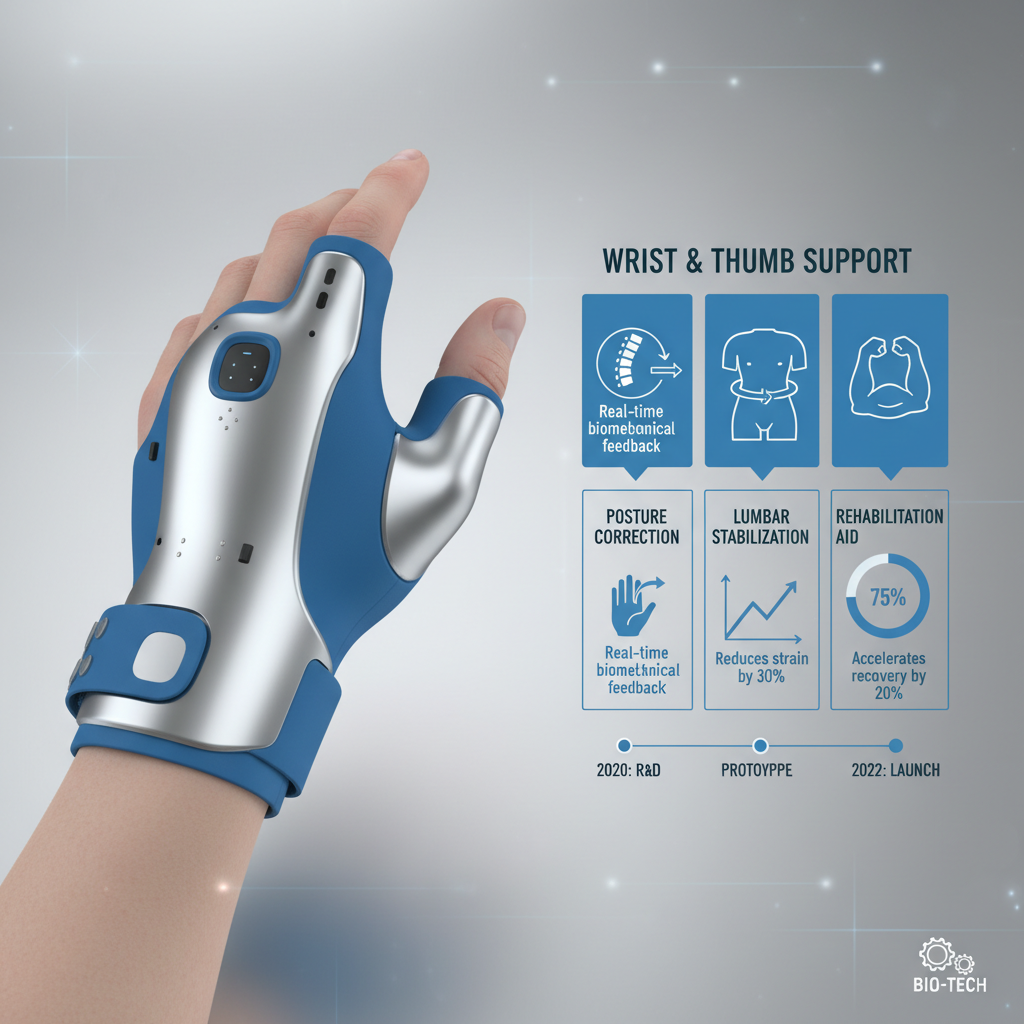
Wrist braces with thumb support come in various designs, each suited for different needs. Soft wrist braces offer light compression and support, ideal for minor pain or preventative use. Splinted braces, often made with metal or plastic stays, provide more rigid immobilization, best for moderate to severe injuries. Adjustable braces allow for a customized fit and compression level. Thumb spica braces specifically immobilize the thumb and wrist, frequently used after fractures or surgical procedures. Choosing the right type depends on the severity of your injury and your activity level.
Wrist Brace Types:
• Soft Wrist Braces: Light compression, ideal for mild pain.
• Splinted Braces: Rigid immobilization for moderate to severe injuries.
• Adjustable Braces: Customizable fit and compression.
• Thumb Spica Braces: Immobilize thumb and wrist, post-fracture or surgery.
Comparing Popular Wrist Supports with Thumb Support
Selecting the best wrist support with thumb stabilization requires considering features and materials. Below is a comparison of three popular options, highlighting their strengths and weaknesses.
Factors to Consider When Choosing a Wrist Brace
When selecting a wrist brace with thumb support, consider these key factors: Fit: A proper fit is crucial for effective support. Measure your wrist circumference to ensure the brace is the right size. Material: Breathable materials like neoprene or moisture-wicking fabrics can prevent skin irritation. Adjustability: Adjustable straps allow for a customized fit and compression level. Activity Level: Choose a brace that provides adequate support for your daily activities. Comfort: Select a brace that is comfortable to wear for extended periods.
Caring for Your Wrist Brace and Promoting Healing
Proper care of your wrist brace will extend its lifespan and ensure optimal performance. Regularly clean the brace according to the manufacturer’s instructions. Avoid harsh detergents or bleach. Store the brace in a cool, dry place when not in use. Combine wearing a wrist brace with other therapeutic measures, such as rest, ice, compression, and elevation (RICE). Follow your doctor’s recommendations for rehabilitation exercises to regain strength and flexibility.
Conclusion: Finding the Right Support for a Pain-Free Life
Choosing the right wrist support with thumb support is essential for managing pain, promoting healing, and regaining functionality. Consider your specific injury, activity level, and comfort preferences when making your selection. At J-H Orthopedic, we offer a wide range of high-quality wrist braces designed to provide optimal support and comfort. Don't let wrist pain limit your life – find the support you need to live pain-free.
Frequently Asked Questions (FAQs)
How long should I wear a wrist brace with thumb support each day?
The duration of brace wear depends on the severity of your injury and your doctor’s recommendations. Generally, for acute injuries, you might wear the brace for several hours a day for the first few weeks, gradually reducing the wear time as your symptoms improve. For chronic conditions like carpal tunnel syndrome, you may wear the brace during activities that aggravate your symptoms. It's crucial to listen to your body and avoid wearing the brace for extended periods if it causes discomfort or skin irritation. A healthcare professional can provide a personalized plan for your specific needs. Consider alternating between brace use and gentle stretching/strengthening exercises for optimal recovery.
Can I sleep with a wrist brace on?
Whether you can sleep with a wrist brace on depends on the type of brace and your comfort level. Soft wrist braces are generally more comfortable for sleeping than rigid splints. Some individuals find wearing a brace at night helps to maintain proper wrist alignment and reduce symptoms of carpal tunnel syndrome. However, if the brace is too tight or causes discomfort, it’s best to remove it before bedtime. Always consult your doctor or physical therapist for guidance on whether sleeping with a brace is appropriate for your condition.
How do I clean my wrist brace?
Cleaning instructions vary depending on the material of your wrist brace. Generally, hand washing with mild soap and warm water is recommended. Avoid using harsh chemicals, bleach, or abrasive cleaners. Rinse the brace thoroughly and air dry it completely before use. For braces with metal stays, ensure the stays are dry to prevent corrosion. Always refer to the manufacturer’s instructions for specific cleaning guidelines. Regular cleaning helps to prevent the build-up of bacteria and maintain the hygiene of your brace.
When should I replace my wrist brace?
Replace your wrist brace if it shows signs of wear and tear, such as cracks, tears, or loose straps. If the padding is compressed or the brace no longer provides adequate support, it’s time for a replacement. Also, replace the brace if it becomes damaged or contaminated. Regularly inspect your brace for any signs of deterioration. A worn-out brace may not provide the necessary support and could potentially exacerbate your injury. You can find high-quality replacement braces at J-H Orthopedic.
-
Thumb Spica Belt Guide for Thumb Stabilization and RecoveryNews Apr.16,2026
-
Soft Thumb Spica Guide for Effective Thumb Stabilization and HealingNews Apr.09,2026
-
Comprehensive Guide to Hand Spica Casts for Effective Injury RecoveryNews Apr.07,2026
-
Benefits of a Custom Thumb Spica for Optimal Hand RecoveryNews Apr.04,2026
-
Experience Ultimate Comfort Cool Thumb Spica for Wrist and Thumb SupportNews Mar.31,2026
-
Comprehensive Guide to Choosing the Right Youth Thumb Splint for Effective HealingNews Mar.28,2026