Comprehensive Guide to Wrist Support with Thumb Spica for Effective Recovery
Wrist Support with Thumb Spica: A Comprehensive Guide
A wrist support with thumb spica is a vital orthopedic device designed to immobilize and protect the wrist and thumb following injuries or during recovery from surgery. It provides stability, reduces pain, and facilitates healing. Understanding the different types, proper usage, and benefits of these supports is crucial for optimal recovery. Whether you're dealing with carpal tunnel syndrome, sprains, fractures, or post-operative recovery, selecting the right support can significantly impact your comfort and healing process. This article will explore everything you need to know about wrist supports with thumb spicas, helping you make an informed decision for your specific needs.

Understanding Wrist Supports with Thumb Spica
A wrist support with thumb spica differs from a standard wrist brace because of its inclusion of a rigid or semi-rigid extension that immobilizes the thumb. This is essential for injuries affecting both the wrist and thumb joints. These supports come in various materials, including metal, plastic, and soft fabrics, and can be adjustable to provide a customized fit. They’re commonly used for conditions like De Quervain's tenosynovitis, thumb fractures, scaphoid fractures, and ligament injuries. The 'spica' refers to the configuration that extends to encompass the thumb, providing comprehensive support and preventing movement that could hinder the healing process. Investing in a high-quality JHORTHOPEDIC wrist support ensures optimal comfort and effective immobilization.
Key Benefits: Immobilization of both wrist and thumb, reduced pain, facilitates healing, customizable fit, and prevention of re-injury.
Types of Wrist Supports with Thumb Spica
Wrist supports with thumb spicas aren't one-size-fits-all. Different types cater to varying injury severity and patient needs. Here’s a breakdown of the common varieties:
- Rigid Spica: Typically made of plaster or fiberglass, offering maximum immobilization. Often used for fractures.
- Semi-Rigid Spica: Constructed from plastic or metal with padding, providing a good balance of support and comfort. Suitable for sprains and ligament injuries.
- Adjustable Spica: Features straps and closures for a customized fit. These offer moderate support and are ideal for post-operative recovery and milder conditions.
- Soft Spica: Made of fabric and flexible stays, providing minimal support and compression. Suitable for minor sprains or to aid in comfort during rehabilitation.
When to Use a Wrist Support with Thumb Spica
Determining when to utilize a wrist support with thumb spica is crucial for effective treatment. Common indications include:
- Fractures: To immobilize the wrist and thumb bones during healing.
- Sprains: To provide support and reduce pain following ligament injuries.
- Tendonitis: To reduce inflammation and allow tendons to rest. De Quervain's tenosynovitis is a common example.
- Carpal Tunnel Syndrome: While not a primary treatment, a spica can provide support and alleviate symptoms.
- Post-Surgery: To protect the surgical site and facilitate recovery after wrist or thumb surgery.
- Ligament Injuries: To stabilize the joint and promote healing.
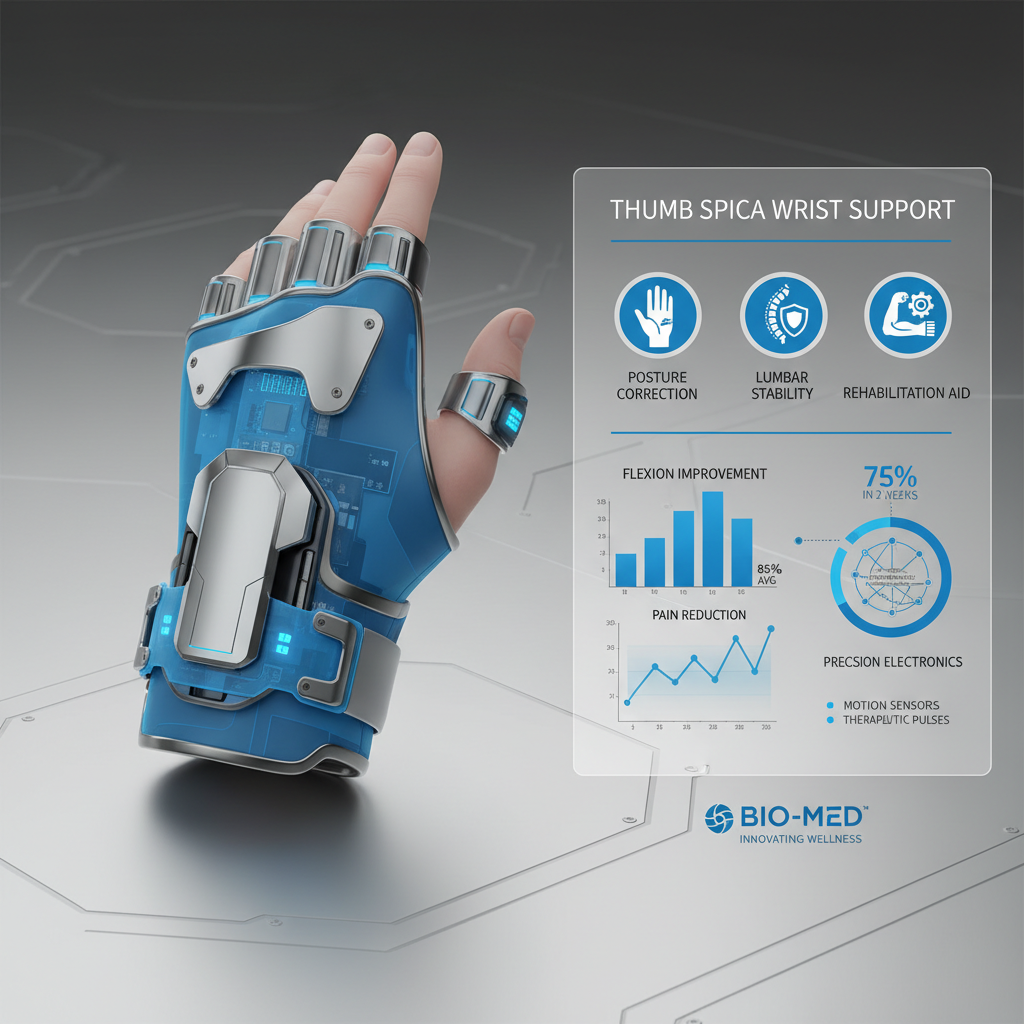
Comparing Different Wrist Supports with Thumb Spica
Choosing the right wrist support with thumb spica can be challenging. Here’s a comparison table to help you understand the key differences:
Proper Fit and Usage
A properly fitted JHORTHOPEDIC wrist support with thumb spica is critical for its effectiveness. The support should fit snugly but not too tightly, allowing for some airflow. Ensure the thumb is properly positioned within the spica portion. Follow your healthcare provider’s instructions regarding wearing time. Typically, it's worn for several weeks, depending on the injury. Regularly check your skin for irritation or signs of pressure sores. Maintaining proper hygiene by cleaning the support regularly is also essential.
Conclusion: Choosing the Right Support for Your Recovery
Selecting the appropriate wrist support with thumb spica is a crucial step towards a successful recovery. Consider the severity of your injury, the level of immobilization required, and your personal comfort. JHORTHOPEDIC offers a wide range of high-quality supports designed to meet your specific needs. Remember to consult with your healthcare provider to determine the best course of treatment and ensure proper fit and usage.
Frequently Asked Questions (FAQs)
How long should I wear a wrist support with thumb spica?
The duration of wear depends entirely on the nature and severity of your injury. Your physician will provide specific instructions, but generally, you can expect to wear the support for several weeks, potentially longer after surgery. It’s crucial to follow their guidance and gradually reduce wearing time as your condition improves. Prolonged use without proper medical supervision can lead to muscle weakness and stiffness. Regular check-ups with your healthcare provider are essential to monitor your progress and adjust the wearing schedule accordingly. Avoid discontinuing use prematurely, even if you feel some improvement, to ensure complete healing and prevent re-injury.
Can I remove the support to shower or bathe?
Generally, it’s advisable to avoid getting the wrist support with thumb spica wet, as this can damage the materials and compromise its support function. Some supports may be water-resistant, but it’s best to check the manufacturer's instructions. If possible, remove the support before showering or bathing. If removal is not recommended by your doctor, you can try covering the support with a waterproof cast protector. Always ensure the support is completely dry before putting it back on to prevent skin irritation or infection.
What if the support causes skin irritation?
Skin irritation can occur if the support is too tight, the skin isn't properly cleaned and dried before application, or you have an allergy to the material. First, loosen the straps and ensure the support isn't applying excessive pressure. Wash the skin with mild soap and water and thoroughly dry it before re-applying the support. If irritation persists, consider using a soft liner or bandage between the support and your skin. If you develop a rash, redness, or itching, discontinue use and consult with your healthcare provider.
Where can I find high-quality wrist supports with thumb spica?
You can find a wide selection of high-quality wrist supports with thumb spicas at JHORTHOPEDIC. We offer a range of options to suit different needs and budgets. Our supports are designed for comfort, durability, and effective immobilization, helping you on your road to recovery. We also provide expert guidance to help you choose the right support for your specific condition. Remember to consult with your doctor for a proper diagnosis and treatment plan.
-
Thumb Spica Belt Guide for Thumb Stabilization and RecoveryNews Apr.16,2026
-
Soft Thumb Spica Guide for Effective Thumb Stabilization and HealingNews Apr.09,2026
-
Comprehensive Guide to Hand Spica Casts for Effective Injury RecoveryNews Apr.07,2026
-
Benefits of a Custom Thumb Spica for Optimal Hand RecoveryNews Apr.04,2026
-
Experience Ultimate Comfort Cool Thumb Spica for Wrist and Thumb SupportNews Mar.31,2026
-
Comprehensive Guide to Choosing the Right Youth Thumb Splint for Effective HealingNews Mar.28,2026