Maximize Your Lifting Potential with Wrist Wraps with Thumb Loop Support
Wrist Wraps with Thumb Loop: A Comprehensive Guide
When it comes to maximizing your performance and preventing injuries during weightlifting, proper wrist support is crucial. Wrist wraps with thumb loop provide exceptional support and stability, allowing you to push your limits with confidence. This article will delve into the benefits, features, and selection of these essential fitness accessories. We'll explore how they can help you lift heavier, train longer, and recover faster. Investing in quality wrist wraps is an investment in your long-term fitness success.

Understanding the Benefits of Wrist Wraps with Thumb Loop
Wrist wraps with thumb loop offer a significant advantage over standard wrist wraps. The thumb loop secures the wrap, preventing slippage during heavy lifts and ensuring consistent support. This is especially important for exercises like bench press, overhead press, and squats where wrist stability is paramount. They help to minimize wrist extension and flexion, reducing the risk of strains and sprains. Furthermore, the added compression can improve blood flow and reduce swelling, aiding in recovery. By providing a secure and stable base, these wraps allow you to focus on proper form and maximize your lifting potential. Jhorthopedic's wrist wraps are designed for optimum performance.
Key Highlights: Provides exceptional support, prevents slippage, minimizes risk of wrist injuries, improves blood flow, and enhances lifting performance.
Choosing the Right Wrist Wraps with Thumb Loop
Selecting the right wrist wraps depends on your training intensity and personal preference. Key factors to consider include material, length, and width. Material: wraps are commonly made from cotton, elastic, or a blend of both. Cotton offers durability and comfort, while elastic provides more compression and support. Length: longer wraps (18-24 inches) offer greater support for heavier lifts, while shorter wraps (12-18 inches) are suitable for lighter to moderate weights. Width: wider wraps (2-3 inches) provide more stability, but may feel more restrictive. Consider your individual needs and choose wraps that offer the right balance of support, comfort, and flexibility. Explore Jhorthopedic's collection for a variety of options.
Key Considerations:
• Material (Cotton, Elastic, Blend)
• Length (12-24 inches)
• Width (2-3 inches)
Wrist Wraps with Thumb Loop vs. Traditional Wrist Wraps
While both types provide wrist support, wrist wraps with thumb loop offer superior stability and security. Traditional wraps rely solely on friction to stay in place, which can lead to slippage during intense lifts. The thumb loop actively secures the wrap, ensuring consistent support throughout your exercise. This minimizes the risk of wrist hyperextension and allows you to maintain proper form. Traditional wraps may be suitable for lighter weights or rehabilitation, but for serious weightlifting, the added security of a thumb loop is highly recommended.
Proper Use and Care of Your Wrist Wraps
To maximize the lifespan and effectiveness of your wrist wraps with thumb loop, proper use and care are essential. Always wrap snugly, but not so tightly that it restricts circulation. Ensure the thumb loop is securely positioned. After each use, allow the wraps to air dry completely. Avoid machine washing or drying, as this can damage the material. Store them in a cool, dry place away from direct sunlight. Regularly inspect the wraps for signs of wear and tear, and replace them if necessary.
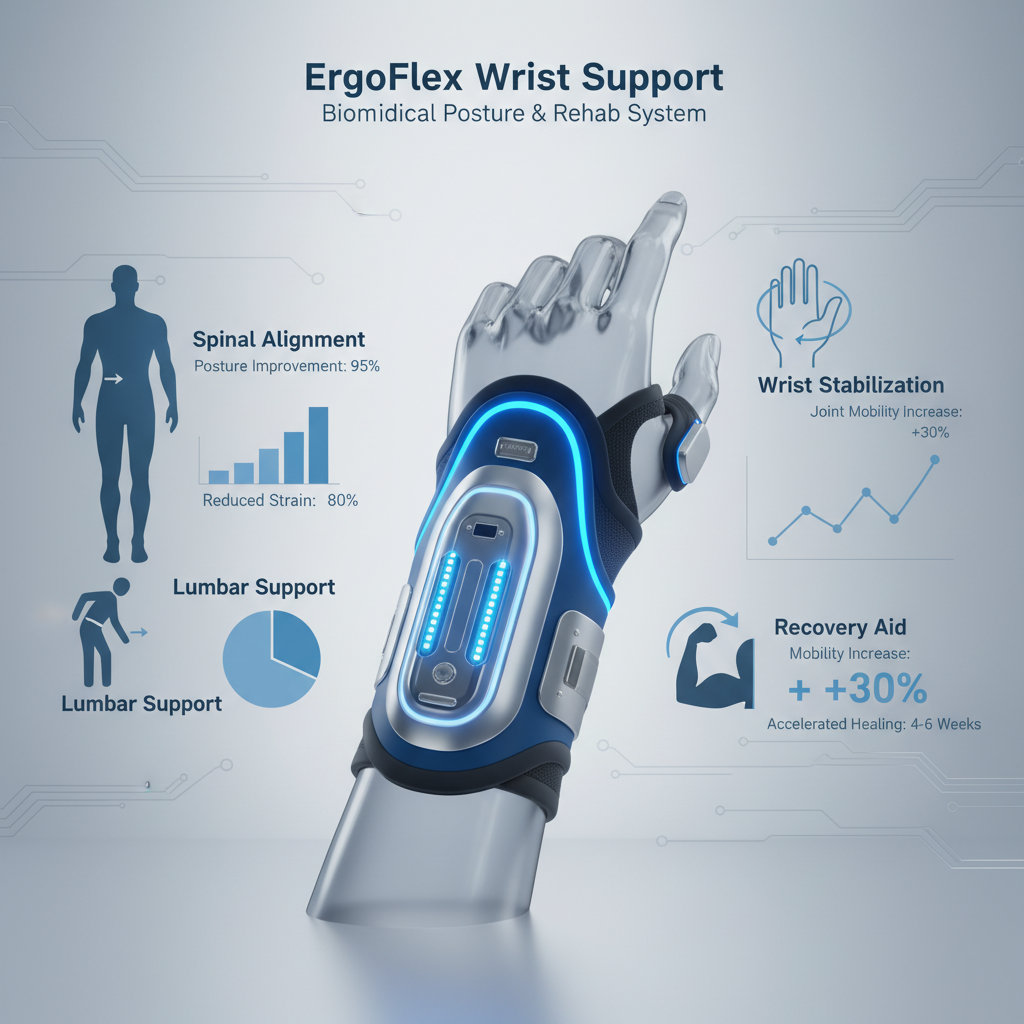
Product Specifications: Jhorthopedic Wrist Wraps with Thumb Loop
Here are the specifications for our popular Jhorthopedic Wrist Wraps with Thumb Loop:
Conclusion: Enhance Your Training with Wrist Wraps
Investing in quality wrist wraps with thumb loop is a smart move for any serious lifter. They provide the support, stability, and security you need to push your limits and achieve your fitness goals. Don't let wrist pain hold you back – prioritize your safety and performance with Jhorthopedic's premium wrist wraps.
Frequently Asked Questions (FAQs)
How tight should I wrap my wrist wraps?
You should wrap your wrist wraps snugly, providing firm support, but not so tightly that you restrict circulation. A good indicator is if you can comfortably bend your wrist slightly while wearing the wraps. Avoid overtightening, as this can cause discomfort, numbness, or even injury. Experiment with different tightness levels to find what works best for you, based on the exercise and the weight you are lifting. It’s better to start with a slightly looser wrap and tighten it gradually if needed.
Can I use wrist wraps for all exercises?
While wrist wraps can be beneficial for many exercises, they aren't necessary for all of them. They are most helpful for movements that place significant stress on the wrists, such as bench press, overhead press, squats, and bicep curls. For exercises that don't heavily involve the wrists, such as leg press or machine exercises, they may not be needed. Over-reliance on wrist wraps can potentially weaken the wrist muscles over time, so use them strategically when you require extra support.
How often should I replace my wrist wraps?
The lifespan of your wrist wraps depends on how frequently you use them and the intensity of your workouts. Generally, you should replace your wrist wraps every 6-12 months, or sooner if you notice signs of wear and tear, such as frayed edges, weakened elastic, or a loss of support. Regularly inspect your wraps for damage and replace them proactively to ensure they continue to provide adequate protection.
What’s the benefit of the thumb loop?
The thumb loop is a key feature that differentiates these wrist wraps from standard versions. It provides a more secure and stable fit by preventing the wrap from slipping during heavy lifts. This enhanced security allows you to maintain proper form and focus on your workout without worrying about readjusting the wraps. The thumb loop actively anchors the wrap, offering greater support and reducing the risk of wrist injury.
-
Thumb Spica Belt Guide for Thumb Stabilization and RecoveryNews Apr.16,2026
-
Soft Thumb Spica Guide for Effective Thumb Stabilization and HealingNews Apr.09,2026
-
Comprehensive Guide to Hand Spica Casts for Effective Injury RecoveryNews Apr.07,2026
-
Benefits of a Custom Thumb Spica for Optimal Hand RecoveryNews Apr.04,2026
-
Experience Ultimate Comfort Cool Thumb Spica for Wrist and Thumb SupportNews Mar.31,2026
-
Comprehensive Guide to Choosing the Right Youth Thumb Splint for Effective HealingNews Mar.28,2026