Comprehensive Guide to Choosing the Best Wrist Splint with Finger Support
Choosing the Right Wrist Splint with Finger Support: A Comprehensive Guide
Dealing with wrist pain or injury can significantly impact daily life. A wrist splint with finger support provides essential stabilization and comfort, allowing for continued activity while promoting healing. This article will explore the benefits, types, and factors to consider when selecting the right splint for your needs. Whether you're recovering from carpal tunnel syndrome, a sprain, or another wrist ailment, understanding your options is crucial. We'll guide you through the features to look for and how to choose a splint that optimizes recovery and minimizes discomfort.
Understanding the Benefits of a Wrist Splint with Finger Support
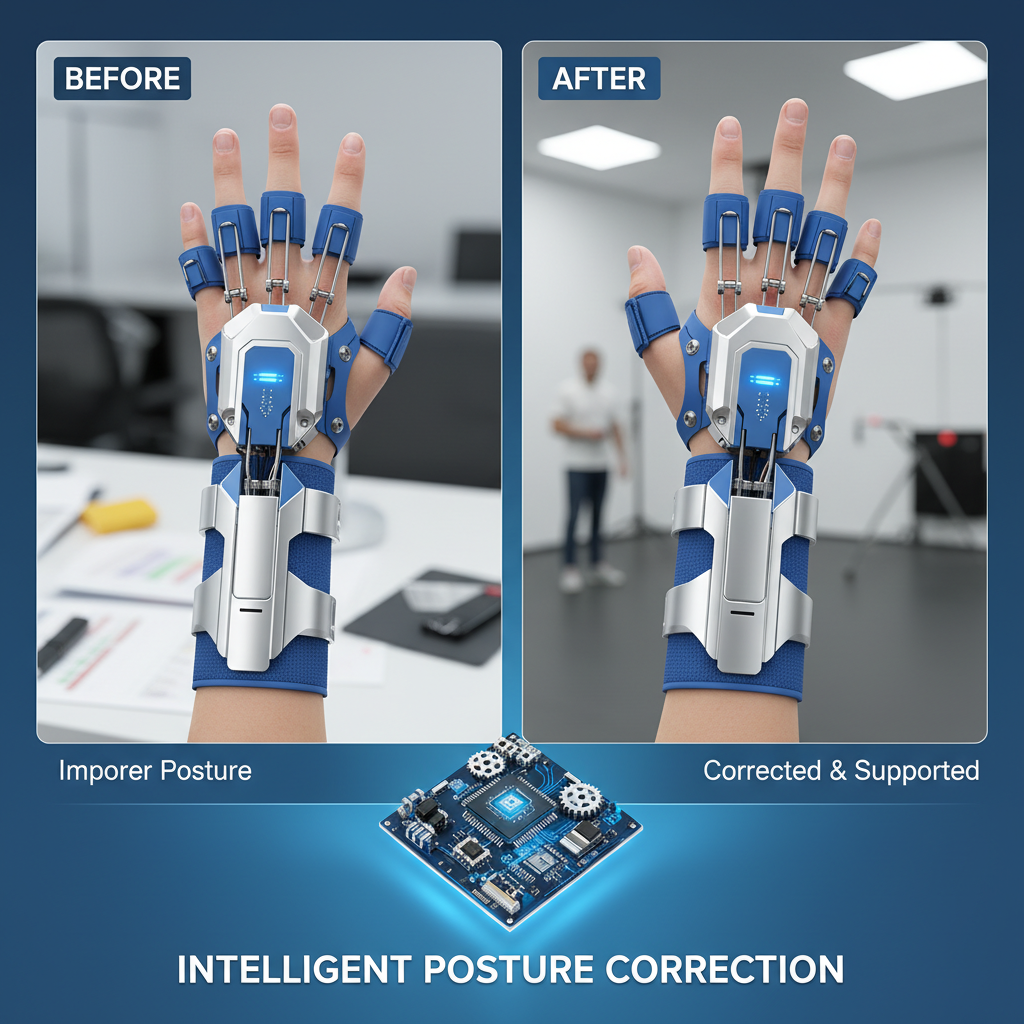
A wrist splint with finger support offers a range of benefits. Primarily, it immobilizes the wrist and hand, reducing pain and inflammation. By limiting movement, the splint creates an optimal environment for healing, especially after injuries like sprains, strains, or fractures. The finger support component adds an extra layer of stability, which can be particularly helpful for conditions affecting the fingers and thumb, such as arthritis or tendonitis. Beyond injury recovery, these splints can also be used preventatively, supporting the wrist during repetitive movements to minimize the risk of developing conditions like carpal tunnel syndrome.
Key Benefits: Immobilization for healing, pain and inflammation reduction, added finger stability, preventative support, and improved functionality during recovery.
Types of Wrist Splints with Finger Support
Wrist splints aren't one-size-fits-all. Several types cater to different needs and conditions. JH Orthopedic offers a variety of options. Palm Stabilizer Splints offer moderate support, ideal for mild to moderate wrist pain. Ulnar & Radial Deviation Splints correct wrist alignment issues. Extended Thumb Splints provide support to both wrist and thumb, useful for De Quervain’s tenosynovitis. Choosing the right type requires understanding your specific injury or condition and its severity.
Splint Type Overview:
• Palm Stabilizer: Moderate support for mild/moderate pain.
• Ulnar/Radial Deviation: Corrects wrist alignment.
• Extended Thumb: Supports wrist & thumb (De Quervain’s).
Wrist Splint with Finger Support: A Comparison
Comparing different types of splints based on support level, comfort, and intended use is essential. Here's a breakdown to help you make an informed decision. Consider the severity of your symptoms and the activities you need to perform while wearing the splint. A heavier-duty splint offers more support but may limit mobility, while a lighter splint provides more flexibility but less stability. JH Orthopedic's range provides options for varied lifestyles.
Factors to Consider When Choosing a Wrist Splint
Several factors influence the ideal splint for your situation. Consider the severity of your condition – mild pain may only require a basic stabilizer, while severe injuries necessitate more robust support. Comfort is paramount; a splint you dislike wearing won’t be effective. Material matters; breathable fabrics prevent skin irritation. And finally, adjustability allows for a customized fit. At JH Orthopedic, we prioritize these factors in our product designs.
Maintaining and Caring for Your Wrist Splint
Proper maintenance extends the life and hygiene of your wrist splint. Regularly clean the splint with mild soap and water. Avoid harsh chemicals or abrasive cleaners. Ensure the splint is completely dry before wearing it. Check for any signs of wear and tear, such as cracks or fraying, and replace the splint if necessary. A well-maintained splint provides optimal support and promotes faster recovery. JH Orthopedic provides detailed care instructions with each purchase.
Conclusion: Finding the Right Support for Your Wrist
Choosing the right wrist splint with finger support is a crucial step towards recovery and pain management. By understanding the different types, considering your individual needs, and following proper maintenance guidelines, you can ensure optimal support and comfort. JH Orthopedic is committed to providing high-quality splints to help you regain functionality and live pain-free.
Frequently Asked Questions (FAQs)
How long should I wear a wrist splint?
The duration of splint wear depends on the severity of your condition and your doctor's recommendations. Generally, you may need to wear the splint for several weeks or even months during the initial healing phase. As your symptoms improve, your doctor may advise gradually reducing the amount of time you wear the splint. It's essential to follow your healthcare provider's instructions carefully to ensure optimal recovery. Wearing the splint consistently as prescribed will maximize its benefits and prevent re-injury.
Can I still use my hand while wearing a wrist splint?
The level of hand use allowed while wearing a wrist splint depends on the type of splint and the severity of your injury. Some splints allow for limited hand movement, while others completely immobilize the wrist and hand. Your doctor will advise you on the appropriate level of activity based on your specific condition. Avoid activities that cause pain or discomfort, and always follow your healthcare provider's instructions to prevent re-injury and promote healing.
How do I know if my wrist splint fits properly?
A properly fitting wrist splint should feel snug but not too tight. You should be able to comfortably bend your fingers and move your elbow without excessive pressure or discomfort. The splint should securely support your wrist without restricting circulation. If you experience numbness, tingling, or increased pain, the splint may be too tight. Adjust the straps and ensure the splint aligns with your wrist and hand correctly. Consult with your healthcare provider or a splint specialist if you're unsure about the fit.
Are wrist splints with finger support covered by insurance?
Insurance coverage for wrist splints varies depending on your insurance plan and the medical necessity of the splint. In many cases, insurance will cover the cost of a wrist splint if it is prescribed by a doctor and deemed medically necessary for the treatment of a specific condition, such as carpal tunnel syndrome or a wrist injury. It’s best to contact your insurance provider to confirm your coverage and understand any applicable deductibles or co-pays. JH Orthopedic can provide documentation to support your insurance claim.
-
Thumb Spica Belt Guide for Thumb Stabilization and RecoveryNews Apr.16,2026
-
Soft Thumb Spica Guide for Effective Thumb Stabilization and HealingNews Apr.09,2026
-
Comprehensive Guide to Hand Spica Casts for Effective Injury RecoveryNews Apr.07,2026
-
Benefits of a Custom Thumb Spica for Optimal Hand RecoveryNews Apr.04,2026
-
Experience Ultimate Comfort Cool Thumb Spica for Wrist and Thumb SupportNews Mar.31,2026
-
Comprehensive Guide to Choosing the Right Youth Thumb Splint for Effective HealingNews Mar.28,2026