Abduction Pillow Brace: Comfortable Shoulder Support & Stability
Innovating Post-Operative Shoulder Care: The Abduction Pillow Brace
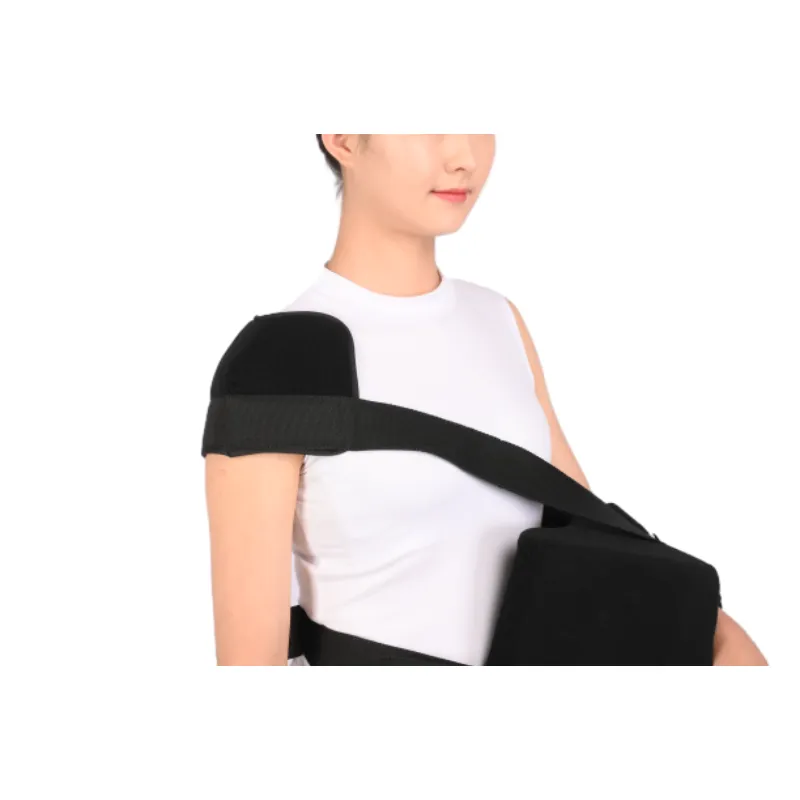
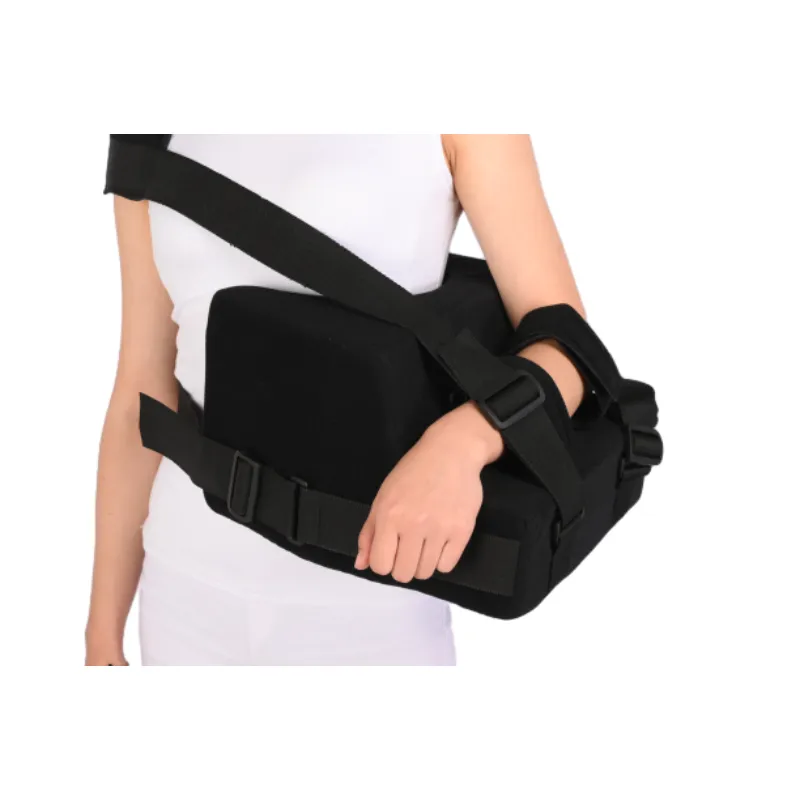
In the dynamic landscape of orthopedic rehabilitation, advancements in patient support devices are crucial for optimizing recovery outcomes. The evolution from traditional slings to highly specialized immobilizers marks a significant leap. At the forefront of this innovation is the abduction pillow brace, a sophisticated medical device engineered to provide precise humeral positioning and superior patient comfort during critical healing phases. This specialized shoulder immobilization solution is increasingly vital in post-surgical protocols for conditions ranging from rotator cuff repairs to complex shoulder dislocations and fractures.
Industry trends indicate a growing demand for devices that not only ensure anatomical correctness but also enhance patient compliance through ergonomic design and breathable materials. Healthcare providers are actively seeking solutions that reduce rehabilitation timelines, minimize complications, and ultimately improve the long-term functional recovery of the shoulder joint. The Humeral Abduction Orthosis, specifically designed for these demanding requirements, exemplifies the integration of advanced biomechanical principles with user-centric design.
Manufacturing Excellence: Crafting the Abduction Pillow Brace
The production of a high-quality abduction pillow brace involves a meticulously controlled process, ensuring both efficacy and patient safety. Our manufacturing framework adheres rigorously to international standards, primarily ISO 13485:2016 for Medical devices – Quality management systems, guaranteeing consistent product integrity.
Process Flow of Humeral Abduction Orthosis Production:
- Material Procurement & Inspection: Sourcing medical-grade, hypoallergenic fabrics (e.g., breathable polyester blends, neoprene), high-density ergonomic foam for the pillow, durable nylon straps, and robust plastic components (buckles, D-rings) from certified suppliers. Each batch undergoes rigorous material integrity and biocompatibility testing.
-
Component Fabrication:
- Textile Cutting: Precision CNC cutting machines are employed to cut fabric panels and strapping materials, ensuring exact dimensions and minimizing waste.
- Foam Molding/Shaping: The abduction pillow's core foam is either compression molded or contour-cut using automated processes to achieve specific angles (typically 10-15 degrees for standard designs, with options for higher abduction) and anatomical support.
- Plastic Component Injection Molding: Buckles, adjusters, and any rigid support elements are manufactured via injection molding, utilizing medical-grade polypropylene or ABS for strength and smooth finish.
- Assembly: Skilled technicians meticulously assemble the components. This involves industrial-grade stitching for fabric seams and strap attachments, integration of the foam pillow within its fabric cover, and secure fastening of all adjusters and support elements. Critical stress points are reinforced to prevent material fatigue.
-
Quality Control & Testing: Throughout the assembly process, in-line inspections verify stitching quality, dimensional accuracy, and functional integrity of all components. Final product testing includes:
- Load Bearing Tests: Simulating real-world stresses to ensure structural integrity.
- Adjustability & Fit Tests: Verifying ease of adjustment and secure fit across various body types.
- Material Durability & Comfort: Assessing fabric breathability, skin compatibility, and long-term wear resistance.
- Packaging & Sterilization: Products are cleaned, and where required for specific medical applications (though less common for external orthoses), sterilized. Each unit is individually packaged with detailed instructions for use, ensuring hygienic delivery and proper application.
The typical service life of our Humeral Abduction Orthosis is designed for the full duration of a patient's rehabilitation period, typically 6-12 weeks, with structural integrity and material durability engineered to last for several years with proper care, making them suitable for multi-patient use in clinical settings or extended personal use. While target industries primarily encompass healthcare (hospitals, orthopedic clinics, rehabilitation centers, sports medicine), our focus on robust design ensures reliability in demanding recovery scenarios. Our products offer tangible advantages in typical application scenarios by facilitating optimal healing environments, thereby accelerating rehabilitation and reducing the economic burden of prolonged recovery.
Technical Specifications of the Humeral Abduction Orthosis
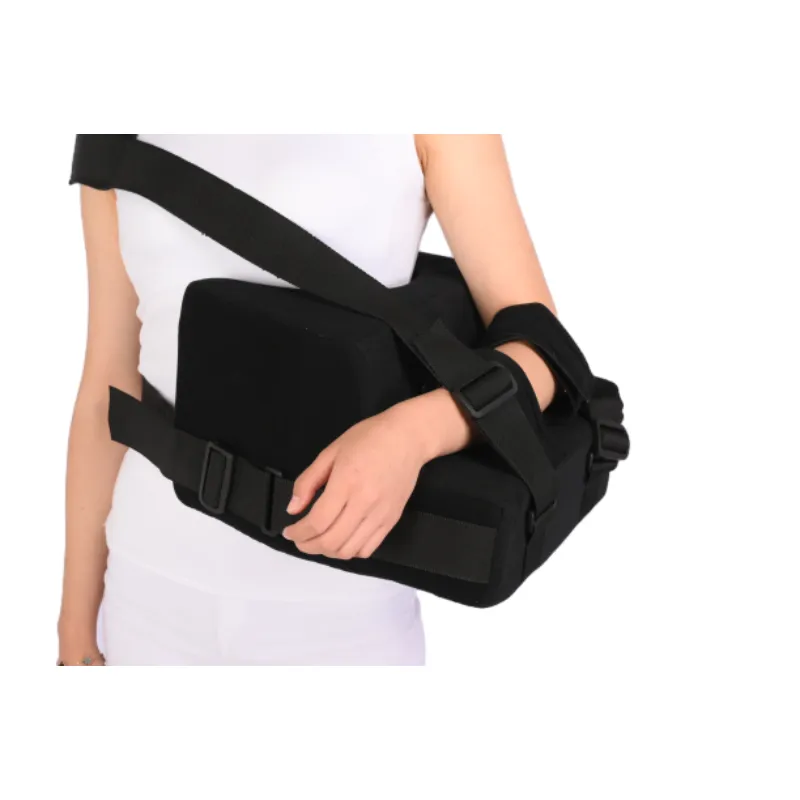
Understanding the precise technical parameters of a shoulder abduction brace with pillow is critical for clinicians and procurement specialists. The Humeral Abduction Orthosis is meticulously engineered to provide superior anatomical support and patient comfort.
Product Specification Table: Humeral Abduction Orthosis
| Parameter | Specification | Benefit to User/Patient |
|---|---|---|
| Abduction Angle | 10-15° Fixed (Standard); Adjustable 10-30° (Optional) | Optimal positioning for rotator cuff repair; reduces tension on supraspinatus tendon. |
| Pillow Material | High-density polyurethane foam with breathable, moisture-wicking fabric cover | Comfort, pressure distribution, prevents skin irritation, promotes air circulation. |
| Sling Material | Durable, lightweight, anti-microbial polyester blend | Long-lasting support, hygienic, prevents odor, easy to clean. |
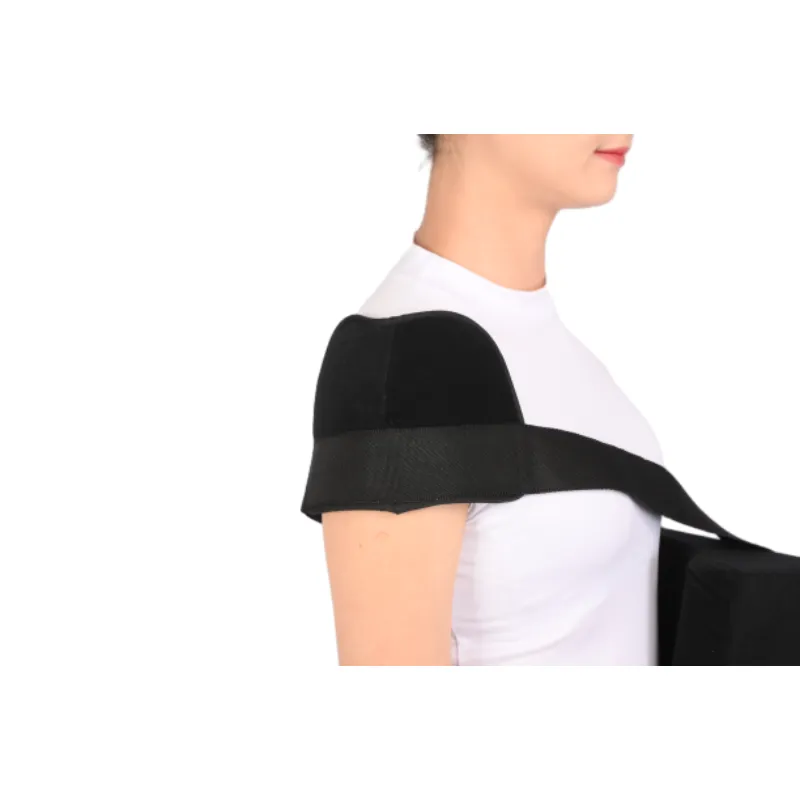
| Strap System | Adjustable padded shoulder and waist straps with quick-release buckles | Secure fit, even pressure distribution, easy donning/doffing, patient comfort. |
| Thumb Loop | Yes (removable) | Prevents wrist drop, maintains neutral hand position for comfort. |
| Size Range | Universal Left/Right, S/M/L Options | Accommodates diverse patient anatomies, reduces inventory needs for clinics. |
| Weight | Approx. 0.8 - 1.2 kg (depending on size) | Lightweight design for prolonged wear without discomfort. |
| Certifications | ISO 13485:2016, CE Marked, FDA Registered | Assurance of quality, safety, and regulatory compliance. |
These specifications highlight the precise engineering and material selection that underpin the efficacy of our shoulder immobilizer with pillow. The careful balance between support, comfort, and adjustability ensures optimal healing conditions for the glenohumeral joint and surrounding soft tissues.
Application Scenarios and Technical Advantages
The versatility and biomechanical precision of the abduction pillow brace make it indispensable across a spectrum of orthopedic and post-surgical applications. Its design directly addresses the needs of patients requiring strict immobilization combined with a specific abduction angle to promote optimal healing.
Key Application Scenarios:
- Rotator Cuff Repair: Essential for maintaining the humerus in a position that reduces tension on the repaired supraspinatus, infraspinatus, or subscapularis tendons, preventing re-tear and promoting fibrous healing.
- Shoulder Dislocation/Subluxation: Provides stable immobilization following reduction, preventing recurrence and allowing capsular structures to heal effectively.
- Proximal Humerus Fractures: Supports the fractured bone fragments in alignment, particularly after open reduction and internal fixation (ORIF), minimizing motion that could disrupt osteosynthesis.
- Bankart/SLAP Lesion Repair: Protects the glenoid labrum repair by limiting external rotation and abduction, which can stress the anterior-inferior capsule.
- Total Shoulder Arthroplasty (TSA) / Reverse Total Shoulder Arthroplasty (RTSA): Post-operative stabilization to protect prosthetic components and soft tissue repairs during the initial healing phase.
- Post-Surgical Capsular Shift or Reconstruction: Maintains the desired capsular tension and position, critical for long-term stability.
Technical Advantages of Our Shoulder Abduction Sling with Pillow:
- Optimal Anatomical Positioning: The integrated pillow consistently maintains the arm in a precisely calibrated abduction angle, crucial for reducing strain on healing tissues and optimizing blood flow.
- Enhanced Patient Comfort & Compliance: Lightweight, breathable materials and extensive padding minimize pressure points and heat retention, encouraging longer wear times and better adherence to rehabilitation protocols. This directly translates to accelerated recovery rates.
- Rigid Immobilization & Stability: The robust design and secure strapping system provide superior immobilization compared to traditional slings, preventing unwanted movements that could compromise surgical repairs.
- Adjustability & Versatility: Fully adjustable shoulder and waist straps, coupled with often ambidextrous designs, allow for a customized fit across a wide range of patient anatomies, simplifying inventory management for clinics.
- Durability & Longevity: Constructed from medical-grade, high-quality materials, the brace is designed for the entire recovery period and beyond, maintaining its structural integrity and hygienic properties through repeated use and cleaning. This contributes to better cost-efficiency over time for healthcare institutions.
Vendor Comparison and Customized Solutions
When selecting a shoulder sling support, B2B decision-makers face numerous options. A critical evaluation extends beyond basic functionality to include material quality, design versatility, clinical evidence, and after-sales support.
Comparative Analysis of Abduction Braces
| Feature | Our Humeral Abduction Orthosis | Competitor A (Entry-Level) | Competitor B (Premium) |
|---|---|---|---|
| Abduction Angle Options | 10-15° fixed, optional 10-30° adjustable | Fixed 10-15° only | Adjustable 0-45° with wedges |
| Pillow Material | High-density foam, breathable, moisture-wicking cover | Standard foam, basic fabric cover | Memory foam, premium anti-microbial cover |
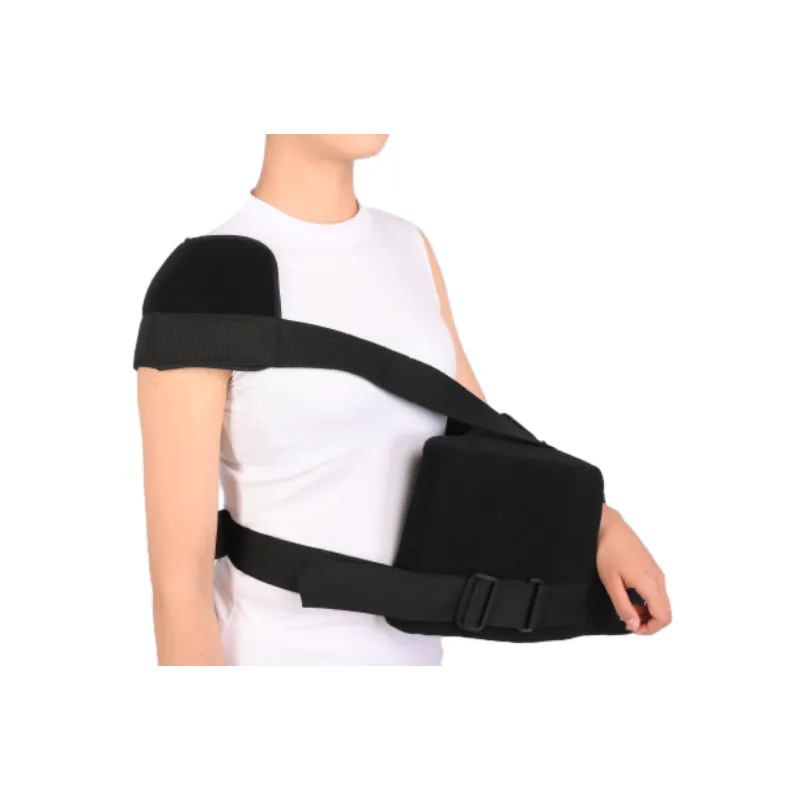
| Sling Design | Full arm envelope, thumb loop, comfortable padding | Basic sleeve, no thumb loop, minimal padding | Contoured ergonomic sleeve, wrist strap, extensive padding |
| Strap System | Padded, quick-release, adjustable shoulder & waist | Non-padded, basic buckle, limited adjustability | Fully padded, multi-point adjustability, magnetic closures |
| Clinical Certifications | ISO 13485, CE, FDA Registered | Basic CE or only internal quality checks | ISO 13485, CE, FDA Registered, clinical study support |
| Price Point | Mid-range, excellent value | Low | High |
Our Humeral Abduction Orthosis is positioned to offer an optimal balance of advanced features, certified quality, and cost-effectiveness. It provides superior patient outcomes without the premium price associated with some high-end competitors, making it an ideal choice for institutions seeking efficient and reliable solutions.
Customized Solutions for Specialized Needs:
Recognizing that patient anatomies and surgical protocols can vary, we offer bespoke customization options for our arm shoulder sling support. This capability is particularly valuable for complex cases or specific research requirements.
- Adjustable Abduction Angles: While our standard model offers a 10-15° fixed angle, we can provide solutions with adjustable wedges or pillow designs to achieve 0-45° abduction, catering to diverse surgical preferences.
- Material Modifications: For patients with specific skin sensitivities or for enhanced durability in particular environments, alternative fabric compositions (e.g., enhanced anti-microbial, latex-free options) can be incorporated.
- Sizing & Fit Adaptations: For pediatric patients or individuals with significantly atypical body dimensions, custom sizing and strap configurations can be developed to ensure a precise and secure fit.
- Branding & Packaging: We can accommodate specific branding requirements for healthcare systems or large distributors, including custom logos and specialized packaging that meets particular clinical workflows.
Our commitment to flexibility ensures that healthcare providers can implement the most effective and comfortable solutions for their patient populations, upholding the highest standards of care.
Application Case Studies: Real-World Efficacy
The practical effectiveness of a shoulder abduction brace with pillow is best demonstrated through its impact on patient recovery. Our Humeral Abduction Orthosis has consistently shown positive outcomes in diverse clinical settings.
Case Study 1: Rotator Cuff Repair Rehabilitation
A 58-year-old male patient underwent arthroscopic repair for a massive rotator cuff tear involving the supraspinatus and infraspinatus tendons. Post-operatively, he was fitted with our Humeral Abduction Orthosis, maintaining his arm at 15 degrees of abduction. The patient reported excellent comfort and minimal pain during the 6-week immobilization period. Compliance was significantly high due to the brace's lightweight and breathable design. At the 12-week follow-up, ultrasound imaging confirmed robust tendon healing, and the patient demonstrated a superior range of motion and strength recovery compared to historical data from traditional sling users in the clinic.
Case Study 2: Proximal Humerus Fracture Stabilization
A 72-year-old female patient sustained a displaced Neer 3-part proximal humerus fracture. Following surgical fixation with a locking plate, our shoulder immobilizer with pillow was prescribed. The brace provided stable support, preventing detrimental movement of the fracture fragments. The patient's care team noted the ease of adjustment for caregivers and the patient's ability to maintain hygiene around the surgical site. X-rays at 8 weeks post-op showed excellent callus formation and alignment, enabling an earlier transition to passive range of motion exercises than typically expected for this fracture type.
These cases underscore the critical role of precise immobilization and patient comfort in achieving superior functional outcomes. Our commitment to quality and patient-centric design directly translates into tangible clinical benefits.
Trust and Support: Your Partner in Orthopedic Solutions
Building strong, trustworthy relationships with our B2B partners is paramount. We stand by the quality and performance of our Humeral Abduction Orthosis and are dedicated to providing comprehensive support.
Frequently Asked Questions (FAQ):
Q: How does the abduction pillow brace differ from a standard arm sling?
A: A standard arm sling primarily supports the arm vertically. An abduction pillow brace adds a rigid or semi-rigid pillow that positions the humerus away from the body at a specific angle (abduction), typically 10-30 degrees. This positioning is critical for reducing tension on certain tendons (e.g., supraspinatus after rotator cuff repair) and preventing internal rotation, promoting more optimal healing and reducing complications.
Q: Is the brace ambidextrous or side-specific?
A: Our Humeral Abduction Orthosis is designed to be ambidextrous (universal left/right), which simplifies inventory management for clinics and hospitals. The pillow and sling components can be easily reconfigured for either arm.
Q: What is the recommended cleaning protocol for the brace?
A: The fabric components can typically be hand-washed with mild soap and cold water, then air-dried. The foam pillow should not be submerged but can be wiped clean. Specific instructions are provided with each product to ensure longevity and hygiene.
Q: Can the abduction angle be adjusted?
A: Our standard model offers a fixed abduction angle designed for common post-operative protocols. However, we offer optional designs with adjustable wedges or different pillow sizes to accommodate varied abduction requirements, typically ranging from 0 to 45 degrees, as part of our customized solutions.
Lead Time and Fulfillment:
We understand the critical nature of timely delivery in healthcare. Our standard lead time for bulk orders of the Humeral Abduction Orthosis is typically 2-4 weeks, depending on order volume and customization requirements. For urgent requests or standing orders, expedited shipping options and dedicated stockholding agreements can be arranged. We leverage a robust global logistics network to ensure reliable and efficient fulfillment to our partners worldwide.
Warranty Commitments:
Each Humeral Abduction Orthosis comes with a standard 1-year limited warranty against manufacturing defects and material failures under normal use. This warranty underscores our confidence in the product's quality and durability. Detailed warranty terms and conditions are available upon request and provided with each order.
Customer Support Information:
Our dedicated B2B customer support team is available to assist with product inquiries, technical support, order placement, and after-sales service. We provide comprehensive training materials and clinical support resources for healthcare professionals.
- Email: info@jhorthopedic.com
- Phone: +86-XXXX-XXXXXX (International support available during business hours)
- Website: www.jhorthopedic.com (for product documentation, resources, and contact forms)
We are committed to being a reliable partner, providing not just products, but complete orthopedic solutions supported by exceptional service.
References
- ISO 13485:2016 Medical devices — Quality management systems — Requirements for regulatory purposes. International Organization for Standardization.
- Gumina, S., et al. (2014). The effect of shoulder abduction angle on supraspinatus tendon tension: a biomechanical study. The Journal of Shoulder and Elbow Surgery, 23(12), 1836-1841.
- Murena, L., et al. (2013). Shoulder abduction brace: a comparative study on patient compliance and functional results after rotator cuff repair. Musculoskeletal Surgery, 97(1), 59-64.
- US Food and Drug Administration (FDA). Medical Devices. Available at: https://www.fda.gov/medical-devices.
- National Institutes of Health (NIH). National Library of Medicine. Available at: https://www.ncbi.nlm.nih.gov/.
-
Comprehensive Guide to Making Arm Sling – Durable Orthopedic Solutions for B2B BuyersNews Jan.05,2026
-
What Is A Arm Sling Used For – Key Insights from JH OrthopedicNews Dec.11,2025
-
What Injuries Need An Arm Sling – Industry Overview & Best Choices for B2B BuyersNews Dec.11,2025
-
What Are Arm Slings Used For? Benefits and Vendor ComparisonNews Dec.11,2025
-
Purpose of Arm Sling | Support & Recovery EssentialsNews Dec.10,2025
-
Making A Sling For Your Arm: Durable, Comfortable Solutions for Medical ProfessionalsNews Dec.10,2025