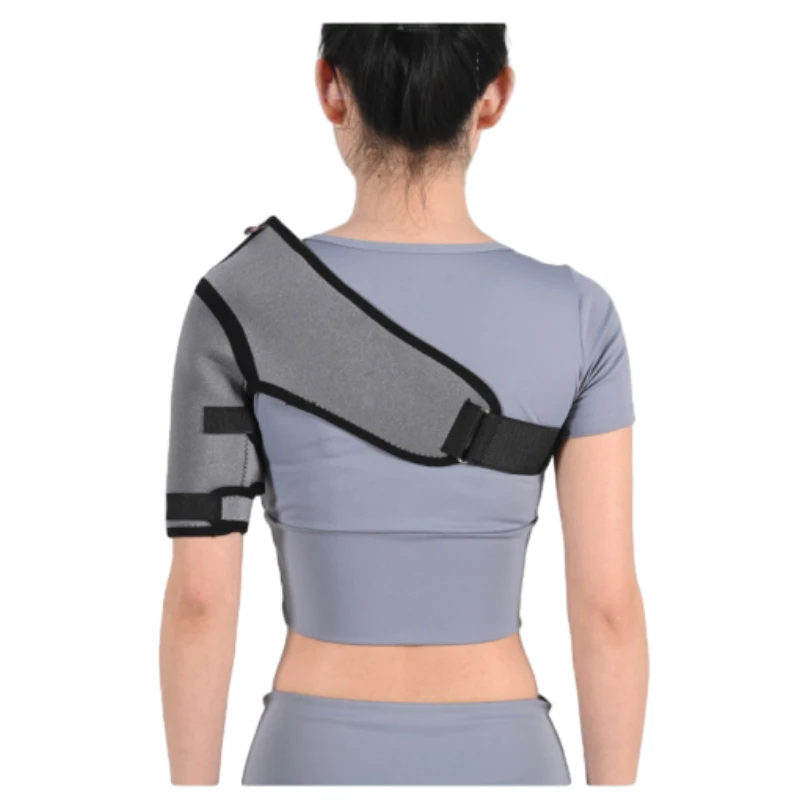
Professional Rehabilitation and Neck Support Systems
Specialized orthopedic devices designed for precise immobilization and effective recovery of the cervical and upper limb regions.
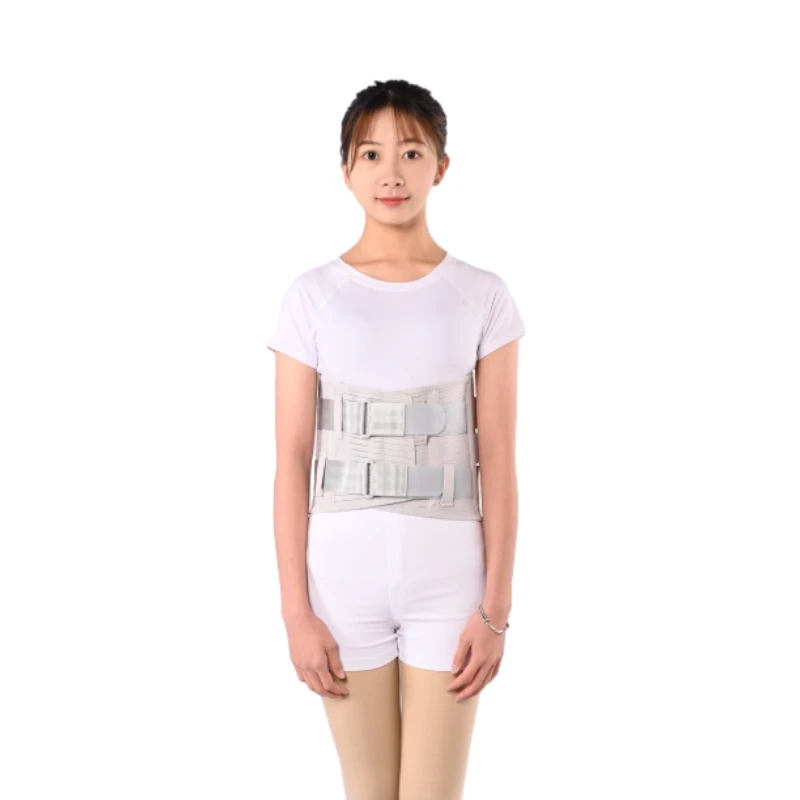
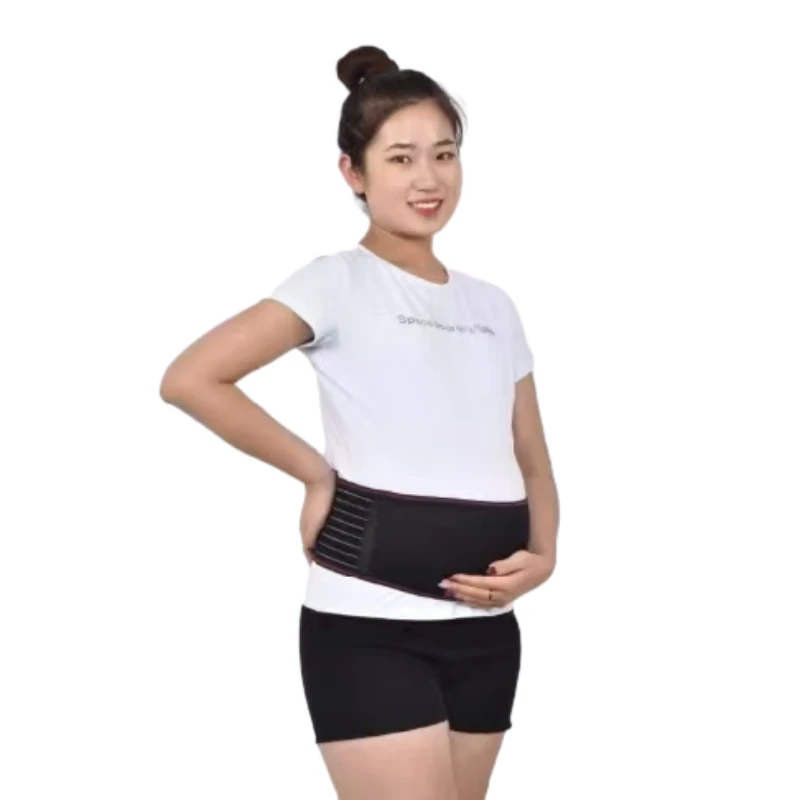
Reinforced Back Brace
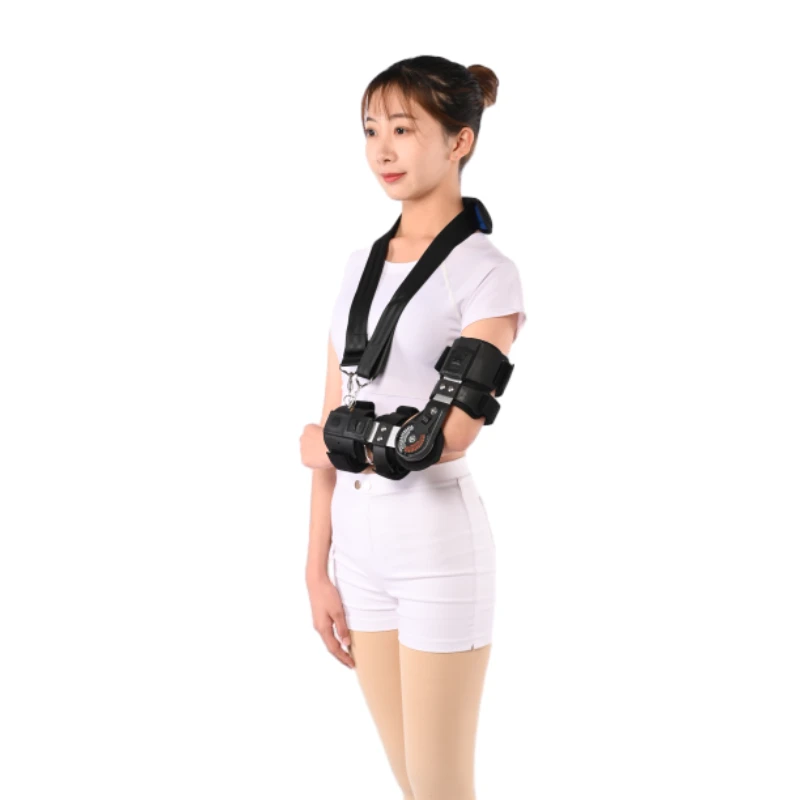
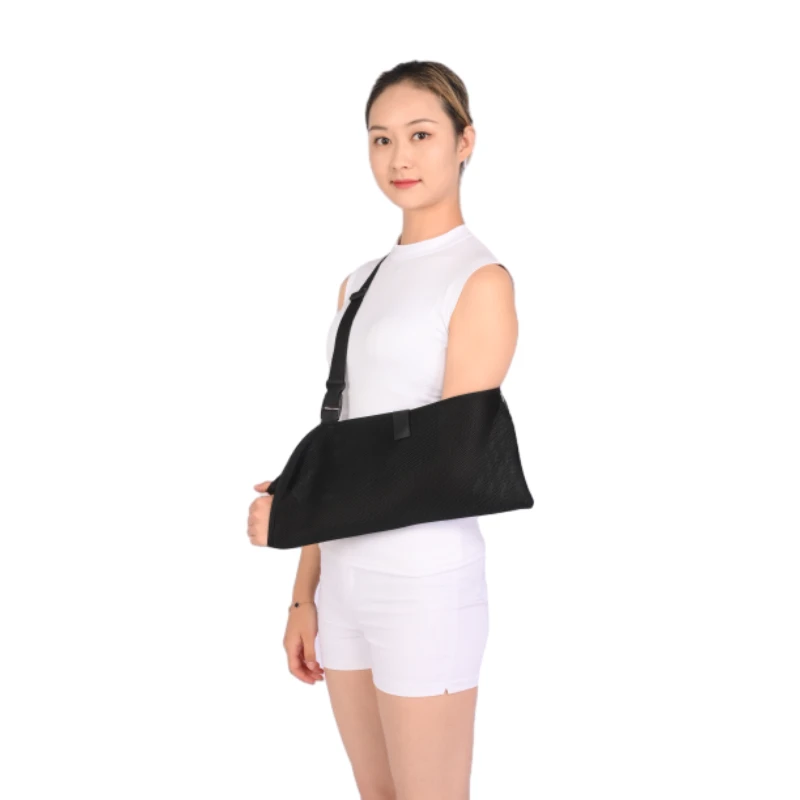
Elbow Brace
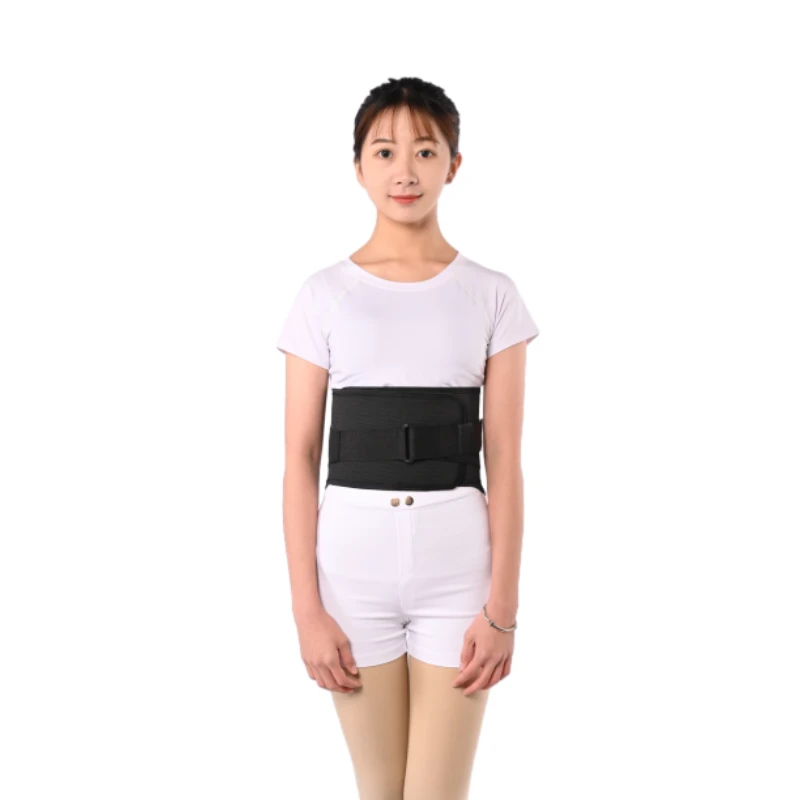
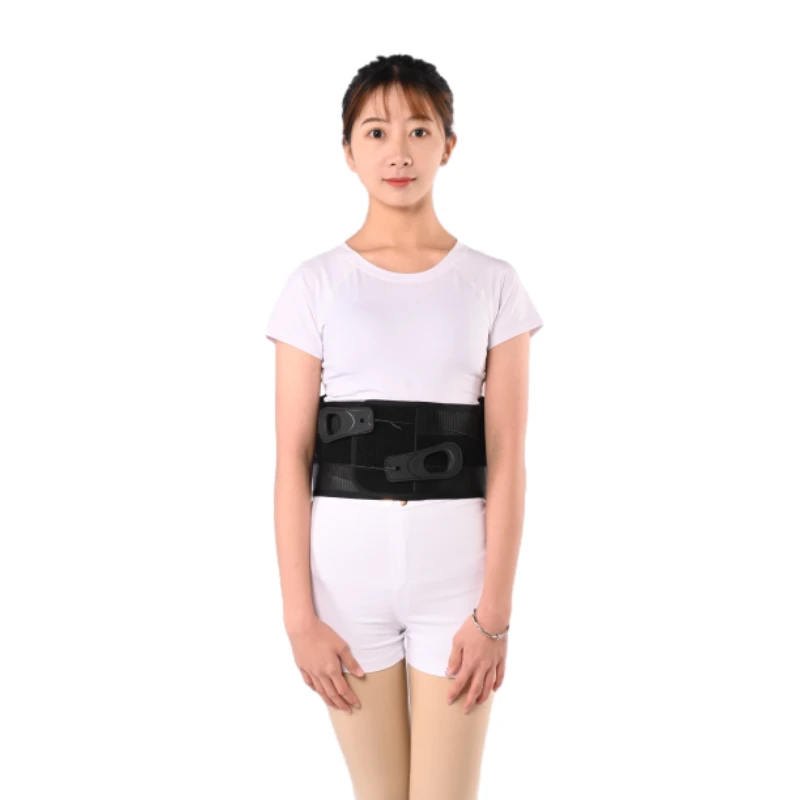
Heavy Duty Back Support
Optimizing Orthopedic Care Standards in Myanmar
Addressing the growing demand for high-quality rehabilitation medical devices in regional healthcare centers.
In Myanmar, the healthcare landscape is increasingly focusing on improving post-operative recovery and trauma management. There is a significant need for reliable immobilization tools, specifically an orthopedic neck collar, to manage cervical spine injuries effectively across public and private hospitals. The local market requires devices that combine medical precision with breathable materials suitable for the humid tropical climate of Southeast Asia.
A primary challenge for Myanmar healthcare providers is the balance between procurement costs and product durability. Often, there is a shortage of specialized semi-rigid options. The integration of a semi rigid collar allows for a transition from total immobilization to gradual mobility, which is critical for long-term patient outcomes in rehabilitation centers located in Yangon and Mandalay.
Looking forward, the opportunity lies in the standardization of rehabilitation equipment. By adopting a comprehensive range of supports, from a simple cervical neck band for mild strain to complex orthoses for chronic conditions, Myanmar's medical wholesalers can better serve the diversified needs of sports teams, trauma wards, and geriatric care facilities.
Evolution of Orthopedic Support Technology
Tracing the journey from basic stabilization to advanced ergonomic rehabilitation.
Industry Development Path
Early Stage
Basic Stabilization
Focus was primarily on rigid immobilization using heavy materials, providing essential support but limited patient comfort.
Expansion Phase
Material Innovation
Introduction of breathable foams and lightweight plastics, improving the wearing experience for long-term orthotic use.
Current Era
Ergonomic Precision
Current focus on anatomical fitting and semi-rigid designs that balance support with functional mobility.
Strategic Growth Trends
- Material Optimization Shift towards hypoallergenic, moisture-wicking fabrics to improve skin health in tropical climates.
- Anatomical Customization Increased demand for adjustable supports that cater to diverse body types for a more precise fit.
- Integrated Care Models Combining support devices with physical therapy protocols for faster patient recovery cycles.
Key Drivers in Rehabilitation Manufacturing
Analyzing the technical and commercial shifts shaping the future of orthopedic devices.
Technical Upgrading
Implementation of high-density polymer frames that offer superior structural integrity while reducing the overall weight of the device.
Cost-Efficiency
Optimizing supply chains to provide professional-grade supports at price points accessible to regional clinics and wholesalers.
Application Expansion
Expanding the use of orthopedic supports into professional sports medicine and preventative workplace ergonomics.
Standardization
Moving toward international sizing and certification standards to ensure safety and efficacy across different global markets.
The future of the orthopedic device sector is moving toward a blend of rigidity and flexibility. By utilizing advanced fabrication techniques, manufacturers can now produce supports that effectively restrict harmful movement while allowing the necessary range of motion for early-stage recovery, thereby reducing the risk of muscle atrophy.
For procurement in markets like Myanmar, the emphasis is shifting toward reliable supply chains and the ability to customize product specifications. This ensures that the equipment delivered meets the specific clinical requirements of local healthcare professionals and the comfort needs of the patients.
Clinical and Personal Application Scenarios
Real-world implementation of orthopedic supports across various care settings in Myanmar.
1
Trauma Centers and Hospitals
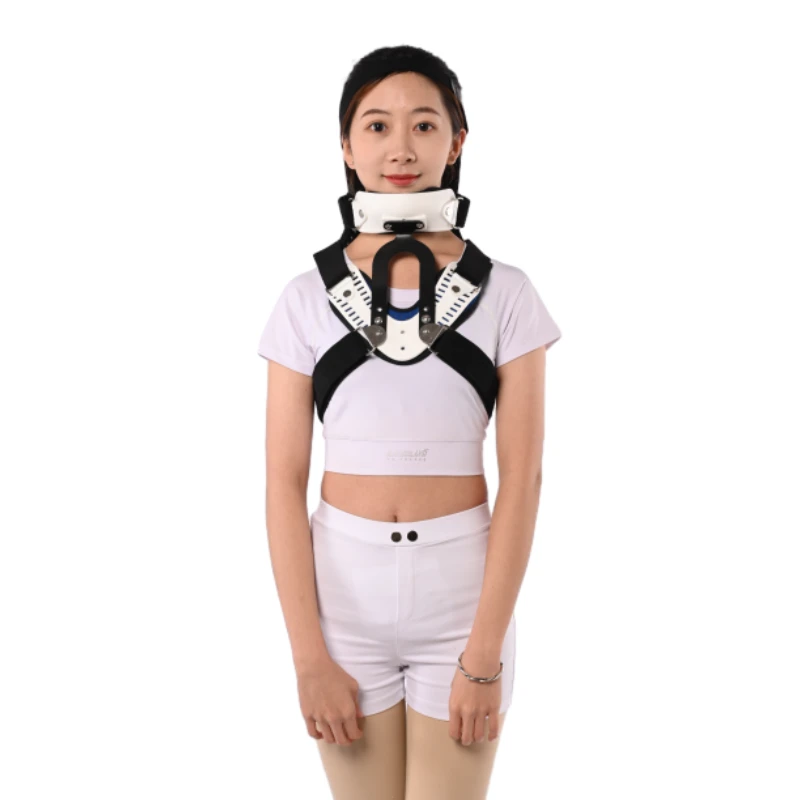
Surgeons and nurses utilize an orthopedic neck collar for immediate stabilization of patients following vehicular accidents, preventing secondary spinal cord injuries during transport.
2
Physical Rehabilitation Clinics
Therapists employ a semi rigid collar to manage the gradual weaning process for patients recovering from cervical fusion surgery, allowing controlled movement.
3
Sports Medicine and Athletic Training
Athletes with wrist sprains or thumb injuries use a wrist support thumb to stabilize the joint during the early stages of recovery while maintaining basic hand function.
4
Geriatric Home Care
Elderly patients suffering from cervical spondylosis use a cervical neck band to reduce pain and provide light support during daily activities at home.
5
Corporate Wellness and Ergonomics
Office workers in urban centers like Yangon use posture correctors and light cervical supports to mitigate the impact of prolonged screen time and poor seated posture.
Brand Story
The global development journey of Hebei JianHang Technology Co., Limited
Founding
Industry Entry
Established as a dedicated manufacturer of orthopedic and rehabilitation products, focusing on quality and innovation in China.
Expansion
Product Diversification
Expanded the range to include cervical collars, arm braces, and comprehensive rehabilitation equipment for professional use.
Growth
Global Export Reach
Became a premier exporter, serving hospitals, rehabilitation centers, and wholesalers worldwide with certified medical devices.
Innovation
Custom Solution Focus
Developed the capability to provide customized orthopedic solutions to meet specific clinical requirements of diverse global clients.
Recognition
Trusted Partnership
Recognized by healthcare professionals and sports teams globally for reliability and commitment to enhancing quality of life.
Present
Sustainable Excellence
Continuing to lead in the manufacturing of high-quality rehabilitation medical devices and sports support braces.
Comprehensive Orthopedic and Rehabilitation Catalog
Explore our full range of medical-grade supports designed for stability, comfort, and rapid recovery across all bodily joints.
Orthopedic Procurement and Technical FAQ
Common questions regarding the selection and use of medical supports for the Myanmar market.
What are the main differences between a soft cervical neck band and a semi rigid collar?
A soft cervical neck band is primarily used for mild support, pain relief, and reminding the patient to limit movement. In contrast, a semi rigid collar provides significant restriction of motion, making it suitable for moderate spinal injuries or the post-surgical phase where strict immobilization is required.
How should an orthopedic neck collar be fitted to ensure patient safety?
Proper fitting requires measuring the patient's neck circumference and ensuring the chin is securely supported without compressing the trachea. It should be snug enough to prevent movement but allow for normal swallowing and breathing. Clinical supervision is recommended for initial fitting.
Are the materials used in your wrist support thumb designs breathable for hot climates?
Yes, we utilize high-grade, medical-grade breathable fabrics and perforated foams designed to reduce heat accumulation and moisture buildup, which is essential for patient comfort in tropical regions like Myanmar.
Can these rehabilitation devices be customized for specific hospital requirements?
Absolutely. We specialize in tailored solutions, allowing us to adjust material specifications, sizing, and support levels to meet the exact clinical protocols of hospitals and rehabilitation centers.
What is the recommended maintenance cycle for reusable orthopedic supports?
Reusable supports should be cleaned according to the material guidelines (usually mild soap and lukewarm water) and inspected weekly for wear and tear on the fasteners to ensure the level of immobilization remains consistent.
What is the typical ROI for clinics investing in high-quality semi-rigid bracing?
Investing in high-quality bracing reduces the rate of recovery complications and patient re-admissions. By improving the efficiency of the rehabilitation process, clinics can increase patient throughput and enhance their reputation for superior clinical outcomes.
Upgrade Your Clinic's Orthopedic Capabilities
Partner with Hebei JianHang Technology to bring world-class rehabilitation devices to Myanmar. Ensure your patients receive the best in stability and recovery support.
Request Professional Catalog
No.240 Xingying West Street,Anping County,Hebei Province,China


Have a question? Keep in touch.


Copyright © 2026 Hebei Jianhang Technology Co.,Ltd. All Rights Reserved. Sitemap | Privacy Policy | Top Blog | Global Service | Hot Products | Knowledge


