In Venezuela, the demand for orthopedic supports is heavily influenced by a combination of urban traffic accidents and a growing geriatric population. The availability of a specialized cervical collar is critical in public hospitals where rapid stabilization is required to prevent secondary spinal injuries.
Economic fluctuations have led to a preference for durable, long-lasting medical devices. Consequently, practitioners are shifting toward the semi rigid collar which offers a superior balance between patient comfort and the structural rigidity needed for effective immobilization in humid tropical climates.
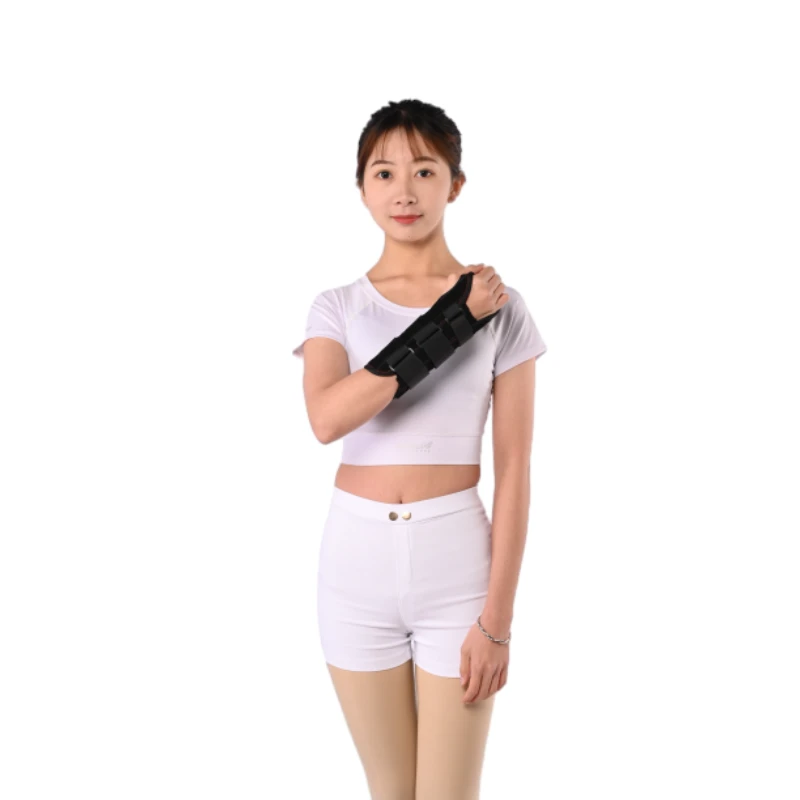
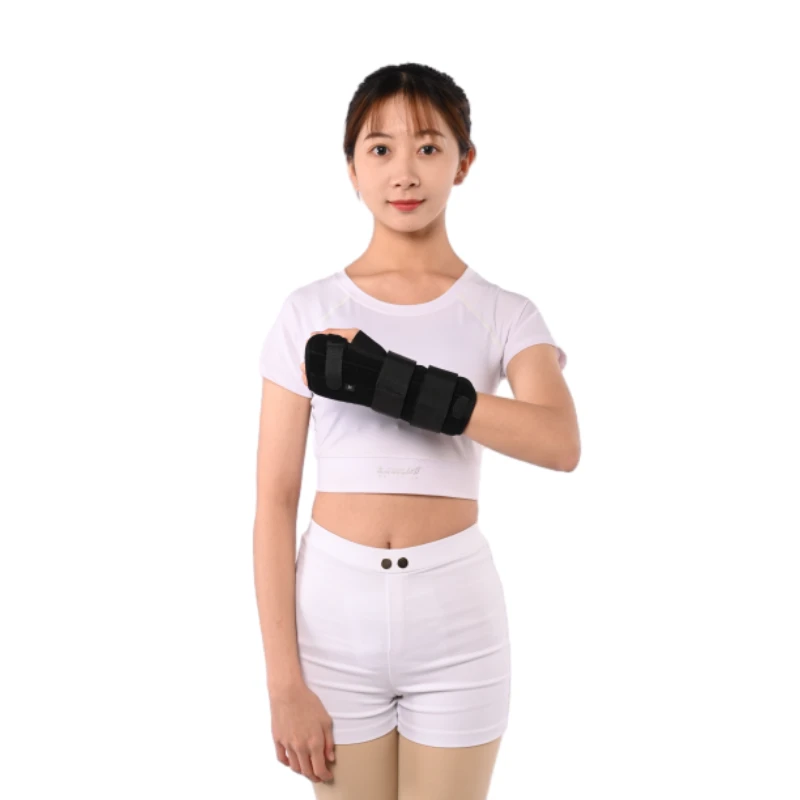
The logistics of medical supply chains in Venezuela require products that are easy to transport and adjust. This has increased the adoption of versatile supports, such as the wrist support thumb, which allows patients in remote regions to manage repetitive strain injuries without frequent clinic visits.