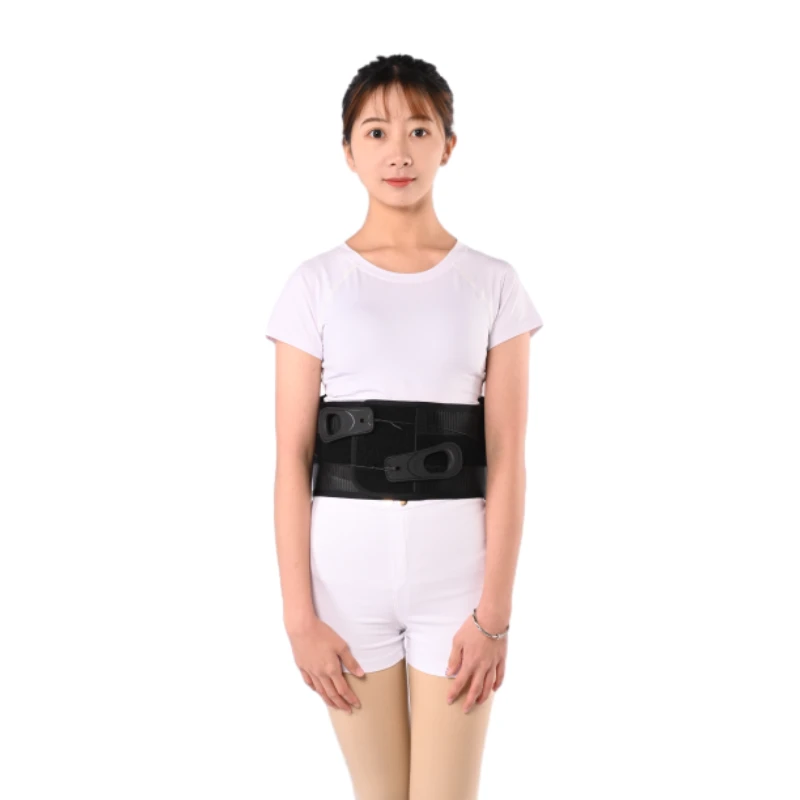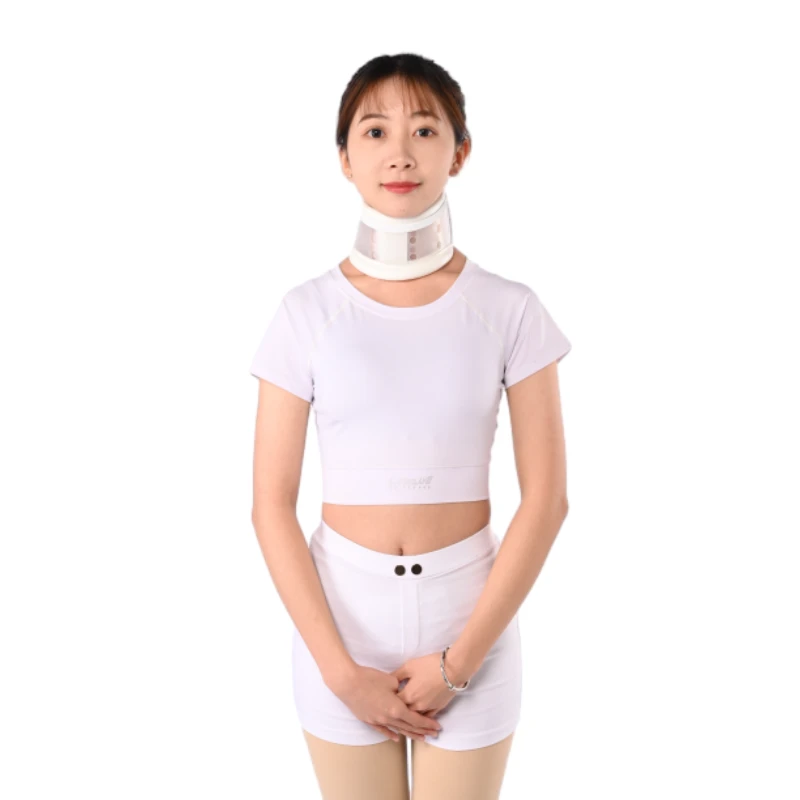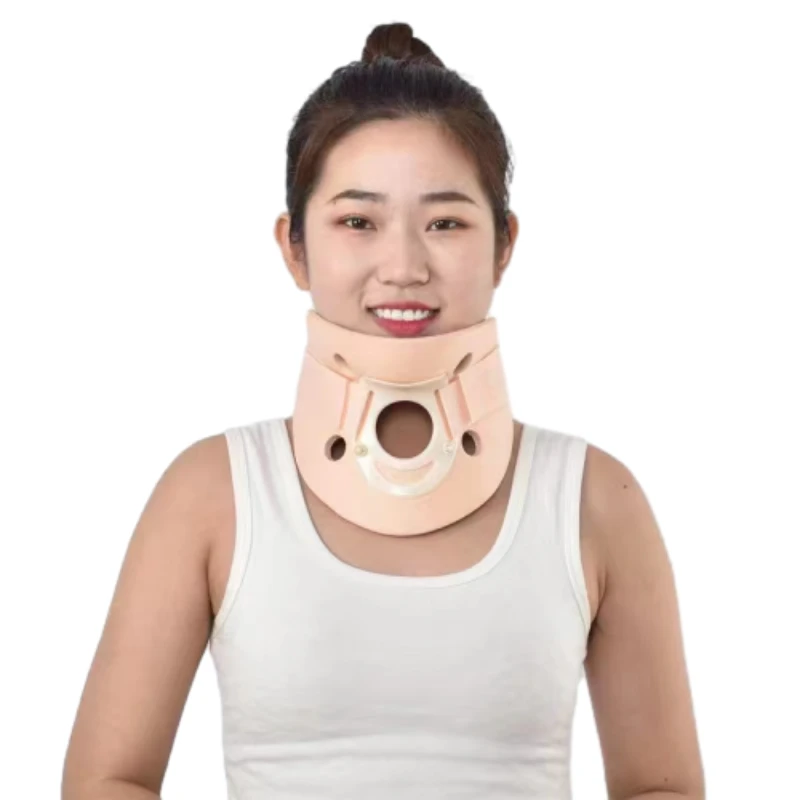
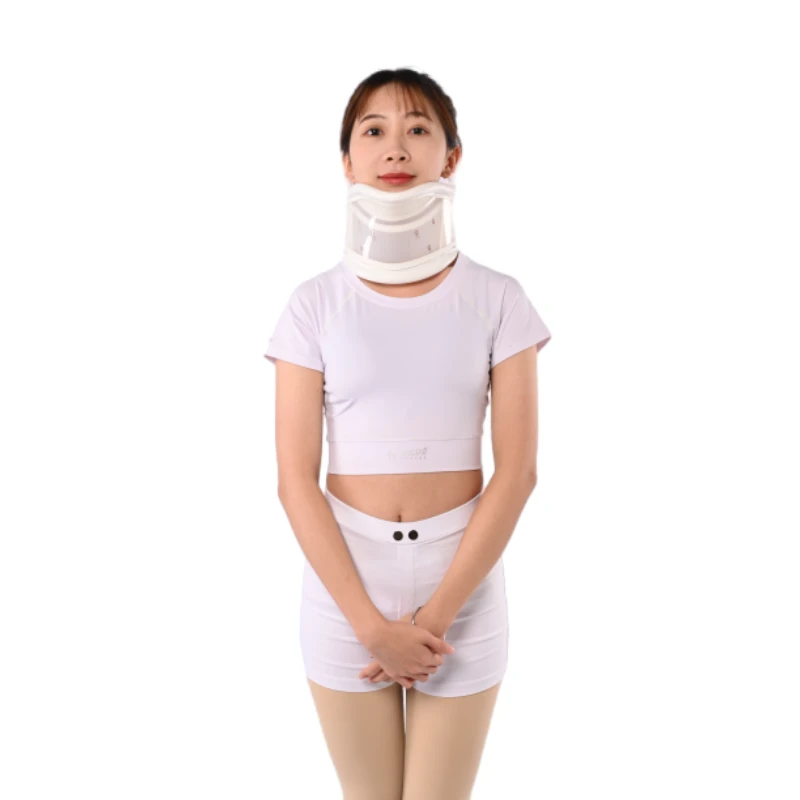
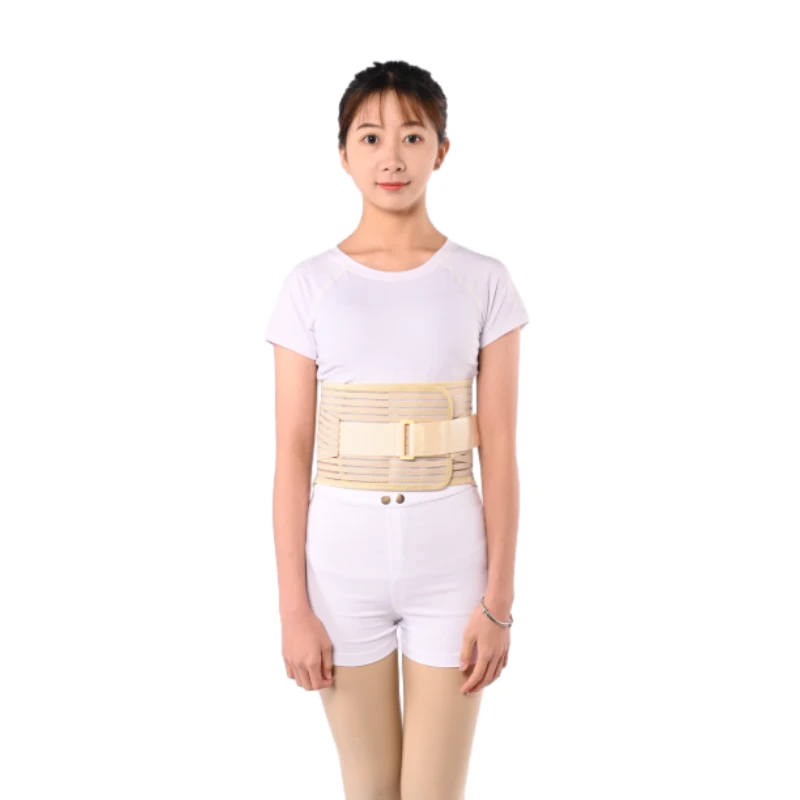
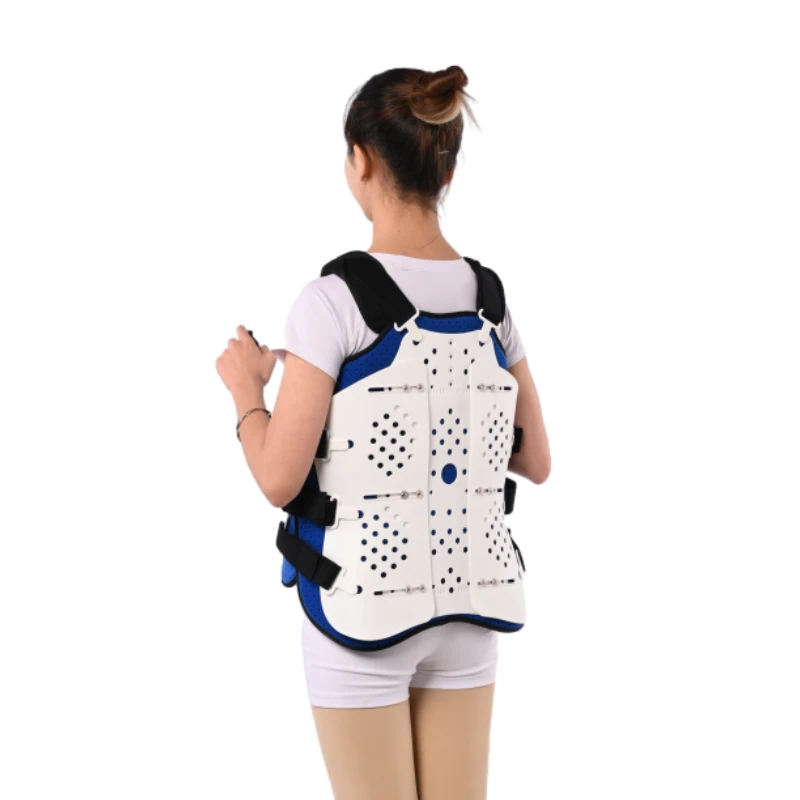
Advanced Orthopedic Support Solutions for Bolivia: semi rigid collar

Providing high-precision rehabilitative bracing and cervical stability devices tailored for the diverse climatic and physiological needs of the Bolivian healthcare market.

Advanced Orthopedic Support Solutions for Bolivia: semi rigid collar

We specialize in the manufacture of medical-grade rehabilitation aids, integrating ergonomic design with durable materials to ensure patient recovery across Bolivia's varied terrains.

Analyzing the Rehabilitative Device Landscape in Bolivia

Understanding the intersection of high-altitude physiological demands and orthopedic care.

In Bolivia, the demand for high-quality orthopedic neck collar devices is driven by both an aging population and a high incidence of workplace injuries in the mining and agricultural sectors. The geographic diversity, from the Altiplano to the lowlands, requires medical devices that can withstand extreme temperature fluctuations without compromising material integrity.

Current healthcare infrastructure in cities like La Paz and Santa Cruz is shifting toward specialized rehabilitation. However, there is a persistent gap in the availability of adjustable cervical collar options that balance rigid stabilization with patient comfort, often leading to suboptimal recovery rates in rural areas.

Economic factors in South America have pushed Bolivian providers to seek a balance between cost-efficiency and medical efficacy. This has created a surge in demand for durable, semi-permanent supports like the cervical neck band, which offers essential support for chronic neck pain common in labor-intensive regional industries.
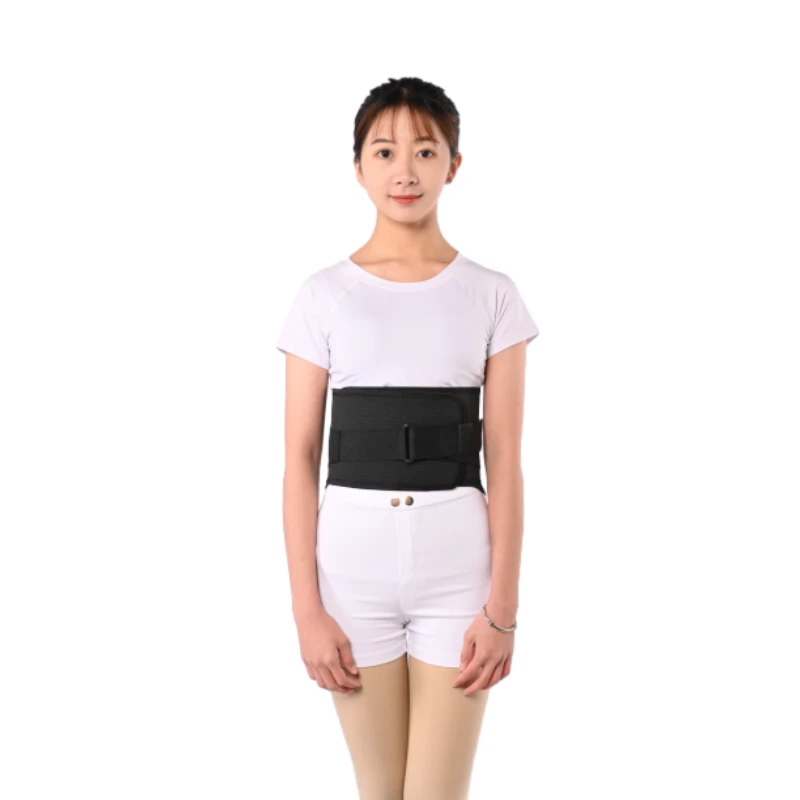
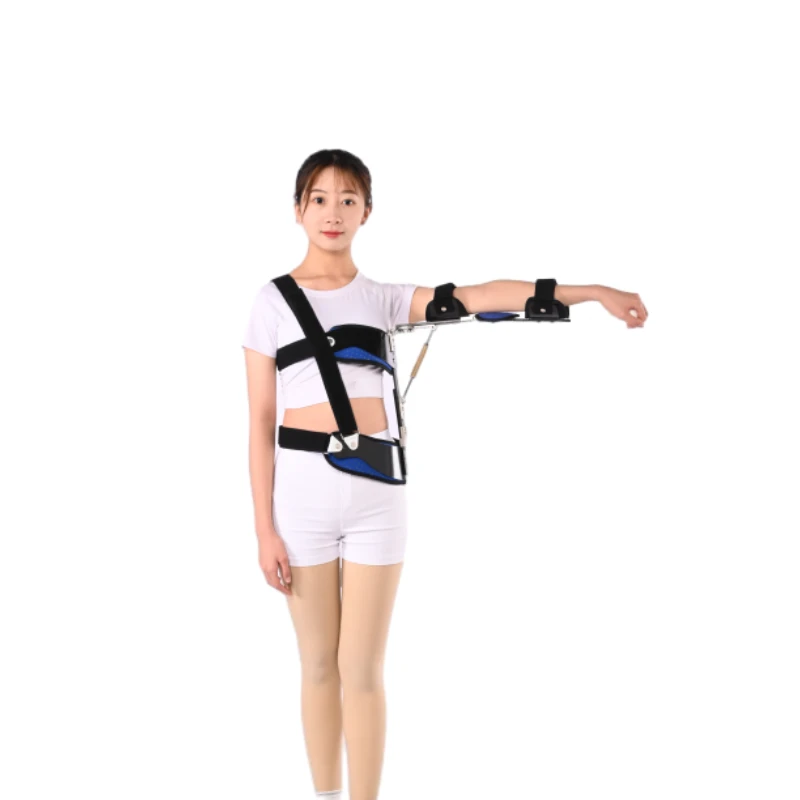
Evolution of Rehabilitation Technology in the Andean Region

From traditional soft bracing to biomechanically engineered stability.

Market Development History

Historically, before 2010, the Bolivian market relied heavily on generic soft foams and basic fabric wraps. These early versions provided minimal stabilization and often failed to address the specific anatomical needs of patients suffering from severe cervical trauma.

Between 2010 and 2020, the introduction of thermoplastic materials revolutionized the sector. The adoption of the semi rigid collar allowed clinicians to provide customized support levels, marking a transition from "one size fits all" to patient-centric orthopedic care.

In recent years, the integration of breathable, hypoallergenic fabrics has addressed the humidity challenges of the Bolivian tropics, ensuring that devices like the wrist support thumb are now designed for 24/7 wearability without causing skin irritation.

Future Development Trends

Smart Material Integration

We anticipate a shift toward memory-shape polymers that adapt to the patient's body temperature, enhancing the fit of cervical supports.

Eco-Friendly Medical Grade Polymers

Driven by global sustainability trends, the next 3 years will see a rise in biodegradable yet medical-grade materials for temporary bracing.

Digital Fitting and Precision Molding

The use of 3D scanning in Bolivian clinics will allow for the production of perfectly contoured orthopedic devices, reducing pressure points.

Industry Trends and Future Outlook for Bolivia

Navigating the next frontier of medical device manufacturing and distribution.

Biomechanical Optimization
Designing supports that mimic natural joint movement to prevent muscle atrophy during immobilization.
Localized Material Sourcing
Reducing lead times in Bolivia by integrating high-performance polymers adapted to regional supply chains.
Tele-Rehabilitation Integration
Pairing physical supports with remote monitoring apps for patients in remote Bolivian provinces.
Customizable Modularity
Developing modular support systems that can be adjusted as the patient's condition improves.

Industry Outlook

Google search trends indicate a growing interest in "home-based rehabilitation" and "ergonomic supports" within Bolivia. This suggests that the market is moving away from purely hospital-based care toward proactive, home-managed recovery protocols using professional-grade devices.

Over the next 5 years, we expect a convergence of medical device manufacturing and digital health. The focus will shift toward "intelligent bracing," where the material properties of the support are optimized via AI to match the patient's specific injury geometry.

Localized Application Scenarios in Bolivia

Practical implementation of orthopedic supports across various Bolivian environments.

1. High-Altitude Mining Safety & Recovery

In the Potosí region, miners are prone to repetitive strain and acute injuries. The use of high-durability wrist support thumb devices is critical for stabilizing joints during heavy lifting in low-oxygen environments.

2. Urban Office Ergonomics in La Paz

With the rise of administrative sectors in the capital, chronic neck strain is increasing. The cervical neck band provides the necessary support for sedentary workers to maintain posture and reduce tension headaches.

3. Post-Trauma Care in Rural Clinics

In remote areas where specialist visits are infrequent, the semi rigid collar allows local nurses to provide high-level stabilization for cervical fractures until the patient can be transported to a city hospital.

4. Agricultural Labor Support in Santa Cruz

Farmers dealing with heavy crop handling require orthopedic aids that are breathable. Our specialized cervical collar designs incorporate moisture-wicking fabrics for the humid tropical climate.

5. Elderly Care and Geriatric Stability

For the aging population in Bolivian municipalities, the orthopedic neck collar is essential for managing degenerative disc disease, ensuring safety and mobility in daily activities.

Brand Story

Global Development Journey of Anping Ankai Hardware Wire Mesh Products Co., Ltd.

Foundational Excellence

Established with a commitment to precision engineering, we began by mastering the art of high-strength material fabrication, creating the baseline for medical-grade durability.

Diversification into Medical Care

Recognizing the need for better rehabilitation aids, we transitioned our metallurgical expertise into the manufacturing of orthopedic supports and medical bracing.

Global Quality Certification

We achieved international standards for medical device manufacturing, ensuring that every brace and collar meets rigorous safety and efficacy benchmarks.

Strategic Expansion to South America

By analyzing the specific needs of the Bolivian market, we customized our product lines to withstand regional climates and physiological demands.

The Vision for Tomorrow

Our mission is to eliminate recovery barriers worldwide by providing affordable, high-performance orthopedic solutions that restore dignity and mobility.

Complete Orthopedic Support Portfolio for Bolivia

Comprehensive medical-grade solutions for cervical and joint stabilization.

Common Questions Regarding Orthopedic Supports in Bolivia

Expert answers to the most frequent queries from Bolivian healthcare providers.

How do I choose the right semi rigid collar for high-altitude patients?

For patients in high-altitude regions like La Paz, it is essential to select a collar that provides rigid stabilization without restricting breathing or causing excessive perspiration. Our semi-rigid options use breathable foams that maintain their structure across varying pressures.

What is the difference between a cervical collar and a cervical neck band?

A cervical collar is typically used for acute immobilization after trauma, whereas a cervical neck band is designed for chronic support and pain management, offering more flexibility for daily activities.

Are orthopedic neck collar materials durable enough for the tropical climate of Santa Cruz?

Yes, our products are manufactured using anti-microbial and humidity-resistant polymers that prevent degradation and skin irritation in hot, humid environments.

How should a wrist support thumb be fitted for industrial workers?

For industrial applications, the support should be tight enough to immobilize the joint but allow for blood flow. We recommend adjustable strap systems that can be tightened or loosened depending on the task.

Can semi rigid collar devices be customized for pediatric patients in Bolivia?

Our manufacturing process allows for size adjustments. We offer a range of dimensions to ensure pediatric patients receive the correct level of support without impeding growth.

What is the expected lifespan of a medical-grade cervical collar?

Depending on use intensity and environmental exposure, our professional-grade collars typically maintain optimal support for 6-12 months before the foam density may begin to decrease.

Request a Professional Consultation

Our technical team is ready to assist healthcare providers and distributors across Bolivia in selecting the optimal orthopedic solutions for their patients.

Contact Us Now
No.240 Xingying West Street,Anping County,Hebei Province,China
Have a question? Keep in touch.
If you are interested in our products, you can choose to leave your information here, and we will be in touch with you shortly.

tel
mail
Whatsapp
top2