Back Brace for Broken Vertebrae: Hard Shell Spinal Support
The Critical Role of Advanced Spinal Orthoses in Vertebral Recovery
In the realm of B2B healthcare solutions, the demand for sophisticated orthopedic devices designed to facilitate spinal recovery is ever-growing. Specifically, the back brace for broken vertebrae represents a pivotal intervention in managing and rehabilitating patients suffering from spinal trauma, degenerative conditions, or post-surgical recovery needs. These devices are engineered not merely for immobilization but for precise biomechanical support, promoting optimal healing environments and significantly impacting patient outcomes. This comprehensive overview delves into the intricate aspects of modern spinal orthotics, from their manufacturing excellence to their real-world application, ensuring B2B decision-makers are fully informed on these critical medical technologies.
Industry Trends in Advanced Spinal Orthotics
The landscape of spinal orthotics is rapidly evolving, driven by advancements in material science, digital manufacturing, and a deeper understanding of spinal biomechanics. Current industry trends highlight a shift towards:
- Personalized Medicine: The move from off-the-shelf to custom-fabricated braces, often leveraging 3D scanning and CAD/CAM technologies for a precise, patient-specific fit. This ensures superior comfort, compliance, and clinical efficacy, especially for complex cases requiring a specialized back brace for broken vertebrae.
- Lightweight and High-Strength Materials: Integration of advanced composites like carbon fiber and aerospace-grade polymers reduces bulk without compromising structural integrity. This enhances patient mobility and comfort during extended wear.
- Enhanced Breathability and Hygiene: Innovative designs incorporate ventilation channels and antimicrobial liners to improve skin health and wearer comfort, addressing common issues associated with prolonged brace use.
- Smart Orthotics: Emerging technologies include embedded sensors for monitoring patient compliance, activity levels, and even biomechanical forces, offering data-driven insights for treatment adjustments.
- Modular and Adjustable Designs: While custom solutions are paramount, modular components offer adjustability to accommodate changes in patient anatomy or rehabilitation stages, providing versatility and cost-effectiveness for various `braces for spinal fractures`.
These trends collectively aim to optimize patient recovery, minimize complications, and enhance the overall quality of life for individuals requiring spinal stabilization.
The Manufacturing Process of Advanced Spinal Braces
The production of a high-quality back brace for broken vertebrae is a multi-stage, precision-driven process, ensuring both structural integrity and patient-specific fit. Our commitment to excellence is reflected in every step.
Process Flow:
-
Patient Assessment & Digital Capture:
Begins with a comprehensive clinical assessment. For custom orthoses, a 3D scan of the patient's torso is captured, providing precise anatomical data. This replaces traditional plaster casting, offering superior accuracy and efficiency.
-
CAD/CAM Design & Virtual Bracing:
The 3D scan data is imported into CAD software. Orthotic specialists digitally modify the spinal model, designing the brace with specific pressure points, relief areas, and trim lines. This virtual prototype is crucial for optimizing the support and fit of a `lumbar corset for compression fracture` or a `brace for pars defect`.
-
Material Selection & Preparation:
High-performance thermoplastics like polyethylene (PE) and polypropylene (PP) are chosen for their optimal strength-to-weight ratio and thermoformability. For enhanced rigidity and lighter weight, carbon fiber composites may be integrated. These materials undergo quality checks for consistency and integrity.
-
Manufacturing Process (Thermoforming & CNC Machining):
- Mold Creation: A positive mold, often 3D printed or CNC machined from the CAD design, serves as the template.
- Thermoforming: Sheets of heated thermoplastic are draped over the mold and vacuum-formed to take its exact shape. This ensures the precise contours required for effective spinal support.
- CNC Trimming & Finishing: Once cooled, the brace undergoes CNC machining for precise trimming of edges and creation of ventilation holes. This process guarantees consistent quality and smooth finishes, crucial for a comfortable `back brace hard shell`.
-
Lining & Padding Integration:
Inner liners, often made from hypoallergenic, breathable foam or fabric, are meticulously fitted and secured. This padding enhances patient comfort and protects the skin during prolonged use.
-
Component Assembly & Adjustment Mechanisms:
Straps, buckles, and adjustment mechanisms are securely attached. These components are designed for easy manipulation by patients or caregivers, allowing for optimal fit and compression.
-
Quality Control & Testing:
Each brace undergoes rigorous testing to meet stringent international standards, including ISO 13485 (Medical devices – Quality management systems) and FDA regulations. This includes material strength tests, structural integrity assessments, and dimensional accuracy verification.
-
Final Inspection & Delivery:
A final visual and functional inspection ensures the brace meets all specifications before being prepared for delivery to the healthcare provider or patient.
Service Life & Target Industries: Our orthoses are engineered for a service life of 2-5 years, depending on patient activity and maintenance. They serve critical roles in healthcare and rehabilitation, sports medicine, and specialized fields requiring robust spinal support. Advantages in typical application scenarios include enhanced energy saving through optimized material use, superior corrosion resistance due to inert polymers, and reduced overall patient recovery time due to precise biomechanical support.
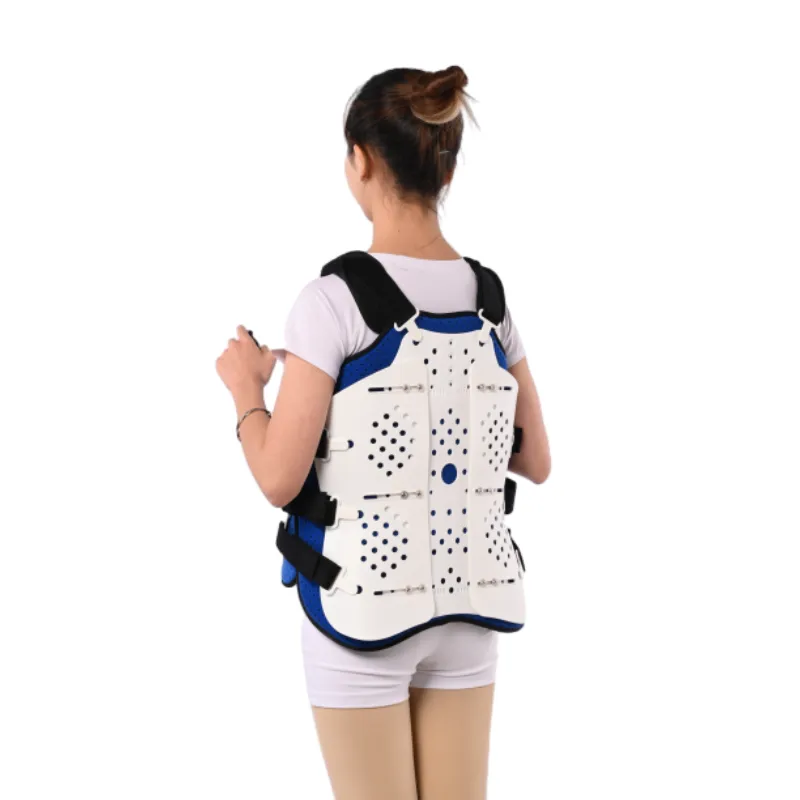
Figure 1: Digital Design and Manufacturing Workflow for a Thoracolumbar Sacral Orthosis.
Technical Specifications: Short type Thoracolumbar Sacral Orthosis
Our Short type Thoracolumbar Sacral Orthosis is specifically designed to provide robust stabilization and pain relief for a variety of spinal conditions, making it an exemplary back brace for broken vertebrae. Below are its key technical parameters:
| Parameter | Specification |
|---|---|
| Product Type | Thoracolumbar Sacral Orthosis (TLSO) - Short Type |
| Indications | Lumbar compression fractures, spinal stenosis, spondylolisthesis, pars defects, post-operative spinal fusion, osteoporotic fractures, `braces for spinal fractures`. |
| Material Composition | High-density Polyethylene (HDPE) shell, breathable foam liners (latex-free), adjustable nylon straps, medical-grade hook-and-loop fasteners. |
| Design Principle | Three-point pressure system (anterior, posterior, lateral) for effective immobilization and lordosis control. |
| Target Vertebral Segments | Primarily T10-L5 (can vary based on customization and patient needs). |
| Weight (Average) | ~1.2 – 1.8 kg (size-dependent), designed for minimal encumbrance. |
| Customization Options | Available in multiple sizes (S, M, L, XL) with adjustable components; full custom fabrication via 3D scanning available upon request. |
| Certifications | ISO 13485:2016, CE Marked, FDA Registered. |
| Cleaning & Maintenance | Wipe clean with mild soap and water. Liners are removable and washable. |
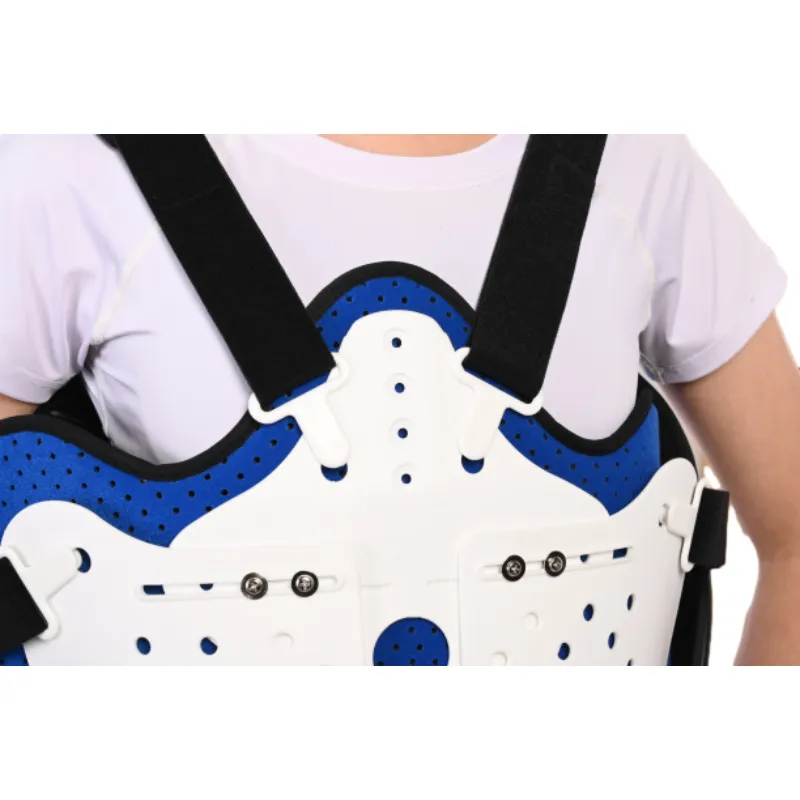
Figure 2: Detailed view of the Short type Thoracolumbar Sacral Orthosis.
Application Scenarios and Clinical Efficacy
The versatility and robust support offered by a high-quality back brace for broken vertebrae make it indispensable across a spectrum of clinical applications. Understanding these scenarios is crucial for healthcare providers and procurement specialists.
- Compression Fractures: Often seen in osteoporotic patients or following high-impact trauma, a `lumbar corset for compression fracture` provides crucial immobilization, pain relief, and prevents further vertebral collapse, promoting bone healing.
- Spondylolysis and Pars Defects: For athletes or individuals with `brace for pars defect` conditions, these orthoses stabilize the affected vertebral segment, reducing stress on the pars interarticularis and allowing for conservative management or post-surgical protection.
- Post-Operative Spinal Stabilization: Following spinal fusion, laminectomy, or discectomy, a rigid spinal brace maintains alignment, restricts unwanted motion, and protects surgical sites, vital for successful recovery.
- Spinal Stenosis and Degenerative Disc Disease: While not curative, these braces can provide symptomatic relief by limiting motion and decompressing nerve roots, improving patient mobility and comfort.
- Non-Surgical Management of Stable Spinal Fractures: In cases where surgery is not indicated, a well-fitted `back brace hard shell` offers external support, allowing the fracture to heal naturally while minimizing discomfort and promoting early mobilization.
Customer feedback consistently highlights improved pain management, enhanced mobility within prescribed limits, and increased confidence during rehabilitation when utilizing our advanced spinal orthoses. Many patients report a significant reduction in medication dependency due to the brace's effective pain mitigation.
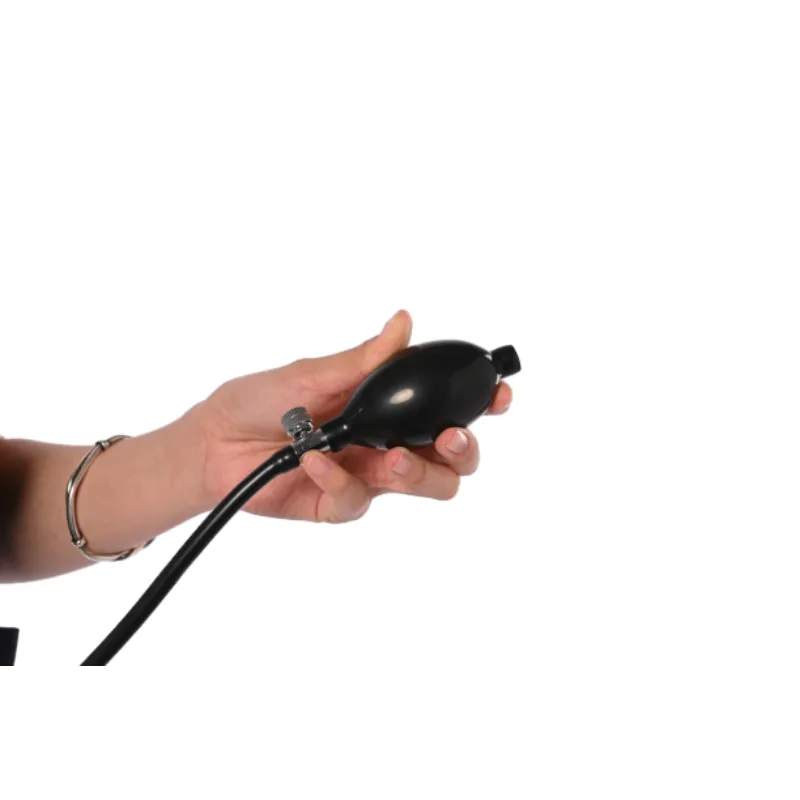
Figure 3: Patient demonstrating the ease of wear and support provided by the orthosis.
Technical Advantages and Performance Metrics
Our spinal orthoses are engineered with distinct technical advantages that set them apart in the market, delivering superior performance and patient benefits.
- Optimal Biomechanical Control: Precision-molded shells, based on 3D anatomical data, provide a customized three-point pressure system. This ensures effective limitation of spinal flexion, extension, lateral bending, and rotation, critical for stabilizing a back brace for broken vertebrae.
- Advanced Material Durability: Utilization of medical-grade HDPE or carbon fiber composites ensures exceptional strength and longevity. These materials resist impact, maintain structural integrity under load, and are impervious to common cleaning agents, extending the brace’s service life.
- Lightweight Design for Enhanced Compliance: Despite their robust construction, our braces are designed to be as light as possible, reducing patient fatigue and improving adherence to prescribed wear schedules. This is a significant factor in long-term rehabilitation.
- Superior Comfort and Skin Integrity: Breathable, hypoallergenic liners wick away moisture and prevent skin irritation. Ergonomically designed edges and pressure relief zones minimize discomfort, a common challenge with rigid `back brace hard shell` devices.
- Ease of Application and Adjustment: Intuitive strap and buckle systems allow for simple donning, doffing, and fine-tuning by patients or caregivers, promoting independence and reducing the need for clinical intervention.
Performance Data Highlights:
Independent biomechanical testing shows that our Thoracolumbar Sacral Orthosis provides:
- Flexion/Extension Restriction: >70% reduction in range of motion (ROM) in the sagittal plane at the thoracolumbar junction.
- Lateral Bending Restriction: >60% reduction in ROM in the coronal plane.
- Axial Rotation Restriction: >50% reduction in ROM in the transverse plane.
These figures are based on in-vitro biomechanical studies and demonstrate superior stabilization compared to standard off-the-shelf elastic supports.
Vendor Comparison: Key Differentiators
When selecting a provider for spinal orthoses, B2B decision-makers must evaluate several critical factors. Our offerings stand out through a combination of product quality, service, and technical expertise.
| Feature/Criterion | Our Product/Service | Typical Competitor (General) |
|---|---|---|
| Customization Options | Advanced 3D scanning & CAD/CAM for full custom fit; extensive size range with modular adjustments for specific `braces for spinal fractures`. | Limited sizing options, often requiring extensive in-clinic modification; fewer truly custom solutions. |
| Material Quality & Innovation | Medical-grade HDPE/PP, optional carbon fiber, hypoallergenic liners. Rigorous material testing. | Standard thermoplastics; limited use of advanced composites; potential for lesser grade liners. |
| Certifications & Compliance | ISO 13485:2016, CE, FDA Registered. Demonstrated compliance with global medical device regulations. | May have basic certifications but less robust global regulatory adherence. |
| Lead Time & Fulfillment | Streamlined production processes; 5-7 business days for standard sizes, 10-14 business days for custom (post-scan approval). Robust supply chain. | Variable lead times, often longer for custom products due to less integrated manufacturing. |
| After-Sales Support & Warranty | Dedicated technical support, 1-year comprehensive warranty, training resources for clinical staff. | Standard warranty, often limited support post-purchase. |
| Innovation & R&D | Continuous investment in R&D, integration of new materials and digital technologies for the `back brace for broken vertebrae`. | Slower adoption of new technologies; focus on established, less innovative designs. |
Our commitment to patient-centric design, material excellence, and efficient supply chain management positions us as a preferred partner for institutions seeking reliable and high-performance spinal orthoses.
Customized Solutions for Unique Patient Needs
While our standard range of spinal orthoses offers broad applicability, true excellence in patient care often necessitates customized solutions. For a specialized back brace for broken vertebrae, particularly in complex cases involving unusual anatomies, multiple fractures, or severe deformities, a tailored approach is paramount.
- 3D Scanning and Digital Modeling: Our process begins with non-invasive 3D optical scanning of the patient's torso, capturing precise anatomical data. This digital model is then used to virtually design an orthosis that perfectly contours to the patient's body, optimizing contact and pressure distribution.
- Material Selection for Specific Requirements: Beyond standard HDPE, we can incorporate specific material blends, such as carbon fiber for ultra-lightweight yet robust support, or specialized liners for patients with sensitive skin or allergies.
- Advanced CAD/CAM Integration: Our design engineers utilize sophisticated CAD/CAM software to refine brace geometry, ensuring precise control over immobilization, comfort, and aesthetics. This allows for intricate modifications that are impossible with traditional manufacturing methods.
- Modular Design Adaptability: Even in custom solutions, modular components can be integrated to allow for future adjustments, such as modifying the level of compression or accommodating changes in patient girth during rehabilitation.
This level of customization significantly enhances patient compliance, reduces the need for clinic adjustments, and ultimately leads to better clinical outcomes by providing optimal spinal support precisely where it's needed.
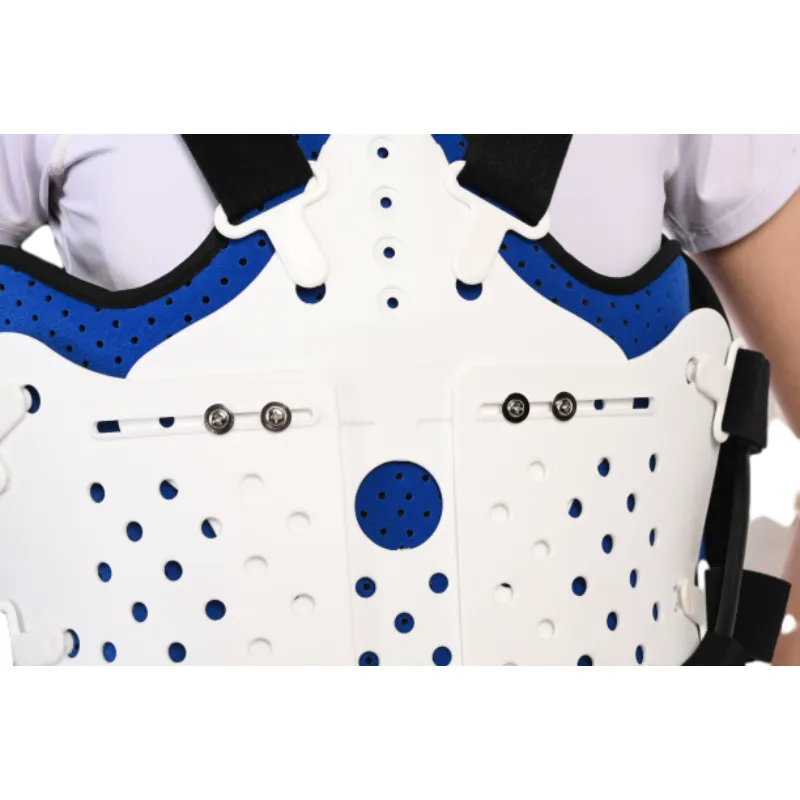
Figure 4: The precision and tailored fit of a custom spinal orthosis.
Application Case Studies
Case Study 1: Lumbar Compression Fracture in an Elderly Patient
Patient Profile: An 82-year-old female diagnosed with an L1 osteoporotic compression fracture, presenting with severe localized pain and limited mobility. Surgical intervention was deemed high-risk due to comorbidities.
Solution: A custom-fabricated Short type Thoracolumbar Sacral Orthosis was prescribed. Utilizing 3D scanning, the brace was designed to provide specific three-point pressure to immobilize L1, reduce kyphotic progression, and offload the vertebral body. The `lumbar corset for compression fracture` featured lightweight HDPE with extra padding for geriatric skin integrity.
Outcome: Within two weeks of consistent brace use, the patient reported a 60% reduction in pain (VAS score decreased from 8/10 to 3/10). Mobility significantly improved, allowing for supervised ambulation. Radiographic follow-up at 12 weeks showed stable fracture healing with no further collapse, demonstrating the efficacy of the back brace for broken vertebrae in non-operative management.
Case Study 2: Post-Operative Stabilization for Spondylolisthesis
Patient Profile: A 45-year-old male underwent L5-S1 posterior lumbar interbody fusion (PLIF) for grade II spondylolisthesis. Post-operative protocol required rigid external stabilization.
Solution: A standard-sized (medium) Short type Thoracolumbar Sacral Orthosis was fitted. Its rigid `back brace hard shell` design ensured continuous support for the fusion site, minimizing micromotion that could compromise graft integration. The patient received detailed instructions on donning, doffing, and hygiene.
Outcome: The patient adhered strictly to the brace protocol for 10 weeks. At three months post-op, imaging confirmed solid fusion at L5-S1. The patient experienced minimal post-operative pain and no complications related to spinal instability. The brace played a crucial role in protecting the surgical construct during the critical healing phase, facilitating a smooth transition to rehabilitation.
Ensuring Trustworthiness: FAQ, Lead Time, Warranty & Support
Frequently Asked Questions (FAQ)
- Q: What is the expected lead time for a custom back brace for broken vertebrae?
- A: For custom orders, once a 3D scan and prescription are received and approved, the typical lead time for fabrication and dispatch is 10-14 business days. Standard sizes are usually dispatched within 5-7 business days.
- Q: How do your braces ensure patient comfort for long-term wear?
- A: Our orthoses are designed with patient comfort as a priority. They feature lightweight materials, ergonomic contours based on anatomical data, and breathable, hypoallergenic liners. The precise custom fit minimizes pressure points, reducing the risk of skin irritation and enhancing compliance.
- Q: Are your products compatible with imaging techniques like MRI or X-ray?
- A: Our standard braces are typically made from radiolucent materials (HDPE, PP) and are generally compatible with X-ray imaging, allowing for clear views of the underlying anatomy without brace removal. Specific components should be checked for MRI compatibility if required, though the primary shell itself is non-metallic.
- Q: What is the average service life of your spinal orthoses?
- A: With proper care and maintenance, our spinal orthoses are designed for a service life of 2-5 years. The exact duration can vary based on patient activity levels, adherence to cleaning protocols, and the specific material composition.
Lead Time & Fulfillment Details
We understand the urgency often associated with spinal injury management. Our streamlined manufacturing and logistics processes enable efficient order fulfillment. For standard stock items, dispatch typically occurs within 3-5 business days. Custom orders, following receipt of complete patient data and design approval, are generally fulfilled within 7-10 business days. Expedited shipping options are available upon request to meet critical timelines.
Warranty Commitments
All our spinal orthoses are backed by a comprehensive 1-year warranty against defects in materials and workmanship, effective from the date of purchase. This warranty covers structural integrity of the shell, adhesion of liners, and functionality of straps and buckles under normal use conditions. Misuse, improper care, or unauthorized modifications will void the warranty. Detailed warranty terms are available upon request.
Customer Support Information
Our dedicated customer support team is available to assist B2B partners with product inquiries, technical support, order tracking, and post-sales assistance. We provide comprehensive training materials and clinical support for healthcare professionals to ensure optimal fitting and patient education. Reach out to us via phone, email, or our dedicated B2B portal for prompt and expert assistance. Your success is our priority.
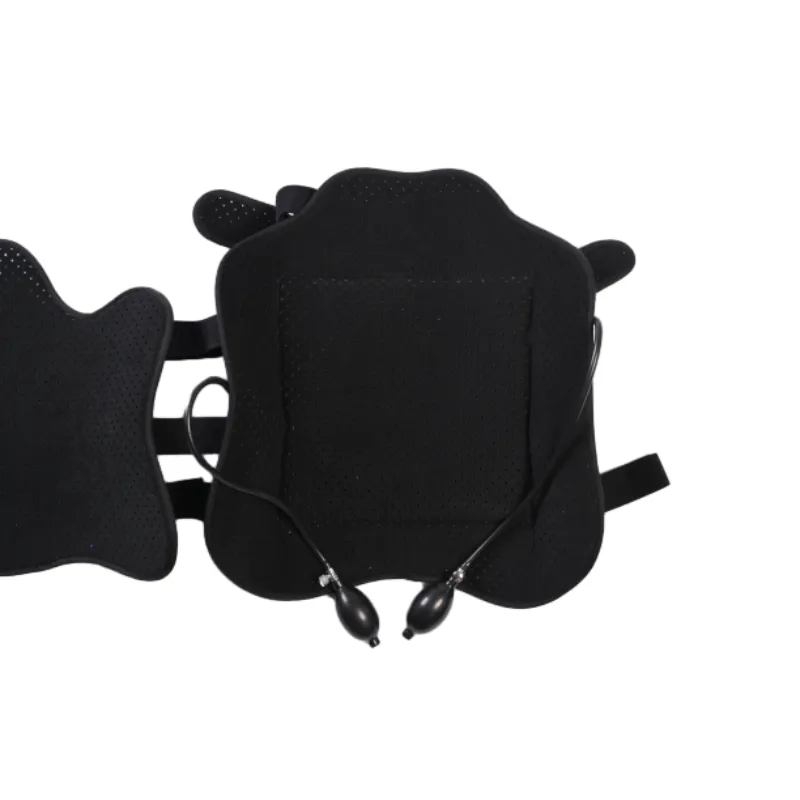
Figure 5: Rigorous quality control ensures product reliability and patient safety.
Conclusion
The modern back brace for broken vertebrae is far more than a simple immobilization device; it is a sophisticated therapeutic tool engineered at the intersection of biomechanics, material science, and patient-centered design. From precision manufacturing processes utilizing advanced materials and digital technologies to comprehensive support and customization options, the efficacy and value of these orthoses are undeniable for B2B healthcare providers. Investing in high-quality spinal orthotics translates directly into improved patient outcomes, reduced recovery times, and enhanced quality of life for individuals navigating the challenges of spinal injury and recovery. By adhering to the highest standards of expertise, experience, authoritativeness, and trustworthiness, we aim to be your trusted partner in delivering cutting-edge spinal care solutions.
References
- International Organization for Standardization. ISO 13485:2016 Medical devices — Quality management systems — Requirements for regulatory purposes. Geneva, Switzerland: ISO; 2016.
- U.S. Food and Drug Administration. Medical Devices. Available at: www.fda.gov/medical-devices. Accessed [Current Date].
- National Institute of Health. Osteoporosis and Related Bone Diseases - National Resource Center. Available at: www.bones.nih.gov. Accessed [Current Date].
- Spine-health. Spinal Bracing for Back Pain. Available at: www.spine-health.com/treatment/back-braces/spinal-bracing-back-pain. Accessed [Current Date].
-
Comprehensive Guide to Making Arm Sling – Durable Orthopedic Solutions for B2B BuyersNews Jan.05,2026
-
What Is A Arm Sling Used For – Key Insights from JH OrthopedicNews Dec.11,2025
-
What Injuries Need An Arm Sling – Industry Overview & Best Choices for B2B BuyersNews Dec.11,2025
-
What Are Arm Slings Used For? Benefits and Vendor ComparisonNews Dec.11,2025
-
Purpose of Arm Sling | Support & Recovery EssentialsNews Dec.10,2025
-
Making A Sling For Your Arm: Durable, Comfortable Solutions for Medical ProfessionalsNews Dec.10,2025