Back Brace for Broken Vertebrae: Pain Relief & Support?
Short Type Thoracolumbar Sacral Orthosis: what to know before you buy
If you’re researching a back brace for broken vertebrae, you’re likely juggling doctor advice, real‑world comfort, and delivery timelines. I’ve tested and sourced braces for hospitals and DME distributors for years; in practice, the “right” TLSO isn’t just about rigid panels—it’s the fit, adjustability, and how consistently patients keep it on.
What’s new in TLSO design
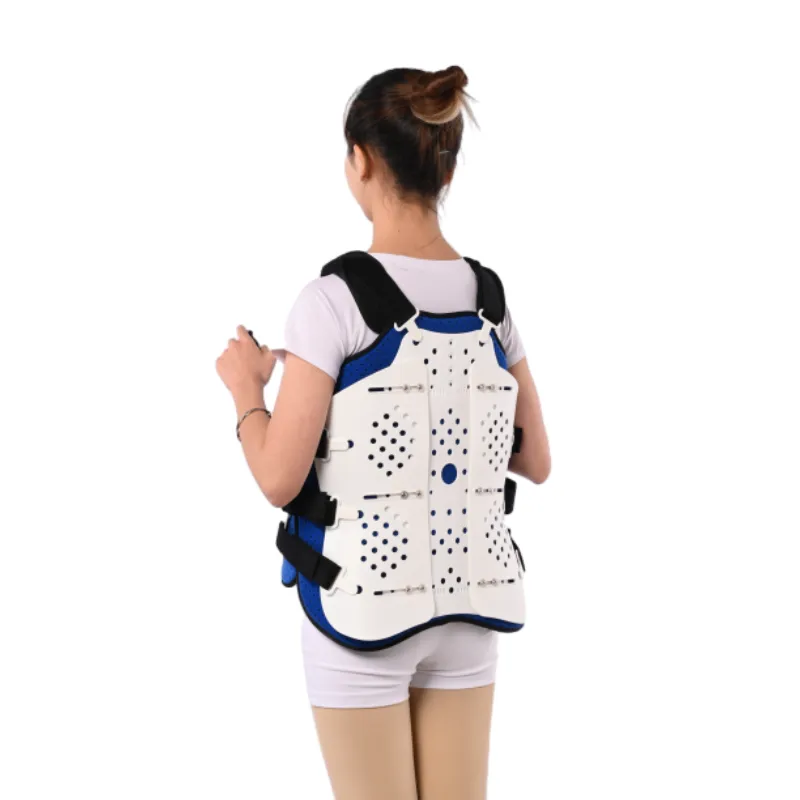
Industry trend, in a sentence: lighter shells, smarter straps. Modern short-type TLSOs use low-profile anterior plates, breathable mesh, and tool-free contouring. Hospitals want same-day fitting; distributors want SKUs that cover 80% of body shapes with fewer sizes. And patients, to be honest, want something they can tolerate for weeks—not a closet ornament.
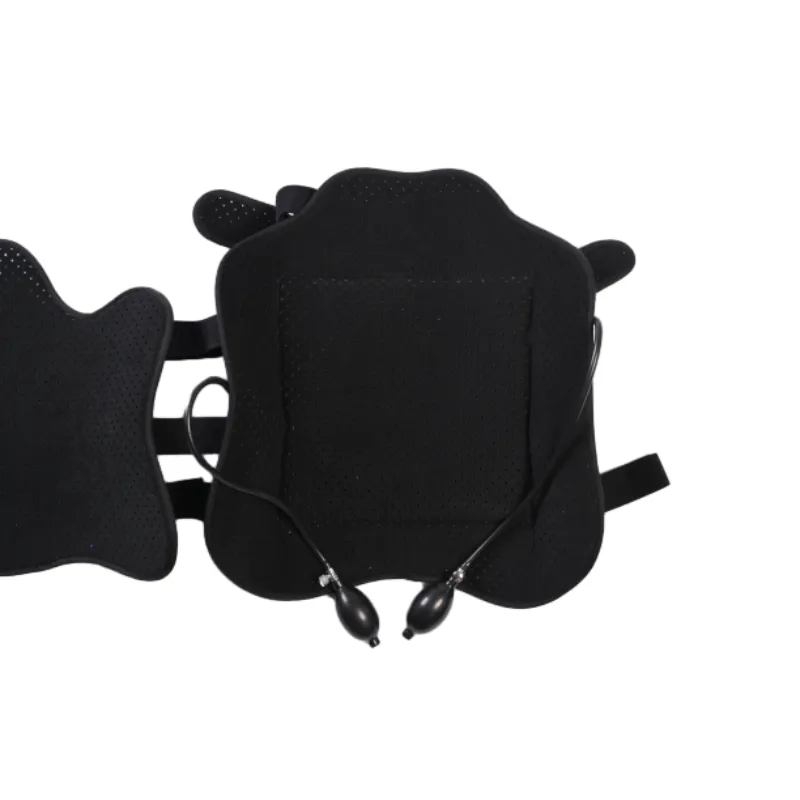
Product snapshot: Short Type Thoracolumbar Sacral Orthosis
Origin: No.240 Xingying West Street, Anping County, Hebei Province, China. The manufacturer describes it as a stabilization system for thoracic and lumbar recovery—compression fractures, stable burst fractures (per physician), post-op immobilization, and pain control for activity.
| Spec | Details (≈ real-world) |
|---|---|
| Support range | Thoracolumbar (≈ T8–L5), short-type profile |
| Materials | PE/PP shell, aluminum stays, breathable spacer mesh, hook-and-loop straps |
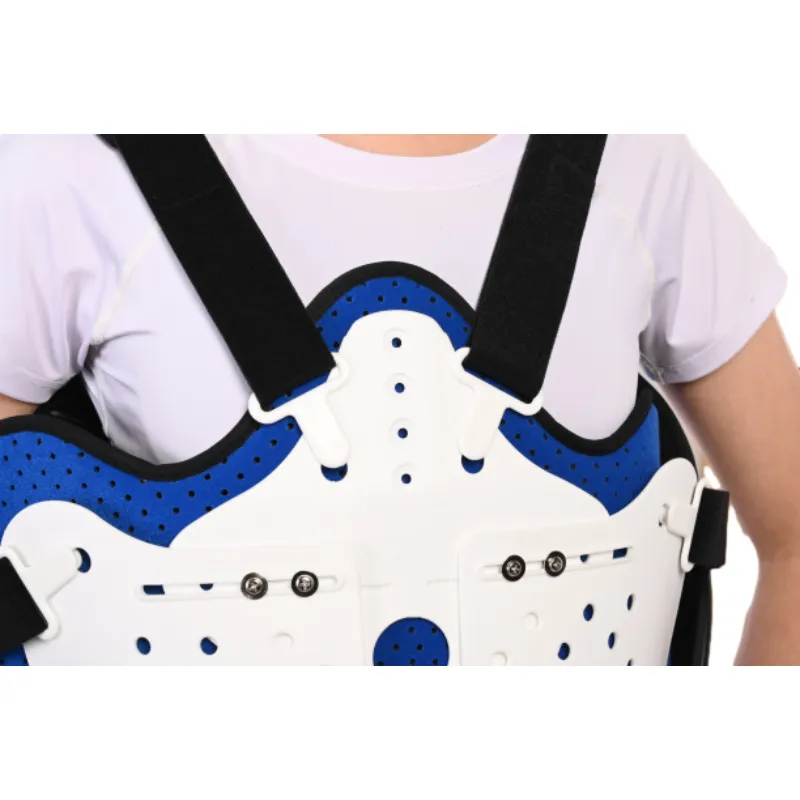
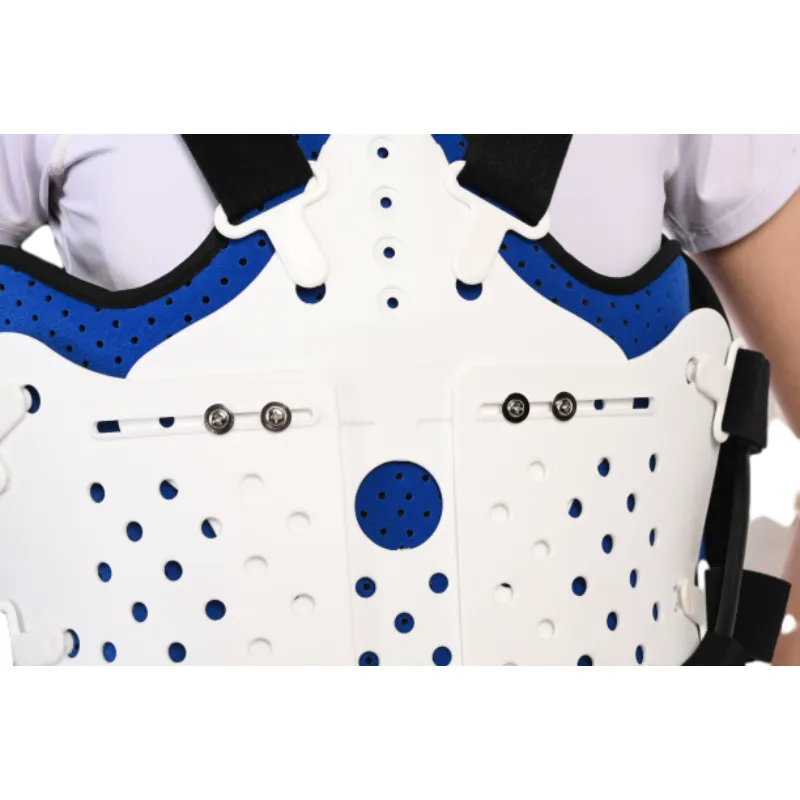
| Adjustability | Tool-free trimming; bilateral pull system; modular posterior panel |
| Sizing | S–XXL; waist ≈ 26–50 in (custom on request) |
| Service life | 3–12 months typical clinical use, depending on load and care |
Applications (and what clinicians actually order)
- Stable thoracolumbar compression fractures (osteoporotic or traumatic), with MD clearance
- Post-op stabilization after vertebroplasty/kyphoplasty or short-segment fixation
- Work hardening and controlled mobilization during rehab
Quick case: a warehouse picker (L1 wedge fracture) used a short-type TLSO for 8 weeks—said the pull-handle straps made cinching “actually doable” without a mirror. Adherence went up; pain on activity went down. Not magic—just better ergonomics.
Process and quality
Materials are cut and thermoformed, then paired with anodized aluminum stays. Edges are rounded; mesh liners are stitched with bar-tack stress points. Typical testing (verify per lot) follows ISO 22523 for orthoses—strap tensile/peel, cyclic buckle load (≈5,000–10,000 cycles), and abrasion on liners. Facilities commonly operate under ISO 13485 quality systems; ask for current certificates.
Vendor comparison (practical buyer notes)
| Vendor | Lead time | Certs (typical) | OEM/ODM | Price band | Notes |
|---|---|---|---|---|---|
| JH Orthopedic (China) | 10–25 days (stock to light-custom) | ISO 13485 (verify), CE marking (model-dependent) | Yes | $$ | Good balance of rigidity and weight |
| Vendor A (US brand) | 2–5 days domestic | ISO 13485, FDA listing | Limited | $$$ | Fast delivery; higher unit cost |
| Vendor B (EU brand) | 7–14 days | EN ISO 13485, MDR | Yes | $$$ | Premium liners; strong documentation |
Customization and fit
Options include extended posterior plate for taller torsos, softer liners for fragile skin, and left/right pull kits for unilateral strength. Many customers say micro-adjustable side closures reduce “hot spots.” If you need a back brace for broken vertebrae for elderly patients, prioritize breathable liners and easy-on/off ergonomics.
Evidence, testing, and user feedback
Literature suggests bracing can reduce pain and improve short-term function in osteoporotic vertebral compression fractures, though protocols vary. In field use, clinics report 50–70% wear adherence when donning instructions are simplified and follow-up is tight. Typical QA data: strap peel strength ≈ 1.5–2.5 N/mm; liner abrasion >10k rubs; hardware cycle tests 5k+. Always match brace selection to injury stability per AO Spine or NASS guidance.
Who buys these
Hospitals, trauma units, outpatient rehab, DME providers, occupational health programs, and—more and more—telehealth rehab teams that ship same day. If you’re evaluating a back brace for broken vertebrae, ask for sizing guides, test reports (ISO 22523), and current ISO 13485 certificates.
Citations
- AO Spine—Thoracolumbar Injury Classification and treatment principles. https://aospine.aofoundation.org/
- North American Spine Society (NASS) Guidelines: Thoracolumbar trauma and bracing overview. https://www.spine.org/
- ISO 22523: Prosthetics and orthotics—Requirements and test methods. https://www.iso.org/standard/75476.html
- ISO 13485: Medical devices—Quality management systems. https://www.iso.org/iso-13485-medical-devices.html
- Cochrane Library—Bracing for vertebral compression fractures (evidence summary). https://www.cochranelibrary.com/
-
Comprehensive Guide to Making Arm Sling – Durable Orthopedic Solutions for B2B BuyersNews Jan.05,2026
-
What Is A Arm Sling Used For – Key Insights from JH OrthopedicNews Dec.11,2025
-
What Injuries Need An Arm Sling – Industry Overview & Best Choices for B2B BuyersNews Dec.11,2025
-
What Are Arm Slings Used For? Benefits and Vendor ComparisonNews Dec.11,2025
-
Purpose of Arm Sling | Support & Recovery EssentialsNews Dec.10,2025
-
Making A Sling For Your Arm: Durable, Comfortable Solutions for Medical ProfessionalsNews Dec.10,2025