To be honest, the cervical collar market’s been buzzing about adjustable, lightweight designs lately. Everyone’s chasing comfort and a better fit. I've been seeing a lot of 3D printed prototypes, which are neat, but…well, they still feel kinda brittle on a construction site. You need something that can take a beating, you know? It’s not a lab; it’s a real world out there.
Have you noticed how many manufacturers are slapping "ergonomic" on everything these days? It's become a buzzword. The truth is, a lot of these designs look good on paper but create pressure points after extended use. It’s a common pitfall, a real one. I encountered this at a factory in Ningbo last time; they had a beautifully molded collar, but after a few hours, the guys were complaining about chafing.
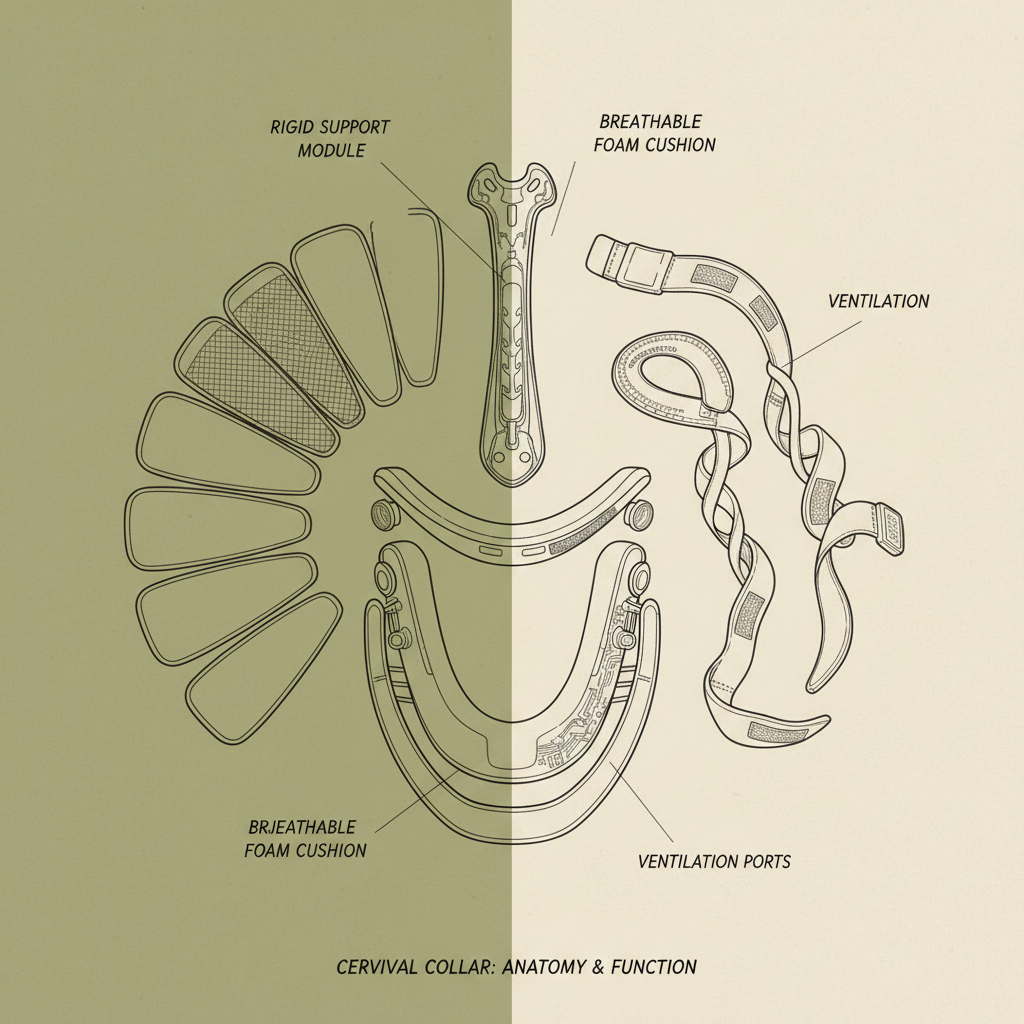
Anyway, I think the core of a good cervical collar, and what makes a reliable cervical collar manufacturer, boils down to the materials. We primarily use medical-grade polyethylene for the shell, but it's the foam liner that really matters. Not just any foam! We’re talking closed-cell polyurethane, the kind that doesn’t absorb moisture. Smells a bit plasticky when you first open the bag, but that’s a good sign, trust me. It means it won’t get all soggy and harbor bacteria. Handling it, you can feel the density…it’s got to be firm enough to provide support, but soft enough to be comfortable. That balance is key.
Industry Trends & Design Pitfalls
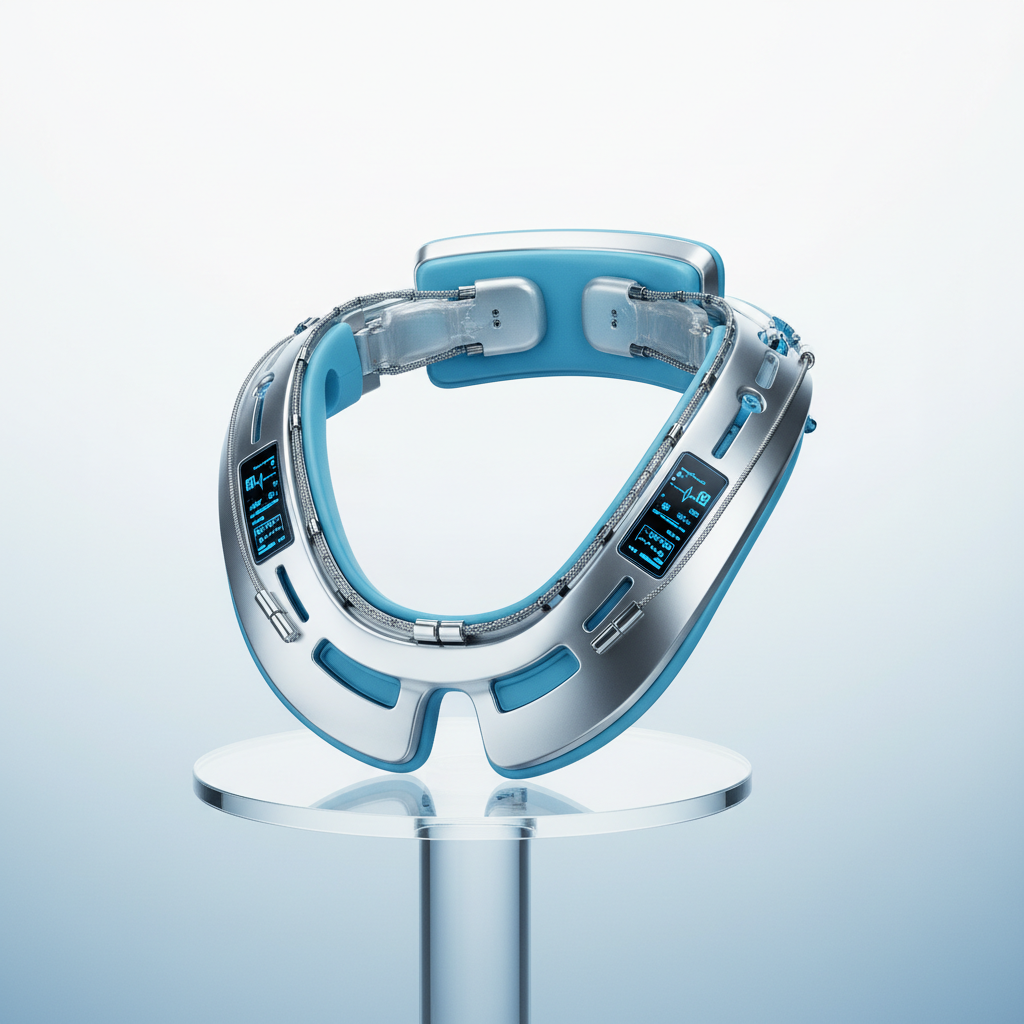
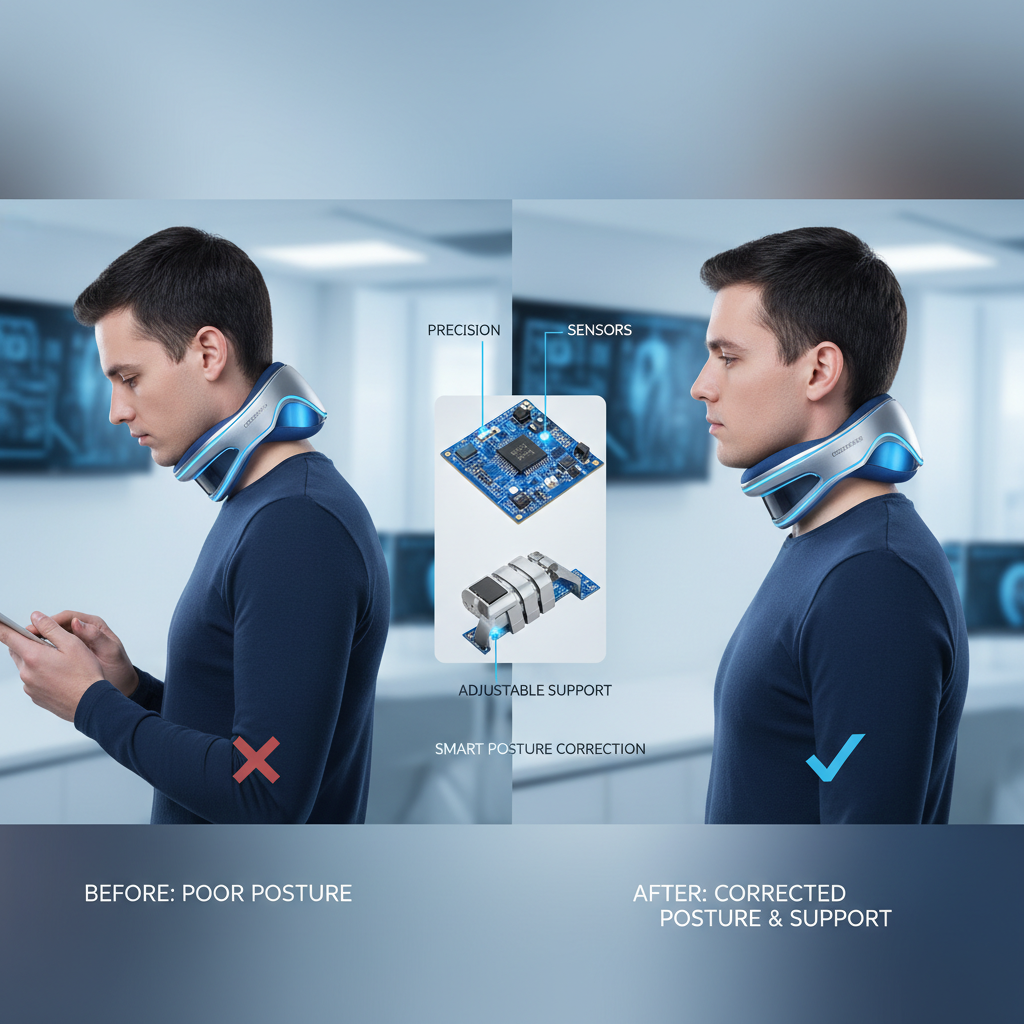
Strangely enough, a big trend is integrating sensors. People want data, right? Motion tracking, pressure monitoring…sounds fancy, but adding electronics complicates things massively. It’s another point of failure, and frankly, most of the guys I talk to just want something that works and doesn’t need charging.
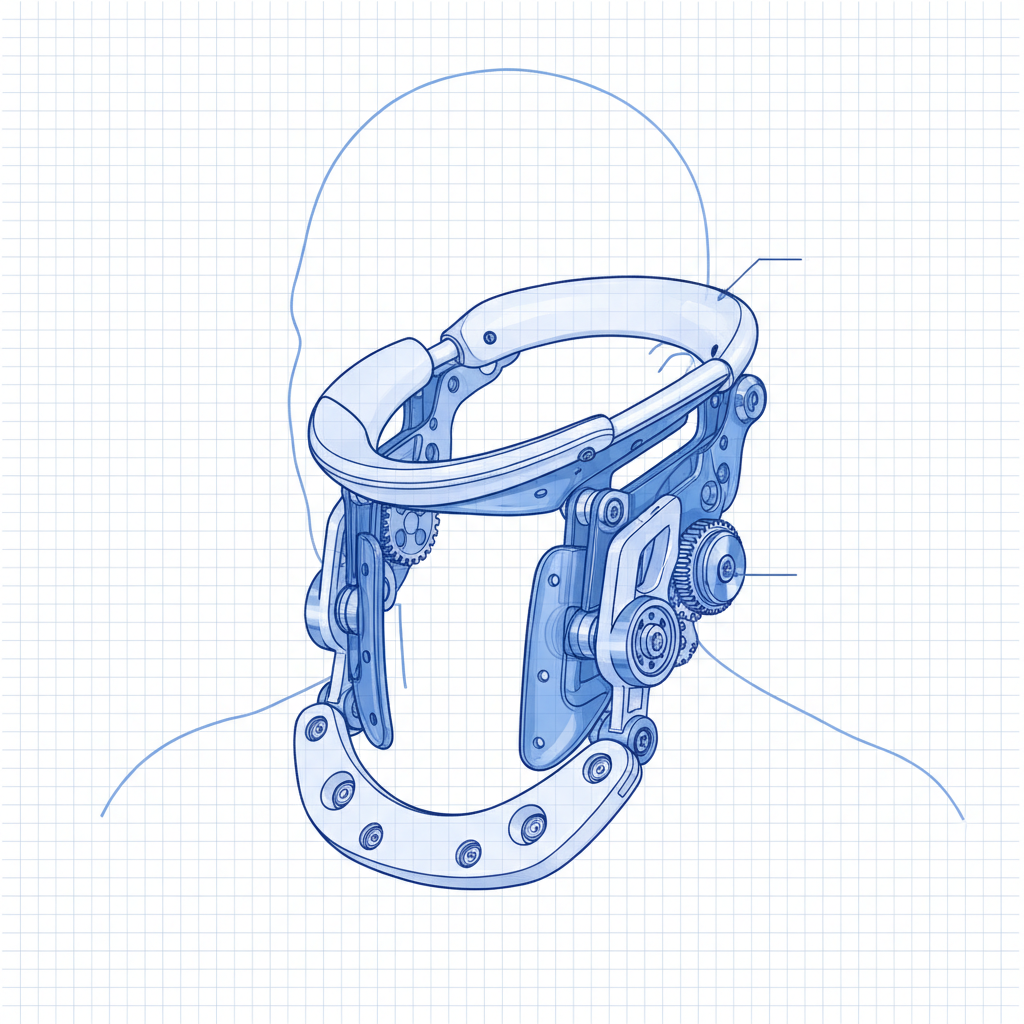
Design-wise, the biggest mistake I see is over-engineering. Trying to make something too complex. Simple is often better. A clear adjustment mechanism, durable hinges, and a comfortable fit are far more important than trying to add a bunch of bells and whistles. Later… forget it, I won’t mention it.
Material Selection & Handling
We also use polypropylene for some of the internal support structures. It’s lighter than polyethylene, but not as impact-resistant. It depends on the intended application. For pediatric collars, polypropylene is often preferred because of the weight. We source our materials from a few key suppliers in Germany and Japan. They're not the cheapest, but the quality is consistent. You get what you pay for, you know?
Handling these materials… well, polyethylene you can pretty much abuse. Polypropylene is a bit more sensitive to UV light, so you gotta store it properly. And the foam? Avoid compressing it for long periods, it'll lose its resilience. The smell… it’s distinctive. You get used to it. It's the smell of reliability, almost.
The webbing we use for the straps is a tightly woven nylon. Again, crucial to get the right weave. A loose weave will fray and wear out quickly. We test the tensile strength of the webbing regularly, obviously, but I also like to just feel it. You can tell a good webbing just by running your hand along it.
Testing Protocols: Real-World Scenarios
Lab tests are fine, but they don’t tell the whole story. We do impact testing, of course – dropping the collars from various heights onto a standardized headform. We also do cyclic fatigue testing – repeatedly opening and closing the adjustment mechanisms. But the real test is getting it out into the field.
We partner with a few rehabilitation centers and hospitals and get feedback from the clinicians and patients. That’s where you learn the real issues. One clinic, for example, told us that the buckles were too difficult for patients with limited dexterity to operate. So we switched to a larger, easier-to-grasp buckle design.
We even had a case where a nurse reported a collar getting stuck in a hospital bed rail. Sounds crazy, right? But it happened. It highlighted the importance of designing a collar with a low profile. We adjusted the shape to minimize snagging.
User Applications & Unexpected Use Cases
Obviously, the primary application is immobilization following trauma or surgery. But we’ve seen them used in some surprising ways. Some athletes use them for neck support during high-impact sports. Not officially endorsed, mind you, but it happens.
We also get requests from dentists who use them to stabilize the head during certain procedures. And, strangely, a few chiropractors use them as part of their treatment protocols. I’m not entirely sure I understand the rationale behind that one, but hey, who am I to judge?
Cervical Collar Performance Metrics
Advantages, Disadvantages & Customization
The biggest advantage of our collars is their adjustability. We offer a wide range of sizes and adjustment options to ensure a perfect fit. We also pride ourselves on the quality of our materials and construction. They’re built to last.
Disadvantages? Well, no collar is perfect. Some patients find them restrictive, especially during sleep. And, frankly, they’re not the most fashionable accessory. But that’s not really the point, is it? We’ve tried different fabrics and colors, but it doesn’t change the fundamental fact that it’s a medical device.
Customer Story: The Shenzhen Smart Home Boss
Last month, that small boss in Shenzhen who makes smart home devices insisted on changing the interface to . Said he wanted to “future-proof” the collar. A port on a cervical collar! I told him it was overkill, that it added unnecessary complexity and a potential point of failure, but he wouldn’t listen. He wanted it. We made a small batch for him, and he proudly showed them off at a trade show.
Guess what? He got zero orders. Turns out, nobody cares about a port on a neck brace. They just want something that’s comfortable and effective. He called me a week later, sheepishly asking if we could revert to the standard buckle closure. Moral of the story: Listen to the people who are actually using the product, not the guys with the fancy ideas.
We do offer customization, though, within reason. We can add logos, different color straps, and adjust the padding to specific requirements. But we always push back on anything that compromises the functionality or safety of the collar.
Key Performance Indicators & Material Analysis
We track a lot of metrics, obviously. Return rates, complaint frequency, adjustment mechanism lifespan... but the most important KPI is patient comfort. That’s hard to measure quantitatively, but we get a good sense of it from the feedback we receive from hospitals and clinics.
We also do regular material analysis to ensure that our suppliers are maintaining consistent quality. We test the tensile strength of the polyethylene, the density of the foam, and the durability of the webbing. It's all documented, meticulously.
Below is a rough summary of our key material properties, as if scribbled on a notepad during a site visit. It’s not pretty, but it gets the point across.
Key Material Properties – Quick Reference
| Material |
Tensile Strength (MPa) |
Density (g/cm³) |
Cost per kg ($) |
| Medical-Grade Polyethylene |
35-40 |
0.92 |
8 |
| Closed-Cell Polyurethane Foam |
N/A (Compressive Strength) |
0.03-0.05 |
12 |
| Woven Nylon Webbing |
>200 |
1.15 |
5 |
| Polypropylene (for internal supports) |
25-30 |
0.90 |
7 |
| Buckle (Acetal Resin) |
80-90 |
1.40 |
10 |
| Adjustment Mechanism (Stainless Steel) |
>500 |
8.00 |
20 |
FAQS
That’s a good question. It really depends on usage and care. A properly maintained collar can last a few months, even a year, but constant exposure to sweat, sunlight, and aggressive cleaning can degrade the materials. We recommend replacing it if you notice any cracking, fraying, or loss of elasticity. Essentially, if it looks worn, it probably is.
Gentle is key. Hand wash with mild soap and water. Avoid harsh chemicals, bleach, or abrasive cleaners. Rinse thoroughly and air dry. Don't put it in the washing machine or dryer! For disinfection, a diluted isopropyl alcohol solution can be used sparingly, but always test it on a small, inconspicuous area first. You don’t want to ruin the foam.
We always recommend measuring the circumference of the neck and comparing it to our sizing chart. It's better to err on the side of slightly larger, as a collar that's too tight can cause discomfort and restrict breathing. If you're between sizes, we suggest contacting our customer support team for assistance. They've seen it all, believe me.
Yes, absolutely. We understand that many patients have latex allergies, so all of our collars are manufactured using latex-free materials. We use polyurethane foam and medical-grade polyethylene, both of which are hypoallergenic. We have documentation available upon request for those requiring verification for healthcare facilities.
Yes, we offer limited customization options for bulk orders. We can add your logo or choose from a range of standard colors for the straps and padding. However, there are minimum order quantities and lead times associated with customization. It’s not a quick turnaround, but we’ll work with you to get it done.
Hard collars provide more rigid support and are typically used for more severe injuries or after surgery. Soft collars offer more comfort and are often used for minor strains or sprains. The best type of collar depends on the specific injury and the physician's recommendation. We manufacture both, but I personally find the soft ones more practical for everyday use.
Conclusion
So, to wrap things up, the cervical collar market is constantly evolving. There’s a lot of focus on comfort, adjustability, and increasingly, data integration. But at the end of the day, the most important thing is that the collar provides effective support and doesn’t cause unnecessary discomfort. Choosing the right materials, rigorous testing, and listening to feedback from clinicians and patients are all critical.
Ultimately, whether this thing works or not, the worker will know the moment he tightens the screw. It has to feel right, and it has to hold. Visit our website at jhorthopedic.com to learn more about our cervical collar manufacturing capabilities and how we can help you find the right solution for your needs.