Cervical Collar Models Available for Immediate Sale
In the rapidly evolving landscape of healthcare and medical supply distribution, the ability to provide immediate access to certified and clinically validated cervical collar models is not merely a logistical advantage—it is a fundamental component of patient care readiness and institutional resilience. For hospitals, emergency medical services (EMS), rehabilitation centers, orthopedic clinics, and distributors serving these critical sectors, the availability of cervical collar models available for immediate sale represents a direct link between supply chain efficiency and clinical outcomes. A delayed or unavailable cervical collar for sale during a trauma case, post-operative recovery, or chronic condition management can have significant implications. Therefore, partnering with a supplier that maintains a comprehensive, multi-model inventory ready for immediate sale transforms a basic procurement function into a strategic asset for any healthcare provider or medical reseller.
The contemporary healthcare environment demands agility. From emergency departments requiring instant access to rigid cervical collars for spinal immobilization to sports medicine facilities seeking adjustable neck braces for sale for athlete recovery, the needs are diverse and time-sensitive. This complexity is compounded by factors such as varied patient demographics (pediatric to geriatric), specific injury protocols (whiplash vs. post-surgical stabilization), and the growing emphasis on outpatient and home-care settings. A supplier’s catalog of cervical collar models available for immediate sale must reflect this sophistication. It is no longer sufficient to offer one or two standard sizes. The inventory must encompass a spectrum: from one-piece, non-adjustable hard collars used in acute trauma to multi-piece, height-adjustable models for precise fit, and soft foam collars for comfort and mild support. Each model serves a distinct clinical purpose, and immediate availability ensures the right tool is always at hand for the medical professional.
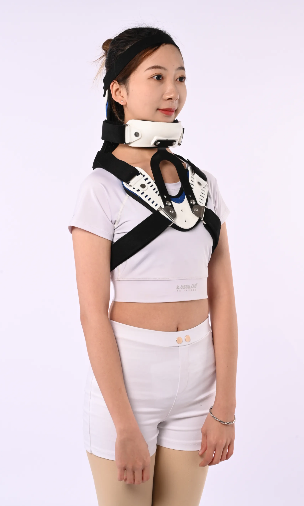
Understanding the Spectrum: Essential Cervical Collar Models for Immediate Sale
Building a reliable supply chain begins with a deep understanding of the product ecosystem. A supplier claiming to have cervical collar models available for immediate sale must stock a range that addresses the full continuum of care. This spectrum is defined by material, design, intended use, and adjustability. At the foundation are the rigid cervical collars, typically made from firm polyethylene or similar plastics. These are the first-line devices for suspected cervical spine injuries in pre-hospital and emergency settings. Their primary function is immobilization to prevent further neurological damage. Immediate availability of these models, in a range of sizes from pediatric to large adult, is non-negotiable for any supplier serving hospitals or EMS.
The next critical category is the semi-rigid or adjustable cervical collar. These models often feature a two-piece design with a rigid plastic front and back, connected by adjustable straps. They allow for a more customized fit and are frequently used in sub-acute phases, for postoperative care, or for conditions requiring stable yet somewhat customizable support. When medical distributors evaluate a supplier's cervical collar for sale portfolio, the variety within this adjustable category—including options with different heights, chin comfort designs, and occipital cutouts—is a key indicator of depth. Furthermore, the market for neck braces for sale also includes soft cervical collars, often made from foam with a cloth cover. While not for spinal immobilization, they provide proprioceptive feedback, mild support, and comfort for patients with strains, chronic conditions like arthritis, or during certain stages of rehabilitation. A complete inventory of cervical collar models available for immediate sale strategically includes these soft options to cater to outpatient clinics, physiotherapy centers, and retail home-care markets.
The Strategic Imperative for Distributors: Stocking Cervical Collars for Immediate Sale
For medical device distributors and wholesalers, the decision to maintain extensive stock of cervical collar for sale is a calculated strategic move with direct financial and reputational benefits. In this competitive sector, service differentiation is paramount. The ability to guarantee immediate sale and dispatch of a required cervical collar model provides a powerful competitive edge over suppliers who operate on long lead times or "upon-order" manufacturing. This capability directly addresses a major pain point for end clients: the urgent, often unpredictable, need for medical devices.
Maintaining a portfolio of cervical collar models available for immediate sale does more than just fulfill orders quickly. It builds trust and reliability. A hospital procurement officer who knows they can call and receive a specific model of a rigid cervical collar within 24 hours is far more likely to consolidate their purchasing with that distributor. This reliability translates into larger contracts, repeat business, and preferred supplier status. Moreover, it allows distributors to offer value-added services. For instance, they can provide inventory management solutions for large hospital groups, using their own ready stock as a buffer to smooth out the hospital's supply chain fluctuations. By promoting a comprehensive range of neck braces for sale with guaranteed availability, distributors position themselves not as mere middlemen, but as essential partners in the healthcare delivery system, sharing the burden of supply chain risk management with their clients.
Navigating Quality and Compliance in Cervical Collars for Sale
The phrase "available for immediate sale" must be underpinned by an uncompromising commitment to quality and regulatory compliance. This is especially critical for cervical collars, which are Class I medical devices in most jurisdictions and are subject to stringent standards regarding biocompatibility, structural integrity, and performance. A reputable supplier's inventory of cervical collar models available for immediate sale should consist exclusively of products that carry relevant certifications—such as the CE mark for Europe, FDA clearance for the United States, or other regional regulatory approvals. Each model for sale must be traceable to its manufacturer and accompanied by a Declaration of Conformity.
Quality extends beyond paperwork to the physical product attributes. When evaluating a cervical collar for sale, key considerations include the durability of materials (resistance to cracking, fraying), the security and ease of use of fastening systems (reliable Velcro or buckle systems), and the hygiene of materials (easy to clean, non-irritating). For adjustable models, the mechanism must allow for secure and precise height adjustment without slippage during use. A supplier that can articulate these quality differentiators for each model in their immediate sale inventory demonstrates a higher level of expertise. They assure their clients that the neck braces for sale are not only available quickly but are also safe, effective, and manufactured to the highest standards. This dual guarantee of speed and quality is what separates leading suppliers from the rest.
Expanding Market Reach: The Versatility of Neck Braces for Sale
While the term cervical collar often connotes acute medical use, the broader category of neck braces for sale caters to a significantly expanded market. A forward-thinking supplier recognizes this and curates their immediate sale inventory accordingly. Beyond hospital emergency rooms, there is substantial demand from sports medicine professionals treating athletes with cervical strains, from occupational health clinics addressing work-related musculoskeletal disorders, and from the growing direct-to-consumer channel where individuals seek support for chronic neck pain or postural correction.
This market expansion requires a diversified product strategy within the neck braces for sale category. This includes specialized models like ergonomic travel pillows with structured support, low-profile soft collars designed to be worn discreetly under clothing, and heated or massaging variants for pain management and muscle relaxation. By including such models in the portfolio of products available for immediate sale, a supplier taps into new revenue streams and client bases. For example, a distributor supplying a chain of physiotherapy clinics can offer not only the standard post-injury cervical collar but also a range of supportive neck braces for sale that patients can purchase for continued home care. This approach transforms a single transaction into a comprehensive solution, increasing the average order value and strengthening the business relationship. It demonstrates an understanding that patient care extends beyond the clinic, and the supply chain should support that continuum.
About Cervical Collars and Neck Braces for Sale FAQs
What are the primary advantages of sourcing cervical collar models available for immediate sale?
The advantages are operational,clinical, and financial. Operationally, it eliminates procurement delays, ensuring healthcare facilities can maintain treatment continuity without interruption due to equipment unavailability. It streamlines inventory management for distributors and end-users alike. Clinically, immediate access ensures the correct cervical collar is applied at the right time, which is crucial in trauma and post-surgical scenarios to optimize patient outcomes and safety. It allows clinicians to focus on care, not logistics. Financially, it reduces the hidden costs of stockouts—such as delayed procedures, extended hospital stays, or the need for expensive emergency shipments from alternative suppliers. For distributors, offering cervical collar models available for immediate sale enhances customer loyalty, minimizes lost sales, and justifies premium service offerings.
How can I verify the quality and compliance of cervical collars for sale from a new supplier?
Due diligence is essential.First, request and scrutinize regulatory documentation for each model: CE certificates, FDA 510(k) clearance numbers, or other regional approvals. Verify these with the issuing bodies if possible. Second, ask for technical specifications and test reports, particularly for load-bearing capacity, material biocompatibility (ISO 10993), and durability under simulated use. Third, request physical samples before placing a large order. Evaluate the build quality, comfort of edges, strength of straps, and ease of adjustment. Fourth, inquire about the manufacturer's reputation and history. A supplier representing well-established, reputable manufacturers is generally a safer bet. Finally, check if the supplier has a robust quality management system themselves (e.g., ISO 13485 certification), which governs how they handle, store, and distribute these medical devices.
What range of sizes and types should I expect in a comprehensive neck braces for sale inventory?
A comprehensive inventory forimmediate sale should offer a complete solution matrix. For rigid cervical collars, expect a full size range: Pediatric/Youth, Small, Medium, Large, and Extra-Large to accommodate all patient anatomies. For adjustable two-piece collars, look for models that offer a wide range of height adjustments (e.g., 3-5 inches of adjustability) within a single size or across multiple base sizes. Regarding types, the inventory must include: Hard Collars (for maximal immobilization), Semi-Rigid/Adjustable Collars (for customized fit and sub-acute care), Soft Foam Collars (for comfort and mild support), and potentially Specialized Models (pediatric-specific designs, extended-wear models with enhanced padding, or open-front designs for tracheostomy patients). A supplier with this depth ensures you can meet any clinical or consumer request without delay.
Are there specific features I should prioritize when selecting cervical collar models for my inventory?
Yes,prioritize features that enhance clinical efficacy, patient comfort, and usability. For clinical efficacy: look for designs with radiotranslucency, secure and simple locking mechanisms that won't fail, and anatomical shaping that provides proper occipital and mandibular support. For patient comfort: prioritize models with soft, breathable liners, padded chin and jaw supports, and smooth, rounded edges to prevent skin irritation during prolonged wear. For usability (important for clinicians and patients): features like quick-release mechanisms for emergency removal, color-coded sizing for easy identification, and clear, waterproof fitting instructions printed on the collar itself are highly valuable. Selecting models with these features from your supplier's cervical collar for sale list will result in higher end-user satisfaction and fewer complications.
Why is it crucial to have a supplier that offers both cervical collars and related neck braces for sale?
It is crucial because it reflects aholistic understanding of patient care pathways and provides supply chain efficiency. A patient's journey often progresses from acute injury (requiring a rigid cervical collar) to rehabilitation (requiring an adjustable or soft neck brace). A supplier that can provide all necessary products throughout this continuum offers unmatched convenience. It allows a hospital, clinic, or distributor to source from a single, reliable partner, simplifying procurement, consolidating shipments, and building a stronger business relationship. This "one-stop-shop" capability for cervical collar models available for immediate sale and related neck braces for sale reduces administrative overhead, minimizes the risk of compatibility or quality issues from multiple vendors, and ensures consistent product performance and support across the entire treatment timeline. It positions the supplier as a true solutions provider in the musculoskeletal support sector.
-
Thumb Spica Belt Guide for Thumb Stabilization and RecoveryNews Apr.16,2026
-
Soft Thumb Spica Guide for Effective Thumb Stabilization and HealingNews Apr.09,2026
-
Comprehensive Guide to Hand Spica Casts for Effective Injury RecoveryNews Apr.07,2026
-
Benefits of a Custom Thumb Spica for Optimal Hand RecoveryNews Apr.04,2026
-
Experience Ultimate Comfort Cool Thumb Spica for Wrist and Thumb SupportNews Mar.31,2026
-
Comprehensive Guide to Choosing the Right Youth Thumb Splint for Effective HealingNews Mar.28,2026