Choosing the Best Back Brace Lumbo Active Support
For millions, lower back pain is an unwelcome, persistent companion. It can turn a simple bend into a wince, a long drive into an ordeal, and a productive day into a struggle for comfort. In the quest for relief, many turn to supportive devices, but not all are created equal. The modern solution transcends the stiff, medical-looking braces of the past. Enter the era of the back brace lumbo active a sophisticated fusion of therapeutic support and dynamic design engineered for the moving, living body. This is not about confinement; it’s about empowerment.
Choosing the right support means finding a partner that aligns with your lifestyle, whether you’re recovering from an injury, managing a chronic condition, or proactively safeguarding your spine during physical activity. This guide will illuminate the path to selecting the ideal brace lumbar support, focusing on the innovative features that make modern back brace lower solutions a game-changer for daily life and active pursuits.
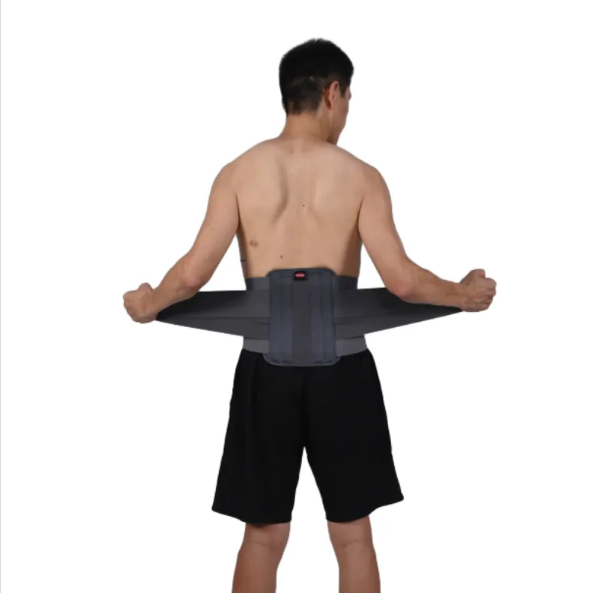
Understanding Your Core: The Science Behind Back Brace Lower Support
The lumbar region, your lower back, is your body's central powerhouse. It bears the brunt of your weight, facilitates twisting and bending, and is the anchor for almost every major movement. When its intricate structure of vertebrae, discs, muscles, and ligaments is strained, the result is often pain, stiffness, and limited mobility. A high-quality brace lumbar device works on several scientific principles to address these issues.
Primarily, it provides external stabilization. By gently compressing and supporting the midsection, a back brace lower support acts like an extra layer of muscle and ligament, reducing the load on the spinal structures themselves. This stabilization is crucial for preventing harmful movements, such as hyperextension or excessive flexion, that can exacerbate pain or injury. Furthermore, a well-designed brace offers proprioceptive feedback. This means it constantly reminds your brain about the position and alignment of your back, encouraging you to maintain better, safer posture unconsciously throughout the day. This combination of physical support and neurological cueing helps alleviate pressure on discs and facet joints, promotes proper spinal alignment, and can significantly reduce muscle fatigue. Ultimately, the right back brace lumbo active support doesn't just treat pain; it helps retrain your body to move in a healthier, more sustainable way.
Key Features of a Modern Back Brace Lumbo Active Design
Gone are the days of one-size-fits-all, cumbersome braces. Today's premier back brace lumbo active models are marvels of ergonomic engineering, designed for comfort, efficacy, and discretion under clothing. When evaluating options, several key features separate adequate support from exceptional support.
First and foremost is material and breathability. A brace meant for all-day wear or activity must be constructed from high-quality, breathable fabrics. Look for materials that wick moisture away from the skin, preventing heat and sweat buildup that can lead to discomfort and skin irritation. Next, consider the ergonomic contouring and adjustability. The best brace lumbar supports are not flat panels; they are sculpted to mirror the natural inward curve (lordosis) of your lower back. This anatomical fit ensures the support is applied precisely where it’s needed. Coupled with adjustable straps—typically featuring wide, reliable Velcro closures—this allows for a fully customized fit that moves with your body, not against it.
Another critical feature is the inclusion of flexible yet supportive stays. Many advanced braces incorporate lightweight, malleable metal or polymer stays along the spine. These can often be removed or shaped to a degree, offering a spectrum of support from gentle reminder to firm stabilization. Finally, the design ethos of a modern back brace lower solution is active integration. It should be low-profile enough to wear under everyday attire and flexible enough to allow for a functional range of motion, whether you’re at a desk, in the garden, or taking a walk. This blend of therapeutic support and wearable design is the hallmark of a true back brace lumbo active product.
Who Can Benefit from a High-Quality Brace Lumbar Support?
The application for a superior brace lumbar device is remarkably broad, extending far beyond post-surgical recovery. Its benefits touch a diverse range of individuals seeking to improve their quality of life.
Individuals with Acute Injury or Strain: For those recovering from a muscle pull, ligament sprain, or minor disc issue, a back brace lower support provides crucial stabilization during the healing phase. It helps manage pain, restricts aggravating movements, and offers the confidence to engage in gentle, recommended rehabilitation activities.
People with Chronic Conditions: Those managing osteoarthritis, spinal stenosis, degenerative disc disease, or chronic muscular pain often find significant relief. A back brace lumbo active support can reduce daily discomfort, improve functional capacity, and serve as a valuable tool for managing flare-ups.
Active Individuals and Athletes: From weightlifters and golfers to cyclists and runners, proactive spine support is key. A brace lumbar device worn during training can enhance core stability, improve lifting form through proprioceptive feedback, and help prevent exercise-related strains. It’s also invaluable for post-activity recovery, soothing fatigued muscles.
Professionals with Demanding Jobs: Whether you have a physically laborious job involving lifting and bending, or a sedentary desk job that promotes poor posture, a supportive brace is a wise investment. For laborers, it aids in injury prevention. For office workers, it encourages neutral spinal alignment, combating the slouch that leads to stiffness and pain.
Anyone Seeking Postural Improvement: For individuals simply looking to stand taller and sit straighter, a lightweight, comfortable back brace lower support can act as a constant postural coach, gently guiding the spine into a healthier position throughout the day.
In essence, anyone whose daily life is impacted by lower back vulnerability—whether from pain, profession, or passion—stands to gain from the intelligent support of a modern brace.
Your Guide to Selecting the Perfect Back Brace Lower Support
With an understanding of the features and benefits, selecting your ideal back brace lower support becomes a matter of matching your specific needs with the right product specifications. Begin by honestly assessing your primary goal: Is it recovery from an injury, management of a chronic issue, performance enhancement, or postural correction? This will guide the level of support you need.
Next, prioritize fit and adjustability. Accurate sizing is paramount; a brace that is too loose will be ineffective, while one that is too tight can restrict breathing and circulation. Use manufacturer sizing charts meticulously, measuring your waist at the navel level. Choose a model with multiple points of adjustment (side straps, often front closures) to fine-tune the fit to your unique torso shape and compression preference. Consider the context of wear. If you need something discreet for all-day office use, a slim, breathable, and ultra-flexible model is ideal. If you need robust support for heavy lifting or rehabilitation, look for a design with reinforced panels and flexible support stays. Don't compromise on material quality. Seek out braces that emphasize breathability, skin-friendliness, and durability to ensure comfort and longevity. Reading reviews on comfort, durability, and real-world performance can offer invaluable insights. Remember, the perfect back brace lumbo active support should feel like a secure, comforting hug for your spine—a tool that enables movement, not one that restricts it.
|
Feature Category |
Description |
|
Material & Comfort |
Crafted from high-quality, breathable materials for exceptional comfort and proper spinal alignment. |
|
Ergonomic Design |
Contours to the natural curve of the lower back to alleviate pressure and reduce discomfort and fatigue. |
|
Versatile Fit |
Adjustable straps allow secure attachment to any chair, ensuring a snug fit for all-day use. Ideal for working from home, commuting, or long trips. |
|
Portability & Style |
Lightweight and portable with a sleek design that blends into office or car interiors. Easy to clean for maintained hygiene |
About Back Brace Lumbo Active Supports FAQs
How does a back brace lumbo active actually relieve pain compared to a simple belt?
A true back brace lumbo active provides multidimensional relief that a basic belt cannot match. While a simple elastic belt offers uniform compression, an active support brace integrates targeted ergonomic design. Its contoured shape applies specific pressure to the lumbar muscles and fascia, helping to reduce spasms and improve blood flow. The inclusion of supportive stays or rigid panels provides gentle spinal realignment, taking pressure off compressed nerves and joints. Furthermore, the proprioceptive feedback constantly reminds you to engage your core and avoid painful postures. This combination of targeted compression, structural support, and neuromuscular re-education works actively to reduce the underlying causes of pain, not just mask the sensation.
Can I wear a brace lumbar support all day, every day?
While a high-quality,breathable brace lumbar support is designed for extended comfort, it is generally not recommended to be worn continuously without breaks. The purpose of a back brace lower aid is to assist your core muscles, not replace them. Prolonged, constant wear can potentially lead to core muscle weakening due to over-reliance. For optimal results, it is best used strategically: wear it during activities that typically provoke your pain (like prolonged sitting, driving, or physical labor) or when you need extra stability. During rest periods or when engaging in activities that don't strain your back, it's beneficial to remove the brace to allow your muscles to work naturally and maintain their strength.
What makes a back brace lower support suitable for active use, like sports or gym workouts?
A back brace lower support designed for active use features specific engineering. First, it uses advanced, moisture-wicking, and stretchable materials that move seamlessly with your body without chafing. The ergonomic contour is often more pronounced to maintain a secure fit during dynamic motion. Crucially, it provides stability without sacrificing a functional range of motion; you should be able to bend, twist, and flex to the degree required by your activity safely. These active braces enhance intra-abdominal pressure, creating a more stable "cylinder" around your spine during lifts, which can improve power transfer and protect vulnerable structures. Choosing a model explicitly described as a back brace lumbo active ensures it is built for this dynamic purpose.
How do I ensure I get the right fit with my new brace lumbar product?
Achieving the correct fit for your brace lumbar device is the single most important factor for its effectiveness and comfort. Start by carefully following the manufacturer's sizing guide, using a soft tape measure to determine your waist circumference at the level of your navel while standing normally. When you first put the brace on, secure it over lightweight clothing to assess the fit. It should feel snug and supportive, offering a sense of "hugging" your lower back and abdomen. You should be able to take a deep breath comfortably without feeling restricted. There should be no pinching, rolling, or gaping at the edges. The adjustable straps should allow you to customize the tension to your preference. Remember, a proper fit for a back brace lower support provides stability, not constriction.
Will using a back brace lumbo active support help improve my posture in the long term?
Yes,a back brace lumbo active support can be a highly effective tool for long-term postural improvement, but it works as a training aid, not a magic cure. By gently pulling your shoulders back and encouraging the natural curve in your lower back, it provides constant sensory feedback. This repeated feedback helps retrain your muscle memory and nervous system to recognize and maintain a healthier spinal alignment even when you are not wearing the brace. For best results, combine brace wear with conscious postural checks and strengthening exercises for your core, back, and shoulder muscles. Over time, this integrated approach can lead to lasting changes, reducing the slouched "desk posture" that contributes to chronic pain and fatigue.
-
Thumb Spica Belt Guide for Thumb Stabilization and RecoveryNews Apr.16,2026
-
Soft Thumb Spica Guide for Effective Thumb Stabilization and HealingNews Apr.09,2026
-
Comprehensive Guide to Hand Spica Casts for Effective Injury RecoveryNews Apr.07,2026
-
Benefits of a Custom Thumb Spica for Optimal Hand RecoveryNews Apr.04,2026
-
Experience Ultimate Comfort Cool Thumb Spica for Wrist and Thumb SupportNews Mar.31,2026
-
Comprehensive Guide to Choosing the Right Youth Thumb Splint for Effective HealingNews Mar.28,2026