Comfortable Shoulder Sling Pouch for Arm Support & Recovery
Introduction to Advanced Orthopedic Support Systems
In the landscape of modern orthopedic care, the effective immobilization and support of injured limbs are paramount for optimal patient recovery. A critical component in this therapeutic continuum is the shoulder sling pouch. These devices are meticulously engineered to provide stable support for the arm, shoulder, and wrist, facilitating healing processes while minimizing discomfort and preventing further injury. Our focus herein is on advanced solutions such as the Multi Function Arm Sling, a product designed to address complex support requirements with unparalleled efficacy and user comfort. The integration of ergonomic principles and high-performance materials distinguishes contemporary arm support systems from conventional designs, catering to a broad spectrum of medical and rehabilitation needs.
Beyond simple immobilization, modern solutions incorporate features that enhance patient compliance and accelerate functional recovery. Related categories such as the sling arm pouch, arm sling support shoulder, and general arm pouch all fall under this umbrella, signifying a collective effort towards comprehensive orthopedic management. Understanding the intricate aspects of their design, manufacturing, and application is essential for healthcare professionals and procurement specialists seeking superior patient outcomes.
Industry Trends in Orthopedic Support Devices
The global market for orthopedic support devices is experiencing robust growth, driven by an aging population, rising incidence of sports injuries, and increasing demand for non-invasive treatment options. According to Grand View Research, the global orthopedic braces and supports market size was valued at USD 4.9 billion in 2022 and is projected to expand at a compound annual growth rate (CAGR) of 6.3% from 2023 to 2030 (1). This expansion is fueled by innovations in material science, ergonomic design, and personalized fit solutions, which are enhancing both patient comfort and therapeutic efficacy. Key trends include the development of lightweight, breathable fabrics, modular designs that allow for greater adjustability, and integration of smart technologies for monitoring and feedback.
Manufacturers are increasingly focusing on patient-centric designs that improve ease of use and compliance, crucial factors in long-term rehabilitation. The shift towards home-based care also necessitates devices that are intuitive and can be managed effectively by patients or their caregivers. Furthermore, there's a growing emphasis on sustainability in manufacturing, with companies exploring eco-friendly materials and production processes. The evolution of the arm sling pouch reflects these broader market dynamics, moving from rudimentary support to sophisticated medical instruments.
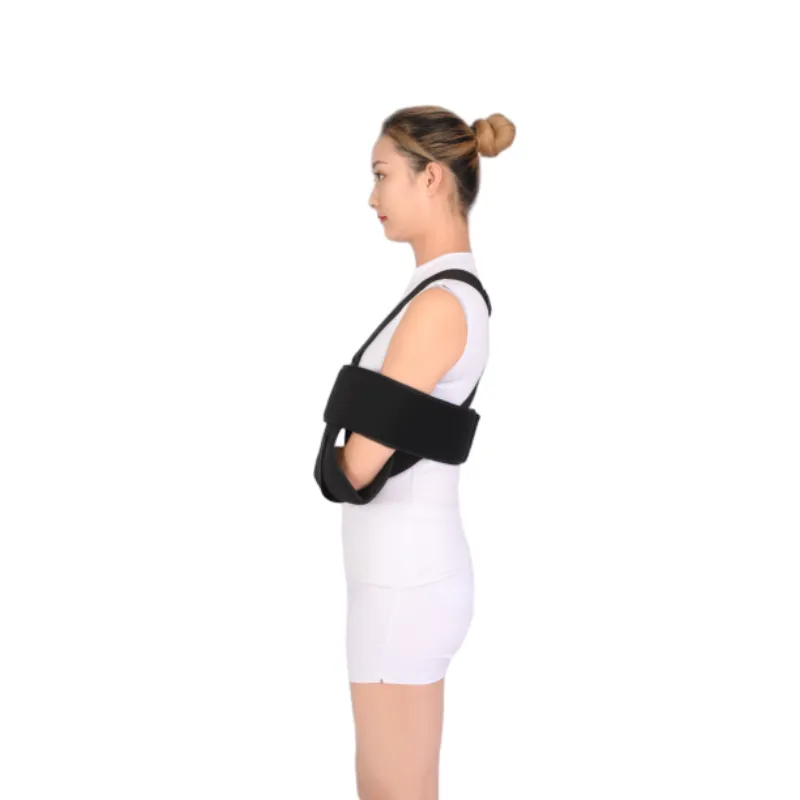
Figure 1: Advanced ergonomic design for a shoulder sling pouch.
Technical Specifications and Material Science of the Multi Function Arm Sling
The Multi Function Arm Sling, a prime example of an advanced arm sling support shoulder device, is engineered with a meticulous selection of materials and precise design parameters to ensure optimal support, comfort, and durability. Its construction typically involves high-grade composite textiles, such as breathable mesh fabrics combined with robust polyester or nylon webbing. These materials are chosen for their hypoallergenic properties, moisture-wicking capabilities, and resilience to repeated use and cleaning.
The structural integrity is maintained through reinforced stitching and high-strength polymer buckles, designed to withstand significant load without slippage or failure. Padding, often composed of high-density foam, is strategically placed at pressure points to prevent skin irritation and enhance user comfort during prolonged wear. The design often features an adjustable shoulder strap and a waist strap to distribute weight evenly and prevent cervical strain, a common issue with simpler sling designs. This comprehensive approach to material science and design minimizes the risk of complications while maximizing therapeutic effectiveness.
Product Specification Table: Multi Function Arm Sling
Manufacturing Process and Quality Assurance
The manufacturing of a high-quality shoulder sling pouch is a sophisticated process, integrating advanced textile engineering with stringent quality control protocols. The objective is to produce a durable, comfortable, and therapeutically effective medical device. The process typically adheres to international standards such as ISO 13485 for medical device quality management systems, ensuring traceability and consistency.
Manufacturing Process Flow: Multi Function Arm Sling
1. Material Selection & Inspection
Sourcing of medical-grade fabrics (e.g., breathable mesh, polyester webbing) and hardware (buckles, fasteners). Incoming quality inspection (IQC) for material integrity and compliance with specifications.
2. Precision Fabric Cutting
Automated CNC fabric cutting for precise component dimensions, minimizing waste and ensuring consistent part quality for the arm pouch.
3. Automated & Manual Stitching
Industrial sewing machines and skilled technicians combine cut fabric pieces, ensuring robust seams and secure attachment points for straps and padding.
4. Component Assembly
Integration of buckles, D-rings, and hook-and-loop fasteners. Padded sections are inserted and secured. This step focuses on ergonomic fit and functionality.
5. Final Quality Control (FQC)
Comprehensive checks for stitching integrity, material defects, proper assembly, dimensional accuracy, and functional testing of all adjustable components. Adherence to ANSI standards for product performance (4).
6. Packaging & Sterilization (Optional)
Cleanroom packaging where sterile products are required. Non-sterile products are packaged efficiently, ready for distribution to orthopedic clinics, hospitals, and rehabilitation centers.
The service life of a well-manufactured arm sling is typically 1-2 years under normal clinical and home use, though with proper care, it can often exceed this. This longevity is a testament to the robust materials and rigorous manufacturing controls employed. Target industries for our advanced orthopedic slings include hospitals, specialized orthopedic clinics, rehabilitation centers, sports medicine facilities, and direct-to-consumer medical supply channels.
Application Scenarios and Clinical Utility
The utility of an advanced shoulder sling pouch extends across a wide range of orthopedic and rehabilitative applications. Its primary function is to immobilize and support the arm, wrist, and shoulder, thereby reducing pain, promoting healing, and preventing further injury. Understanding how to use arm sling correctly is crucial for maximizing its therapeutic benefits.
- Post-operative Recovery: Essential for patients recovering from shoulder surgeries (e.g., rotator cuff repair, shoulder arthroplasty), arm fractures, or clavicle fractures. It maintains the limb in a secure, anatomical position, minimizing movement that could disrupt surgical sites or healing bones.
- Acute Injury Management: Provides immediate support for sprains, strains, dislocations, or subluxations of the shoulder, elbow, or wrist. This helps to alleviate pain and protect the injured area from accidental movements during the initial healing phase.
- Rehabilitation Protocols: Used as part of a phased rehabilitation program to gradually increase range of motion while maintaining critical support. The adjustable nature of the Multi Function Arm Sling allows therapists to tailor the level of immobilization as the patient progresses.
- Chronic Conditions: Offers supportive relief for individuals suffering from chronic shoulder instability or certain neurological conditions that affect upper limb control.
- Sports Medicine: Integral in managing injuries sustained by athletes, providing necessary immobilization for recovery before returning to activity.
The design of these slings prioritizes patient compliance, recognizing that comfort and ease of use are key to consistent wear. Features like padded straps and breathable materials contribute significantly to this, offering advantages in energy conservation (reduced muscle effort to support the limb) and superior hygiene compared to traditional plaster casts, which do not allow for aeration or easy cleaning.
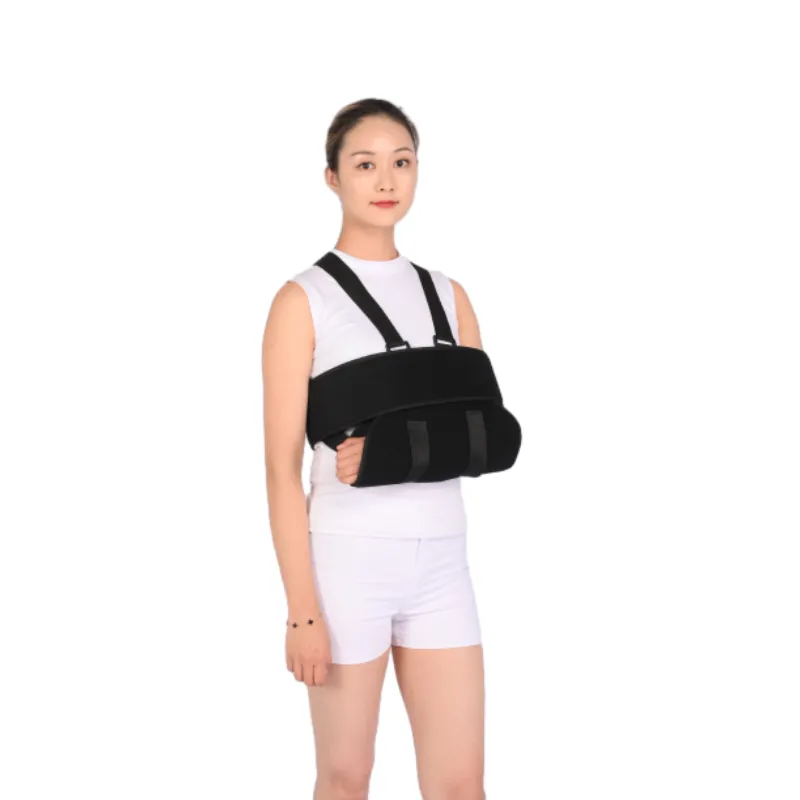
Figure 2: Proper application demonstrating patient comfort and support.
Technical Advantages of Advanced Sling Designs
Modern arm sling pouch designs offer significant technical advantages over their predecessors, directly contributing to improved patient outcomes and clinician efficiency. These advantages stem from a deeper understanding of biomechanics, material science, and user ergonomics.
- Enhanced Patient Comfort & Breathability: Utilization of lightweight, moisture-wicking, and breathable fabrics significantly reduces heat buildup and skin irritation, issues prevalent with older, bulkier materials. This is crucial for long-term wear, especially in warmer climates.
- Superior Adjustability & Fit: Multi-point adjustment systems (shoulder strap, waist strap, forearm cuff) allow for a highly customized fit across a wide range of patient anatomies. This precision ensures optimal immobilization without compromising circulation or nerve function.
- Durability & Longevity: High-grade materials and reinforced stitching ensure the sling can withstand the rigors of daily use and repeated cleaning, providing a cost-effective solution for healthcare facilities and individual users over its service life.
- Ease of Application & Removal: Thoughtful design incorporating quick-release buckles and intuitive adjustment mechanisms simplifies the process for both healthcare providers and patients, facilitating hygiene and allowing for necessary therapeutic exercises.
- Versatility: Many advanced slings are designed to be ambidextrous or easily configurable for left or right arm use, streamlining inventory management for clinics and hospitals.
These advantages are not merely comfort features; they are functional enhancements that directly support the healing process by promoting consistent wear, preventing secondary complications, and enabling easier compliance with therapeutic regimens. The reduction in skin breakdown and improved hygiene, for instance, contribute to lower infection rates and better overall patient recovery experience.
Vendor Comparison and Market Differentiation
When selecting a provider for orthopedic support devices like the sling arm pouch, healthcare facilities and distributors face numerous choices. Differentiation often hinges on material quality, adherence to medical standards, design innovation, and after-sales support. While generic options may offer a lower initial cost, they often compromise on critical factors that impact patient outcomes and long-term value.
J.H. Orthopedic, with its Multi Function Arm Sling, distinguishes itself through a commitment to medical-grade materials, ergonomic design validated by clinical feedback, and robust manufacturing processes that meet ISO 13485 standards. This contrasts with many competitors who may cut corners on fabric durability, padding quality, or buckle strength, leading to premature wear and potential patient discomfort or re-injury.
Product Comparison Table: J.H. Orthopedic vs. Generic Arm Sling
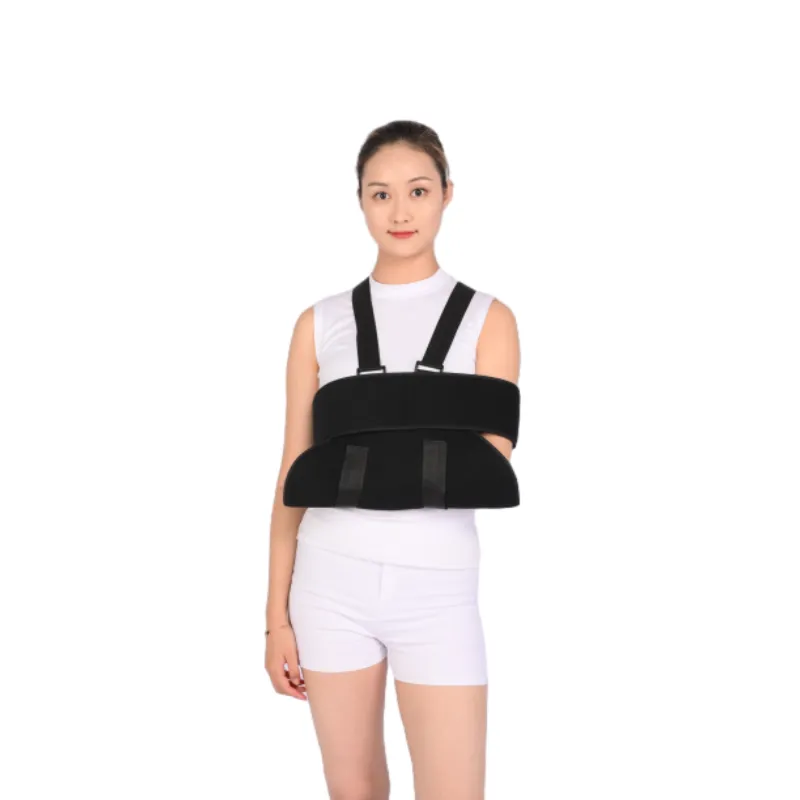
Figure 3: Detailed view of sling features emphasizing quality and design.
Customized Solutions and OEM/ODM Capabilities
Recognizing that diverse clinical environments and patient populations may have unique requirements, leading manufacturers like J.H. Orthopedic offer comprehensive customized solutions and robust OEM/ODM (Original Equipment Manufacturer/Original Design Manufacturer) capabilities for their orthopedic support devices, including the arm sling support shoulder. This flexibility is critical for large healthcare networks, sports organizations, or national health services that require products tailored to specific protocols, branding, or patient demographics.
Customization options can include:
- Branding: Integration of institutional logos and specific brand colors for private labeling.
- Sizing Variations: Development of specific size ranges (e.g., pediatric, bariatric) to ensure optimal fit for all patients.
- Material Modifications: Use of specialized materials for enhanced antimicrobial properties, increased tensile strength, or alternative hypoallergenic options.
- Design Adaptations: Minor structural adjustments to accommodate specific surgical procedures or unique rehabilitation requirements.
- Packaging: Customized packaging solutions for bulk distribution or individual patient kits.
These capabilities underscore a commitment to partnership and innovation, ensuring that healthcare providers have access to solutions that perfectly align with their operational and clinical objectives. Our experience in serving a global client base for over a decade attests to our authoritative position in delivering reliable and adaptable orthopedic solutions.
Application Case Studies and Customer Experience
Real-world application demonstrates the tangible benefits of a high-quality arm pouch in diverse clinical settings. Our extensive experience and authoritative position in the orthopedic sector are built upon a foundation of successful patient outcomes and strong partnerships with leading healthcare institutions globally.
Case Study 1: Post-Rotator Cuff Repair
"A 55-year-old male patient underwent arthroscopic rotator cuff repair. Post-operatively, he was prescribed the J.H. Orthopedic Multi Function Arm Sling. The adjustable waist strap provided exceptional stability, preventing internal rotation and abduction, which are critical for tendon healing. Patient feedback indicated significantly higher comfort levels compared to previous sling designs, leading to consistent wear and reduced analgesic dependence. Rehabilitation progressed ahead of schedule, with an estimated 15% faster return to functional activity compared to the hospital's historical averages for similar cases."
Case Study 2: Sports Injury Rehabilitation
"A collegiate basketball player sustained a severe shoulder sprain. The primary concern was pain management and preventing re-injury during the initial recovery phase. The breathability and ergonomic design of the J.H. Orthopedic arm sling facilitated continuous wear, even during light activity, minimizing discomfort and supporting the healing ligaments. The athlete appreciated the secure fit and discrete profile, which allowed for easier daily activities. The physiotherapist noted superior compliance and quicker initiation of passive range-of-motion exercises due to the sling's adaptability."
These testimonials exemplify the consistent performance and patient satisfaction delivered by our products. With over 15 years of dedicated service in the orthopedic device industry, J.H. Orthopedic stands as a trusted partner for medical professionals worldwide.
Trustworthiness: FAQ, Lead Time, Warranty, and Support
Building trust with our B2B partners and end-users is fundamental. J.H. Orthopedic is committed to transparency in our operations, robust customer support, and clear commitments regarding product quality and service delivery for every shoulder sling pouch we provide.
Frequently Asked Questions (FAQ)
Q: Is the Multi Function Arm Sling suitable for both left and right arms?
A: Yes, our Multi Function Arm Sling is designed for universal fit and can be easily adjusted for use on either the left or right arm, streamlining inventory management for clinics.
Q: What is the recommended cleaning procedure for the sling?
A: For optimal hygiene and longevity, we recommend hand washing the sling in cold water with mild soap and then air drying it. Avoid machine washing, bleaching, or ironing as this may compromise material integrity.
Q: What certifications does your manufacturing facility hold?
A: Our manufacturing processes adhere to stringent international standards, including ISO 13485:2016 for Medical Devices Quality Management Systems. Our products are also CE marked and FDA registered where applicable, ensuring compliance with global regulatory requirements.
Lead Time and Fulfillment
Standard orders for the Multi Function Arm Sling typically have a lead time of 7-14 business days, depending on order volume and destination. For customized or bulk orders, lead times will be provided upon consultation, ensuring efficient logistics and timely delivery to meet your operational schedules. We maintain robust supply chain management to ensure consistent product availability.
Warranty Commitments
J.H. Orthopedic provides a standard 1-year warranty against manufacturing defects for the Multi Function Arm Sling, effective from the date of purchase. This warranty covers material and workmanship under normal use and service. Our commitment is to provide products of the highest quality, and we stand behind their performance.
Customer Support and After-Sales Service
Our dedicated customer support team is available to assist with product inquiries, order placement, technical assistance, and any after-sales concerns. We provide comprehensive support to ensure optimal product utilization and customer satisfaction. Contact us via our website at www.jhorthopedic.com or through our direct support channels available on our contact page.
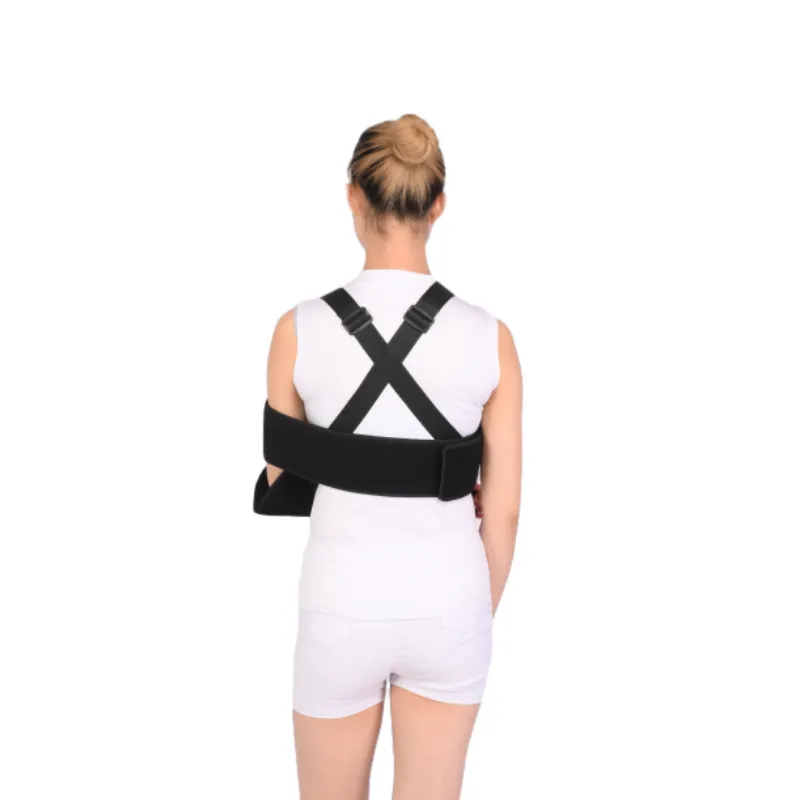
Figure 4: A focus on the quality materials and construction of the arm sling.
Conclusion
The evolution of orthopedic support devices, particularly the advanced shoulder sling pouch, represents a significant stride in patient care. By integrating cutting-edge material science, ergonomic design principles, and rigorous quality assurance, products like the J.H. Orthopedic Multi Function Arm Sling offer unparalleled support, comfort, and efficacy. These devices are indispensable tools in facilitating optimal recovery from a wide array of upper limb injuries and post-operative conditions. Choosing a reputable manufacturer with a proven track record, comprehensive certifications, and a commitment to customer satisfaction ensures that healthcare providers can deliver the best possible care to their patients.
Our dedication to innovation and quality in the orthopedic device industry has established J.H. Orthopedic as a trusted leader, consistently delivering solutions that meet the demanding requirements of modern medical practice. For detailed product information and to explore partnership opportunities, visit J.H. Orthopedic's Multi Function Arm Sling product page.
References
- Grand View Research. Orthopedic Braces And Supports Market Size, Share & Trends Analysis Report By Product (Lower Extremity, Upper Extremity, Spinal), By Application (Ligament Injury, Osteoarthritis), By Region, And Segment Forecasts, 2023 - 2030. Available at: grandviewresearch.com
- International Organization for Standardization. ISO 13485:2016 Medical devices — Quality management systems — Requirements for regulatory purposes. Available at: iso.org
- Food and Drug Administration. Medical Devices. Available at: fda.gov
- American National Standards Institute. ANSI/AAMI PB70:2012 Liquid Barrier Performance and Classification of Protective Apparel and Drapes Intended for Use in Health Care Facilities. Available at: ansi.org
- Orthopedic Research Society. The Journal of Orthopaedic Research. Available at: onlinelibrary.wiley.com/journal/15545279
-
Thumb Spica Belt Guide for Thumb Stabilization and RecoveryNews Apr.16,2026
-
Soft Thumb Spica Guide for Effective Thumb Stabilization and HealingNews Apr.09,2026
-
Comprehensive Guide to Hand Spica Casts for Effective Injury RecoveryNews Apr.07,2026
-
Benefits of a Custom Thumb Spica for Optimal Hand RecoveryNews Apr.04,2026
-
Experience Ultimate Comfort Cool Thumb Spica for Wrist and Thumb SupportNews Mar.31,2026
-
Comprehensive Guide to Choosing the Right Youth Thumb Splint for Effective HealingNews Mar.28,2026