Comprehensive Guide to Choosing the Right Thumb Support Brace for Pain Relief
Choosing the Right Thumb Support Brace: A Comprehensive Guide
Dealing with thumb pain can significantly impact your daily life, hindering everything from simple tasks to athletic pursuits. A thumb support brace can provide crucial relief and support. This article will explore the different types of thumb braces, their benefits, how to choose the right one for your needs, and the importance of proper fit. Whether you're recovering from an injury or managing chronic pain, understanding your options is key to finding the optimal solution. JH Orthopedic offers a wide range of high-quality thumb braces designed to help you regain function and comfort.
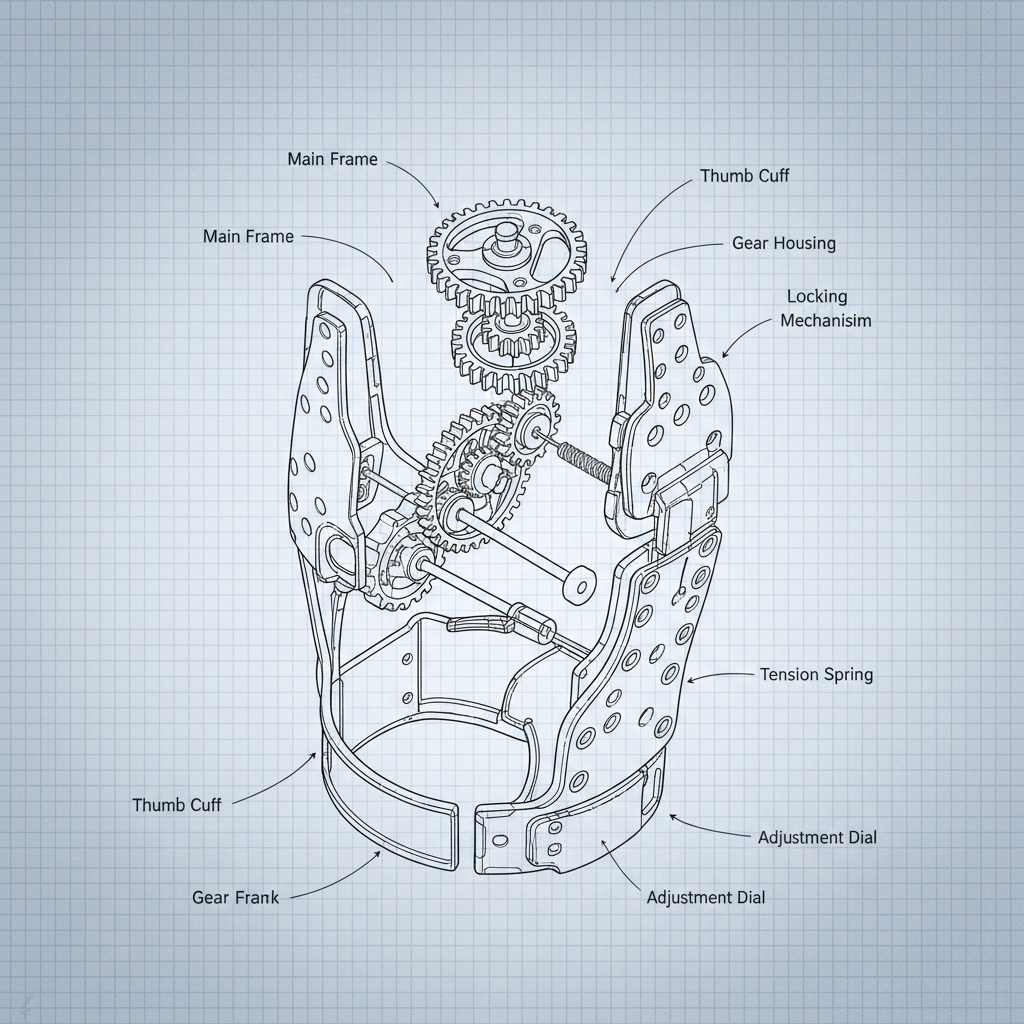
Understanding the Different Types of Thumb Support Braces
Thumb braces aren’t one-size-fits-all. They vary in design and level of support to address different conditions. Common types include:
- Spica Braces: These braces immobilize the thumb and wrist, providing maximum support for severe injuries.
- Thumb Stabilizers: Offering moderate support, these braces restrict movement while allowing some functionality. They’re ideal for sprains, strains, and arthritis.
- Compression Sleeves: Lightweight and flexible, compression sleeves provide mild support and can help reduce swelling and pain.
- Wraparound Braces: These braces are adjustable and easy to put on, making them suitable for various thumb sizes and conditions.
Benefits of Using a Thumb Support Brace
Wearing a thumb brace offers several significant benefits. Firstly, it provides support and stabilization to the injured or weakened thumb joint. This reduces pain and prevents further injury. Secondly, braces can limit movement, which is crucial during the healing process. This allows the tissues to rest and recover. Furthermore, many braces offer compression, which can help reduce swelling and improve circulation. Finally, a brace can enhance functionality, enabling you to perform daily tasks with greater comfort and confidence. Choosing the right brace from JH Orthopedic ensures you get the targeted support you need.
Key Benefits: Support, Stabilization, Limited Movement, Compression, Enhanced Functionality.
Choosing the Right Thumb Support Brace: Factors to Consider
Selecting the appropriate brace depends on several factors, including the severity of your condition, your activity level, and your personal preferences. Consider these points:
- Injury Type: Sprains, strains, arthritis, and fractures require different levels of support.
- Activity Level: If you're an athlete, you'll need a brace that allows for some movement while still providing adequate protection.
- Comfort: Choose a brace made from breathable materials that doesn't irritate your skin.
- Adjustability: An adjustable brace allows you to customize the fit and level of compression.
- Size: Measure your thumb circumference accurately to ensure a proper fit.
Comparing Popular Thumb Support Brace Models
Here’s a comparison of a few popular models available at JH Orthopedic:
Proper Fit and Care of Your Thumb Support Brace
A properly fitted brace is essential for optimal effectiveness. Ensure the brace is snug but not overly tight. Follow the manufacturer's instructions for proper application. To maintain your brace, regularly clean it with mild soap and water. Avoid harsh chemicals and direct sunlight. Inspect the brace for wear and tear and replace it if necessary. Remember to consult with a healthcare professional if your pain persists or worsens.
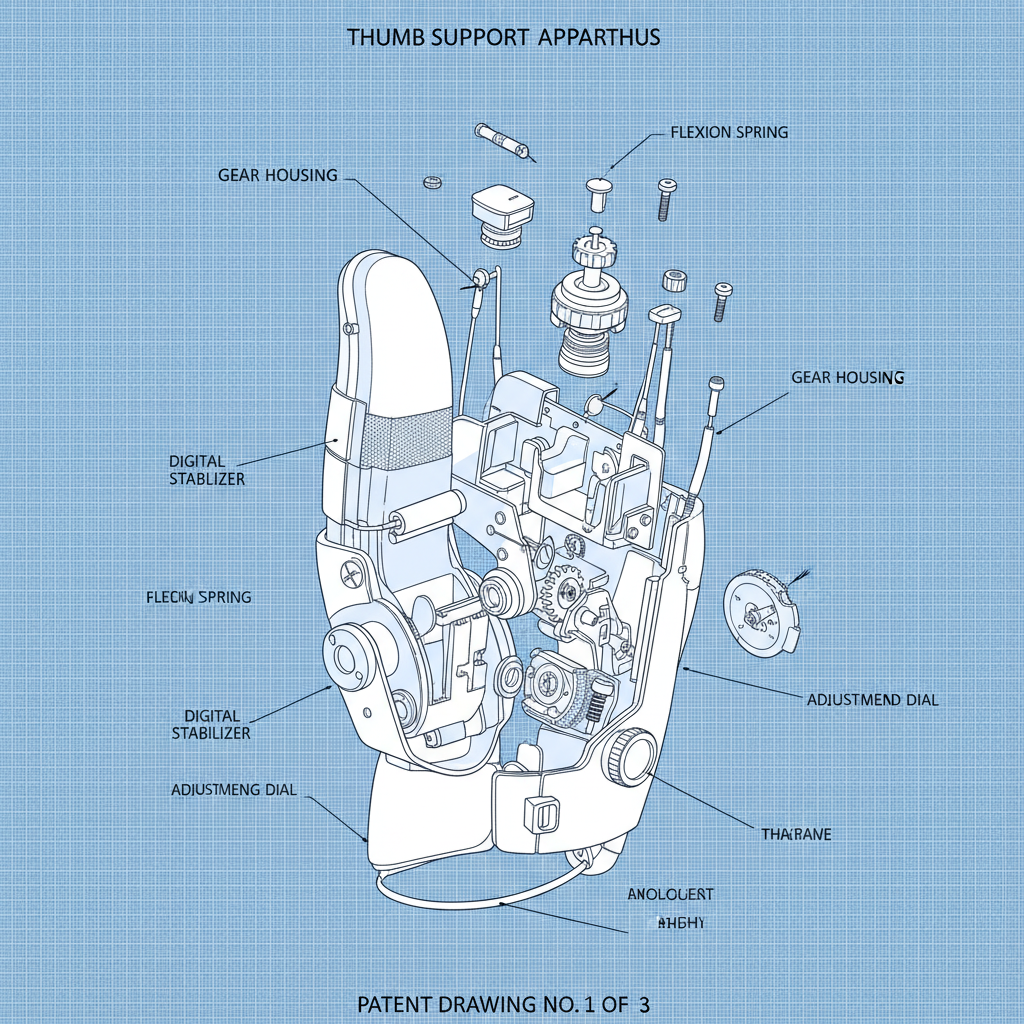
Conclusion: Find Relief with the Right Thumb Support Brace
Choosing the right thumb support brace is crucial for managing pain and promoting recovery. By understanding the different types available and considering your specific needs, you can find a solution that provides the support and comfort you deserve. JH Orthopedic offers a comprehensive selection of high-quality braces to help you regain function and live pain-free.
Frequently Asked Questions (FAQs)
How long should I wear a thumb brace each day?
The duration of wear depends on the severity of your condition and your doctor's recommendations. For acute injuries, you may need to wear the brace almost constantly for the first few days or weeks, gradually reducing the wear time as your pain subsides. For chronic conditions like arthritis, you might wear the brace only during activities that aggravate your symptoms. It’s essential to follow your healthcare provider’s guidance regarding wear time and gradually increase activity levels as tolerated. Overuse or improper use can hinder the healing process.
Can I sleep with a thumb brace on?
Generally, it's not recommended to sleep with a rigid or highly restrictive thumb brace. These braces can impede circulation and cause discomfort during sleep. However, a soft, lightweight compression sleeve might be acceptable for some individuals, especially if it provides comfort and helps manage nighttime pain. Always consult your doctor before wearing a brace while sleeping to ensure it's appropriate for your specific condition.
What if my thumb brace causes skin irritation?
Skin irritation can occur due to friction, sweat, or an allergic reaction to the brace material. First, ensure the brace is properly sized and not too tight. Wash the brace regularly with mild soap and water. Consider wearing a thin cotton sleeve underneath the brace to create a barrier between the brace and your skin. If irritation persists, discontinue use and consult your doctor or a dermatologist. You may need to try a different brace made from hypoallergenic materials.
When should I see a doctor about thumb pain?
You should see a doctor if your thumb pain is severe, doesn’t improve after a few days of home treatment (rest, ice, compression, elevation), or is accompanied by other symptoms such as numbness, tingling, or inability to move your thumb. Also, seek medical attention if you suspect a fracture or dislocation. A healthcare professional can accurately diagnose your condition and recommend the appropriate treatment plan, which may include a thumb brace, physical therapy, or other interventions.
-
Thumb Spica Belt Guide for Thumb Stabilization and RecoveryNews Apr.16,2026
-
Soft Thumb Spica Guide for Effective Thumb Stabilization and HealingNews Apr.09,2026
-
Comprehensive Guide to Hand Spica Casts for Effective Injury RecoveryNews Apr.07,2026
-
Benefits of a Custom Thumb Spica for Optimal Hand RecoveryNews Apr.04,2026
-
Experience Ultimate Comfort Cool Thumb Spica for Wrist and Thumb SupportNews Mar.31,2026
-
Comprehensive Guide to Choosing the Right Youth Thumb Splint for Effective HealingNews Mar.28,2026