Comprehensive Guide to Medical Arm Slings for Injury Recovery
Medical Arm Sling: A Comprehensive Guide
A medical arm sling provides essential support for injuries to the arm, shoulder, or hand. Whether recovering from a fracture, dislocation, or surgery, a properly fitted and supportive sling is crucial for promoting healing and reducing discomfort. At JH Orthopedic, we specialize in high-quality orthopedic solutions, including a wide range of medical arm slings designed for optimal comfort and effective immobilization. This article will delve into the various types, benefits, and considerations when choosing a medical arm sling, helping you make an informed decision for your recovery needs.

Understanding Different Types of Medical Arm Slings
Medical arm slings aren't one-size-fits-all. They come in a variety of designs, each suited for different injuries and levels of support. Common types include shoulder immobilizers, pouch slings, and humeral fracture slings. Shoulder immobilizers provide comprehensive support, limiting movement in multiple planes. Pouch slings are simpler, holding the arm in a comfortable position. Humeral fracture slings are specifically designed for fractures of the upper arm bone. Choosing the right type depends on the specific injury and the physician’s recommendations. At JH Orthopedic, we offer a detailed guide to help you select the best sling for your situation.
Key Highlights: The proper selection of a medical arm sling is paramount to the healing process, providing support, immobilization, and comfort during recovery.
Benefits of Using a Medical Arm Sling
Utilizing a medical arm sling offers numerous benefits, including pain reduction, enhanced healing, and improved comfort. By immobilizing the injured limb, the sling minimizes stress on the affected area, allowing tissues to heal effectively. This immobilization also helps to reduce pain and prevent further injury. Moreover, a properly fitted sling promotes proper posture and reduces strain on the neck and shoulders. Choosing a high-quality sling, like those offered at JH Orthopedic, ensures optimal support and comfort throughout your recovery journey.
Key Benefits:
• Pain Reduction
• Enhanced Healing
• Improved Comfort
• Prevention of Further Injury
Medical Arm Sling Comparison: Features & Materials
Selecting the ideal medical arm sling involves considering various features and materials. Different slings utilize materials like cotton, neoprene, and adjustable straps. The choice depends on your individual needs and preferences. For example, neoprene provides better support and compression, while cotton is more breathable. Consider the adjustability of the straps for a secure and comfortable fit. Below is a comparison of some popular sling options.
Factors to Consider When Choosing a Medical Arm Sling
Several factors should guide your choice of a medical arm sling. These include the type of injury, the severity of the injury, your activity level, and personal comfort preferences. A sling that’s too loose won’t provide adequate support, while one that’s too tight can restrict circulation. Always consult with your healthcare provider for personalized recommendations. JH Orthopedic offers a wide selection of slings with adjustable features to ensure a perfect fit and optimal support.
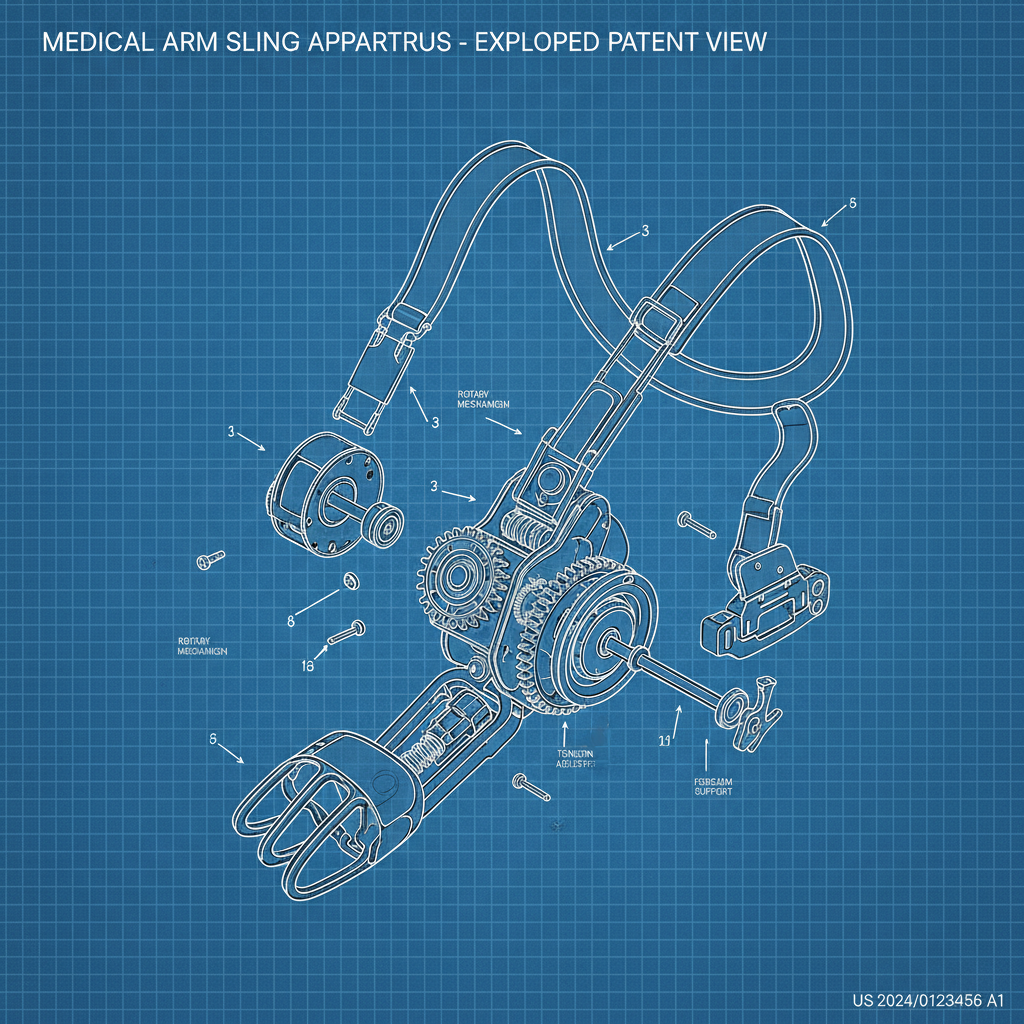
Product Specifications of JH Orthopedic Arm Slings
At JH Orthopedic, we are dedicated to providing premium quality medical arm slings. Our slings feature adjustable straps, breathable materials, and durable construction. Here's a quick look at the specifications for our standard adult arm sling:
Conclusion: Choosing the Right Support for Your Recovery
Selecting the right medical arm sling is a crucial step in your recovery journey. At JH Orthopedic, we offer a comprehensive range of high-quality slings designed for optimal comfort, support, and healing. We are committed to helping you regain your strength and mobility. Don’t hesitate to reach out to our expert team for guidance and support.
Frequently Asked Questions (FAQs)
How do I properly adjust my medical arm sling?
Proper adjustment is essential for optimal support and comfort. Start by positioning the arm so that the elbow is bent at a 90-degree angle. Secure the sling around the neck and shoulder, ensuring it doesn't dig into the skin. Adjust the straps to achieve a snug but comfortable fit, allowing for limited movement. The hand should be slightly elevated above the elbow. It’s crucial that the sling supports the weight of the arm without causing excessive pressure on the neck or shoulder. If you are unsure, consult with your physical therapist or healthcare provider for personalized guidance.
Can I wear a medical arm sling while sleeping?
Generally, it's recommended to remove your medical arm sling while sleeping, unless specifically advised otherwise by your doctor. Wearing a sling during sleep can restrict circulation and potentially cause discomfort or pressure sores. However, if your doctor instructs you to keep the sling on during sleep, follow their instructions carefully. They may recommend it to maintain proper positioning and prevent movement during the healing process.
How often should I clean my medical arm sling?
Regular cleaning is important to maintain hygiene and prevent skin irritation. Most medical arm slings are machine washable. Check the care instructions on the product label. Typically, you should wash your sling at least once a week, or more frequently if it becomes soiled or sweaty. Avoid using harsh detergents or bleach, as these can damage the material. Allow the sling to air dry completely before reuse.
What should I do if my medical arm sling causes skin irritation?
If you experience skin irritation while wearing your medical arm sling, discontinue use immediately and consult with your healthcare provider. The irritation may be caused by friction, allergies to the sling material, or improper fit. Your doctor may recommend a different type of sling or suggest using a protective barrier cream to prevent further irritation. Ensure the sling is not too tight and that the straps are adjusted properly to minimize pressure on the skin.
-
Thumb Spica Belt Guide for Thumb Stabilization and RecoveryNews Apr.16,2026
-
Soft Thumb Spica Guide for Effective Thumb Stabilization and HealingNews Apr.09,2026
-
Comprehensive Guide to Hand Spica Casts for Effective Injury RecoveryNews Apr.07,2026
-
Benefits of a Custom Thumb Spica for Optimal Hand RecoveryNews Apr.04,2026
-
Experience Ultimate Comfort Cool Thumb Spica for Wrist and Thumb SupportNews Mar.31,2026
-
Comprehensive Guide to Choosing the Right Youth Thumb Splint for Effective HealingNews Mar.28,2026