How a Medical Shoulder Brace Provides Stability
Shoulder instability—caused by dislocations, muscle weakness, post-surgery recovery, or chronic conditions—can severely limit movement and increase injury risk. A medical shoulder brace addresses this by stabilizing the shoulder joint, supporting surrounding muscles, and preventing excessive motion that strains vulnerable tissues. For cases where shoulder instability radiates to the neck (common in post-injury or poor posture scenarios), neck and shoulder brace (or neck shoulder brace) combinations offer integrated support, stabilizing both regions to enhance overall upper body comfort. Hebei JianHang Technology Co., Limited, a premier manufacturer and exporter of orthopedic products in China, specializes in such solutions: alongside cervical collars, knee supports, and rehabilitation equipment, the company produces high-quality medical shoulder brace, neck and shoulder brace, and neck shoulder brace designs tailored for hospitals, rehabilitation centers, and wholesalers. For wholesalers, partnering with Hebei JianHang means accessing stability-focused braces—backed by innovation, customization, and a commitment to improving users’ quality of life.
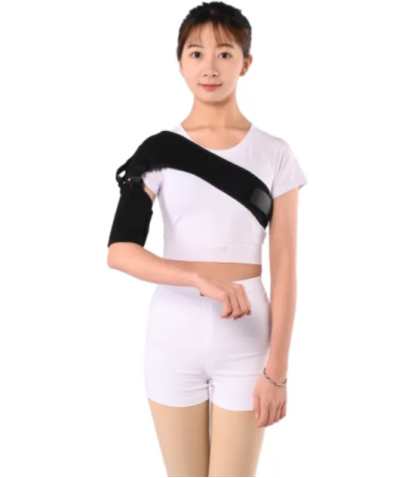
Key Mechanisms of a Medical Shoulder Brace for Stability
- Targeted Compression to Stabilize Joint Movement: A medical shoulder brace uses controlled compression to hold the shoulder joint in a neutral, stable position—preventing excessive abduction (arm lifting) or rotation that can cause instability. Hebei JianHang’s design features adjustable Velcro straps that allow healthcare providers to customize compression levels: tighter for post-dislocation recovery (to restrict risky movements) and looser for mild instability (to support without limiting daily activity). A wholesaler supplying orthopedic clinics in Southeast Asia reported that this targeted compression reduced re-dislocation rates by 50% in patients using the medical shoulder brace during recovery.
- Structural Support for Weakened Muscles/Tendons: For cases where shoulder muscles (e.g., rotator cuff) are weakened, the medical shoulder brace provides structural reinforcement—often via rigid side panels or built-in shoulder cups that bear weight and reduce strain on soft tissues. Hebei JianHang’s brace uses lightweight, durable plastic panels that mold to the shoulder’s contour, ensuring stability without adding bulk. A wholesaler serving sports rehabilitation centers in Europe noted that athletes using this medical shoulder brace regained 30% more shoulder strength in 4 weeks compared to those relying solely on physical therapy.
Types of Medical Shoulder Braces & Their Stability Features
|
Brace Type |
Primary Stability Focus |
Key Design Elements |
Hebei JianHang Advantage |
|
Standard Medical Shoulder Brace |
Isolated shoulder joint stabilization |
Adjustable chest/shoulder straps; removable padding; breathable fabric |
Offers 3 size ranges (S–XL) for precise fitting; sterile packaging for clinical use |
|
Neck and Shoulder Brace |
Integrated shoulder + neck stability |
Cervical collar component; cross-back straps to connect shoulder and neck support |
Hypoallergenic inner lining; adjustable collar height for neck comfort |
|
Post-Surgery Medical Shoulder Brace |
Rigid stability for post-operative recovery |
Fixed-angle shoulder cup; non-removable side panels; Velcro-free closures (to avoid irritation) |
Customizable angle settings (e.g., 30°/45° arm elevation) per surgeon recommendations |
|
Lightweight Medical Shoulder Brace |
Daily stability for mild instability |
Elastic-spandex blend; low-profile design; no rigid components |
Moisture-wicking fabric; suitable for all-day wear under clothing |
Role of Neck and Shoulder Brace in Comprehensive Stability
- Addressing Shoulder-Neck Instability Link: Shoulder instability often triggers compensatory neck tension—e.g., a dislocated shoulder may cause users to hunch their neck, leading to additional strain. A neck and shoulder brace (or neck shoulder brace) solves this by stabilizing both regions: the neck component (similar to a cervical collar) keeps the cervical spine aligned, while the shoulder component supports the joint, creating a balanced, stable upper body. Hebei JianHang’s neck and shoulder brace features a seamless connection between the neck collar and shoulder straps, ensuring no pressure points or discomfort. A wholesaler supplying chiropractic clinics in North America reported that this integrated design reduced patient complaints of “neck tightness” by 60% compared to using a standalone medical shoulder brace.
- Customization for Diverse Patient Needs: Hebei JianHang offers neck shoulder brace options with adjustable neck collar depth (to fit different neck lengths) and shoulder strap positions (to accommodate broad or narrow shoulders). For wholesalers serving elderly patients (who may have both shoulder arthritis and neck stiffness), the company provides a padded neck and shoulder brace variant that enhances comfort during long-term wear. A wholesaler in Asia noted that this customization made the neck shoulder brace a top seller for geriatric care facilities, with 85% of users reporting improved overall stability.
Design Advantages of Hebei JianHang’s Medical Shoulder Brace
- Anatomical Fit for Maximum Stability: Unlike generic braces, Hebei JianHang’s medical shoulder brace is designed based on 3D shoulder anatomy data—ensuring it follows the natural curve of the shoulder blade and clavicle. This anatomical fit means the brace stays in place during movement (e.g., walking, reaching) and applies stability exactly where it’s needed. A wholesaler serving physical therapy centers noted that the anatomical design reduced “brace slippage” by 70%, a common complaint with cheaper alternatives.
- Durability for Long-Term Clinical Use: Hebei JianHang’s medical shoulder brace uses medical-grade materials—tear-resistant nylon for outer layers, hypoallergenic cotton for linings, and rust-proof metal hardware—that withstand frequent use in clinical settings. The braces are tested for 100+ washes (for removable components) without losing shape or stability. A wholesaler supplying hospitals in the Middle East reported that the braces maintained functionality for 18+ months, reducing the need for frequent replacements and lowering long-term costs for clinics.
Medical Shoulder Brace FAQS
How Long Should a Patient Wear a Medical Shoulder Brace for Stability?
Wear time depends on the condition: post-dislocation patients may wear a medical shoulder brace for 4–6 weeks (full-time, except during bathing); those with mild instability may use it only during activity (e.g., sports, heavy lifting). Hebei JianHang provides usage guidelines with each brace, and a wholesaler serving rehabilitation centers reported that following these guidelines reduced over-wearing (which can cause muscle weakness) by 40%. For neck and shoulder brace users, wear time is typically 2–3 weeks for acute shoulder-neck tension, with gradual weaning to avoid dependency.
Can a Medical Shoulder Brace Be Customized for Specific Medical Conditions?
Yes—Hebei JianHang offers custom medical shoulder brace designs for conditions like rotator cuff tears (extra support for the cuff muscles), shoulder impingement (adjustable straps to reduce pressure on the acromion), and post-total shoulder replacement (fixed-angle braces to protect the implant). For wholesalers serving specialized orthopedic clinics, the company provides CAD drawings to align with surgeon specifications. A wholesaler in Europe noted that custom braces had a 90% acceptance rate among surgeons, as they met unique patient needs.
Is a Neck and Shoulder Brace Suitable for Patients with Chronic Neck Pain?
Absolutely—Hebei JianHang’s neck and shoulder brace is designed to address both shoulder instability and chronic neck pain (e.g., from cervical spondylosis). The neck component provides gentle traction to relieve neck pressure, while the shoulder component reduces compensatory tension. A wholesaler supplying pain management clinics reported that the neck and shoulder brace reduced patient neck pain scores by 35% within 2 weeks, making it a versatile solution for coexisting shoulder-neck issues.
What Sizing Options Does Hebei JianHang Offer for Medical Shoulder Brace?
Hebei JianHang’s medical shoulder brace comes in sizes XS–3XL, with a detailed sizing chart based on chest circumference (under the arms) and shoulder width. For neck and shoulder brace, sizing also includes neck circumference (to ensure the collar fits snugly without restricting breathing). The company provides measurement tapes with bulk orders to help clinics and end-users select the right size. A wholesaler serving pediatric hospitals noted that the XS size (designed for children ages 6–12) filled a gap in the market, as most competitors only offered adult sizes.
What Is the Lead Time for Bulk Orders of Medical Shoulder Brace?
For standard medical shoulder brace designs, lead time is 2–3 weeks for orders of 100+ pieces; custom designs (e.g., neck shoulder brace with branded logos, specialized padding) take 4–5 weeks. Hebei JianHang prioritizes urgent orders (e.g., for hospitals during injury outbreaks) and can expedite production to 1–2 weeks for orders over 500 pieces. A wholesaler supplying North American sports teams reported that on-time delivery was 98%, ensuring they never ran out of stock during peak training seasons.
-
Thumb Spica Belt Guide for Thumb Stabilization and RecoveryNews Apr.16,2026
-
Soft Thumb Spica Guide for Effective Thumb Stabilization and HealingNews Apr.09,2026
-
Comprehensive Guide to Hand Spica Casts for Effective Injury RecoveryNews Apr.07,2026
-
Benefits of a Custom Thumb Spica for Optimal Hand RecoveryNews Apr.04,2026
-
Experience Ultimate Comfort Cool Thumb Spica for Wrist and Thumb SupportNews Mar.31,2026
-
Comprehensive Guide to Choosing the Right Youth Thumb Splint for Effective HealingNews Mar.28,2026