Lightweight Neck Shoulder Support for Pain Relief & Posture
Industrial Demand and Innovation in Ergonomic Support
In industrial environments where repetitive strain injuries and musculoskeletal disorders are prevalent, the role of advanced ergonomic support systems is paramount. Among these, the neck shoulder support is a critical component for safeguarding worker health, enhancing productivity, and reducing long-term operational costs. The global market for orthopedic supports is experiencing steady growth, driven by an aging workforce, increased awareness of workplace ergonomics, and stringent safety regulations. Businesses are increasingly seeking reliable shoulder brace suppliers who can deliver robust, technically advanced solutions.
Key trends indicate a shift towards lightweight, breathable, and highly adjustable designs that cater to diverse body types and job requirements. The demand extends across various sectors, from heavy manufacturing to logistics and healthcare, where personnel often engage in tasks involving sustained overhead work, repetitive lifting, or prolonged static postures. This evolution necessitates partnerships with specialized shoulder brace suppliers capable of meeting complex B2B demands with certified products and scalable solutions.
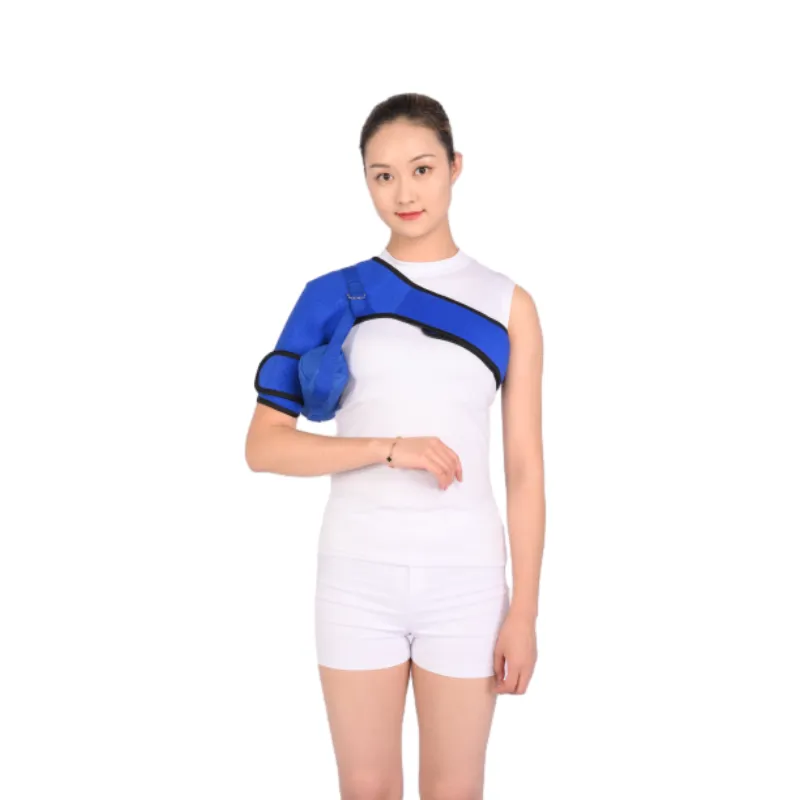
Figure 1: Ergonomic neck shoulder support in an industrial application.
Technical Specifications and Design Principles for B2B Shoulder Supports
A high-performance neck shoulder support for industrial applications is engineered with precision, incorporating advanced materials and ergonomic design principles. The primary objective is to provide stable support to the shoulder joint and surrounding musculature, facilitating proper posture, limiting harmful movements, and aiding in recovery or injury prevention.
Key design considerations include material selection, adjustability, breathability, and durability. Materials often comprise medical-grade, latex-free fabrics, aluminum or polymer stays for rigid support, and robust strapping systems. For applications requiring a lightweight shoulder support, advanced composites and breathable mesh fabrics are critical to ensure user comfort during extended wear.
Typical Product Specification: Shoulder and Arm Brace
| Feature | Specification | Benefit/Application |
|---|---|---|
| Material Composition | Polyester, Nylon, Spandex Blend with Aluminum Alloy Stays | Breathability, moisture-wicking, durability, structured support |
| Support Level | Moderate to Firm (Adjustable) | Versatile for post-injury, rehabilitation, or preventive support |
| Weight | Approx. 250-400 grams (depending on size) | Minimizes fatigue for extended wear, ideal for lightweight shoulder support |
| Adjustability | Multi-point strap system, adjustable compression | Customized fit for various body types, dynamic support control |
| Certifications | CE, FDA Registered, ISO 13485 | Ensures product quality, safety, and regulatory compliance |
| Service Life (Typical) | 12-24 months of regular industrial use (with proper care) | Cost-effectiveness and reliability for industrial deployment |
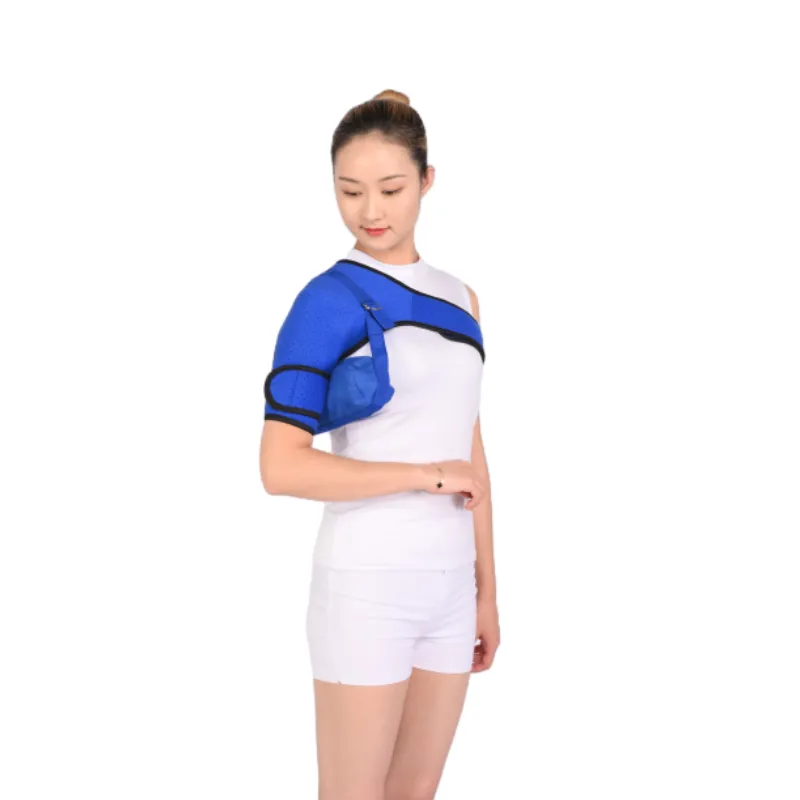
Figure 2: Close-up of material and strap system on a neck shoulder support.
Rigorous Manufacturing Process for Optimal Performance
The manufacturing of a high-quality neck shoulder support adheres to stringent quality control standards and sophisticated production techniques. This ensures the final product delivers consistent performance, durability, and safety in demanding industrial environments. Our process emphasizes precision and verifiable quality at every stage.
Manufacturing Process Flow for Industrial Shoulder Supports
-
1.
Material Sourcing & Incoming Quality Control (IQC)
Selection of medical-grade textiles (e.g., neoprene, polyester blends) and high-strength metal or polymer components. Materials undergo rigorous testing for tensile strength, skin compatibility, breathability, and durability, adhering to ISO 9001 and ISO 10993 standards.
-
2.
Precision Cutting & Fabrication
Textiles are cut using CNC laser or ultrasonic cutting machines for precise dimensions. Metal components (e.g., buckles, adjustment rings, stays) are often CNC machined from aluminum alloys or forged for superior strength, ensuring tight tolerances and corrosion resistance critical for demanding sectors like petrochemical or metallurgy. Plastic elements are injection molded.
-
3.
Assembly & Stitching
Components are assembled by skilled technicians. High-strength industrial stitching (e.g., bar tacking, reinforced seams) is employed for all stress points, ensuring maximum durability and product integrity. This is crucial for applications in heavy industry where equipment longevity translates to significant advantages like reduced downtime and improved safety.
-
4.
Quality Assurance & Testing (OQC)
Each finished neck shoulder support undergoes a battery of tests including fit, function, load-bearing capacity, fastener strength, and material integrity. Compliance with ISO 13485 (Medical Devices Quality Management Systems), CE, and FDA regulations is meticulously verified. Fatigue testing simulates real-world industrial usage over extended periods to guarantee a reliable service life.
-
5.
Packaging & Sterilization
Products are individually inspected, cleaned, and packaged in sterile environments where necessary, ensuring they arrive in optimal condition ready for deployment. This attention to detail contributes to a consistent service life and sustained performance in demanding industries like water supply & drainage or precision engineering.
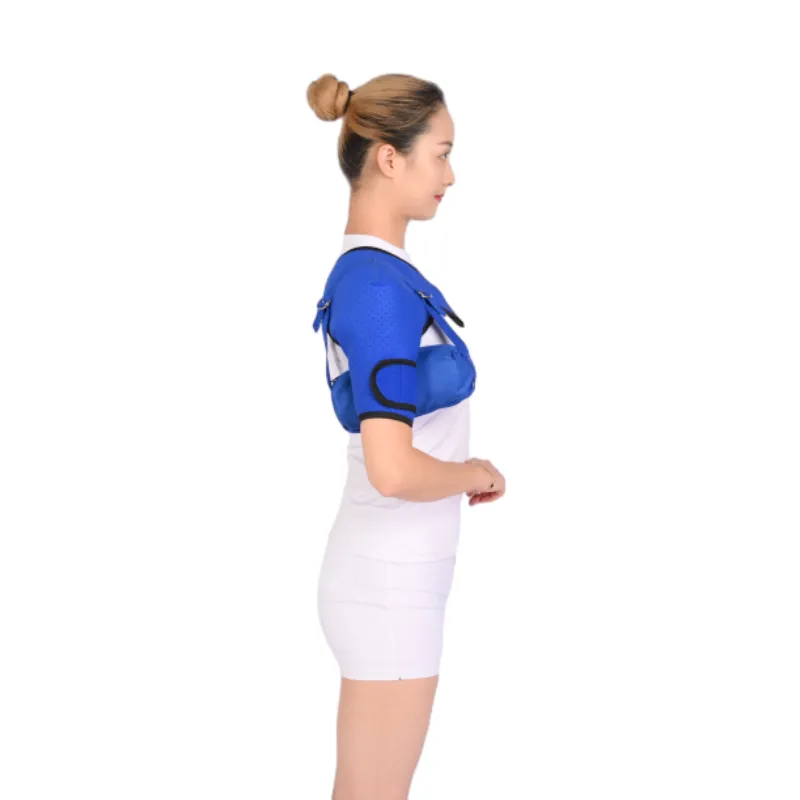
Figure 3: Quality control inspection during the manufacturing of neck shoulder support.
Application Scenarios Across Critical Industries
The utility of a robust neck shoulder support extends across a myriad of industrial and professional settings, providing essential ergonomic assistance and injury prevention. These supports are not merely reactive solutions but proactive tools for maintaining workforce health and operational continuity.
Target Industries & Typical Use Cases:
- Manufacturing & Assembly: Workers performing repetitive overhead tasks, lifting heavy components, or maintaining static postures on assembly lines benefit significantly. The support helps mitigate strain in the neck and shoulders, reducing the incidence of musculoskeletal disorders and improving precision.
- Logistics & Warehousing: Personnel involved in continuous lifting, carrying, and packing operations can experience considerable shoulder stress. A well-designed neck shoulder support provides the necessary stabilization, enhancing safety and efficiency during material handling.
- Healthcare (e.g., Hospitals, Care Facilities): Healthcare professionals, particularly those involved in patient transfers or long hours of physically demanding work, face high risks of shoulder injury. These supports offer crucial assistance in maintaining proper body mechanics.
- Construction & Maintenance: Tradespeople performing tasks like welding, plumbing, or electrical work, often in awkward positions or overhead, find these supports indispensable for preventing chronic pain and improving endurance. The robust design is often suitable for mens shoulder support requirements in these physically demanding roles.
- Sports & Physical Rehabilitation Facilities (B2B): Clinics and sports organizations procure these braces for athletes and patients requiring structured rehabilitation for shoulder injuries, ensuring controlled movement and accelerating recovery.
In each scenario, the focus is on energy saving through reduced muscle exertion, enhanced worker comfort, and superior corrosion resistance for components exposed to various industrial conditions. This translates directly to reduced injury rates, lower absenteeism, and increased operational longevity for personnel.
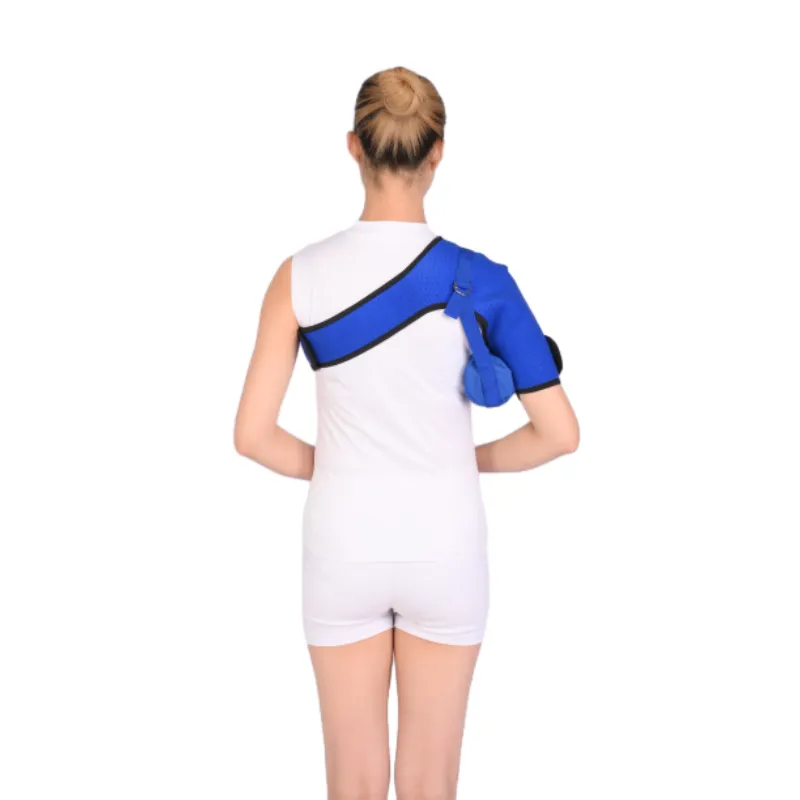
Figure 4: Industrial worker benefiting from a neck shoulder support during an overhead task.
Technical Advantages and Performance Metrics
The technical advantages of a well-designed neck shoulder support are multifaceted, contributing directly to operational efficiency and employee well-being. Beyond basic support, advanced features differentiate high-quality industrial solutions from standard consumer products.
Key Technical Advantages:
- Ergonomic Load Distribution: Engineered to distribute weight and pressure evenly across the shoulder and back, reducing localized stress points and preventing nerve impingement. This design minimizes fatigue during prolonged use, a critical factor in maintaining productivity in sectors like heavy machinery operation.
- Dynamic Stabilization: Utilizes rigid or semi-rigid stays and adjustable strapping to provide controlled range of motion, preventing hyperextension or excessive rotation while still allowing functional movement. This balance is crucial for tasks requiring both support and flexibility.
- Material Longevity & Resilience: Constructed from industrial-grade, abrasion-resistant, and chemically inert materials that withstand harsh working conditions, including exposure to oils, greases, or cleaning agents. This ensures extended service life and consistent performance, validated by internal durability tests simulating thousands of stress cycles.
- Breathability & Moisture Management: Incorporates advanced fabric technologies that promote airflow and wick away moisture, preventing skin irritation and discomfort during long shifts. This is particularly vital in warm or humid industrial environments.
- Ease of Maintenance: Designed for straightforward cleaning and sanitation, a critical aspect in multi-user environments or industries with strict hygiene protocols.
- Compliance with Safety Standards: Adherence to international standards such as ANSI Z365 for ergonomic risk management and workplace safety, ensuring that the product contributes to a compliant and safe working environment.
These advantages translate into tangible benefits for B2B clients, including reduced worker compensation claims, improved employee morale, and enhanced overall operational efficiency through injury prevention and sustained productivity.
Vendor Comparison and Customized Solutions
Choosing the right shoulder brace supplier is a strategic decision for businesses. It involves evaluating not just the product itself, but also the supplier's capabilities in customization, support, and adherence to quality standards. The landscape of shoulder support suppliers varies significantly, necessitating a thorough comparison.
Vendor Comparison Matrix (Illustrative)
| Feature/Criteria | Leading Supplier (e.g., JH Orthopedic) | Generic Supplier 'A' | Specialty Supplier 'B' |
|---|---|---|---|
| Product Certifications | ISO 13485, CE, FDA Registered, BSCI | CE Only (Limited scope) | ISO 9001 (General quality) |
| Customization Options | Extensive (material, sizing, branding, support level) | Limited (color, basic sizing) | Moderate (specific components) |
| Technical Support & Training | Dedicated B2B team, on-site/remote training | Basic online FAQ | Standard customer service |
| Warranty & Service Life | 2-year structural warranty, documented service life | 6-month standard warranty | 1-year parts warranty |
| Bulk Order Lead Time | 4-6 weeks (standard), negotiable for large volumes | 8-12 weeks | 6-10 weeks |
Customized Solutions
For large organizations, off-the-shelf solutions may not always suffice. Leading shoulder support suppliers offer tailored customization to meet specific industrial demands. This can include:
- Material Adjustments: Utilizing flame-retardant materials for high-heat environments or enhanced chemical resistance for specific industrial exposures.
- Sizing & Fit Optimization: Developing bespoke sizing charts or models for specialized employee demographics, including specific mens shoulder support designs that account for broader builds.
- Integrated Features: Incorporating attachment points for other safety equipment, reflective elements for low-light conditions, or RFID tags for inventory management.
- Branding & Packaging: Custom branding with company logos and specific packaging requirements for distribution within large enterprises.
These tailored approaches ensure maximum compatibility with existing safety protocols and provide superior comfort and protection, affirming the value proposition of a strategic partnership with advanced shoulder brace suppliers.
Application Case Studies and Proven Success
Real-world application demonstrates the tangible benefits of deploying high-quality neck shoulder support solutions in demanding industrial settings. These examples highlight enhanced worker safety, reduced injury rates, and improved productivity across diverse sectors.
Case Study 1: Automotive Assembly Plant – Ergonomic Enhancement
Challenge: An automotive assembly plant reported a 15% increase in shoulder and upper back strain injuries among line workers performing repetitive overhead fastening tasks over two years, leading to rising workers' compensation claims and absenteeism.
Solution: Partnered with a leading shoulder brace supplier to implement customized neck shoulder support systems for 300 employees. The supports featured reinforced posture correction elements and breathable, durable materials suitable for continuous wear in a fast-paced environment.
Results: Within 12 months, the plant observed a 28% reduction in shoulder-related strain injuries. Employee feedback indicated a significant improvement in comfort and reduced fatigue during shifts. This translated to an estimated 10% increase in productivity due to fewer breaks and enhanced focus, demonstrating the long-term cost-effectiveness.
Case Study 2: Major Logistics Hub – Heavy Lifting Injury Prevention
Challenge: A large logistics and distribution center faced persistent issues with shoulder and back injuries from manual handling of diverse package sizes and weights. Existing general back braces did not adequately address shoulder stability during overhead lifting and reaching.
Solution: The company deployed a trial of specialized neck shoulder support units designed for heavy lifting, procured from established shoulder support suppliers. These units provided comprehensive support for the shoulder girdle and featured advanced compression zones, particularly for the needs of mens shoulder support in strenuous roles.
Results: After a six-month pilot, the injury rate related to shoulder and upper back strains decreased by 22%. Workers reported increased confidence in lifting, and the total lost workdays due to these injuries dropped by 35%. The investment paid for itself within 18 months through reduced medical costs and improved operational uptime.
Case Study 3: Healthcare Provider – Enhanced Patient Care Ergonomics
Challenge: A regional hospital system sought to improve staff ergonomics, particularly for nurses and care assistants involved in patient repositioning and transfer, which frequently caused shoulder and neck strain.
Solution: Collaborated with a reputable shoulder brace supplier for a lightweight, hygienic neck shoulder support solution. The supports were made from easily washable, antibacterial materials, prioritizing comfort for long shifts while providing essential posture and shoulder stability.
Results: Post-implementation, the hospital recorded a 19% decrease in reported shoulder and neck pain among staff over a year. This led to improved staff retention, reduced agency staffing costs, and a generally healthier work environment, underscoring the benefits of specialized ergonomic equipment in healthcare.
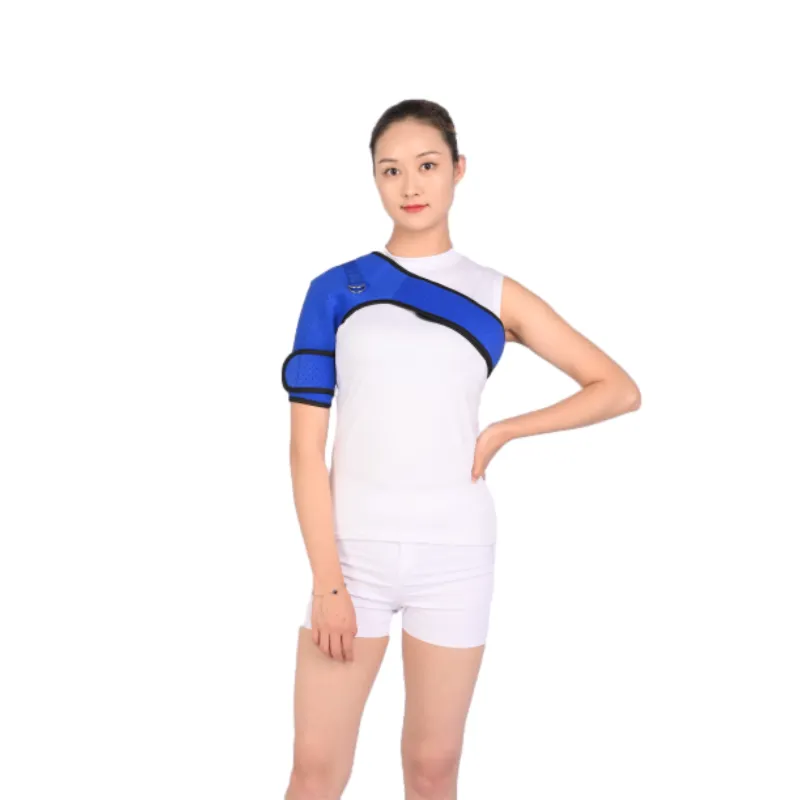
Figure 5: Professional wearing neck shoulder support during a logistics task.
Trustworthiness, Support, and Warranty
Establishing long-term partnerships in B2B procurement demands a foundation of trust, transparent processes, and robust support infrastructure. We are committed to upholding the highest standards of Authoritativeness and Trustworthiness, ensuring our clients receive exceptional products and services for their neck shoulder support needs.
Frequently Asked Questions (FAQ)
Q1: How do I determine the correct size for my workforce?
A: We provide detailed sizing charts and a consultation service to help assess your team's needs. For large orders, we can arrange for fit testing to ensure optimal comfort and efficacy across various body types, including specific considerations for mens shoulder support sizing.
Q2: What are the cleaning and maintenance guidelines for these supports?
A: Our supports are designed for easy maintenance. Most are machine washable on a gentle cycle or can be hand-washed with mild soap and air-dried. Specific instructions are provided with each product and can be customized for your industrial hygiene protocols.
Q3: Can these supports be worn over or under clothing?
A: Our neck shoulder support products are versatile. While designed for comfort against the skin, they can also be effectively worn over light clothing, depending on user preference and the specific work environment.
Q4: What is the typical lead time for a bulk order?
A: For standard bulk orders, lead time is typically 4-6 weeks from order confirmation. Custom solutions or exceptionally large volumes may require a longer lead time, which will be communicated clearly during the quotation process. We maintain robust supply chain management to ensure timely fulfillment.
Warranty and After-Sales Support
We stand behind the quality and durability of our neck shoulder support products with comprehensive warranty coverage and dedicated after-sales support:
- Warranty Commitment: All industrial shoulder supports come with a 2-year limited warranty covering manufacturing defects and material failures under normal industrial use. This demonstrates our confidence in the engineering and production quality, reflecting our commitment as reliable shoulder brace suppliers.
- Customer Support: Our dedicated B2B support team is available to assist with product inquiries, technical specifications, order status, and post-purchase issues. We offer multi-channel support via phone, email, and a dedicated client portal.
- Product Training & Resources: We provide detailed user manuals, instructional videos, and can arrange for product training sessions for your safety officers or procurement teams to ensure correct usage and maximize the benefits of the neck shoulder support.
- Certifications & Compliance: Our manufacturing facilities and products adhere to stringent international standards, including ISO 13485 for medical device quality management, CE marking for European conformity, and FDA registration, underscoring our commitment to global quality benchmarks.
Conclusion
The strategic integration of advanced neck shoulder support systems represents a significant investment in workforce health, safety, and productivity for B2B enterprises. By focusing on superior materials, rigorous manufacturing processes, and ergonomic design, these devices are more than just protective gear; they are critical tools for injury prevention, performance enhancement, and long-term operational resilience. Partnering with a specialized and certified shoulder brace supplier ensures access to solutions that meet evolving industrial demands and stringent regulatory requirements, ultimately contributing to a safer, more efficient, and more sustainable work environment.
References
- International Organization for Standardization (ISO). ISO 13485:2016 Medical devices — Quality management systems — Requirements for regulatory purposes. Available from: iso.org
- Occupational Safety and Health Administration (OSHA). Ergonomics Guidelines for General Industry. Available from: osha.gov
- National Institute for Occupational Safety and Health (NIOSH). Musculoskeletal Disorders (MSDs) & Workplace Ergonomics. Available from: cdc.gov/niosh
- European Agency for Safety and Health at Work (EU-OSHA). Work-related musculoskeletal disorders. Available from: osha.europa.eu
- U.S. Food and Drug Administration (FDA). Medical Devices. Available from: fda.gov
-
Comprehensive Guide to Making Arm Sling – Durable Orthopedic Solutions for B2B BuyersNews Jan.05,2026
-
What Is A Arm Sling Used For – Key Insights from JH OrthopedicNews Dec.11,2025
-
What Injuries Need An Arm Sling – Industry Overview & Best Choices for B2B BuyersNews Dec.11,2025
-
What Are Arm Slings Used For? Benefits and Vendor ComparisonNews Dec.11,2025
-
Purpose of Arm Sling | Support & Recovery EssentialsNews Dec.10,2025
-
Making A Sling For Your Arm: Durable, Comfortable Solutions for Medical ProfessionalsNews Dec.10,2025