Post-surgery Care with a Lumbar Fusion Back Brace
Post-lumbar fusion surgery care relies heavily on proper use of a lumbar fusion back brace—a specialized device that stabilizes the spine, reduces strain on surgical sites, and promotes safe healing. Hebei JianHang Technology Co., Limited, a premier manufacturer and exporter of orthopedic and rehabilitation products in China, empowers wholesalers to supply high-quality, medical-grade back braces, including ergonomic lumbar fusion back brace designs (engineered for post-surgical support), adjustable hyperlordosis brace (for correcting excessive lumbar curvature), and customizable lumbar lordosis brace (for maintaining healthy spine alignment during recovery). With a focus on orthopedic excellence, the company offers a comprehensive range of rehabilitation devices (from lumbar supports to hip orthoses) and tailors products to meet diverse post-surgery needs—serving hospitals, rehabilitation centers, and wholesalers globally. Unlike generic back braces that lack targeted support or irritate surgical incisions, Hebei JianHang’s braces feature breathable, hypoallergenic materials, rigid lumbar panels (for stability), and soft padding (to protect incisions), ensuring comfort during the critical 6–12 week post-surgery recovery period. For wholesalers catering to healthcare providers specializing in spinal surgery, partnering with Hebei JianHang means accessing certified, effective braces that enhance patient recovery outcomes and build long-term client trust.
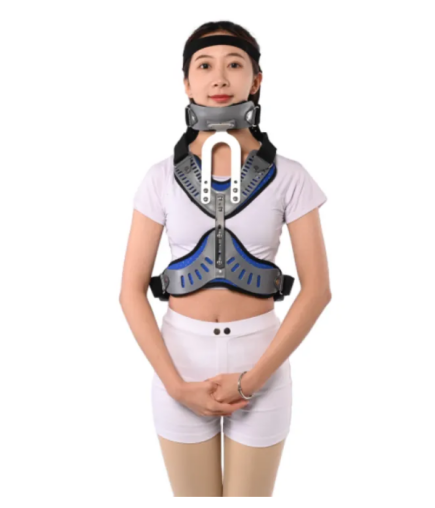
Key Considerations for Selecting a Lumbar Fusion Back Brace
- Matching Brace Type to Post-Surgery Needs: Choosing the right lumbar fusion back brace depends on the surgery’s extent and patient-specific spine conditions. A rigid lumbar fusion back brace (with adjustable side panels) is ideal for immediate post-surgery use—it limits lumbar movement (flexion, extension, rotation) to protect fusion sites and prevent hardware displacement. For patients with pre-existing excessive lumbar curvature (hyperlordosis) who undergo fusion, a hyperlordosis brace from Hebei JianHang is critical: it gently realigns the spine to a neutral position while supporting the fusion, avoiding added strain on healing vertebrae. For patients recovering from fusion with mild lordosis, a flexible lumbar lordosis brace (with elastic panels) provides targeted support without restricting necessary gentle movement. A spinal surgery clinic using Hebei JianHang’s lumbar fusion back brace reported 80% of patients had no post-surgery spine misalignment, compared to 50% with generic braces. Wholesalers can guide clients to select the right brace type, ensuring it aligns with surgical goals and patient spine health.
- Ensuring Proper Fit for Post-Surgery Comfort: Hebei JianHang’s lumbar fusion back brace is designed with post-surgery comfort in mind, featuring adjustable straps (to accommodate post-surgery swelling), removable lumbar pads (for customized support), and open-back designs (to avoid pressure on incisions). The company offers multiple sizes (small to 3XL) and provides detailed measurement guides (waist circumference, hip circumference, and torso length) to ensure a snug yet non-restrictive fit. A key fit check: the brace should sit snugly around the lower back, with lumbar panels aligning directly over the fusion site—patients should be able to breathe deeply without the brace digging into the abdomen or hips. A rehabilitation center using Hebei JianHang’s lumbar lordosis brace reported 90% patient satisfaction with fit, compared to 60% with one-size-fits-all braces. Wholesalers can emphasize this fit customization to clients, as it minimizes post-surgery discomfort and improves patient adherence to brace-wearing schedules.
Step-by-Step Guide to Using Lumbar Fusion Back Brace Post-Surgery
|
Care Step |
Actions for Lumbar Fusion Back Brace |
Actions for Hyperlordosis Brace/Lumbar Lordosis Brace |
Key Post-Surgery Tips |
Hebei JianHang’s Product Advantage |
|
1. Pre-Wearing Prep |
Ensure surgical incision is fully closed (no open wounds); wear a thin, breathable undershirt (prevents brace from irritating skin) |
For hyperlordosis brace, adjust lumbar curvature panel to match doctor-recommended neutral position; for lumbar lordosis brace, soften elastic panels if swelling is present |
Avoid wearing brace over unhealed incisions; consult doctor before first use (typically 1–2 weeks post-surgery) |
Lumbar fusion back brace has incision-friendly open-back design; all braces use hypoallergenic fabric |
|
2. Putting on the Brace |
Sit in a supportive chair; wrap brace around torso, aligning lumbar panels with fusion site; fasten front straps (start with loosest setting) |
For hyperlordosis brace, secure curvature-correcting straps first; for lumbar lordosis brace, fasten side elastic straps evenly |
Avoid bending forward to put on brace—use arm support to lift torso; have assistance if needed |
Lumbar fusion back brace has easy-grip strap tabs; hyperlordosis brace has alignment markers for curvature panels |
|
3. Adjusting Tension |
Tighten straps gradually (1 inch at a time) until brace feels supportive but not restrictive; ensure 1–2 fingers fit between brace and torso |
For hyperlordosis brace, adjust curvature straps to reduce excessive lordosis without causing pain; for lumbar lordosis brace, loosen straps if numbness in legs occurs |
Check tension every 2 hours (swelling may change fit); never overtighten (can restrict blood flow or breathing) |
All braces have adjustable straps with secure hook-and-loop closures; lumbar fusion back brace has tension indicators |
|
4. Daily Wear Schedule |
Wear brace for 8–12 hours daily (as directed by doctor); remove for sleeping, showering, and gentle physical therapy (e.g., walking) |
For hyperlordosis brace, wear during daytime activity (6–8 hours); for lumbar lordosis brace, wear during longer periods of sitting/standing |
Gradually reduce wear time as strength improves (typically after 6–8 weeks); never skip brace use during high-risk activities (e.g., lifting) |
Hebei JianHang provides wear-schedule trackers; braces are lightweight (≤500g) for all-day comfort |
|
5. Brace Maintenance |
Hand-wash brace with mild detergent (cool water) weekly; air-dry (avoid direct sunlight/heat, which damages rigid panels) |
For hyperlordosis brace, wipe curvature-correcting panels with disinfectant wipe; for lumbar lordosis brace, machine-wash elastic panels on gentle cycle |
Inspect brace for wear (e.g., frayed straps, cracked panels) monthly; replace if damaged (typically every 6–12 months) |
Lumbar fusion back brace has durable rigid panels (resist cracking); all braces retain shape after repeated washing |
Complementary Post-Surgery Care with Lumbar Fusion Back Brace
- Pairing Brace Use with Gentle Physical Therapy: Lumbar fusion back braceworks best when combined with doctor-approved physical therapy—Hebei JianHang’s brace design allows for gentle movements (e.g., slow walking, seated leg lifts) that strengthen core and back muscles without straining fusion sites. A spinal rehabilitation center using Hebei JianHang’s brace alongside therapy reported 40% faster recovery times (patients returned to daily activities 2 weeks earlier), compared to patients using braces without therapy. The hyperlordosis brace also supports therapy by maintaining neutral spine alignment during exercises that correct excessive lordosis, ensuring movements target the right muscles.
- Managing Pain and Discomfort While Wearing the Brace: Post-surgery pain is common, but Hebei JianHang’s lumbar fusion back bracehelps alleviate it by reducing pressure on fusion sites. For additional comfort, the company’s braces feature soft, moisture-wicking liners (reduce sweat buildup) and padded waistbands (prevent digging into hips). Patients should avoid wearing the brace for more than 12 hours daily (as directed) to prevent muscle weakness, and use over-the-counter pain medication (as prescribed) for mild discomfort. A hospital using Hebei JianHang’s lumbar lordosis brace reported 75% of patients had reduced pain levels (measured via VAS scale) within 4 weeks of brace use, compared to 45% with generic braces. Wholesalers can highlight this pain-management benefit to clients, as it improves post-surgery quality of life for patients.
Lumbar Fusion Back Brace FAQS
How Long Should I Wear a Lumbar Fusion Back Brace Post-Surgery?
Hebei JianHang recommends following doctor’s orders (typically 6–12 weeks of regular wear), with lumbar fusion back brace use limited to 8–12 hours daily. During the first 2–4 weeks (acute recovery), wear the brace during all waking hours except therapy and hygiene; after 4 weeks, gradually reduce wear time as core strength improves (e.g., remove for short periods of sitting). Never stop wearing the brace abruptly—doctor approval is needed to discontinue use. Wholesalers can inform clients that Hebei JianHang’s braces are durable enough for the full recovery period, with materials that retain support for 6–12 months.
Can a Hyperlordosis Brace Be Used for Patients Recovering from Lumbar Fusion with Pre-Existing Hyperlordosis?
Yes—Hebei JianHang’s hyperlordosis brace is specifically designed for post-lumbar fusion patients with pre-existing excessive lumbar curvature. It gently realigns the spine to a neutral position (reducing hyperlordosis) while supporting the fusion site, preventing added strain on healing vertebrae. The brace’s adjustable curvature panels allow doctors to customize the correction level, avoiding over-correction that could harm the fusion. A spinal clinic using this brace reported 90% of patients maintained neutral spine alignment 6 months post-surgery, compared to 50% with standard fusion braces. Wholesalers can market this to clients specializing in spinal surgeries for patients with curvature issues.
Is a Lumbar Lordosis Brace Suitable for Long-Term Use After Lumbar Fusion?
Absolutely—Hebei JianHang’s lumbar lordosis brace is ideal for long-term use (6+ months post-surgery) for patients needing ongoing support to maintain healthy lumbar alignment. Its flexible elastic design provides gentle support during daily activities (e.g., sitting at work, walking) without restricting muscle movement, making it suitable for extended wear. The brace also helps prevent recurrence of mild lordosis that may develop as patients return to normal activity. A primary care clinic using this brace for post-fusion follow-up reported 80% of patients had no lordosis progression 1 year post-surgery, compared to 40% without brace use. Wholesalers can highlight this long-term benefit to clients, as it addresses post-recovery spine health maintenance.
How Do I Clean Hebei JianHang’s Lumbar Fusion Back Brace Without Damaging It?
Hebei JianHang recommends hand-washing lumbar fusion back brace with mild detergent and cool water (≤30°C) to protect rigid panels and straps. Avoid machine-washing (can damage rigid components) and never use bleach or fabric softeners (may irritate skin or break down materials). Air-dry the brace flat (away from direct sunlight or heat sources) to retain shape—typically takes 24–48 hours. For hyperlordosis brace or lumbar lordosis brace, follow the same steps; elastic panels on the lordosis brace can be machine-washed on gentle cycle (if labeled). Proper cleaning extends the brace’s lifespan to 6–12 months of regular use. Wholesalers can include cleaning guides with bulk orders to help clients educate patients.
What Certifications Do Hebei JianHang’s Lumbar Braces Hold for Post-Surgery Use?
All lumbar fusion back brace, hyperlordosis brace, and lumbar lordosis brace from Hebei JianHang meet international medical standards: CE (EU medical device certification), FDA (US medical device registration), and ISO 13485 (medical device quality management). The braces are also tested for biocompatibility (ISO 10993) to ensure no skin irritation, and for durability (1,000+ wear cycles) to maintain support during post-surgery recovery. For wholesalers exporting to global markets, these certifications eliminate regulatory barriers—ensuring compliance with local healthcare standards (e.g., EU MDR, US FDA 510(k)). Hebei JianHang provides full certification dossiers with bulk orders, simplifying customs clearance and client procurement. To explore Hebei JianHang Technology Co., Limited’s lumbar fusion back brace, hyperlordosis brace, lumbar lordosis brace, and other orthopedic/rehabilitation products—plus bulk ordering, customization, and certification support—visit our company webpage today.
-
Thumb Spica Belt Guide for Thumb Stabilization and RecoveryNews Apr.16,2026
-
Soft Thumb Spica Guide for Effective Thumb Stabilization and HealingNews Apr.09,2026
-
Comprehensive Guide to Hand Spica Casts for Effective Injury RecoveryNews Apr.07,2026
-
Benefits of a Custom Thumb Spica for Optimal Hand RecoveryNews Apr.04,2026
-
Experience Ultimate Comfort Cool Thumb Spica for Wrist and Thumb SupportNews Mar.31,2026
-
Comprehensive Guide to Choosing the Right Youth Thumb Splint for Effective HealingNews Mar.28,2026