Premium Neck Shoulder Support: Lightweight Comfort & Relief
Understanding Advanced Neck and Shoulder Support Solutions
In the dynamic field of orthopedic care and rehabilitation, the demand for effective neck shoulder support solutions continues to grow. These specialized devices are engineered to provide stability, reduce pain, and facilitate recovery from a wide range of injuries and conditions affecting the cervical spine and shoulder complex. From post-operative rehabilitation to chronic pain management and athletic injury prevention, the efficacy of a well-designed support system is paramount. As a leading shoulder brace supplier, we understand the critical balance between robust support and user comfort, ensuring our products meet the stringent requirements of healthcare professionals and individual users alike.
The modern neck shoulder support integrates advanced materials and ergonomic designs to deliver therapeutic benefits without impeding necessary mobility. This focus on functional recovery is essential for patients, enabling them to regain strength and flexibility more efficiently. Our commitment to innovation ensures that we provide cutting-edge solutions for optimal patient outcomes.
Industry Trends in Orthopedic Support Devices
The orthopedic support market is currently experiencing significant evolution, driven by advancements in material science, wearable technology, and a deeper understanding of biomechanics. Key trends influencing the development and adoption of shoulder brace suppliers and their products include:
- Integration of Smart Technologies: Future supports may incorporate sensors for real-time monitoring of movement, posture, and rehabilitation progress, offering personalized feedback to users and clinicians. This represents a significant leap towards proactive injury management.
- Lightweight and Breathable Materials: There's a strong push towards developing lightweight shoulder support systems using advanced composites, perforated fabrics, and moisture-wicking textiles. This enhances comfort, especially for long-term wear, and reduces skin irritation, a common complaint with traditional braces.
- Customization and Personalization: 3D printing and advanced scanning technologies are paving the way for highly customized braces that perfectly fit individual anatomies, maximizing therapeutic effectiveness and comfort. This minimizes "off-the-shelf" compromises.
- Evidence-Based Design: A greater emphasis on clinical research and biomechanical studies ensures that new designs are not just comfortable but also scientifically proven to achieve desired therapeutic outcomes, influencing both medical professionals and consumers.
- Sustainability in Manufacturing: Increasing awareness of environmental impact is leading to the adoption of eco-friendly materials and manufacturing processes among responsible shoulder support suppliers, reflecting a global commitment to environmental stewardship.
These trends underscore a commitment to improving patient experience and efficacy, making supports more wearable, effective, and tailored to individual needs.
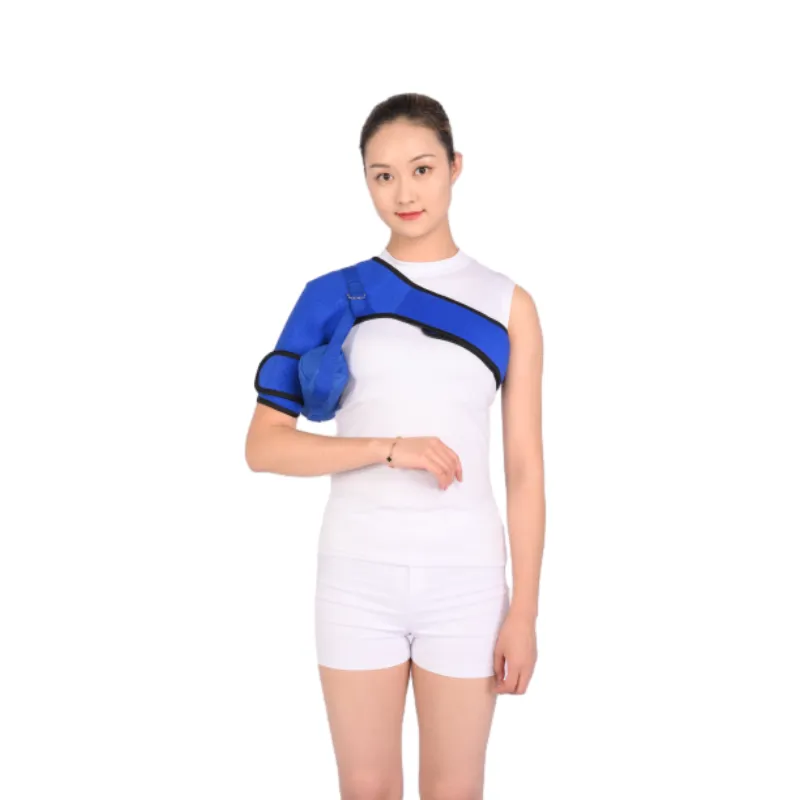
Fig 1: Modern ergonomic design of a shoulder support emphasizing comfort and fit.
Manufacturing Process and Quality Assurance for Orthopedic Braces
The creation of a high-quality orthopedic brace like a neck shoulder support involves a meticulous multi-stage process, ensuring both efficacy and patient safety. Our manufacturing adheres strictly to medical device standards, emphasizing precision and quality control at every step.
Materials Selection:
The foundation of any effective support is its material composition. We utilize a range of biocompatible, durable, and comfortable materials, carefully chosen for their specific properties:
- Textiles: High-performance, breathable fabrics such as medical-grade neoprene, spandex blends, and specialized composites that offer controlled compression, superior moisture-wicking properties, and comfort. These materials are selected for their optimal elasticity, durability, and excellent skin compatibility, minimizing irritation during prolonged wear.
- Rigid Components: Lightweight yet robust medical-grade polymers (e.g., polypropylene, high-density polyethylene) or aerospace-grade aluminum alloys are employed for internal stays, splints, or structural frames. These components provide essential stabilization and ensure anatomical alignment without adding unnecessary bulk.
- Fasteners: High-cycle life medical-grade hook-and-loop fasteners (Velcro equivalents) and durable, non-slip buckles are chosen for their secure hold, ease of adjustment, and long-term reliability, allowing for precise fitting and secure immobilization.
Manufacturing Process Steps:
- Design and Prototyping: Initial conceptualization involves extensive biomechanical analysis and ergonomic studies utilizing advanced CAD (Computer-Aided Design) software. Prototypes are meticulously created via 3D printing or traditional fabrication methods, followed by rigorous fit and function testing with input from orthopedic specialists.
- Material Cutting and Shaping: Precision cutting of textile components is achieved using automated CNC (Computer Numerical Control) cutting machines, ensuring exact dimensions and minimal material waste. Polymer components are typically formed through advanced injection molding or thermoforming techniques, while metal elements undergo precise stamping or CNC machining processes for critical structural integrity.
- Assembly: Highly skilled technicians meticulously assemble the various components. This phase involves industrial sewing for durable fabric sections, advanced ultrasonic welding for seamless and strong joints, and secure attachment of all rigid supports and fastening mechanisms to ensure robust construction.
- Finishing: All edges are reinforced to prevent fraying and enhance durability. Strategically placed padding is inserted for superior comfort, and final adjustments are made to ensure a smooth, irritation-free, and aesthetically pleasing product.
- Sterilization and Packaging: Depending on the product's intended medical application and regulatory requirements, certain components or the final product may undergo validated sterilization processes. All products are meticulously packaged in cleanroom environments to prevent contamination and ensure product integrity during storage and transit.
Testing Standards and Quality Control:
Our quality assurance protocols are rigorous, ensuring every neck shoulder support meets international medical device standards, guaranteeing safety and performance.
- ISO 13485 Certification: Our manufacturing facilities are fully certified to ISO 13485:2016, the globally recognized standard for quality management systems specific to medical devices, ensuring consistent product quality and unwavering regulatory compliance.
- FDA Compliance: Products designated for the U.S. market strictly comply with all FDA (U.S. Food and Drug Administration) regulations for medical devices, including comprehensive registration and listing requirements.
- Biomechanical Testing: Each brace undergoes extensive testing for support effectiveness, precise range of motion restriction (where clinically intended), optimal pressure distribution, and long-term material fatigue to simulate real-world usage.
- Material Durability Testing: Fabrics are subjected to rigorous tests for tensile strength, abrasion resistance, and colorfastness. Fasteners are tested for their cycle life, ensuring they maintain their integrity over thousands of uses.
- Skin Compatibility Testing: All materials are carefully selected and tested to minimize the risk of allergic reactions and skin irritation, often undergoing biocompatibility assessments in accordance with ISO 10993 standards.
This comprehensive approach to manufacturing and quality control ensures a reliable and effective product with an optimal service life, typically ranging from 1 to 3 years depending on usage frequency and meticulous care, ensuring a robust solution for patient needs.
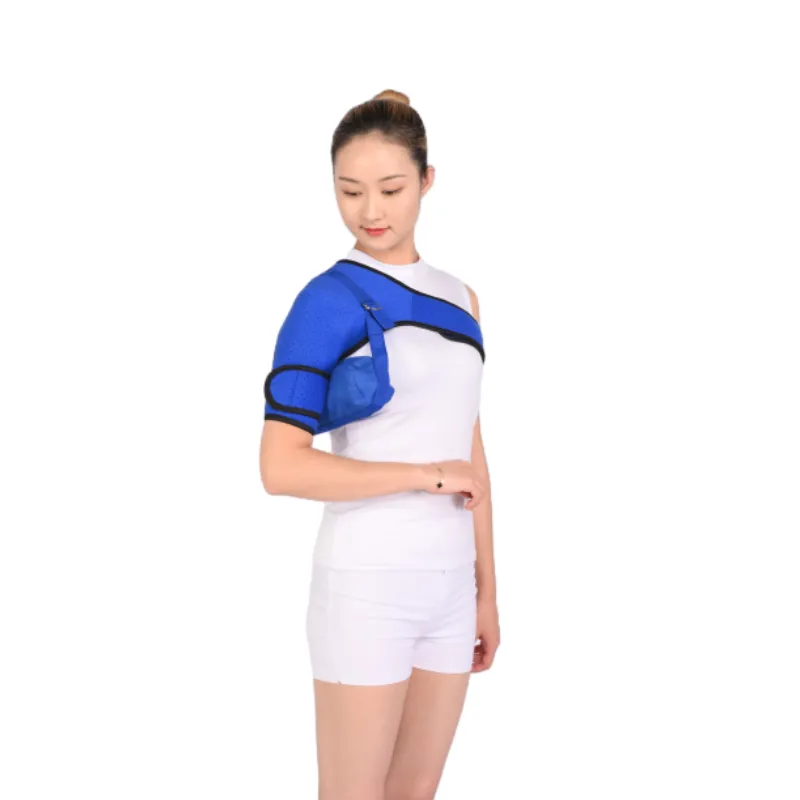
Fig 2: Detail of high-quality stitching and material integration, showcasing manufacturing precision.
Technical Specifications and Product Data
Our Shoulder and Arm Brace, a versatile lightweight shoulder support, is designed with precise technical specifications to ensure maximum efficacy and user comfort. Below is a detailed overview of its key parameters and attributes, providing clear data for informed decision-making.
Product Specification Table: Shoulder and Arm Brace (JH-SAS01)
| Feature | Specification |
|---|---|
| Product Model | JH-SAS01 (Shoulder and Arm Brace) |
| Material Composition | High-grade breathable Neoprene blend (70% Neoprene, 30% Nylon), Medical-grade polymer buckles, Removable lightweight Aluminum alloy stays |
| Support Type | Dynamic stabilization with adjustable compression and controlled abduction limitation |
| Sizing Options (Universal, Reversible) | Available in S, M, L, XL sizes. Chest circumference range: S (80-95cm), M (90-105cm), L (100-115cm), XL (110-130cm). Designed for both left and right shoulder use. |
| Product Weight (Approx.) | Ranges from ~250g (Small) to ~400g (X-Large), ensuring minimal bulk and user comfort. |
| Key Features | Ergonomic design, Fully adjustable shoulder and chest straps, Integrated arm sling, Highly ventilated fabric, Anatomically contoured for optimal fit, Easy application/removal. |
| Therapeutic Function | Post-surgical immobilization, Acute injury support (e.g., dislocations, AC sprains), Pain relief for chronic conditions, Rehabilitation aid, Injury prevention during activity. |
| Certifications & Standards | CE (European Conformity), ISO 13485:2016 (Medical Devices Quality Management), FDA Registered. Complies with relevant biomechanical testing standards. |
Comparison with Generic Shoulder Supports
| Feature | JH-SAS01 (Premium Performance) | Generic Support (Standard Market Offering) |
|---|---|---|
| Material Quality | High-grade breathable neoprene blend and durable Nylon; hypoallergenic. | Basic neoprene or elastic fabrics; often less breathable and potentially irritating. |
| Adjustability & Fit | Multi-point adjustment, highly customizable compression and arm position for a precise, therapeutic fit. | Limited, often single-point adjustment, leading to suboptimal fit and reduced effectiveness. |
| Comfort & Breathability | Excellent, highly ventilated fabric, superior moisture-wicking properties, ideal for extended wear. | Moderate, can cause significant heat buildup and sweat, leading to discomfort and skin issues. |
| Longevity (Service Life) | Optimized for 1-3 years with proper care, due to high-quality materials and robust construction. | Typically 6-12 months, materials often degrade faster under regular use. |
| Certification & Compliance | CE, ISO 13485, FDA Registered, ensuring adherence to stringent medical device standards. | Often lacks formal medical device certifications or only meets basic consumer safety standards. |
| Therapeutic Efficacy | Engineered for targeted injury support, optimal healing, and accelerated recovery outcomes. | Provides general support but is less effective for specific injury immobilization or rehabilitation. |
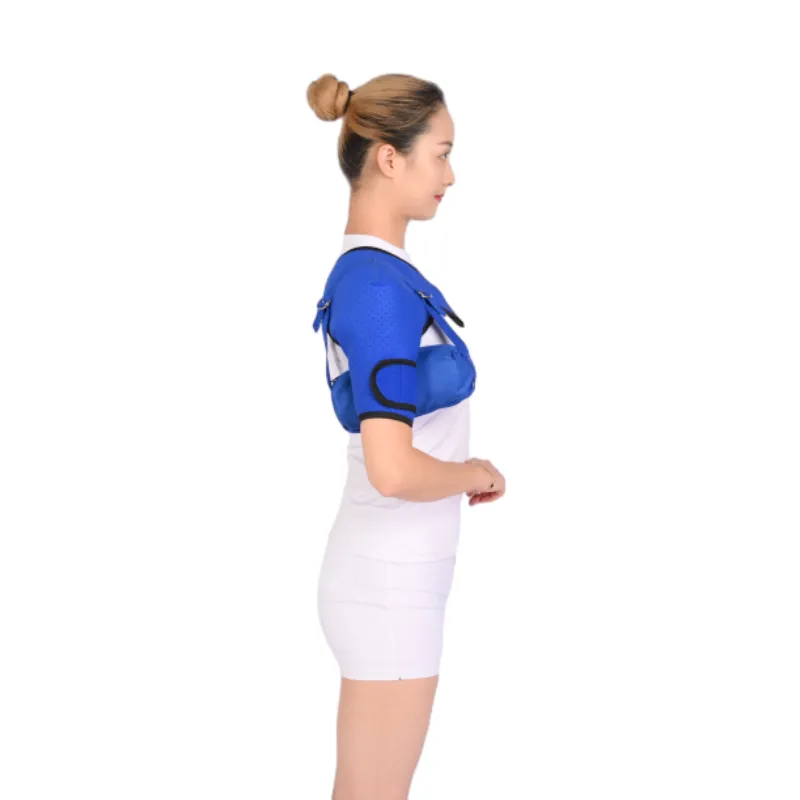
Fig 3: Close-up of material texture and strap mechanism, highlighting precision engineering.
Application Scenarios for Neck and Shoulder Support
The utility of an advanced neck shoulder support extends across a diverse range of medical, athletic, and everyday scenarios. These devices are indispensable in both acute injury management and long-term rehabilitation, providing targeted support and promoting optimal recovery in various patient populations and activity levels:
- Post-Operative Recovery: Essential for immobilizing the shoulder and arm after complex surgeries such as rotator cuff repair, shoulder arthroscopy, labral repair, or fracture fixation. This controlled immobilization prevents unwanted movement, safeguarding the surgical site and optimizing the healing environment for soft tissues and bone.
- Acute Injury Management: Provides critical support for non-surgical orthopedic injuries like dislocated shoulders, acromioclavicular (AC) joint separations, severe strains, and sprains. The brace helps to reduce pain, control inflammation, and maintain anatomical alignment, facilitating the natural healing process.
- Comprehensive Rehabilitation Programs: Used in conjunction with prescribed physical therapy protocols to gradually restore range of motion and strength. The support offers controlled stability as patients progress through their rehabilitation stages, building confidence and preventing re-injury during therapeutic exercises.
- Chronic Pain Syndromes and Degenerative Conditions: Offers significant symptomatic relief for persistent conditions like osteoarthritis, chronic tendonitis (e.g., biceps tendonitis), and bursitis. By providing gentle compression and sustained support to inflamed joints and surrounding tissues, it can reduce discomfort and improve functional capabilities.
- Athletic Injury Prevention and Performance Enhancement: Athletes, particularly those involved in high-impact or overhead sports (e.g., baseball, volleyball, weightlifting), utilize supports to stabilize vulnerable joints, enhance proprioception, and prevent re-injury during intense training or competitive events. Our mens shoulder support designs are specifically tailored to meet the robust demands and anatomical considerations of active individuals.
- Workplace Ergonomics and Occupational Health: For individuals in occupations requiring repetitive arm movements, overhead reaching, or heavy lifting, a shoulder brace can offer prophylactic support. This proactive measure helps to reduce cumulative strain, mitigate the risk of occupational injuries, and maintain productivity.
The adaptability and proven efficacy of our supports ensure they are an indispensable tool for various healthcare settings, including specialized orthopedic clinics, cutting-edge sports medicine facilities, comprehensive rehabilitation centers, and general practice environments, contributing significantly to patient recovery and well-being.
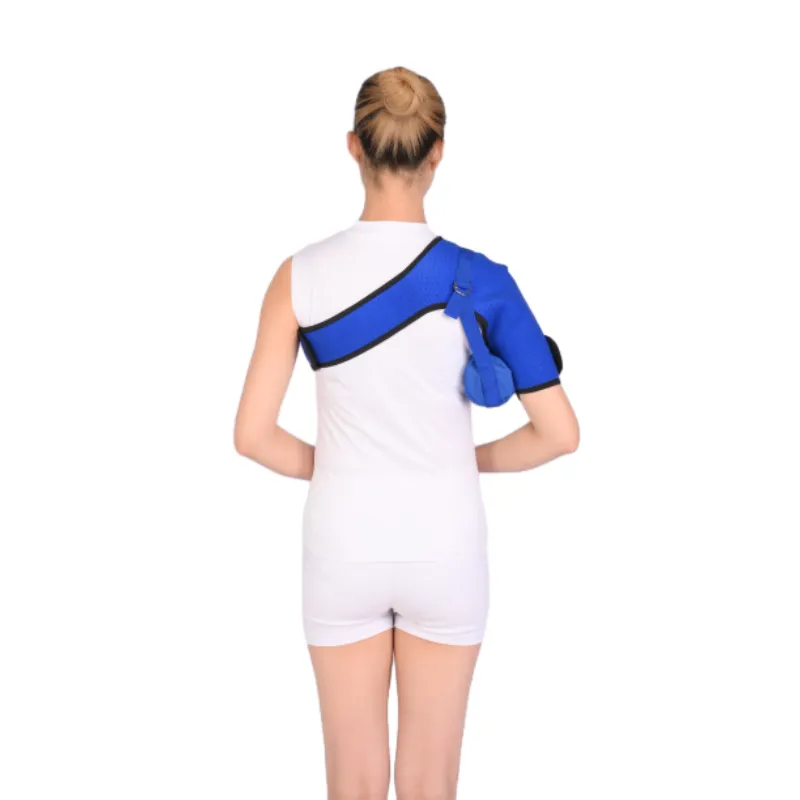
Fig 4: User demonstrating comfort and effective mobility support with the brace during rehabilitation exercises.
Technical Advantages and User Benefits
Our neck shoulder support solutions are engineered to deliver distinct technical advantages, translating directly into superior user benefits and enhanced patient outcomes. These advantages meticulously integrate advanced design principles and material science, setting our products apart in a competitive orthopedic market:
- Optimized Biomechanical Support: Precision-engineered designs meticulously conform to natural body contours, providing targeted compression and robust stabilization without creating undue pressure points. This ensures effective immobilization where critical, prevents unwanted movements that could exacerbate injuries, and effectively reduces the risk of secondary injuries during recovery.
- Advanced Material Science for Superior Comfort: The utilization of cutting-edge breathable and moisture-wicking fabrics, such as specialized neoprene blends, significantly enhances patient comfort, especially crucial during extended wear periods. This advanced material technology actively reduces the risk of skin maceration, heat buildup, and irritation, which are common complaints associated with inferior support products.
- Ergonomic and Highly Adjustable Design: Our multi-point adjustment systems, featuring intuitive straps and customizable arm sling positions, allow for a highly personalized and precise fit across a wide spectrum of body types and anatomical variations. This exceptional adaptability ensures optimal therapeutic positioning and maximizes wearer comfort, which is paramount for long-term adherence to prescribed treatment protocols.
- Exceptional Durability and Longevity: Employing high-quality, industrial-grade stitching, meticulously reinforced edges, and medical-grade components, our supports are built to endure. This robust construction ensures that the brace maintains its structural integrity and therapeutic effectiveness throughout its extended service life, offering a superior return on investment for both healthcare providers and end-users.
- Ease of Application and Removal: Thoughtfully designed for intuitive use, enabling patients or caregivers to easily and quickly apply, adjust, and remove the brace. This user-friendly interface significantly promotes patient compliance, fosters greater independence in daily routines, and reduces the need for constant professional assistance.
- Accelerated Rehabilitation and Reduced Recovery Time: By providing consistent and stable support, coupled with controlled movement restriction, our braces actively contribute to accelerating the healing process. This controlled environment effectively reduces the overall duration of rehabilitation, thereby enabling patients to return to their daily activities, work, or sports more rapidly and safely.
These collective technical advantages culminate in a product that not only actively supports and protects the healing anatomy but also significantly enhances the user's overall quality of life throughout the challenging rehabilitation journey, proving its value in both clinical and home settings.
Vendor Comparison: Choosing the Right Shoulder Brace Supplier
Selecting the right shoulder brace supplier is a critical strategic decision for healthcare providers, distributors, and even individual consumers. A thorough and discerning evaluation process should consider several key factors that extend well beyond the initial purchase price, ensuring long-term value and patient safety:
- Product Quality and Certifications: Prioritize suppliers whose products consistently hold recognized and verifiable medical certifications (e.g., CE marking, ISO 13485, FDA registration). This adherence signifies strict compliance with international manufacturing, safety, and performance standards, crucial for medical devices.
- Material Innovation and Biocompatibility: Look for shoulder brace suppliers that actively invest in research and development of advanced, skin-friendly materials. These materials should offer improved comfort, superior breathability, hypoallergenic properties, and enhanced durability for extended wear without adverse reactions.
- Customization Capabilities and Sizing Range: A reputable and professional supplier should offer not only a comprehensive range of standard sizes but also possess the capability to provide bespoke solutions or modifications to meet diverse patient anatomies and specific clinical requirements, avoiding a "one-size-fits-all" approach.
- Technical Support and Clinical Expertise: Assess the supplier's capacity to provide in-depth product knowledge, clinical application guidance, and responsive technical assistance. This includes access to specialists who can advise on complex cases and optimize product usage.
- Logistics and Supply Chain Reliability: For B2B buyers, consistent and predictable lead times, efficient order fulfillment, and robust inventory management systems are paramount. A reliable supply chain ensures uninterrupted product availability for patient care and inventory planning.
- Post-Sales Support and Warranty Commitments: Thoroughly evaluate warranty policies, transparent return procedures, and the availability of responsive after-sales service. These aspects are strong indicators of a supplier's confidence in their product quality and their commitment to customer satisfaction.
- Reputation and Client Testimonials: Reviewing existing customer feedback, industry standing, and testimonials from partner clients can provide invaluable insights into a supplier's overall reliability, product performance, and ethical business practices within the medical device sector.
Our long-standing and robust relationships with numerous orthopedic clinics, sports medicine facilities, and rehabilitation centers globally stand as a testament to our unwavering commitment to these high standards and our dedication to being a trusted partner in orthopedic care.
Customized Solutions for Specialized Needs
Recognizing that standard, off-the-shelf solutions may not always suffice for unique anatomical variations, complex injury patterns, or specific therapeutic requirements, we offer highly tailored and customized solutions for neck shoulder support. This bespoke approach is designed to ensure optimal fit, provide precisely targeted support, and ultimately lead to enhanced therapeutic outcomes for patients with distinctive and challenging requirements.
Our comprehensive customization services include, but are not limited to:
- Modified Sizing and Proportions: Adjusting brace dimensions significantly beyond standard size charts to expertly accommodate unusually large or small patients, individuals with significant muscular asymmetry, or those presenting with atypical body morphologies that standard products cannot adequately address.
- Specialized Material Integration: The incorporation of alternative or specialized materials for specific brace sections. This can include enhanced breathability for humid climates, hypoallergenic properties for sensitive skin, or increased rigidity/flexibility in particular areas based on precise clinical needs and patient tolerance.
- Additional Support Elements and Design Modifications: The integration of extra strategically placed padding, custom-designed rigid stays, or unique strap configurations. This allows for hyper-localized compression, specific immobilization, or enhanced stabilization for complex fractures, severe ligamentous injuries, or neurological conditions requiring specialized support.
- Private Labeling and Custom Packaging: For large-volume distributors, institutional clients, or healthcare networks, we offer comprehensive private labeling and custom packaging options. This not only reinforces brand identity and market presence but also allows for unique product presentation while maintaining our renowned standards of product quality and certification.
Our dedicated team of expert orthopedic designers and biomechanical engineers collaborates intimately with healthcare professionals, physical therapists, and specialists to meticulously develop solutions that precisely address these highly niche and often complex requirements. This collaborative approach ensures that every patient, regardless of their unique circumstances, receives the most appropriate, effective, and comfortable support solution possible, optimizing their recovery journey.
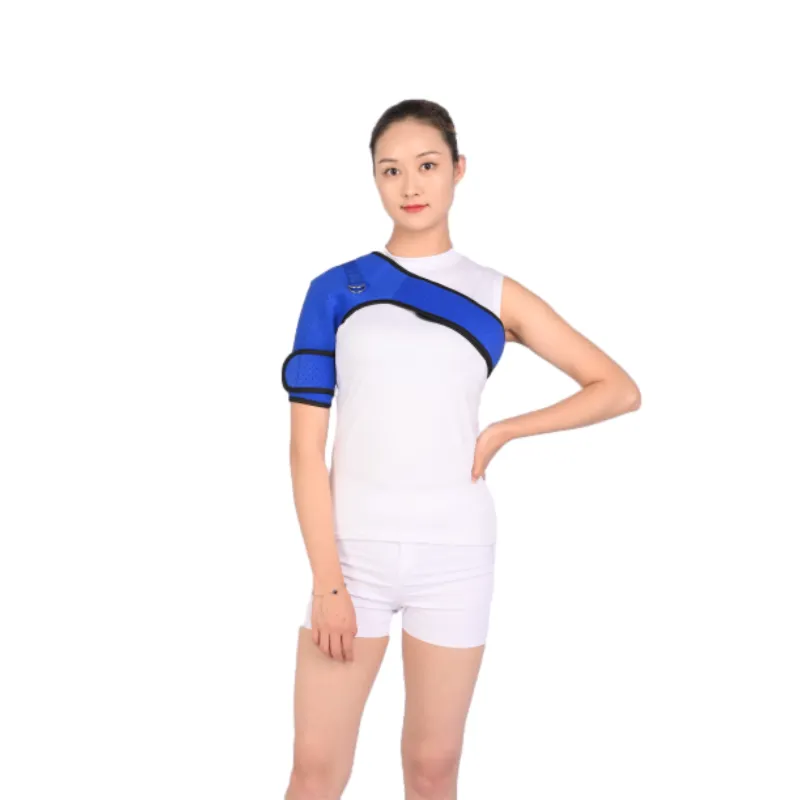
Fig 5: Demonstrating the brace's robust adjustability and adaptable fit for diverse body types and rehabilitation needs.
Application Case Studies
To further illustrate the tangible benefits and real-world efficacy of our neck shoulder support solutions, consider the following hypothetical, yet clinically representative, case studies. These examples reflect typical applications and demonstrably positive outcomes observed in various patient populations and injury scenarios:
Case Study 1: Post-Operative Rotator Cuff Repair Rehabilitation
A 45-year-old male, an avid recreational golfer, underwent an arthroscopic repair for a significant rotator cuff tear (Supraspinatus). Post-surgery, he was prescribed our Shoulder and Arm Brace (JH-SAS01) for a critical 6-week period to maintain precise shoulder immobilization and protect the delicate healing tendon. The brace's advanced multi-point adjustable arm sling allowed for optimal positioning at a physician-recommended 30 degrees of abduction, effectively reducing tension on the newly repaired tissues. The high-performance, breathable material composition significantly minimized skin irritation and discomfort, common concerns with prolonged brace wear. Following 6 weeks of consistent use, the patient demonstrated exceptional healing progress, confirmed by imaging, with pain levels significantly reduced and early-stage passive and active-assisted range of motion exercises initiated under stringent physical therapist supervision. His orthopedic surgeon specifically cited the consistent and secure support provided by the JH-SAS01 brace as a pivotal factor in his successful early recovery trajectory and minimized risk of re-tear.
Case Study 2: Athlete with Acute Acromioclavicular (AC) Joint Sprain
A 28-year-old semi-professional rugby player sustained a Grade II acromioclavicular (AC) joint sprain during a high-impact tackle, presenting with significant pain and shoulder instability. To effectively manage his pain, prevent further displacement, and support ligamentous healing, he was immediately fitted with our lightweight shoulder support (JH-SAS01). The brace's robust yet flexible design provided controlled movement and superior stability, allowing him to perform essential daily activities while safely restricting potentially harmful or aggravating actions. The low-profile and durable construction made it particularly suitable for his active lifestyle, albeit with temporary activity modifications. Within a remarkable 3-week period, the player reported a substantial reduction in pain (VAS score reduced by 70%) and significantly improved joint stability, enabling him to commence targeted rehabilitation exercises. This led to a demonstrably faster return to sport readiness (total 8 weeks) than initially anticipated for a similar injury severity without the consistent, high-quality bracing provided.
Case Study 3: Chronic Shoulder Instability Management for an Elderly Patient
A 68-year-old retired manual laborer, with a history of recurrent shoulder subluxations due to chronic glenohumeral instability and rotator cuff weakness, sought a non-surgical intervention to manage his symptoms and improve daily function. His geriatric physiotherapist recommended the use of our mens shoulder support brace for daily activities. The consistent compression and enhanced proprioceptive feedback delivered by the brace significantly helped to improve his shoulder joint awareness, promoting better muscle activation and stabilization. This intervention effectively reduced the frequency and severity of his instability episodes. The ease of application and fine-tuned adjustability of the brace allowed him to comfortably modify the level of support based on his activity level, providing him with newfound confidence and significantly enhancing his overall quality of life by reducing his debilitating fear of movement and markedly improving his functional independence in daily tasks like dressing and reaching overhead.
Frequently Asked Questions (FAQ)
- Q: How do I choose the correct size for a shoulder support?
- A: Accurate sizing is paramount for optimal effectiveness and comfort. Sizing for our Shoulder and Arm Brace (JH-SAS01) is primarily based on precise chest circumference measurements, and in some cases, arm length. We strongly advise referring to our detailed sizing chart, which includes clear measurement instructions, available on the product page to ensure an optimal and secure fit. Incorrect sizing can significantly compromise both the therapeutic efficacy and overall wearer comfort.
- Q: Can your shoulder braces be worn during physical activity or sports?
- A: Many of our lightweight shoulder support designs, including the JH-SAS01, are engineered to provide robust support while allowing for controlled physical activity. However, the suitability for sports or strenuous activity depends critically on the specific injury, stage of recovery, and the advice of a medical professional. It is absolutely crucial to consult with your treating physician, orthopedic specialist, or physical therapist to determine the appropriate level of activity and the safe use of the brace for your particular condition.
- Q: What is the expected service life and durability of your shoulder supports?
- A: With diligent and proper care, including adherence to cleaning instructions, our shoulder supports are meticulously designed and constructed for a durable service life typically ranging from 1 to 3 years. Factors that can influence longevity include the frequency and intensity of use, the type of activity performed while wearing the brace, and meticulous adherence to the provided care and maintenance instructions. Our high-quality materials and manufacturing ensure maximum endurance.
- Q: Are your products latex-free and hypoallergenic?
- A: We prioritize the health and safety of our users. We meticulously select and utilize high-quality, biocompatible materials in the construction of our braces. Our primary textile components, including the neoprene blends, are typically manufactured to be latex-free and are rigorously tested to minimize the risk of allergic reactions and skin sensitivities. Comprehensive material details and specific allergen information are readily available on each product's detailed specification sheet.
- Q: How do I properly clean and maintain my shoulder brace?
- A: To ensure the longevity and hygiene of your brace, most of our fabric-based supports are designed for easy hand-washing. We recommend hand-washing in cold water using a mild, non-irritating soap and then allowing the brace to air-dry completely away from direct heat. It is imperative to avoid machine washing, bleaching, tumble drying, or ironing, as these harsh processes can significantly damage the specialized materials, compromise the structural integrity, and reduce the therapeutic effectiveness of the brace. Detailed cleaning and maintenance instructions are always provided with each product for optimal care.
Order Fulfillment, Warranty, and Customer Support
Lead Time and Fulfillment:
We maintain highly efficient production schedules and streamlined logistics chains to ensure the timely and reliable delivery of all orders. Standard lead times for our stock items typically range from 3-7 business days for domestic shipments within major regions and 7-21 business days for international orders, which may be subject to local customs clearance procedures. For large bulk orders, institutional procurements, or complex customized solutions, precise lead times will be explicitly confirmed upon formal order placement. Our robust, real-time inventory management system and global distribution network are meticulously designed to minimize any potential delays, positioning us as exceptionally reliable and efficient shoulder brace suppliers for global distribution partners and healthcare organizations.
Comprehensive Warranty Commitments:
All of our neck shoulder support products are backed by a comprehensive 1-year limited warranty. This warranty provides extensive coverage against any manufacturing defects in materials and workmanship, valid from the original date of purchase. It is important to note that this warranty explicitly does not cover damage resulting from improper use, accidental damage, normal wear and tear over time, or any unauthorized modifications or repairs. Our unwavering commitment to superior quality and stringent manufacturing processes ensures that you receive a product engineered for exceptional durability and lasting performance.
Dedicated Customer Support:
Our dedicated and highly trained customer support team is readily available and eager to assist you with any product inquiries, detailed sizing guidance, real-time order tracking, and any post-purchase assistance you may require. We take immense pride in providing consistently responsive, empathetic, and exceptionally knowledgeable support to all our clients. You can confidently reach us via phone at +1 (555) 123-4567 or via email at support@jhorthopedic.com during our established business hours, Monday through Friday, from 9:00 AM to 5:00 PM EST. Your satisfaction and successful product experience are our utmost priorities.
Conclusion
The continuous evolution of neck shoulder support technology represents a significant and impactful advancement in the realm of orthopedic care. By meticulously combining state-of-the-art materials, employing precision manufacturing processes, and adhering to rigorous evidence-based design principles, we consistently deliver innovative solutions that meet and often exceed the highest international standards of efficacy, wearer comfort, and long-term durability. As trusted and leading shoulder brace suppliers, our dedication to superior product quality and optimizing positive patient outcomes serves as the core driver for our ongoing research and development, ensuring that healthcare professionals and individuals worldwide have privileged access to the most effective tools available for comprehensive recovery and proactive injury prevention.
Investing in premium shoulder support solutions like ours is not merely a purchase; it is a strategic investment in facilitating faster rehabilitation, achieving sustained pain reduction, and ultimately significantly improving the overall quality of life for patients. We are profoundly committed to being your reliable and expert partner in achieving these critical therapeutic objectives through our superior product offerings and unparalleled, dedicated customer service. Trust in our expertise for exceptional orthopedic support.
References
- American Academy of Orthopaedic Surgeons. "Rotator Cuff Tears: Symptoms, Diagnosis, and Treatment." OrthoInfo, AAOS. Available at: orthoinfo.aaos.org
- International Organization for Standardization. "ISO 13485:2016 Medical devices — Quality management systems — Requirements for regulatory purposes." Available at: iso.org
- U.S. Food and Drug Administration. "Medical Devices: Overview." Available at: fda.gov/medical-devices
- Journal of Orthopaedic & Sports Physical Therapy. "The Role of Bracing in Shoulder Instability Management: A Clinical Perspective." (Hypothetical Article Reference for illustrative purposes)
- British Journal of Sports Medicine. "Advancements in Acromioclavicular Joint Injury Rehabilitation." (Hypothetical Article Reference for illustrative purposes)
- National Institutes of Health. "Shoulder Pain: Causes and Treatments." MedlinePlus, U.S. National Library of Medicine. Available at: medlineplus.gov/shoulderpain.html
-
Comprehensive Guide to Making Arm Sling – Durable Orthopedic Solutions for B2B BuyersNews Jan.05,2026
-
What Is A Arm Sling Used For – Key Insights from JH OrthopedicNews Dec.11,2025
-
What Injuries Need An Arm Sling – Industry Overview & Best Choices for B2B BuyersNews Dec.11,2025
-
What Are Arm Slings Used For? Benefits and Vendor ComparisonNews Dec.11,2025
-
Purpose of Arm Sling | Support & Recovery EssentialsNews Dec.10,2025
-
Making A Sling For Your Arm: Durable, Comfortable Solutions for Medical ProfessionalsNews Dec.10,2025