Rigid Collar Neck: Stiff Cervical Brace for Firm Support
The Crucial Role of the rigid collar neck in Modern Orthopedics and Trauma Care
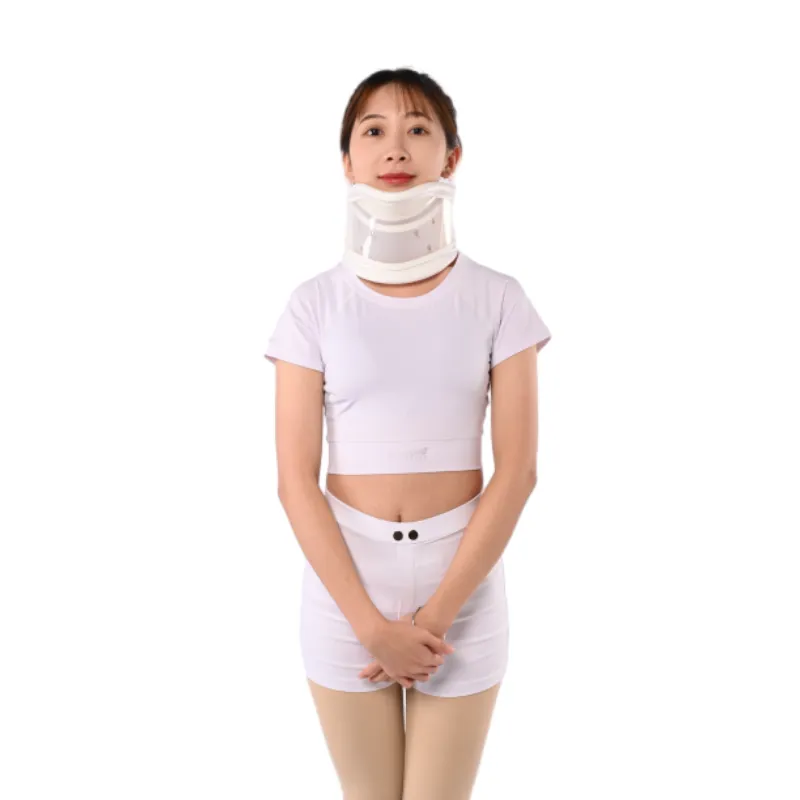
In the landscape of medical device technology, the rigid collar neck stands as a cornerstone for cervical spine immobilization. Essential for managing acute trauma, post-operative recovery, and degenerative conditions, these devices are critical in preventing further neurological damage and facilitating optimal healing. Modern designs emphasize not only superior immobilization but also patient comfort, radiolucency for diagnostic imaging, and ease of application in high-stress environments.
Industry Trends and Market Dynamics
The global market for orthopedic bracing and support devices, including the rigid collar neck, continues to experience robust growth. Driven by an aging population, rising incidence of spinal injuries, increasing participation in sports, and advancements in surgical techniques, the demand for high-quality, effective immobilization solutions is escalating. Key trends include the development of lightweight, durable, and MRI-compatible materials, enhanced ergonomic designs for prolonged wear, and integrated infection control features. There is a strong emphasis on evidence-based design, ensuring that products offer precise levels of immobilization without compromising patient safety or diagnostic capabilities. The integration of telemedicine and remote patient monitoring also influences design, with a focus on user-friendly applications and educational resources for patients and caregivers.
Technical Specifications and Material Science
The efficacy of a rigid collar neck is intrinsically linked to its technical specifications and the advanced materials employed in its construction. These devices are typically engineered from high-density, medical-grade plastics, such as polyethylene (HDPE) or polypropylene (PP), which provide the necessary structural rigidity and durability. Interior padding often utilizes non-toxic, hypoallergenic, closed-cell EVA foam or open-cell polyurethane foam for patient comfort, moisture-wicking, and ease of cleaning.
Key Parameters for a Stiff Cervical Collar:
| Parameter | Description/Specification |
|---|---|
| Material (Rigid Shell) | Medical-grade High-Density Polyethylene (HDPE) or Polypropylene (PP) |
| Material (Padding) | Closed-cell EVA Foam, hypoallergenic, breathable, moisture-resistant |
| Design | Two-piece anterior/posterior shells, chin support, occipital support, large tracheal opening for emergency access. |
| Immobilization Range | Significantly reduces flexion, extension, lateral bending, and rotation of C1-T1. Typically 80-90% restriction compared to no collar. |
| Radiolucency | Fully radiolucent for X-ray, CT, and MRI compatibility (metal-free fasteners). |
| Adjustability | Height adjustment mechanisms for precise fit (e.g., Sizing Dial, Universal Sizing) |
| Weight | Approximately 150-300g (varies by size and model) |
| Cleaning | Waterproof, easy to clean with mild soap and water. |
The anatomical contouring of these collars is paramount. Precise fit ensures effective immobilization, prevents pressure points, and enhances patient compliance. Features like large tracheal openings facilitate emergency tracheotomies, allow for easy pulse checks, and improve ventilation, crucial in critical care settings. The modular design, often featuring anterior and posterior panels, allows for quick application and removal, which is vital in emergency medical scenarios.
Manufacturing Process and Quality Assurance
The production of a high-quality rigid collar neck involves a meticulous process flow, adhering to stringent medical device manufacturing standards to ensure safety, efficacy, and consistency.
Process Flow for Rigid Cervical Collars:
- Material Procurement & Inspection: Sourcing of medical-grade HDPE or PP granules and hypoallergenic EVA foam from certified suppliers. Incoming materials undergo rigorous inspection for chemical composition, physical properties (e.g., tensile strength, density), and biocompatibility.
- Injection Molding: The rigid plastic components (anterior and posterior shells, chin piece) are produced using high-precision injection molding. This process ensures accurate anatomical contours, consistent wall thickness, and optimal structural integrity. Advanced CAD/CAM systems are employed for mold design to achieve precise dimensions and features.
- Foam Lamination & Cutting: The EVA foam padding is laminated onto a fabric backing, then precisely cut using CNC machining to match the contours of the rigid shells. This ensures a seamless fit and prevents adhesive failures.
- Assembly & Fastener Integration: The padded components are adhered to the rigid shells. Hook-and-loop fasteners (e.g., Velcro-style) are securely attached, ensuring adjustability and secure closure. All assembly is performed in a controlled environment to minimize contamination.
-
Quality Control & Testing: Each rigid plastic cervical collar undergoes multi-stage quality checks.
- Dimensional accuracy verification.
- Fastener strength and integrity testing.
- Biomechanical testing to ensure adequate immobilization levels (flexion, extension, lateral bending, rotation restriction).
- Material compatibility and skin irritation testing (ISO 10993 series).
- Radiolucency verification.
- Packaging & Sterilization (if applicable): Products are typically cleaned and packaged in protective materials. For sterile applications, appropriate sterilization methods (e.g., EtO gas, gamma irradiation) are employed, followed by sterility testing.
Testing Standards and Service Life:
Manufacturing adheres to international standards such as ISO 13485 (Quality Management System for Medical Devices), FDA regulations (21 CFR Part 820), and CE Marking directives. These standards ensure rigorous process control, traceability, and consistent product quality. The typical service life of a stiff cervical collar is generally 1-2 years under normal clinical use, though this can vary based on frequency of use, cleaning protocols, and patient specific factors. Regular inspection for wear and tear, especially of the foam padding and fasteners, is recommended.
Target Industries and Advantages:
These collars are indispensable across several critical industries:
- Emergency Medical Services (EMS): Rapid and effective immobilization of suspected cervical spine injuries at the scene of accidents, preventing secondary trauma during transport.
- Hospitals & Trauma Centers: Post-operative stabilization following spinal surgeries (e.g., fusion, discectomy), management of unstable cervical fractures, and support for neurological conditions.
- Rehabilitation Clinics: Progressive stabilization during recovery, enabling controlled mobility while protecting the healing spine.
- Sports Medicine: Acute management of athletic neck injuries, ensuring proper healing and safe return to activity.
Key advantages in these scenarios include superior immobilization, which significantly reduces micromovement; enhanced patient safety by preventing further injury; and radiolucency, allowing uninterrupted imaging for diagnostics and follow-up without removal. These advantages lead to improved patient outcomes and more efficient clinical workflows.
Application Scenarios and Case Studies
The versatility and reliability of a stiff neck brace make it an indispensable tool across diverse medical applications, from emergency pre-hospital care to long-term rehabilitation.
Typical Application Scenarios:
- Cervical Spine Trauma: Following motor vehicle accidents, falls, or direct impacts, where cervical spine injury is suspected or confirmed. The immediate application of a rigid collar neck minimizes movement, preventing potential spinal cord damage.
- Post-Surgical Stabilization: After complex cervical surgeries such as anterior cervical discectomy and fusion (ACDF), posterior cervical laminectomy, or artificial disc replacement. The collar provides external fixation, supporting the healing process and protecting surgical constructs.
- Degenerative Conditions: For patients experiencing acute exacerbations of cervical spondylosis, cervical radiculopathy, or myelopathy, a stiff neck cervical collar can provide pain relief by limiting movement and offloading pressure from affected structures.
- Spinal Metastasis/Pathological Fractures: In cases of spinal tumors or osteoporotic fractures, where bone integrity is compromised, a rigid collar offers vital support to prevent catastrophic collapse.
Application Case Study: Trauma Center Protocol Optimization
A leading Level I Trauma Center in the Midwest implemented a new protocol for cervical spine immobilization using a standardized rigid plastic cervical collar across all emergency and transport units. Prior to this, various types of collars were in use, leading to inconsistencies in application and fit. The new protocol emphasized a universal sizing system with clear height adjustment guidelines. Data collected over 12 months showed a significant reduction in patient transfer times (by an average of 7 minutes per patient) due to faster, more confident application by paramedics and emergency room staff. Furthermore, reported instances of skin irritation and pressure sores, often associated with poorly fitted collars, decreased by 25%. This standardized approach not only enhanced operational efficiency but also improved patient comfort and minimized the risk of secondary injuries, directly attributing to the consistent performance and ergonomic design of the chosen rigid collar neck.

Technical Advantages and Vendor Comparison
The inherent technical advantages of a well-designed rigid collar neck set it apart from less supportive alternatives, offering superior patient outcomes and clinical efficiency. When selecting a vendor, discerning buyers prioritize a blend of innovation, reliability, and support.
Core Technical Advantages:
- Maximal Immobilization: Unlike soft cervical collars, a rigid collar neck significantly restricts all planes of motion (flexion, extension, lateral bending, and axial rotation), crucial for unstable cervical spine injuries or post-surgical stabilization. This reduction in motion is biomechanically proven to reduce stress on healing tissues.
- Enhanced Spinal Protection: The rigid structure acts as an external splint, providing mechanical support and protecting the spinal cord from further injury during patient movement, transport, or unexpected impacts.
- Radiolucent Design: Modern rigid collars are designed without metallic components, allowing for uninterrupted diagnostic imaging (X-rays, CT scans, MRIs) without the need for collar removal, which is critical in maintaining spinal precautions and accelerating diagnosis.
- Ease of Application and Adjustment: Two-piece designs with large front openings and integrated adjustment mechanisms (e.g., universal sizing dials) enable rapid, precise fitting by medical personnel, even in challenging environments.
- Patient Comfort and Hygiene: Hypoallergenic, breathable, and moisture-wicking foam padding, coupled with easily cleanable rigid shells, minimizes skin irritation and enhances patient compliance during extended wear.
Vendor Comparison Considerations:
Choosing the right supplier for a rigid collar neck involves evaluating several key factors beyond initial product cost:
| Feature/Criterion | Leading Vendor Offerings | Standard Offerings |
|---|---|---|
| Material Quality | Medical-grade virgin HDPE/PP, antimicrobial treated foam, latex-free. | Standard plastics, basic foam, potential for allergens. |
| Design & Ergonomics | Anatomical contouring, universal sizing, large tracheal opening, MRI-compatible, multi-point adjustments. | Limited sizes, basic opening, may have metal components. |
| Immobilization Efficacy | Validated via biomechanical studies, documented motion restriction percentages. | General statement of immobilization, no specific data. |
| Regulatory Compliance | ISO 13485, FDA 510(k) clearance, CE Mark, clinical data. | Basic certifications, minimal clinical backing. |
| Customization & Support | Custom sizing options, dedicated account managers, clinical training, robust warranty. | Standard products only, limited support. |
Partnering with a vendor possessing extensive experience in orthopedic devices, particularly with a track record of innovation in stiff neck brace technology, ensures access to products that meet the highest standards of patient care and clinical performance.
Customized Solutions and Partner Support
While standard sizing covers a broad patient demographic, specific clinical scenarios or unique anatomical requirements often necessitate customized solutions for a rigid collar neck. Advanced manufacturers offer flexibility in design and robust support frameworks.
Tailored Rigid Collar Neck Solutions:
- Pediatric Variants: Specialized designs for children, accounting for smaller anatomies and growth considerations, often requiring more intricate contouring and lighter materials.
- Bariatric Options: Reinforced structures and extended circumferences for bariatric patients, ensuring adequate support and comfort without compromising immobilization.
- Advanced Material Composites: For niche applications requiring specific properties, such as enhanced impact resistance or extreme environmental tolerance, composite materials can be integrated.
- Integrated Monitoring Features: Future trends may include collars with embedded sensors for real-time monitoring of pressure points or patient compliance, though these are still largely in research phases.
Authoritative References and Company Credibility:
Our commitment to excellence is underpinned by adherence to stringent global standards:
- ISO 13485 Certified: Demonstrating a comprehensive quality management system for medical devices.
- FDA Registered Facility: Compliance with U.S. Food and Drug Administration regulations for medical device manufacturing.
- CE Marked Products: Conforming to European health, safety, and environmental protection standards.
- Decades of Orthopedic Innovation: With over 20 years of experience, we have partnered with leading healthcare providers and research institutions globally, contributing to advancements in orthopedic care.
Our extensive experience ensures that every stiff cervical collar is not just a product, but a solution backed by rigorous research, development, and real-world clinical validation.
Trustworthiness, Support, and Logistics
Frequently Asked Questions (FAQ):
- Q: How do I select the correct size of rigid collar neck?
- A: Most rigid collars utilize a universal sizing system with adjustable height mechanisms. Proper measurement from the bottom of the chin to the top of the sternum is crucial, and manufacturers provide detailed sizing charts and fitting instructions. Clinical training is often available.
- Q: Can the padding be cleaned or replaced?
- A: Yes, the foam padding is typically designed for easy cleaning with mild soap and water. Some models feature removable, washable padding or disposable replacement pads to maintain hygiene and extend product life.
- Q: Is the rigid plastic cervical collar MRI-compatible?
- A: Our rigid collars are engineered to be fully MRI-compatible, utilizing metal-free components to ensure uninterrupted imaging capabilities for critical diagnostics.
- Q: What is the typical duration a patient wears a stiff neck brace?
- A: The duration varies greatly depending on the specific injury or surgical procedure, typically ranging from a few weeks to several months. This should always be determined by the treating physician.
Lead Time and Fulfillment:
We maintain strategic inventory levels to ensure prompt delivery. Standard orders for the rigid collar neck are typically processed within 3-5 business days, with shipping times varying based on destination. For large volume or customized orders, lead times will be communicated clearly during the quotation process, often ranging from 2-4 weeks to accommodate specific manufacturing requirements.
Warranty and After-Sales Support:
All our orthopedic devices, including the stiff neck cervical collar, are backed by a comprehensive 1-year limited warranty against manufacturing defects. Our dedicated customer support team provides expert assistance for product inquiries, fitting guidance, and troubleshooting. We are committed to ensuring optimal product performance and customer satisfaction throughout the lifecycle of our devices. Clinical support and educational materials are also available to assist healthcare professionals in proper application and patient education.
References
- Huelke, D. F., & Nusholtz, G. S. (1986). Cervical spine injuries in trauma: A critical review of prehospital immobilization practices. Journal of Trauma and Acute Care Surgery, 26(2), 166-171.
- Kwan, M. K. S., & Nambiar, M. (2018). Cervical Orthoses. In: Surgical Management of Spine Trauma. Springer, Singapore.
- American Academy of Orthopaedic Surgeons. (2020). Emergency Care and Transportation of the Sick and Injured. Jones & Bartlett Learning.
-
Thumb Spica Belt Guide for Thumb Stabilization and RecoveryNews Apr.16,2026
-
Soft Thumb Spica Guide for Effective Thumb Stabilization and HealingNews Apr.09,2026
-
Comprehensive Guide to Hand Spica Casts for Effective Injury RecoveryNews Apr.07,2026
-
Benefits of a Custom Thumb Spica for Optimal Hand RecoveryNews Apr.04,2026
-
Experience Ultimate Comfort Cool Thumb Spica for Wrist and Thumb SupportNews Mar.31,2026
-
Comprehensive Guide to Choosing the Right Youth Thumb Splint for Effective HealingNews Mar.28,2026