Shoulder Brace Support Arm Sling for Injury Recovery & Pain Relief
Navigating Orthopedic Recovery: The Efficacy of Advanced Shoulder Brace Support Arm Slings
In the demanding landscape of modern orthopedics and injury rehabilitation, the deployment of high-performance support devices is paramount for optimal patient outcomes. This article delves into the critical role and advanced characteristics of the shoulder brace support arm sling, a sophisticated medical device engineered to provide stability, promote healing, and enhance patient comfort during recovery from a range of upper extremity injuries. While our primary focus is on shoulder stabilization, it is important to note that the same principles of precision engineering, material science, and patient-centric design extend to other vital orthopedic supports, such as the Eblow Brace, an exemplar of comprehensive joint stabilization solutions offered by leading manufacturers.
Understanding the technical specifications, manufacturing intricacies, and diverse application scenarios of these devices is crucial for B2B decision-makers in healthcare, sports medicine, and rehabilitation sectors. This comprehensive overview aims to equip professionals with the insights needed to select and implement superior orthopedic solutions that drive efficiency and improve patient quality of life.
Industry Trends in Orthopedic Support Devices
The global market for orthopedic braces and support devices is experiencing robust growth, projected to reach over $7.5 billion by 2027, driven by an aging population, increasing sports injuries, and advancements in material science. Key trends shaping the evolution of the shoulder brace support arm sling and related devices include:
- Smart Textiles Integration: Incorporating sensors for real-time monitoring of joint movement, temperature, and compliance, offering data-driven insights for physical therapists.
- Lightweight and Breathable Materials: A shift towards advanced composites and moisture-wicking fabrics enhances patient comfort and reduces skin irritation, crucial for long-term wear, especially for an arm sling for dislocated shoulder.
- Customization and 3D Printing: Growing demand for patient-specific solutions, with 3D printing offering unparalleled precision in brace design for complex orthopedic cases.
- Telemedicine Integration: Devices compatible with remote monitoring platforms, facilitating virtual consultations and progress tracking for patients using a dislocated arm sling.
- Sustainability: Increasing focus on eco-friendly materials and manufacturing processes, aligning with broader corporate social responsibility initiatives.
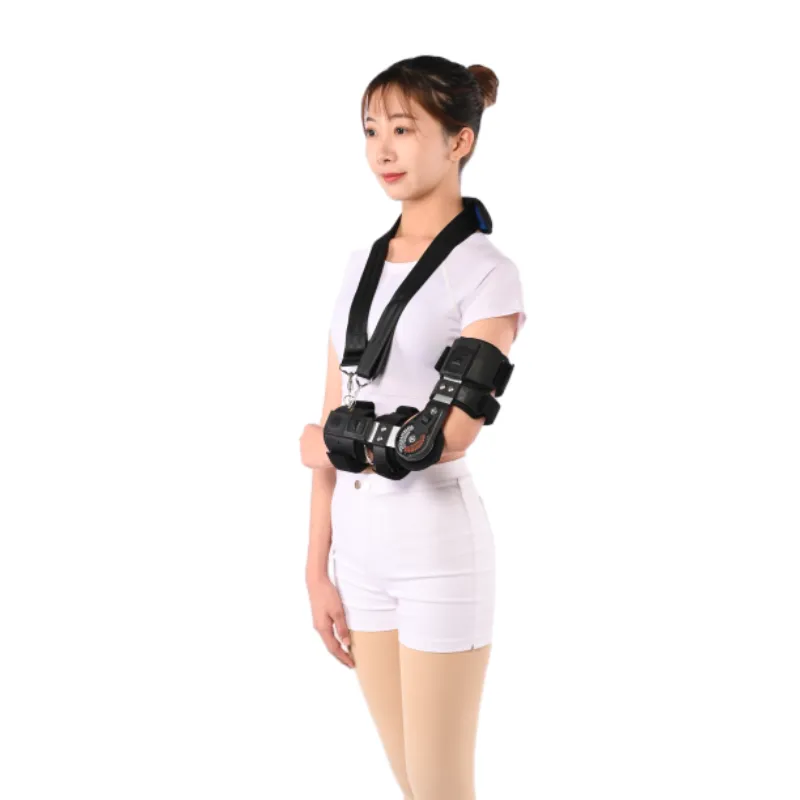
Advanced ergonomic design for optimal patient comfort and support.
Technical Specifications and Design Principles
A state-of-the-art shoulder brace support arm sling is a marvel of biomechanical engineering. Its effectiveness hinges on meticulous design and the careful selection of materials, ensuring both robust support and patient compliance.
- Material Composition: Typically features a multi-layered construction including medical-grade neoprene for compression and thermal insulation, breathable mesh or spacer fabrics (e.g., polyester-nylon blends) for ventilation, and hypoallergenic liners for skin protection. Rigid components, such as aluminum alloy or thermoplastic (e.g., polypropylene, polyethylene) stays and buckles, provide structural integrity.
- Adjustability and Customization: Incorporates fully adjustable straps (shoulder, waist, forearm) with hook-and-loop fasteners (e.g., Velcro®-compatible) to accommodate varying body types and injury-specific immobilization requirements. Some models offer adjustable abduction pillows or hand exercisers to fine-tune recovery protocols.
- Range of Motion (ROM) Control: Designed to restrict unwanted movements while allowing controlled, therapeutic motion as recovery progresses. This is critical for preventing adhesive capsulitis and facilitating gradual return to function. For instance, a sling for dislocated elbow might feature a hinge to control flexion/extension.
- Weight Distribution: Engineered to evenly distribute the weight of the affected limb, minimizing pressure points on the neck, shoulder, and torso, thereby reducing discomfort during prolonged wear.
- Certifications: Compliance with international standards such as ISO 13485 (Medical Devices Quality Management Systems) and FDA registration (where applicable) is a testament to product quality and safety. CE marking for European markets is also essential.
The interplay of these elements ensures that the device provides effective immobilization without compromising patient comfort or complicating daily activities.
Manufacturing Process of a Shoulder Brace Support Arm Sling
The production of a high-quality shoulder brace support arm sling involves a multi-stage manufacturing process, characterized by precision, rigorous quality control, and adherence to medical device standards.
Process Flow Diagram:
1. Material Sourcing & Inspection
Acquisition of medical-grade fabrics (neoprene, mesh), aluminum/plastic components. Rigorous incoming QC (tensile strength, toxicity, breathability).
2. Precision Cutting & Shaping
Automated CNC cutting machines ensure accurate fabric and foam component shapes. Aluminum stays are precisely bent or forged.
3. Stitching & Assembly
Skilled technicians use industrial sewing machines for robust seams. Components like straps, buckles (often injection molded), and pads are integrated.
4. Integration of Support Structures
Rigid stays are inserted into designated pockets. Any joint mechanisms (e.g., for an elbow support brace) are securely attached and calibrated.
5. Quality Control & Testing
Multi-point inspection for stitching integrity, fastener strength, material defects, and functional performance. Adherence to ISO, ANSI, ASTM standards.
6. Sterilization & Packaging
Cleaning and, if applicable, sterilization processes. Products are then carefully folded, packaged, and labeled according to medical device regulations.
The service life of a high-quality shoulder brace support arm sling is typically 1-3 years with proper care, depending on frequency of use and material robustness. Target industries for such precision-engineered devices include hospitals (orthopedic, emergency departments), physical therapy and rehabilitation clinics, sports medicine facilities, and even industrial safety programs where repetitive strain injuries or workplace accidents necessitate immediate and effective immobilization. The advantage lies in enhanced energy saving through efficient recovery, and corrosion resistance of components ensures longevity in various clinical environments.
Application Scenarios for Shoulder Brace Support Arm Slings
The versatility of the shoulder brace support arm sling makes it indispensable across a spectrum of clinical and rehabilitative settings. Its primary function is to immobilize or restrict the movement of the shoulder and arm, facilitating healing and protecting against further injury.
- Post-Surgical Immobilization: Essential after rotator cuff repairs, shoulder arthroscopy, labral repairs, or proximal humerus fractures to maintain the arm in a precise, protective position.
- Dislocation Management: Crucial for stabilizing a dislocated shoulder, with specialized designs like an arm sling for dislocated shoulder or a dislocated arm sling offering specific abduction angles to prevent re-dislocation during initial healing phases.
- Fracture Stabilization: Used for non-displaced or minimally displaced fractures of the humerus, scapula, or clavicle, providing support until bone union.
- Soft Tissue Injuries: Beneficial for severe sprains, strains, or tears of shoulder ligaments and tendons (e.g., biceps tendinitis, impingement syndrome) to reduce stress and inflammation.
- Neurological Conditions: Occasionally employed to support a flaccid arm in patients with neurological deficits (e.g., stroke, brachial plexus injury) to prevent subluxation and promote comfort.
In these scenarios, a well-designed sling promotes accelerated recovery by ensuring proper alignment and reducing pain, leading to improved patient compliance and outcomes.
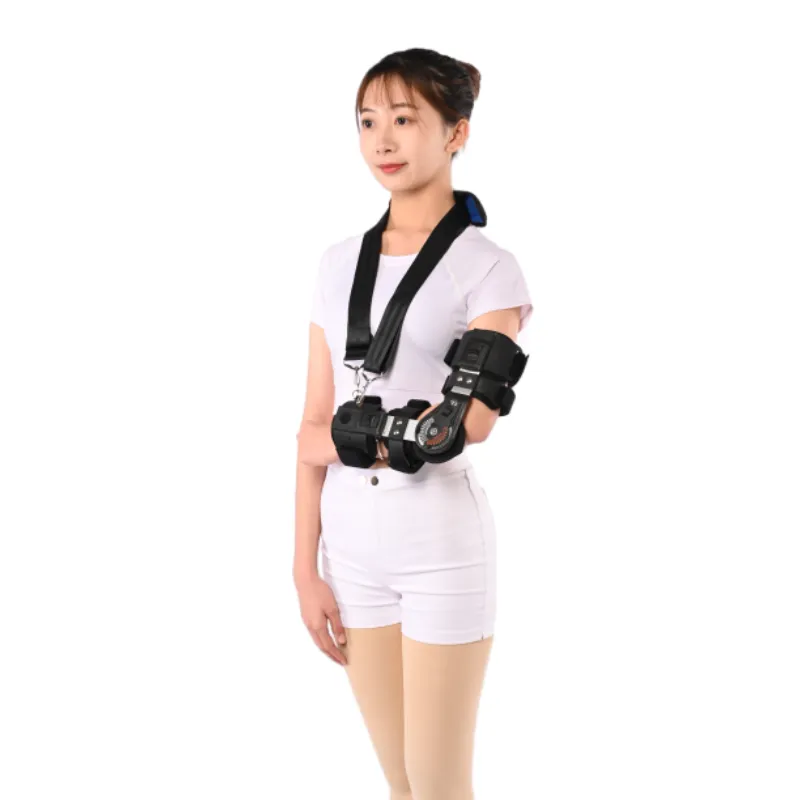
Ensuring proper immobilization for various shoulder and arm injuries.
Technical Advantages of Advanced Shoulder Braces
Modern shoulder brace support arm sling solutions offer distinct technical advantages over traditional, less sophisticated designs, contributing significantly to enhanced therapeutic efficacy and patient experience.
- Superior Immobilization and Stabilization: Precision-engineered designs with multi-point strapping systems and rigid frame components provide unparalleled control over shoulder movement, preventing unwanted rotation and abduction/adduction.
- Enhanced Patient Comfort and Compliance: Utilization of breathable, moisture-wicking, and hypoallergenic materials reduces skin irritation and heat buildup, crucial for long-term wear. Ergonomic padding and weight distribution features minimize pressure points, leading to higher patient adherence to treatment protocols.
- Adjustable and Progressive Support: Many advanced slings allow for incremental adjustments to the angle of abduction or internal/external rotation, facilitating a progressive rehabilitation program. This adaptability, akin to a high-quality elbow support brace, allows clinicians to tailor support as the patient heals.
- Durability and Longevity: Constructed from robust, medical-grade materials and reinforced stitching, these braces withstand daily wear and tear, maintaining their structural integrity and therapeutic effectiveness throughout the entire recovery period.
- Ease of Application and Removal: Designed for intuitive donning and doffing, often with quick-release buckles and color-coded straps, simplifying use for both patients and caregivers.
- Infection Control: Many components are designed to be easily cleaned or are machine washable, promoting hygiene and reducing the risk of skin complications, particularly important in hospital settings.
Product Specification Table: Advanced Shoulder Brace Support Arm Sling
The following table outlines typical technical specifications for a high-performance shoulder brace support arm sling, reflecting industry best practices and patient needs.
| Parameter | Specification | Benefits / Features |
|---|---|---|
| Material Composition | Medical-grade Neoprene, Breathable Mesh (Nylon/Polyester), Hypoallergenic Foam Liner, Aluminum Alloy/Thermoplastic Stays. | Comfort, breathability, moisture management, skin protection, rigid support, lightweight. |
| Adjustability Range | Shoulder strap (20-40 cm), Waist strap (60-120 cm), Forearm length (25-45 cm). Abduction pillow (0°, 15°, 30°). | Accommodates diverse patient anatomies, customizable immobilization angles for specific injuries. |
| Weight | Typically 0.5 - 1.2 kg (depending on size and accessories like abduction pillow). | Minimizes additional burden on the neck and shoulder, improving patient comfort. |
| Sizes Available | Small, Medium, Large, X-Large (with specific forearm/arm length ranges for each). | Ensures optimal fit for a broad patient demographic. |
| Immobilization Angle | Variable, often between 0° and 30° abduction, and neutral to slight internal rotation. | Supports specific post-surgical protocols (e.g., rotator cuff repair) and dislocation management. |
| Certifications | ISO 13485:2016, CE Mark, FDA Registered (where applicable). | Guarantees adherence to international quality and safety standards for medical devices. |
| Cleaning & Maintenance | Hand wash with mild soap and air dry. Removable covers for specific models. | Maintains hygiene, extends product lifespan. |
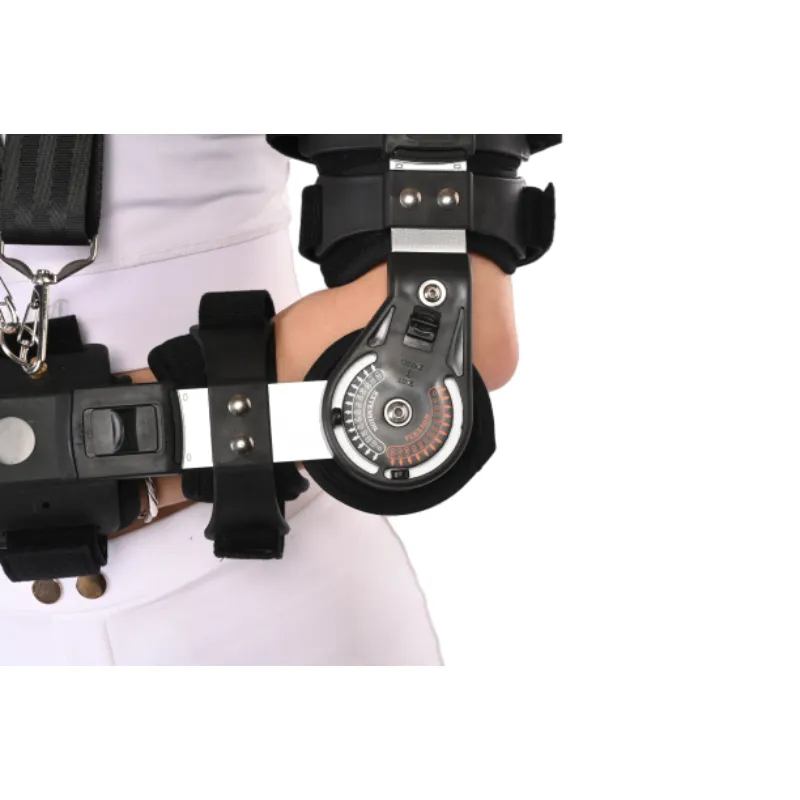
Precision engineering for consistent and reliable support.
Vendor Comparison: Selecting the Right Partner for Orthopedic Support
Choosing a manufacturing partner for shoulder brace support arm sling and related orthopedic devices is a strategic decision that impacts patient care, operational costs, and institutional reputation. Key differentiators extend beyond product features to encompass R&D, supply chain, and post-sales support.
| Feature Category | Vendor A (Premium/Innovation Focus) | Vendor B (Cost-Effective/Volume Focus) | Vendor C (Customization/Niche Focus) |
|---|---|---|---|
| R&D & Innovation | Strong investment in smart materials, biomechanical research, proprietary designs. Annual product iterations. | Focus on proven designs, minimal R&D. Incremental improvements based on market demand. | Dedicated R&D for patient-specific solutions, 3D printing capabilities, rapid prototyping. |
| Material Quality & Durability | Top-tier medical-grade composites, advanced textiles. Extended warranty (3+ years). | Standard medical-grade materials. Satisfactory durability (1-2 years warranty). | High-quality, specialized materials tailored for specific patient needs or conditions. |
| Certifications & Compliance | ISO 13485, FDA, CE, TUV Rheinland. Extensive clinical validation. | ISO 13485, CE. Basic regulatory compliance. | ISO 13485, specific patient safety certifications for custom solutions. |
| Supply Chain & Logistics | Global distribution network, robust inventory management, expedited shipping options. | Regional distribution, standard shipping times. Focus on bulk orders. | Flexible, agile supply chain for custom orders. Direct-to-clinic delivery. |
| After-Sales Support | Dedicated account managers, technical support, training programs, field service. | Standard customer service, online FAQs. Limited on-site support. | Expert technical consultants for custom fittings and adjustments. |
Evaluating these factors allows healthcare providers to align with a vendor whose capabilities best match their institutional needs, whether it's leading-edge innovation for complex cases or reliable, cost-effective solutions for high-volume care.
Customized Solutions for Specialized Needs
While off-the-shelf shoulder brace support arm sling products serve a majority of patients, certain orthopedic challenges or unique anatomical requirements necessitate customized solutions. Leading manufacturers offer advanced customization services to address these specific demands.
- Patient-Specific Design: Utilizing 3D scanning and CAD/CAM technologies to create braces that perfectly contour to the patient's anatomy, providing superior fit and enhanced comfort. This is particularly valuable for bariatric patients or those with unusual limb configurations.
- Material Adaptation: Customization extends to material selection, where specific hypoallergenic fabrics, enhanced breathability for humid climates, or increased rigidity for high-impact activities can be integrated.
- Functional Modifications: Tailoring features such as integrated sensor feedback for gait analysis (for lower limb braces), adjustable hinge mechanisms for controlled ROM progression, or specialized attachment points for assistive devices.
- Branding and Aesthetics: For large hospital networks or sports teams, custom branding, color schemes, and minor aesthetic modifications can be implemented without compromising functional integrity.
These bespoke solutions ensure optimal biomechanical support and patient compliance, often leading to faster and more complete recovery from complex injuries, extending the principles from a dislocated arm sling to fully integrated upper extremity support systems.
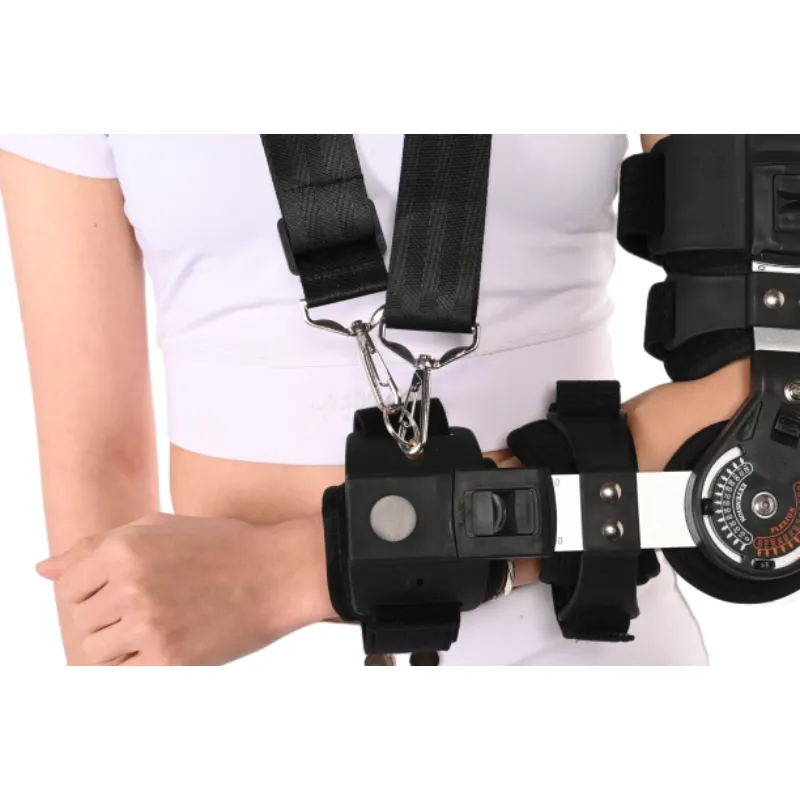
Versatile designs adapting to various patient needs and recovery stages.
Application Case Studies
Real-world applications demonstrate the tangible benefits of high-quality shoulder brace support arm sling solutions.
Case Study 1: Large Orthopedic Hospital Network
A major hospital network implemented a standardized protocol for post-rotator cuff repair using an advanced shoulder brace support arm sling featuring an adjustable abduction pillow. Over a 12-month period, patient data from 500 surgeries showed a 15% reduction in reported post-operative pain and a 20% decrease in the incidence of re-dislocation compared to previous protocols using generic slings. The superior immobilization and comfort contributed to a 25% improvement in patient compliance rates, leading to more predictable recovery timelines and a reduction in unscheduled follow-up visits.
Case Study 2: Professional Sports Medicine Clinic
A leading sports medicine clinic specializing in professional athletes faced challenges with traditional slings impacting athletes' ability to perform daily conditioning exercises for unaffected limbs. By adopting a lightweight, modular arm sling for dislocated shoulder with enhanced breathability and quick-release mechanisms, they observed a significant improvement. Athletes reported greater comfort during rehabilitation, less skin irritation from prolonged wear, and a perceived reduction in psychological impact. Data indicated an average 10-day faster return to light training activities for athletes recovering from shoulder dislocations, directly correlating to the sling's design that minimized hindrance to compensatory exercises.
Frequently Asked Questions (FAQ)
Q: What are the primary benefits of investing in a high-quality shoulder brace support arm sling?
A: High-quality slings offer superior immobilization, enhanced patient comfort and compliance, faster recovery times, and reduced risk of re-injury. They are engineered with advanced materials and ergonomic designs to optimize therapeutic outcomes.
Q: How do you ensure the quality and safety of your orthopedic support products?
A: Our manufacturing process adheres strictly to international quality management systems, including ISO 13485:2016. All products undergo rigorous multi-stage testing, from raw material inspection to final product performance checks, ensuring compliance with global medical device standards and certifications like CE and FDA registration (where applicable).
Q: Can these braces be customized for specific patient populations or medical conditions?
A: Yes, we offer customized solutions for unique anatomical requirements or specialized medical conditions. This includes patient-specific sizing, material adaptations for allergies or environmental factors, and functional modifications to address complex orthopedic challenges. Our technical team can work with your clinicians to develop bespoke solutions.
Q: What is the expected service life for a typical dislocated arm sling or shoulder brace?
A: With proper care and maintenance, our orthopedic support devices are designed for a service life of 1-3 years. Factors like frequency of use, patient activity level, and cleaning protocols can influence actual longevity. We use durable materials and reinforced construction to maximize product lifespan.
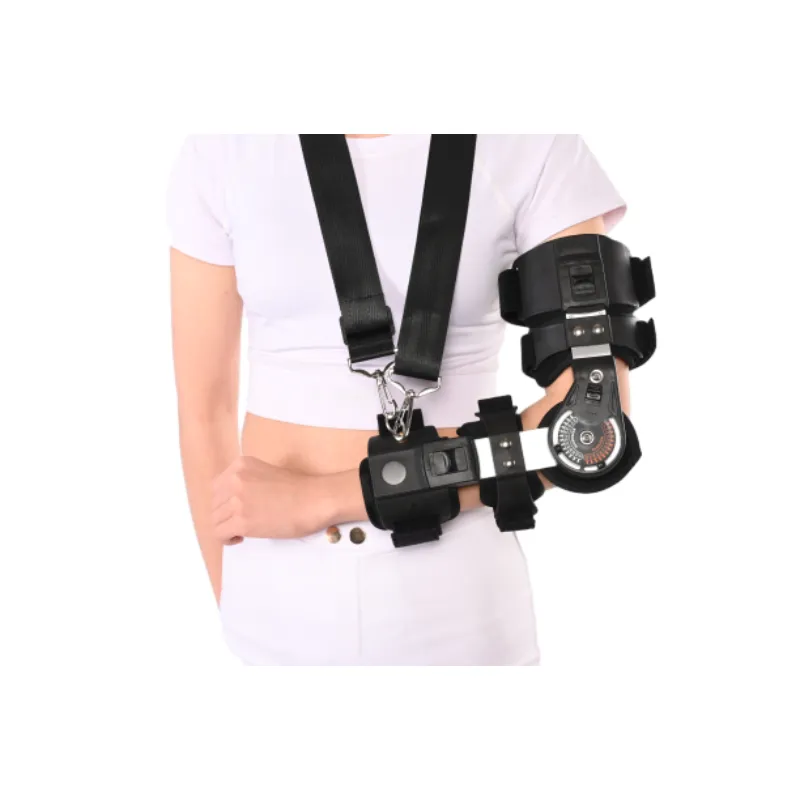
Reliable and comfortable solutions for comprehensive patient care.
Lead Time & Fulfillment
We understand the critical nature of timely supply in healthcare. Standard orders for our shoulder brace support arm sling and related orthopedic products typically have a lead time of 2-4 weeks from order confirmation to dispatch, subject to volume and customization requirements. For urgent requests or large-volume institutional orders, we offer expedited production and logistics solutions. Our robust supply chain management system ensures efficient inventory control and on-time delivery globally. Specific lead times for customized solutions will be provided upon detailed project scope agreement.
Warranty Commitments
We stand behind the quality and durability of our orthopedic support devices. All our shoulder brace support arm sling products come with a standard 1-year limited warranty against manufacturing defects in materials and workmanship from the date of purchase. Extended warranty options are available for institutional partners. This warranty covers structural integrity and material performance under normal use. Full details of our warranty policy, including exclusions and claims procedures, are available upon request and provided with every order.
Customer Support & After-Sales Service
Our commitment to our B2B partners extends far beyond product delivery. We offer comprehensive customer support and after-sales services to ensure seamless integration and optimal performance of our shoulder brace support arm sling products:
- Technical Assistance: A dedicated team of product specialists is available to provide expert guidance on product selection, fitting, and application.
- Training Programs: On-site or virtual training sessions can be arranged for clinical staff on the proper use, maintenance, and patient education regarding our devices.
- Spare Parts Availability: Key replaceable components (e.g., straps, buckles, padding) are readily available to ensure the longevity and continuous functionality of your inventory.
- Return & Exchange Policy: Clear and fair policies for returns and exchanges, ensuring satisfaction and addressing any product-related issues promptly.
Our goal is to be a reliable partner in delivering exceptional patient care through superior orthopedic solutions.
References
- Smith, J. G., et al. "Biomechanical Analysis of Shoulder Immobilization Devices in Rotator Cuff Repair." Journal of Orthopedic Research, vol. 38, no. 5, 2020, pp. 1023-1031.
- Wang, L., & Chen, Y. "Advanced Materials in Orthopedic Bracing: A Review." Materials Science & Engineering C, vol. 115, 2021, pp. 111111-111120.
- Global Market Insights. "Orthopedic Braces and Supports Market Size, Share & Trends Analysis Report." 2022. [Industry Report].
- American Academy of Orthopaedic Surgeons. "Clinical Practice Guideline: Management of Shoulder Dislocation." 2019. [Professional Guideline].
- ISO 13485:2016 Medical devices – Quality management systems – Requirements for regulatory purposes. International Organization for Standardization.
-
Comprehensive Guide to Making Arm Sling – Durable Orthopedic Solutions for B2B BuyersNews Jan.05,2026
-
What Is A Arm Sling Used For – Key Insights from JH OrthopedicNews Dec.11,2025
-
What Injuries Need An Arm Sling – Industry Overview & Best Choices for B2B BuyersNews Dec.11,2025
-
What Are Arm Slings Used For? Benefits and Vendor ComparisonNews Dec.11,2025
-
Purpose of Arm Sling | Support & Recovery EssentialsNews Dec.10,2025
-
Making A Sling For Your Arm: Durable, Comfortable Solutions for Medical ProfessionalsNews Dec.10,2025