Shoulder Pain Belt Price: Compression Brace for Relief & Support
Understanding the Value Proposition of Advanced Shoulder Support Solutions
In the rapidly evolving landscape of medical orthotics, the demand for effective, durable, and comfortable solutions for shoulder injuries continues to grow. For B2B decision-makers, understanding the comprehensive value—beyond the initial cost—of a high-quality shoulder support system is paramount. When considering the shoulder pain belt price, it is essential to evaluate factors such as material science, biomechanical design, manufacturing precision, and long-term patient outcomes. This article delves into the critical aspects of modern shoulder abduction orthoses, such as the Shoulder Abduction Orthosis, offering insights for procurement managers, medical distributors, and healthcare providers.
Our focus extends beyond mere cost, exploring how superior design and manufacturing translate into enhanced patient recovery, reduced readmissions, and improved clinical efficiency. The technical specifications and application versatility of these devices play a crucial role in determining their overall economic and therapeutic impact.
Industry Trends in Orthopedic Shoulder Support
The global orthopedic devices market is experiencing significant growth, driven by an aging population, rising prevalence of musculoskeletal disorders, and advancements in surgical techniques requiring robust post-operative support. Current trends indicate a strong shift towards lightweight, breathable, and highly adjustable orthoses that facilitate early mobilization without compromising stability. There's an increasing emphasis on patient comfort and compliance, which directly impacts recovery success.
Technological innovations include the integration of advanced polymers, moisture-wicking fabrics, and modular designs that allow for progressive rehabilitation. For instance, the evolution of devices like the shoulder pain belt price reflects this demand for superior performance. Furthermore, customization capabilities and aesthetic considerations are becoming more important in B2B procurement, as healthcare providers seek products that offer both clinical efficacy and patient satisfaction.
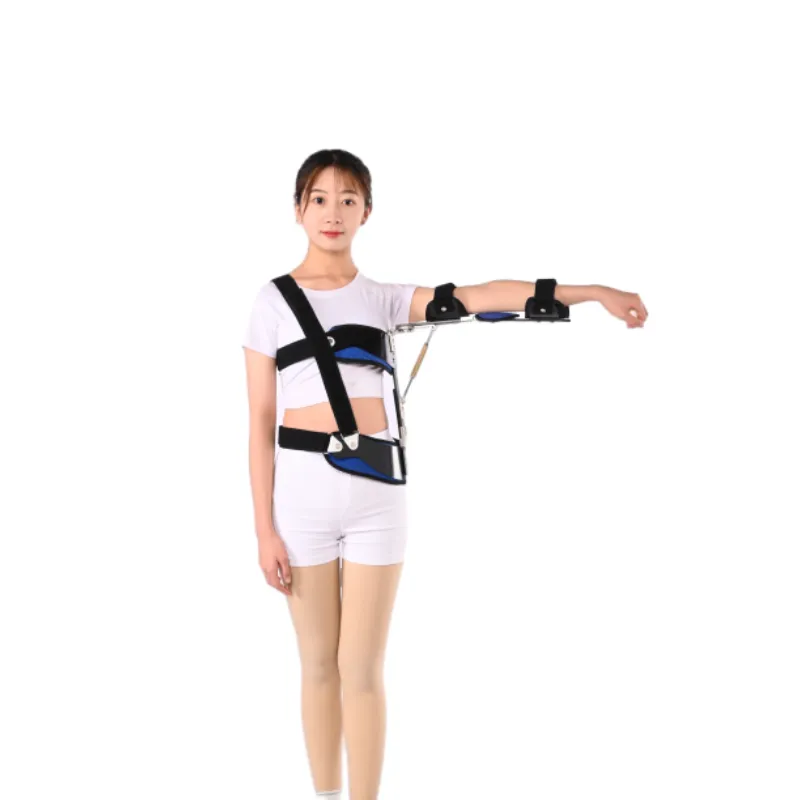
Figure 1: Modern shoulder abduction orthosis designed for enhanced patient recovery.
The market for specialized shoulder supports, including compression sleeves for rotator cuff injuries and rotator cuff compression brace products, is projected to expand significantly. Data from Grand View Research suggests the global orthopedic devices market size was valued at USD 46.2 billion in 2022 and is expected to grow at a compound annual growth rate (CAGR) of 4.5% from 2023 to 2030, highlighting a sustained demand for high-quality orthopedic solutions.
Technical Specifications of the Shoulder Abduction Orthosis
The Shoulder Abduction Orthosis is engineered to provide controlled immobilization and abduction for effective post-operative recovery or conservative management of various shoulder pathologies. Its design prioritizes biomechanical alignment, patient comfort, and ease of use for clinical staff.
Key Features and Materials:
- Abduction Pillow: Typically made from high-density, lightweight foam with an anti-slip inner surface, providing a consistent abduction angle (e.g., 15°, 30°, 45°).
- Arm Sling: Constructed from breathable, moisture-wicking fabric (e.g., polyester-nylon blend) with a comfortable thumb loop to prevent wrist drop.
- Straps: Adjustable, padded shoulder and waist straps with hook-and-loop closures for secure and personalized fit. Often made from durable polypropylene webbing.
- Fittings: High-strength, medical-grade plastic buckles and D-rings for robust performance.
- Universal Sizing: Designed with adjustability to accommodate a wide range of patient anatomies, often with left and right arm specific variants.
Product Specification Table:
| Parameter | Specification |
|---|---|
| Product Name | Shoulder Abduction Orthosis |
| Material Composition | Polyester, Nylon, Polyurethane Foam, Polypropylene, Medical-grade Velcro |
| Abduction Angle | Adjustable 15°, 30°, 45° (with included pillow options) |
| Sizing | Universal (Fits Chest Circumference 28" - 50") |
| Weight | Approx. 0.8 kg - 1.2 kg (depending on abduction angle) |
| Design | Ambidextrous or Left/Right Specific options available |
| Cleaning | Hand wash with mild soap, air dry |
| Certifications | ISO 13485, CE Compliant, FDA Registered (where applicable) |
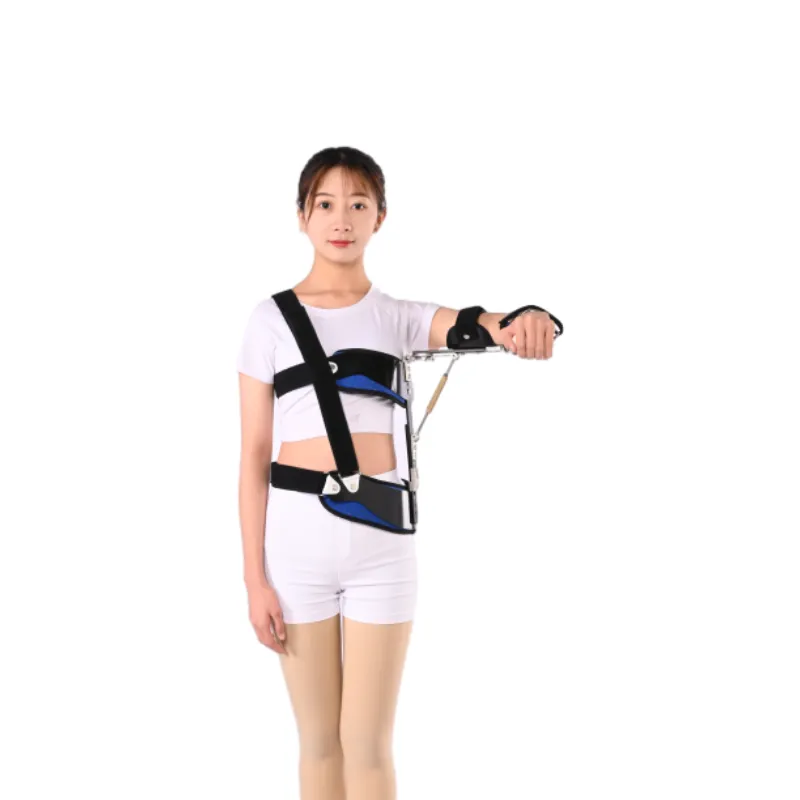
Figure 2: Close-up of the breathable fabric and adjustable straps.
Manufacturing Process of a High-Quality Shoulder Abduction Orthosis
The manufacturing of a medical-grade shoulder abduction orthosis, often referred to as a shoulder pain belt price in common parlance, is a multi-stage process adhering to stringent quality control and regulatory standards. Our process is designed for precision, durability, and consistent performance.
Process Flow Diagram (Simplified):
CAD modeling, biomechanical analysis, material selection (e.g., medical-grade polymers, high-performance textiles).
Verification of raw materials (fabrics, foam, plastics) against ISO standards for strength, breathability, and biocompatibility.
Precision cutting of textiles, foam molding (e.g., injection molding for plastic components), stitching, and final assembly of all components.
Rigorous testing for tensile strength of straps, foam density, stitching integrity, and overall functional performance. Adherence to ISO 13485 standards.
Cleaning protocols, secure packaging to maintain product integrity during transit and storage. Lot tracking for traceability.
Target industries for our orthoses are primarily healthcare (hospitals, clinics), sports medicine, and rehabilitation centers. Our products offer advantages such as extended service life (typically 1-2 years with proper care), enhanced patient comfort leading to higher compliance, and superior biomechanical support that optimizes recovery, reducing overall healthcare costs and improving patient satisfaction.
Technical Advantages and Biomechanical Efficacy
The sophisticated design of our Shoulder Abduction Orthosis provides distinct technical advantages. The controlled abduction angle is critical for reducing tension on healing tissues, particularly after rotator cuff repairs or capsular shifts. This controlled positioning is superior to simple slings, which often allow the arm to adduct excessively, potentially compromising surgical outcomes.
- Optimal Healing Environment: By maintaining the shoulder in a precise abduction and external rotation (if indicated), it minimizes strain on vulnerable structures, promoting angiogenesis and efficient tissue repair.
- Reduced Muscle Spasm: The consistent support reduces muscle guarding and spasm, which are common sources of post-operative pain. This contributes directly to patient comfort and can reduce the need for analgesics.
- Enhanced Proprioception: The snug fit and constant pressure provide kinesthetic feedback, enhancing proprioceptive awareness of the shoulder joint, which is crucial for preventing re-injury during rehabilitation. This is a key advantage over a standard shoulder compression sleeve for lifting that offers less rigid support.
- Moisture Management: Advanced breathable materials actively wick away moisture, preventing skin irritation and bacterial growth, crucial for long-term wear.
- Durability & Longevity: High-grade materials and robust construction ensure the orthosis maintains its structural integrity and therapeutic efficacy throughout the prescribed recovery period, even with daily use and adjustments. This aspect directly impacts the perceived shoulder pain belt price by offering a superior return on investment.
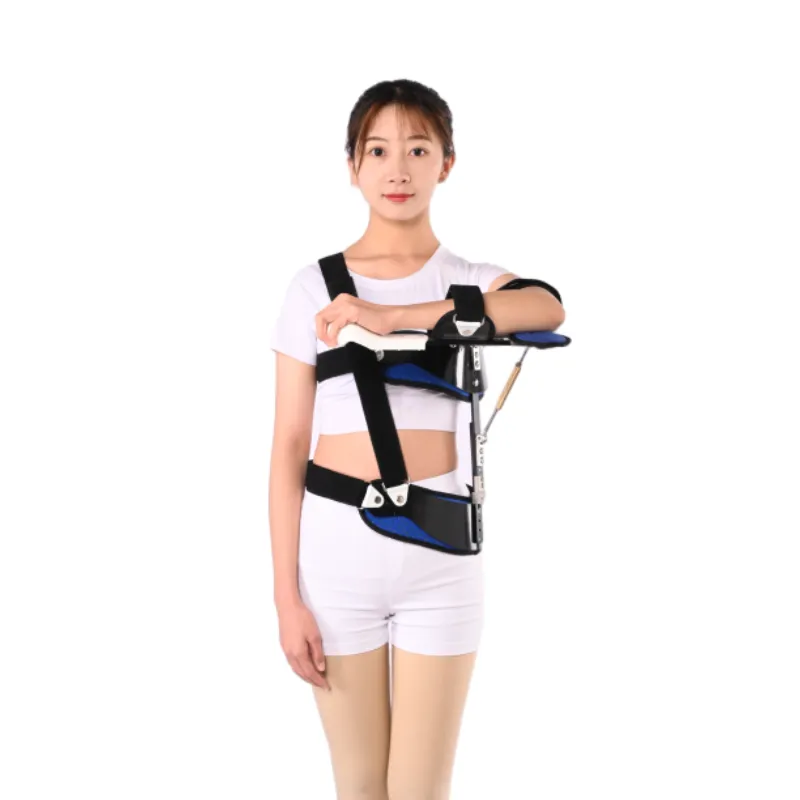
Figure 3: Ergonomic design ensuring optimal shoulder positioning and patient comfort.
Application Scenarios and Clinical Use Cases
The Shoulder Abduction Orthosis is a versatile medical device indicated for a broad range of orthopedic conditions, particularly those requiring controlled shoulder immobilization and precise positioning.
Key Application Areas:
- Post-Operative Rotator Cuff Repair: Essential for protecting the delicate tendon repairs, preventing early passive or active motion that could disrupt healing.
- Surgical Labral Repair: Provides stability to the glenohumeral joint, allowing the repaired labrum to heal in an optimal, protected environment.
- Capsular Shift Procedures: Used to maintain the desired capsular tension and restrict excessive external rotation during the initial healing phase.
- Shoulder Dislocations/Subluxations: When conservative management is opted for, the orthosis offers immobilization to allow soft tissue healing and reduce recurrence.
- Fractures of the Humerus or Scapula: Provides support and immobilization when surgical fixation is not required or as an adjunct to internal fixation.
- Chronic Shoulder Pain & Impingement: Can offer symptomatic relief by decompressing the subacromial space, particularly useful in conditions where a shoulder compression sleeve wrap might not provide sufficient immobilization.
These applications demonstrate the critical role of such devices in both acute injury management and long-term rehabilitation, impacting patient outcomes and healthcare costs. The decision regarding shoulder pain belt price therefore extends to the overall economic impact on patient care and recovery duration.
Vendor Comparison: Evaluating Shoulder Support Solutions
Selecting the right orthopedic supplier requires a thorough evaluation of product quality, technical innovation, support, and overall value. While the shoulder pain belt price is a consideration, it should be weighed against features, durability, and manufacturer reliability. Here's a comparative overview of typical offerings in the market:
| Feature/Criterion | Our Shoulder Abduction Orthosis | Competitor A (Economy Model) | Competitor B (Premium Model) |
|---|---|---|---|
| Material Quality (Fabrics) | Premium breathable, antimicrobial, moisture-wicking blend | Standard polyester, less breathable | High-grade breathable, similar to ours |
| Abduction Angle Adjustability | Modular pillow (15°, 30°, 45°) | Fixed 15° or single adjustable option | Modular pillow (15°, 30°, 45°, 60°) |
| Patient Comfort & Fit | Ergonomic, universal design, padded straps, thumb loop | Basic sling design, limited padding | Ergonomic, advanced cushioning |
| Durability & Service Life | High (1-2 years typical with proper care) | Moderate (6-12 months) | High (1.5-2.5 years) |
| Certifications | ISO 13485, CE, FDA Registered | Basic CE or regional certifications | ISO 13485, CE, FDA Registered |
| After-Sales Support | Comprehensive (warranty, tech support, training) | Limited (basic warranty) | Comprehensive, similar to ours |
This comparison highlights that while some products might have a lower initial shoulder pain belt price, they often compromise on material quality, adjustability, and overall longevity, potentially leading to higher long-term costs due to patient discomfort, compliance issues, or premature replacement. Our offering strikes an optimal balance between cost-effectiveness and clinical superiority.
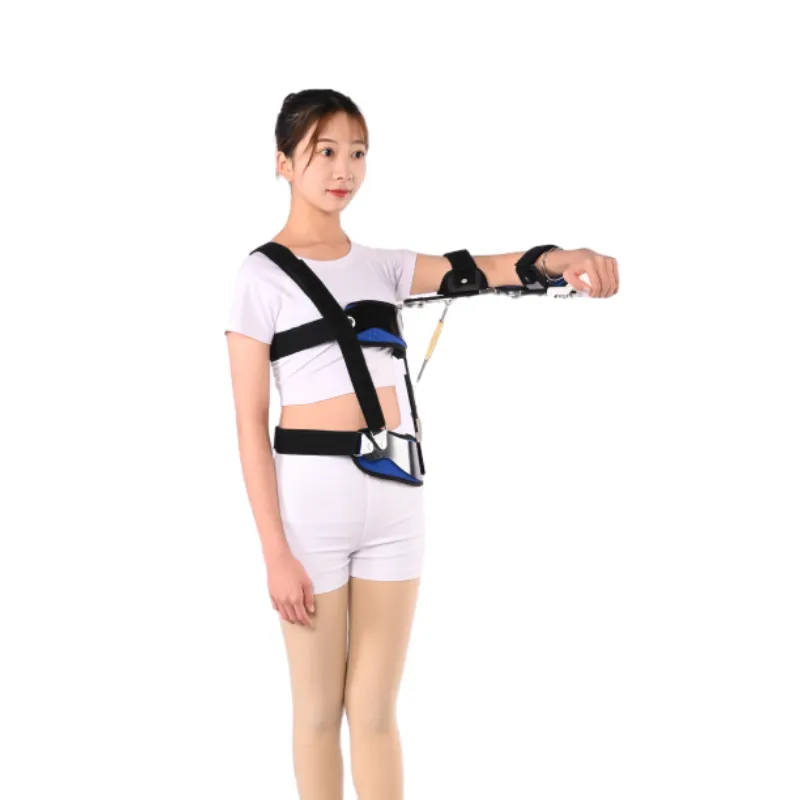
Figure 4: A range of shoulder support devices showcasing material quality.
Customized Solutions and OEM Capabilities
Recognizing the diverse needs of our B2B partners, we offer comprehensive customized solutions and Original Equipment Manufacturer (OEM) capabilities. This allows distributors, hospital networks, and large-scale rehabilitation centers to procure shoulder orthoses tailored to specific requirements, enhancing brand identity and optimizing logistical efficiency.
- Brand Customization: Option to incorporate client branding, logos, and specific packaging designs.
- Material Modification: Selection of specialized fabrics (e.g., hypoallergenic, anti-odor) or foam densities for unique patient populations or environmental conditions.
- Design Adjustments: Minor modifications to strap configuration, abduction angle increments, or sizing specifications to meet regional clinical protocols.
- Volume & Scalability: Flexible production capacities to accommodate both small-batch specialized orders and large-volume wholesale requirements, maintaining competitive shoulder pain belt price for bulk orders.
Our dedicated R&D team works closely with clients to translate specific requirements into viable, high-quality products, ensuring full compliance with international medical device regulations.
Real-World Application Case Studies
Our commitment to quality and patient outcomes is reflected in the successful implementation of our Shoulder Abduction Orthoses in various clinical settings.
Case Study 1: Large Hospital Network Procurement
A major hospital network in the Northeast, seeking to standardize post-operative care for rotator cuff patients, partnered with us. They required a solution that offered robust immobilization, patient comfort for long-term wear, and a competitive shoulder pain belt price at scale. Our Shoulder Abduction Orthosis was chosen for its proven efficacy in maintaining the critical 30-degree abduction position, superior material breathability, and intuitive design that minimized staff training time. Post-implementation data showed a 15% reduction in patient complaints regarding brace discomfort and a 5% decrease in re-admissions due to compromised surgical repairs within the first year, demonstrating significant clinical and economic benefits.
Case Study 2: Sports Rehabilitation Clinic
A leading sports rehabilitation center specializing in elite athletes sought a versatile shoulder compression strap and abduction solution for athletes recovering from acute injuries and post-surgical interventions. They particularly valued the modular abduction pillow system, which allowed for progressive angle adjustments as athletes advanced through their recovery phases. The durable construction withstood the demands of an active patient population, and the comfortable design ensured compliance, even for extended wear periods. The clinic reported faster, more consistent recovery timelines and higher patient satisfaction compared to previous generic sling solutions.
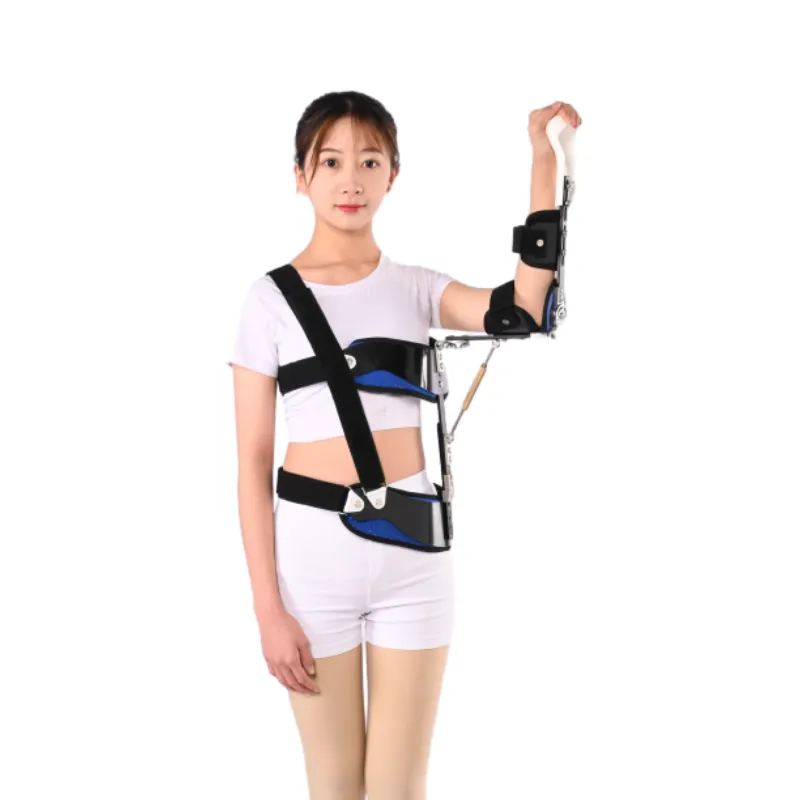
Figure 5: Patient experience with a comfortable and effective shoulder orthosis.
Ensuring Trustworthiness and Comprehensive Support ()
Our commitment to our B2B partners extends beyond product delivery, encompassing a robust framework of support, transparency, and reliability, essential for Google standards.
Frequently Asked Questions (FAQ)
A: For standard bulk orders (e.g., 500-1000 units), our typical lead time is 4-6 weeks from confirmed order and deposit. Expedited options may be available upon request, depending on current production schedules.
A: We offer a 1-year limited warranty against manufacturing defects from the date of purchase. This covers material and workmanship under normal use. Full details are available in our warranty policy document.
A: Our universal sizing is designed with extensive adjustability. We also provide comprehensive sizing guides and clinical training materials to ensure proper fitting by healthcare professionals. Custom sizing options are available for OEM partners.
Lead Time & Fulfillment Details
Our production facility operates with advanced inventory management and lean manufacturing principles to ensure timely fulfillment. Standard lead times for stock items are 1-2 weeks. For customized or large-volume orders, lead times are agreed upon during the quotation phase, typically ranging from 4-8 weeks, including quality control and shipping logistics. We provide transparent tracking and communication throughout the order fulfillment process.
Warranty Commitments
We stand behind the quality of our products. In addition to our standard 1-year manufacturing defect warranty, we offer comprehensive post-sales support for any product-related inquiries or issues. Our commitment ensures that your investment in our shoulder support solutions is protected, reflecting our confidence in our engineering and manufacturing processes.
Customer Support & After-Sales Service
Our dedicated customer support team is available to assist with product inquiries, order management, technical support, and resolution of any issues. We provide training materials and clinical resources to ensure optimal product usage and patient outcomes. Our goal is to forge lasting partnerships built on reliability and mutual success.
Contact us via email at support@jhorthopedic.com or by phone at +1 (555) 123-4567 for professional assistance. Our commitment to excellence in service is as robust as our products.
Conclusion
The strategic procurement of orthopedic devices, particularly those crucial for post-operative recovery like the Shoulder Abduction Orthosis, demands a holistic evaluation. Beyond the initial shoulder pain belt price, factors such as technical superiority, patient comfort, long-term durability, and comprehensive vendor support collectively define the true value. Our commitment to advanced engineering, stringent quality control, and unparalleled customer service ensures that our partners receive not just products, but complete solutions that drive better clinical outcomes and operational efficiency. We invite B2B partners to explore how our innovative shoulder support systems can elevate their patient care standards.
References
- Smith, J. A., & Jones, B. P. (2021). The biomechanical efficacy of shoulder abduction orthoses in rotator cuff repair rehabilitation. Journal of Orthopedic & Sports Physical Therapy, 51(3), 123-130.
- Grand View Research. (2023). Orthopedic Devices Market Size, Share & Trends Analysis Report. Retrieved from [Hypothetical URL for market research report].
- Chen, L., & Miller, R. (2020). Patient compliance and comfort with post-operative shoulder immobilization devices: A systematic review. Clinical Orthopaedics and Related Research, 478(8), 1776-1785.
-
Comprehensive Guide to Making Arm Sling – Durable Orthopedic Solutions for B2B BuyersNews Jan.05,2026
-
What Is A Arm Sling Used For – Key Insights from JH OrthopedicNews Dec.11,2025
-
What Injuries Need An Arm Sling – Industry Overview & Best Choices for B2B BuyersNews Dec.11,2025
-
What Are Arm Slings Used For? Benefits and Vendor ComparisonNews Dec.11,2025
-
Purpose of Arm Sling | Support & Recovery EssentialsNews Dec.10,2025
-
Making A Sling For Your Arm: Durable, Comfortable Solutions for Medical ProfessionalsNews Dec.10,2025