Comprehensive Guide to Choosing the Right Wrist Thumb Stabilizer for Effective Support
Choosing the Right Wrist Thumb Stabilizer for Optimal Support
A wrist thumb stabilizer is an essential tool for anyone experiencing pain or instability in the wrist and thumb. Whether recovering from an injury, managing arthritis, or simply needing extra support during daily activities, selecting the right stabilizer is crucial for effective relief and recovery. This guide will explore the benefits of wrist thumb stabilizers, factors to consider when choosing one, and how to properly use and care for it. Understanding your specific needs will empower you to make an informed decision.

Understanding the Benefits of a Wrist Thumb Stabilizer
Wrist thumb stabilizers provide a multitude of benefits. They immobilize the wrist and thumb, reducing pain and inflammation. This immobilization allows injured tissues to heal properly. Stabilizers can also prevent further injury by limiting range of motion, particularly during activities that might aggravate the condition. They offer support during daily tasks, enabling individuals to maintain a degree of functionality while recovering. A good wrist thumb stabilizer can significantly improve quality of life and accelerate the healing process.
Key Benefits: Immobilization for healing, pain and inflammation reduction, prevention of further injury, and support for daily activities.
Types of Wrist Thumb Stabilizers: A Comprehensive Overview
There are various types of wrist thumb stabilizers available, each designed for specific needs. Rigid stabilizers offer the most support and are typically used for severe injuries. Soft stabilizers, often made of neoprene or other flexible materials, provide a more comfortable and less restrictive level of support. Adjustable stabilizers allow you to customize the level of compression and support. Consider your injury's severity, activity level, and comfort preferences when choosing a type. JH Orthopedic offers a diverse range of options to suit individual requirements.
Stabilizer Types:
• Rigid Stabilizers: Maximum support for severe injuries.
• Soft Stabilizers: Comfortable, less restrictive support.
• Adjustable Stabilizers: Customizable compression and support levels.
Choosing the Right Wrist Thumb Stabilizer: Key Considerations
Selecting the ideal wrist thumb stabilizer involves considering several factors. First, assess the severity of your injury. More severe injuries generally require rigid stabilizers, while milder sprains or strains may benefit from soft or adjustable options. Second, think about your activity level. If you need to use your hands extensively, a more comfortable stabilizer might be preferred. Third, ensure the stabilizer fits properly. A poorly fitting stabilizer won't provide adequate support. Finally, consider the material – breathable materials are essential for prolonged wear.
Proper Use and Care of Your Wrist Thumb Stabilizer
To maximize the benefits of your wrist thumb stabilizer, follow these guidelines. Ensure your skin is dry and clean before applying the stabilizer. Secure all straps appropriately, avoiding overly tight constriction. Wear the stabilizer as directed by your healthcare professional. Regularly clean the stabilizer according to the manufacturer's instructions. Inspect for wear and tear and replace it when necessary. Proper care extends the lifespan of the stabilizer and ensures optimal performance.
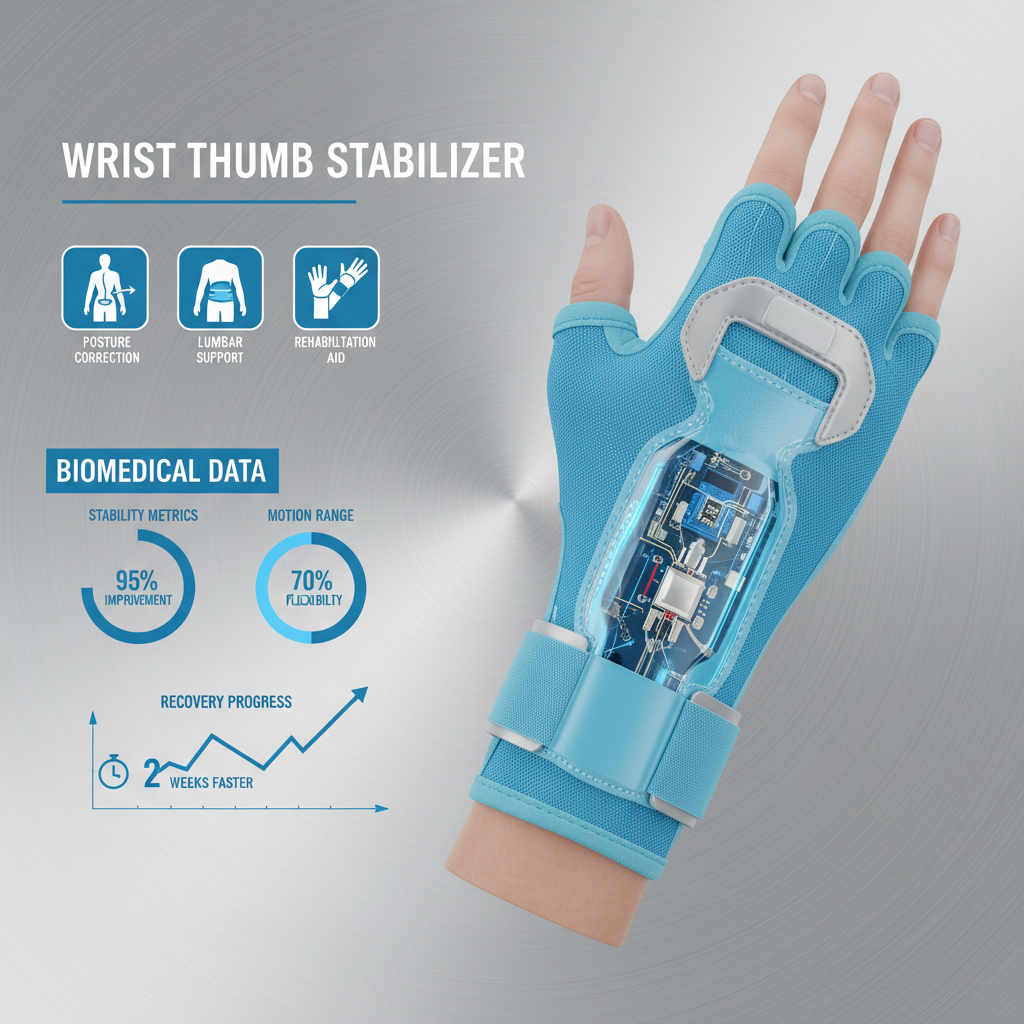
Product Spotlight: JH Orthopedic Premium Wrist Thumb Stabilizer
The JH Orthopedic Premium Wrist Thumb Stabilizer is designed with premium materials and superior craftsmanship. It features adjustable straps for a customized fit, breathable neoprene for comfort, and a durable metal splint for optimal support. This stabilizer is ideal for a wide range of conditions, including sprains, strains, arthritis, and carpal tunnel syndrome. Visit JH Orthopedic today to explore this exceptional product and find the perfect solution for your wrist and thumb support needs.
Conclusion: Taking Control of Your Wrist Health
Investing in a quality wrist thumb stabilizer from a trusted source like JH Orthopedic is a proactive step towards managing pain, supporting recovery, and improving overall wrist health. By understanding your needs and choosing the right stabilizer, you can regain functionality and enjoy a more active lifestyle.
Frequently Asked Questions (FAQs)
How long should I wear a wrist thumb stabilizer each day?
The duration of wear depends on the severity of your condition and your doctor's recommendations. Generally, it's advised to wear the stabilizer during activities that aggravate your symptoms. For acute injuries, you may need to wear it for several hours each day for several weeks. For chronic conditions, you might only need to wear it during specific activities. It's important to follow your healthcare provider's instructions carefully and gradually reduce wear time as your condition improves. Avoid prolonged, continuous wear without breaks, as this can weaken surrounding muscles.
Can I wear a wrist thumb stabilizer while sleeping?
Typically, it's not recommended to wear a wrist thumb stabilizer while sleeping unless specifically advised by your doctor. Wearing it overnight can restrict blood flow and potentially cause discomfort or stiffness. However, in some cases, a doctor might recommend overnight wear for specific conditions to maintain proper alignment during sleep. Always follow your healthcare provider's guidance on whether or not to wear a stabilizer while sleeping.
How do I clean my wrist thumb stabilizer?
Cleaning instructions vary depending on the stabilizer's material. Most stabilizers can be hand-washed with mild soap and water. Rinse thoroughly and allow to air dry completely before use. Avoid using harsh chemicals, bleach, or machine washing, as these can damage the material. For neoprene stabilizers, ensure they are completely dry to prevent odor buildup. Always check the manufacturer’s instructions for specific cleaning recommendations.
When should I replace my wrist thumb stabilizer?
Replace your wrist thumb stabilizer if it shows signs of wear and tear, such as cracks, tears, or worn-out straps. If the support feels diminished or the stabilizer no longer provides adequate immobilization, it’s time for a replacement. Also, replace it if it becomes soiled or develops an unpleasant odor that cannot be removed with cleaning. Regularly inspecting your stabilizer ensures it continues to provide the necessary support and protection.
-
Thumb Spica Belt Guide for Thumb Stabilization and RecoveryNews Apr.16,2026
-
Soft Thumb Spica Guide for Effective Thumb Stabilization and HealingNews Apr.09,2026
-
Comprehensive Guide to Hand Spica Casts for Effective Injury RecoveryNews Apr.07,2026
-
Benefits of a Custom Thumb Spica for Optimal Hand RecoveryNews Apr.04,2026
-
Experience Ultimate Comfort Cool Thumb Spica for Wrist and Thumb SupportNews Mar.31,2026
-
Comprehensive Guide to Choosing the Right Youth Thumb Splint for Effective HealingNews Mar.28,2026