Comprehensive Guide to Choosing the Right Wrist Thumb Support for Pain Relief
Choosing the Right Wrist Thumb Support: A Comprehensive Guide
Wrist and thumb pain can significantly impact daily activities, from typing and gaming to simple tasks like opening jars. Finding the right wrist thumb support is crucial for alleviating discomfort, promoting healing, and preventing further injury. This article will explore the different types of supports, key features to consider, and how to choose the best option for your specific needs. We'll help you understand the importance of proper support and guide you towards finding relief and regaining functionality.
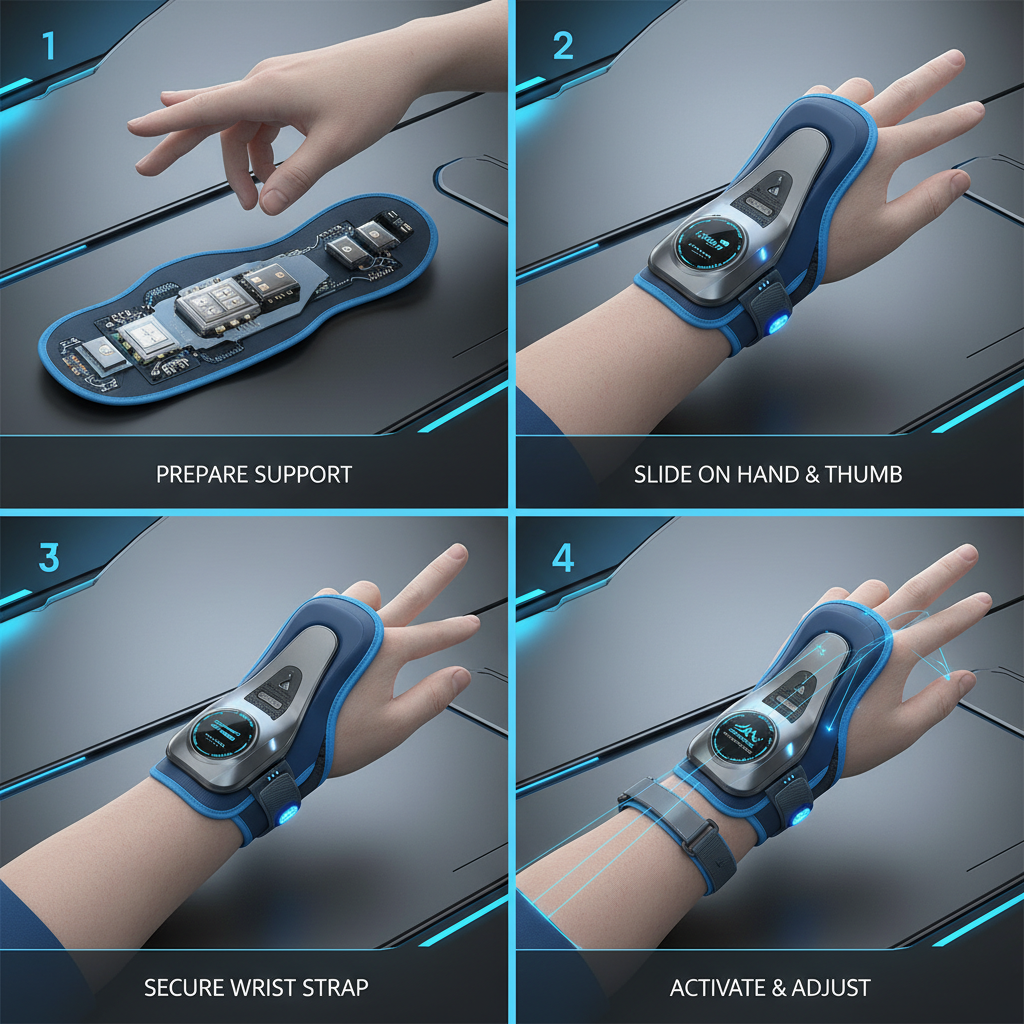
Understanding Different Types of Wrist Thumb Supports
Wrist thumb supports come in various designs, each catering to different levels of support and specific conditions. These broadly fall into several categories: rigid supports, offering maximum immobilization; adjustable supports, providing a customizable fit and varying levels of compression; and compression sleeves, designed for mild support and pain relief. The best type depends on the severity of your symptoms and the activities you need to perform. For instance, a rigid splint is ideal for post-injury stabilization, while a compression sleeve might be suitable for everyday discomfort or preventative use. Knowing the differences empowers you to make an informed choice.
Key Takeaway: Choosing the right type of support is crucial for effective pain relief and recovery. Consider the severity of your condition and your activity level.
Key Features to Look for in a Wrist Thumb Support
When selecting a wrist thumb support, several key features should be considered. Look for adjustable straps to customize the fit and compression level. The presence of a metal or plastic stay (splint) provides additional stabilization, particularly for more severe injuries. Breathable materials are essential for comfort, especially during prolonged wear. Finally, ensure the support is easy to put on and take off, and that it doesn’t restrict essential hand movements unnecessarily. Prioritizing these features ensures both effective support and user comfort.
Essential Features:
• Adjustable Straps
• Splint (Metal or Plastic)
• Breathable Materials
• Easy Application & Removal
Wrist Thumb Support vs. Alternatives: A Comparative Overview
Consider how a wrist thumb support stacks up against other options like braces, wraps, or simply resting. While rest is important, a support offers targeted compression and immobilization, aiding in faster recovery. Braces are often bulkier and provide more extensive support, potentially limiting movement too much for everyday tasks. Wraps offer minimal support and are better suited for minor strains. Choosing a wrist thumb support offers a balance between support and functionality, allowing for continued activity while protecting the injured area.
When to Seek Professional Advice
While a wrist thumb support can provide significant relief, it's crucial to know when to consult a medical professional. If your pain is severe, persistent, or accompanied by numbness, tingling, or weakness, seek medical attention immediately. These symptoms could indicate a more serious underlying condition requiring professional diagnosis and treatment. Don't self-diagnose; a doctor can determine the root cause of your discomfort and recommend the most appropriate course of action.
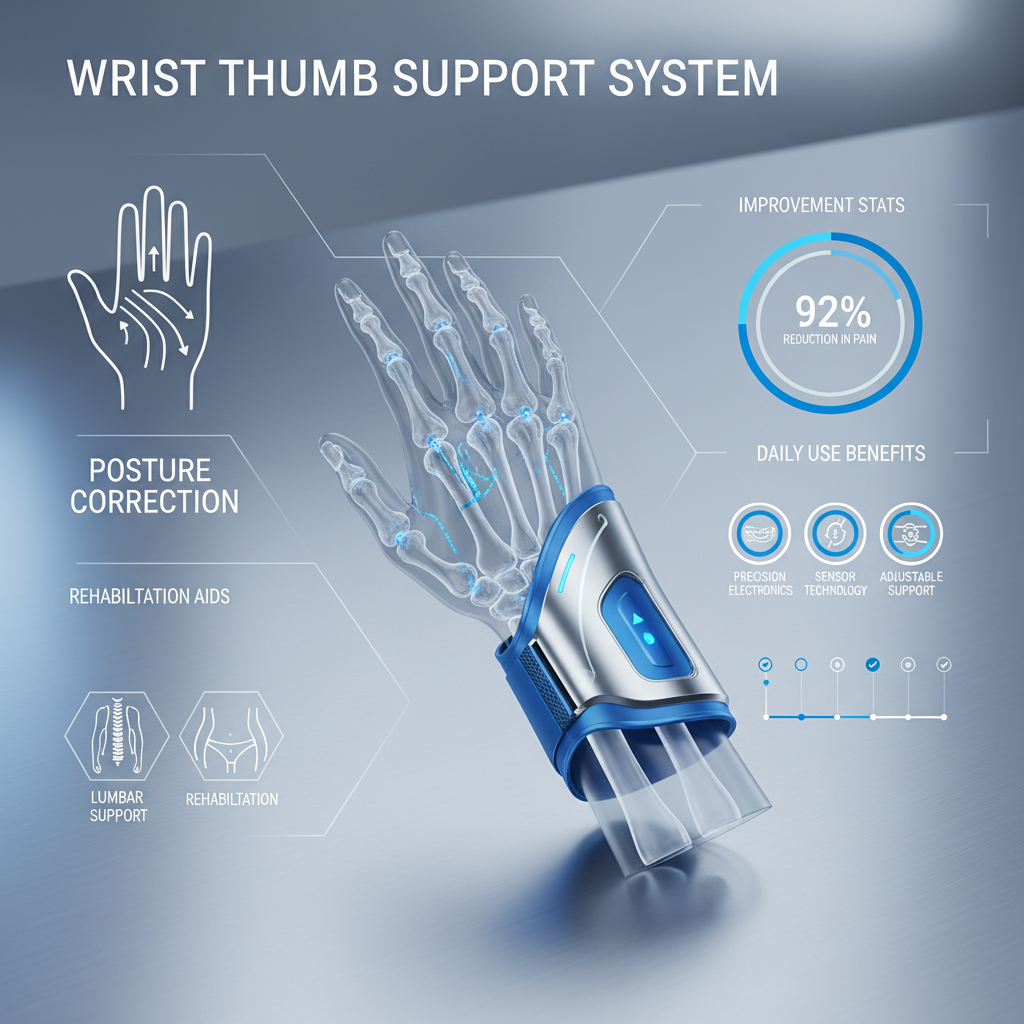
Product Spotlight: JH Orthopedic Wrist Thumb Supports
At JH Orthopedic, we offer a range of wrist thumb supports designed for optimal comfort and support. Our supports feature adjustable straps, breathable materials, and strategically placed splints to provide targeted compression and stabilization. We utilize high-quality materials to ensure durability and long-lasting performance. Explore our collection to find the perfect support for your needs and experience the difference quality makes.
Conclusion: Finding Relief and Regaining Function
Choosing the right wrist thumb support is a vital step toward alleviating pain, promoting healing, and regaining functionality. By understanding the different types available, considering key features, and seeking professional advice when needed, you can make an informed decision that supports your recovery journey. Don't let wrist and thumb pain hold you back – explore the options and find the relief you deserve.
Frequently Asked Questions (FAQs)
How long should I wear a wrist thumb support each day?
The duration of wear depends on the severity of your condition and your activity level. For acute injuries, you might need to wear the support for several hours a day, even during sleep. As your symptoms improve, you can gradually reduce the wear time. For milder conditions or preventative use, wearing the support during activities that aggravate your symptoms is often sufficient. Listen to your body and avoid prolonged use if it causes discomfort or restricts circulation. Consult with a healthcare professional for personalized guidance.
Can I still use my hand normally while wearing a wrist thumb support?
The extent to which you can use your hand normally depends on the type of support you're wearing. More rigid supports will limit movement, while adjustable supports and compression sleeves allow for greater dexterity. The goal is to provide support without completely restricting hand function. You should be able to perform most daily activities, but you may need to modify certain tasks to avoid aggravating your symptoms. If the support significantly restricts your hand function, it may not be the right fit for your needs.
How do I clean my wrist thumb support?
Cleaning instructions vary depending on the material of your support. Generally, hand washing with mild soap and water is recommended. Avoid using harsh detergents or bleach, as these can damage the materials. Rinse thoroughly and air dry completely before reusing. Some supports may be machine washable – check the product label for specific instructions. Regular cleaning helps maintain hygiene and prevents the buildup of bacteria.
What conditions can a wrist thumb support help with?
Wrist thumb supports are commonly used to alleviate symptoms associated with conditions such as carpal tunnel syndrome, De Quervain’s tenosynovitis, arthritis, sprains, strains, and tendonitis. They can also be beneficial for general wrist pain and discomfort. However, it’s important to remember that a wrist thumb support is a symptomatic treatment and doesn’t address the underlying cause of the condition. A proper diagnosis from a healthcare professional is essential for effective management.
-
Thumb Spica Belt Guide for Thumb Stabilization and RecoveryNews Apr.16,2026
-
Soft Thumb Spica Guide for Effective Thumb Stabilization and HealingNews Apr.09,2026
-
Comprehensive Guide to Hand Spica Casts for Effective Injury RecoveryNews Apr.07,2026
-
Benefits of a Custom Thumb Spica for Optimal Hand RecoveryNews Apr.04,2026
-
Experience Ultimate Comfort Cool Thumb Spica for Wrist and Thumb SupportNews Mar.31,2026
-
Comprehensive Guide to Choosing the Right Youth Thumb Splint for Effective HealingNews Mar.28,2026