Effective Relief with a Wrist Splint with Thumb Support for Pain Management
Choosing the Right Support: A Guide to Wrist Splints with Thumb Support
Dealing with wrist pain or carpal tunnel syndrome can significantly impact daily life. A wrist splint with thumb support can provide relief and aid in recovery. This article will explore the benefits of using a wrist splint with thumb support, when to use one, what features to look for, and how to choose the right one for your needs. We'll delve into the various options available and how they can improve your comfort and mobility. Find your solution at JH Orthopedic.
Understanding the Benefits of a Wrist Splint with Thumb Support
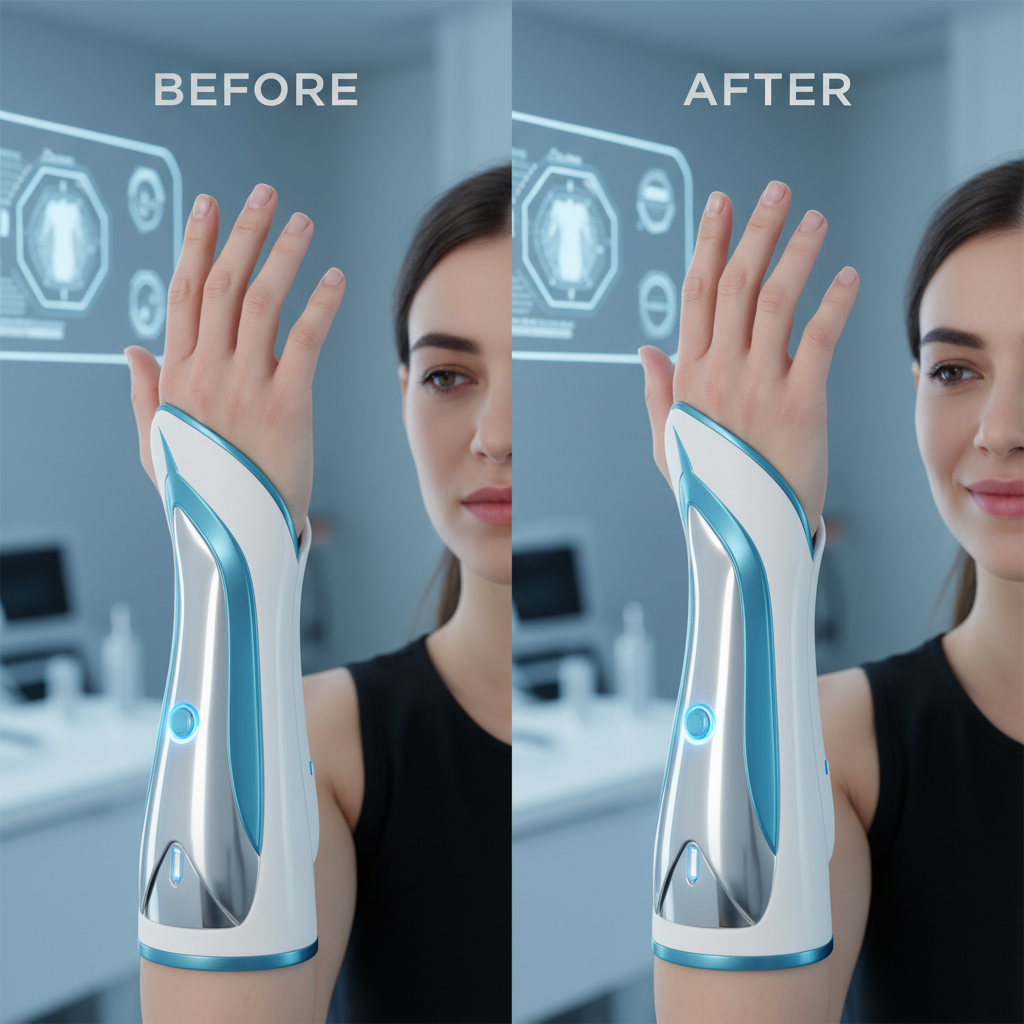
A wrist splint with thumb support is designed to immobilize the wrist and thumb, promoting healing and reducing pain. This type of splint is particularly effective for conditions like carpal tunnel syndrome, tendonitis, sprains, and arthritis. By restricting movement, it allows inflamed tissues to rest and recover. The thumb support component adds stability and prevents excessive thumb movement, which can exacerbate pain and hinder healing. It's a conservative treatment option often recommended before considering more invasive procedures. Proper support can also aid in preventing further injury during activities that strain the wrist and thumb.
Key Benefits: Immobilization for healing, Pain reduction, Prevention of further injury, Support for thumb stability.
When to Consider Using a Wrist Splint with Thumb Support
There are several situations where a wrist splint with thumb support can be beneficial. Common conditions include: Carpal tunnel syndrome (characterized by numbness, tingling, and pain in the hand and wrist), De Quervain’s tenosynovitis (affecting the tendons on the thumb side of the wrist), Wrist sprains or strains, Arthritis (reducing pain and inflammation), Post-operative support following wrist surgery. If you experience persistent wrist or thumb pain, consult with a healthcare professional to determine if a wrist splint is the right solution for you.
Common Conditions Benefiting From Use:
• Carpal Tunnel Syndrome
• De Quervain’s Tenosynovitis
• Wrist Sprains/Strains
• Arthritis
Key Features to Look for in a Wrist Splint with Thumb Support
When selecting a wrist splint with thumb support, consider these key features: Adjustability (to ensure a comfortable and secure fit), Thumb stabilization (look for a splint that effectively supports the thumb), Material (breathable materials like neoprene or lightweight fabrics enhance comfort), Design (choose a design that suits your activity level – more rigid for full immobilization, more flexible for daily use). Some splints also feature adjustable straps and closures for personalized comfort. Explore the options available at JH Orthopedic to find a splint that meets your specific requirements.
Choosing the Right Wrist Splint: Types and Considerations
Different types of wrist splints with thumb support cater to varying needs. Rigid splints offer maximum immobilization and are ideal for acute injuries or post-surgery. Malleable splints provide a balance between support and flexibility, allowing for some wrist movement. Fabric splints are lightweight and comfortable for everyday wear. Consider your specific condition, activity level, and the degree of support required when making your choice. At JH Orthopedic, we offer a wide range of options to suit every individual.
Proper Care and Maintenance of Your Wrist Splint
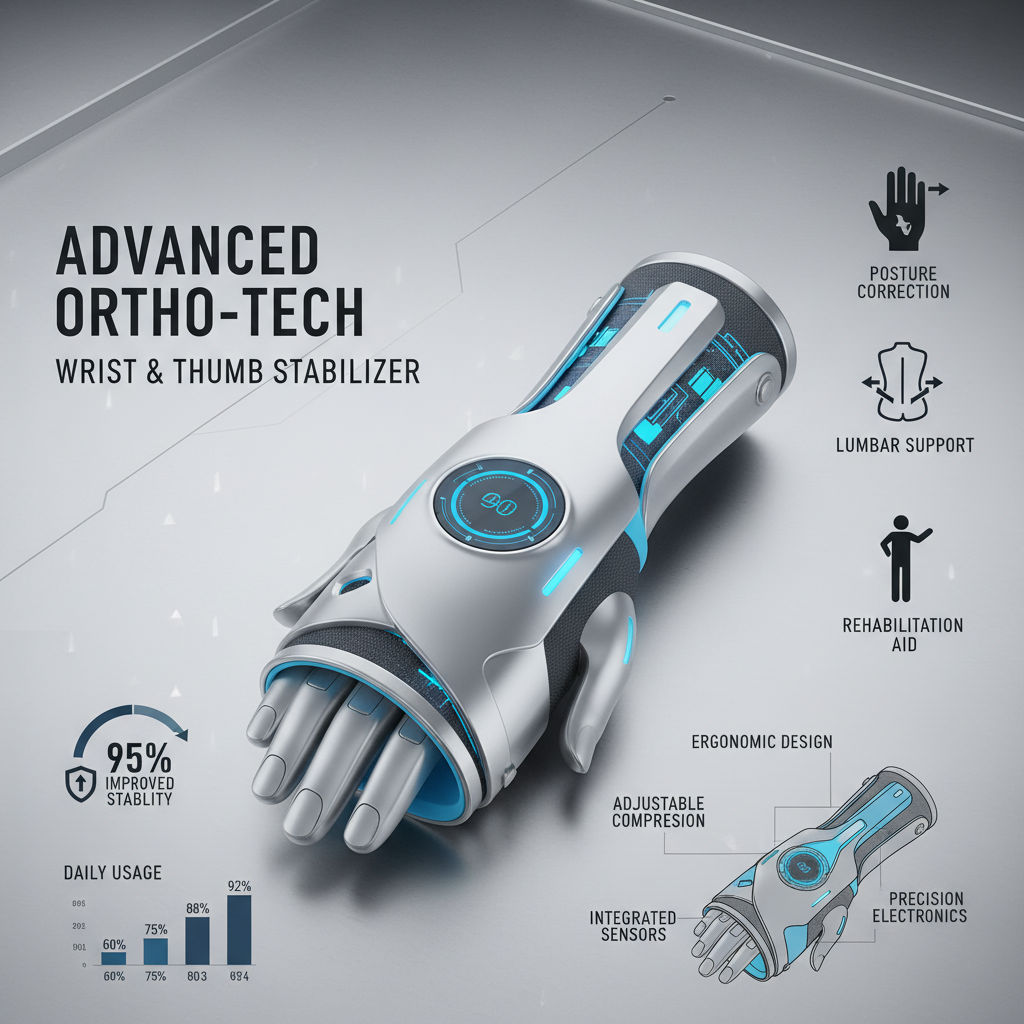
To ensure the longevity and effectiveness of your wrist splint with thumb support, follow these care instructions: Regularly clean the splint with mild soap and water, Avoid harsh chemicals or abrasive cleaners, Allow the splint to air dry completely before use, Inspect the splint for any signs of wear and tear, such as cracks or tears. Replace the splint if it becomes damaged. Proper care will help maintain hygiene and ensure optimal support throughout your recovery.
Conclusion: Find Relief and Support with the Right Wrist Splint
Investing in a high-quality wrist splint with thumb support from JH Orthopedic can significantly improve your comfort, promote healing, and enhance your overall quality of life. Don't let wrist pain hold you back – explore our range of splints and find the perfect fit for your needs.
Frequently Asked Questions (FAQs)
How long should I wear a wrist splint with thumb support each day?
The duration of wear depends on the severity of your condition and your healthcare provider’s recommendations. Generally, you may be advised to wear the splint during activities that aggravate your symptoms or at night while sleeping. Some individuals may need to wear it for several weeks or months to allow for adequate healing. It's crucial to follow your doctor's instructions and gradually reduce wear time as your symptoms improve. Prolonged continuous use without proper guidance could lead to muscle weakness, so careful monitoring and professional advice are essential.
Can I still use my hand for everyday tasks while wearing a wrist splint?
This depends on the type of splint and the severity of your condition. More rigid splints will significantly limit hand movement, while more flexible splints allow for some functionality. You may be able to perform light tasks, such as typing or eating, but avoid activities that cause pain or strain. Listen to your body and stop if you experience any discomfort. The goal is to provide support and promote healing, not to completely immobilize your hand and prevent daily activities.
What if the wrist splint causes discomfort or skin irritation?
If you experience discomfort, skin irritation, or numbness while wearing the splint, stop using it immediately and consult with your healthcare provider. It could be due to an improper fit, excessive tightness, or an allergic reaction to the materials. Ensure the splint is appropriately sized and adjusted, and consider using a liner or wearing a thin glove underneath to minimize irritation. Your healthcare provider can help you determine the cause of the discomfort and recommend appropriate adjustments or alternative options.
Is a wrist splint with thumb support a permanent solution?
A wrist splint is typically a temporary solution to help manage symptoms and promote healing. While it can provide significant relief, it doesn’t address the underlying cause of your wrist pain. In many cases, a combination of treatment options, such as physical therapy, medication, and lifestyle modifications, is necessary for long-term management. Your healthcare provider can develop a comprehensive treatment plan tailored to your specific needs and help you achieve lasting relief.
-
Thumb Spica Belt Guide for Thumb Stabilization and RecoveryNews Apr.16,2026
-
Soft Thumb Spica Guide for Effective Thumb Stabilization and HealingNews Apr.09,2026
-
Comprehensive Guide to Hand Spica Casts for Effective Injury RecoveryNews Apr.07,2026
-
Benefits of a Custom Thumb Spica for Optimal Hand RecoveryNews Apr.04,2026
-
Experience Ultimate Comfort Cool Thumb Spica for Wrist and Thumb SupportNews Mar.31,2026
-
Comprehensive Guide to Choosing the Right Youth Thumb Splint for Effective HealingNews Mar.28,2026