Comprehensive Guide to Wristband Thumb Support for Pain Relief and Recovery
Understanding Wristband Thumb Support: A Comprehensive Guide
Dealing with thumb pain can be debilitating, impacting daily activities and limiting your ability to perform essential tasks. A wristband thumb support can offer significant relief and aid in recovery. This article will delve into the benefits, types, how to choose the right one, and provide insights from leading orthopedic specialists at JHorthopedic. We aim to empower you with the knowledge to make informed decisions about your thumb health.
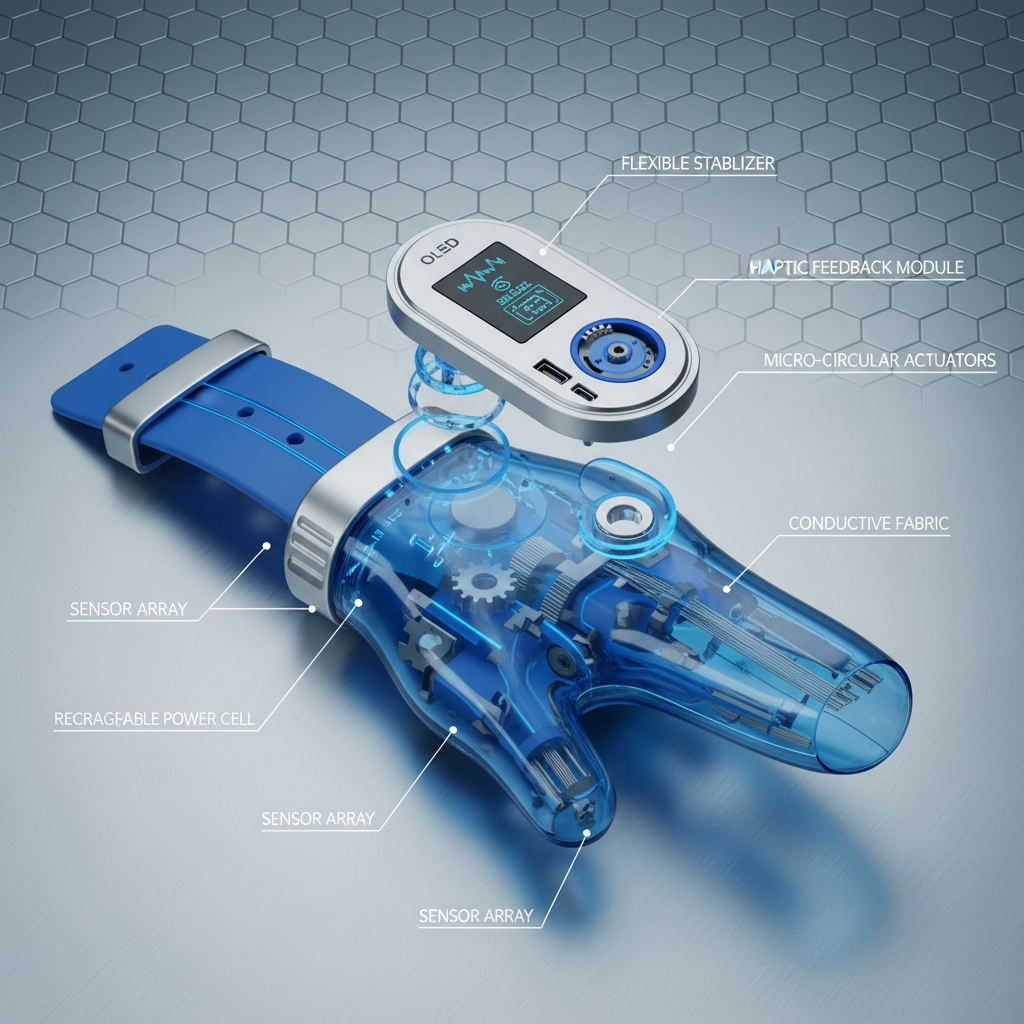
What is a Wristband Thumb Support and Why Use One?
A wristband thumb support is a brace designed to stabilize and protect the thumb joint. It typically extends from the base of the thumb along the wrist, providing support and compression. These supports are commonly used for conditions like De Quervain's tenosynovitis, arthritis, sprains, strains, and post-operative recovery. The primary goal is to reduce pain, inflammation, and allow the thumb to heal. Proper support can help you maintain a more active lifestyle and prevent further injury. At JHorthopedic, we prioritize providing supports that balance effective immobilization with comfortable wear.
Key Benefits: Reduces pain and inflammation, Supports thumb and wrist, Enables continued activity, Aids in post-operative recovery.
Types of Wristband Thumb Support
Wristband thumb supports come in various designs, each suited for different needs and conditions. The most common types include:
- Basic Wristband: Offers general support and compression. Often made from neoprene.
- Thumb Spica Brace: Provides more rigid support, immobilizing the thumb and wrist. Ideal for more severe injuries.
- Adjustable Wraparound Brace: Allows for customized compression and support. Good for conditions like De Quervain’s.
- Metal Stay Support: Incorporates a metal stay along the thumb for added stability.
Choosing the right type depends on the severity of your condition, your activity level, and the level of support you require. Our experts at JHorthopedic can help you determine the best option.
Support Level Guide:
• Low Support: Basic wristbands for mild discomfort.
• Medium Support: Adjustable wraps for moderate conditions.
• High Support: Thumb spica braces or metal stay supports for severe injuries.
Choosing the Right Wristband Thumb Support: A Comparison
Selecting the appropriate wristband thumb support can feel overwhelming. Here's a comparison to help you navigate your options:
Factors to Consider When Choosing a Support
Beyond the type of support, consider these factors: Size and Fit: Ensure a snug, but not restrictive, fit. A poorly fitting brace won’t provide adequate support. Material: Breathable materials like neoprene are ideal for comfort. Adjustability: Adjustable straps allow for a customized fit and varying levels of compression. Ease of Use: Choose a brace that is easy to put on and take off. At JHorthopedic, we offer detailed sizing guides and product descriptions to help you find the perfect fit.
Proper Use and Care of Your Wristband Thumb Support
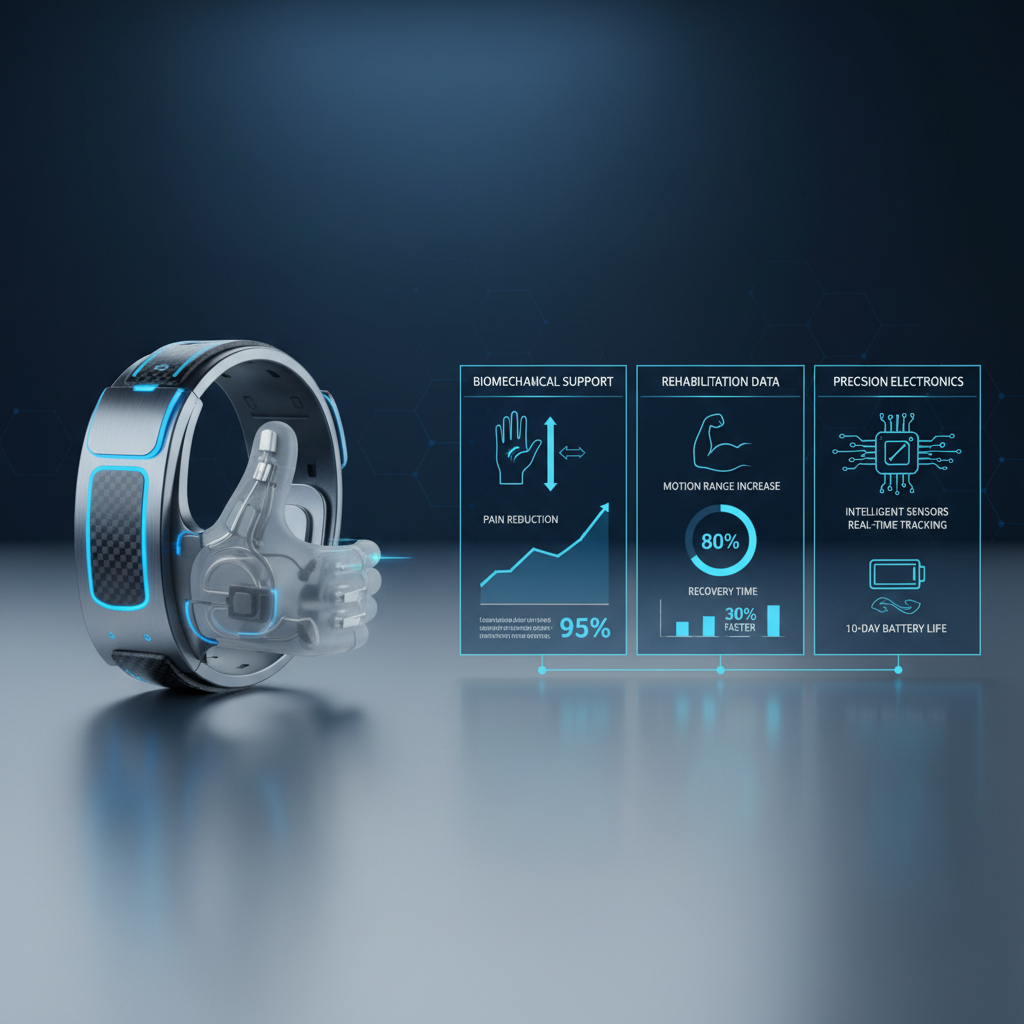
To maximize the benefits of your wristband thumb support, follow these guidelines: Wear as Directed: Follow the recommendations of your doctor or physical therapist regarding wear time. Proper Positioning: Ensure the support is correctly positioned on your thumb and wrist. Regular Cleaning: Wash the support regularly according to the manufacturer's instructions to prevent odor and bacterial growth. Inspect for Wear and Tear: Check the brace regularly for signs of damage and replace it if necessary.
Conclusion: Take Control of Your Thumb Health
Investing in a quality wristband thumb support from JHorthopedic is a proactive step towards managing thumb pain and improving your quality of life. By understanding the different types, choosing the right fit, and following proper care guidelines, you can effectively support your thumb’s recovery and maintain an active lifestyle. Don't let thumb pain hold you back – explore our range of supports today!
Frequently Asked Questions (FAQs)
How long should I wear a wristband thumb support each day?
The duration of wear depends on the severity of your condition and your doctor’s recommendations. Generally, supports are worn during activities that aggravate your pain or when you need extra support. For mild discomfort, you might wear it only during specific tasks. For more severe injuries, you might wear it for several hours each day, or even overnight. It's important to avoid prolonged, continuous wear, as this can weaken the muscles. Consult with a healthcare professional at JHorthopedic for personalized guidance.
Can I sleep with a wristband thumb support on?
Sleeping with a wristband thumb support isn't generally recommended unless specifically advised by your doctor. While it may provide some comfort, prolonged immobilization during sleep can hinder the healing process and potentially lead to muscle stiffness. If your doctor recommends overnight wear, ensure the support isn’t too tight and doesn't restrict circulation.
What should I do if my wristband thumb support causes skin irritation?
If you experience skin irritation, discontinue use immediately. The irritation could be caused by an allergic reaction to the material, friction, or excessive tightness. Try wearing a thin cotton sleeve underneath the support to create a barrier. Ensure the support is properly cleaned. If the irritation persists, consult with a dermatologist or your healthcare provider. JHorthopedic offers supports made from hypoallergenic materials.
When should I replace my wristband thumb support?
Replace your wristband thumb support if it shows signs of wear and tear, such as cracks, tears, or stretched straps. Also, replace it if the support loses its shape or no longer provides adequate support. Over time, the materials can break down, reducing its effectiveness. Generally, a support should be replaced every 6-12 months with regular use, or sooner if damaged.
-
Thumb Spica Belt Guide for Thumb Stabilization and RecoveryNews Apr.16,2026
-
Soft Thumb Spica Guide for Effective Thumb Stabilization and HealingNews Apr.09,2026
-
Comprehensive Guide to Hand Spica Casts for Effective Injury RecoveryNews Apr.07,2026
-
Benefits of a Custom Thumb Spica for Optimal Hand RecoveryNews Apr.04,2026
-
Experience Ultimate Comfort Cool Thumb Spica for Wrist and Thumb SupportNews Mar.31,2026
-
Comprehensive Guide to Choosing the Right Youth Thumb Splint for Effective HealingNews Mar.28,2026