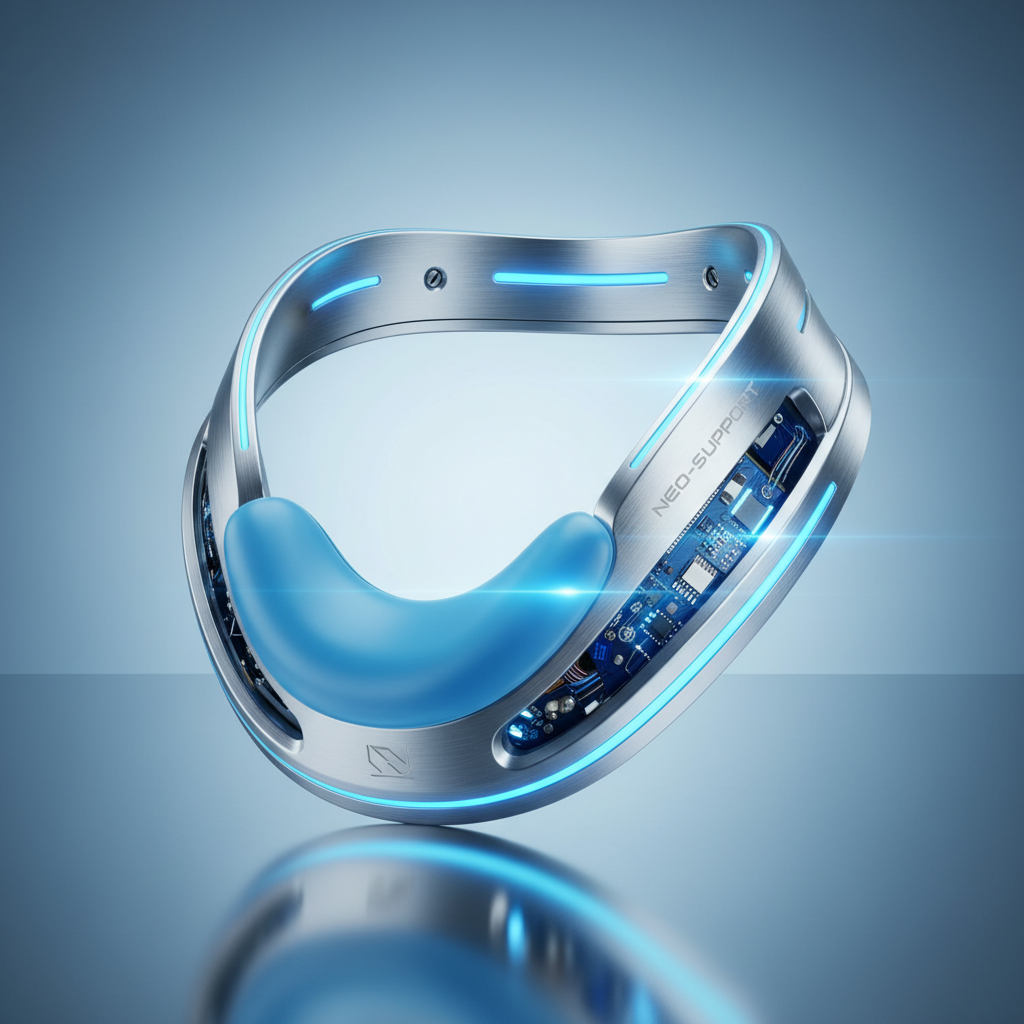
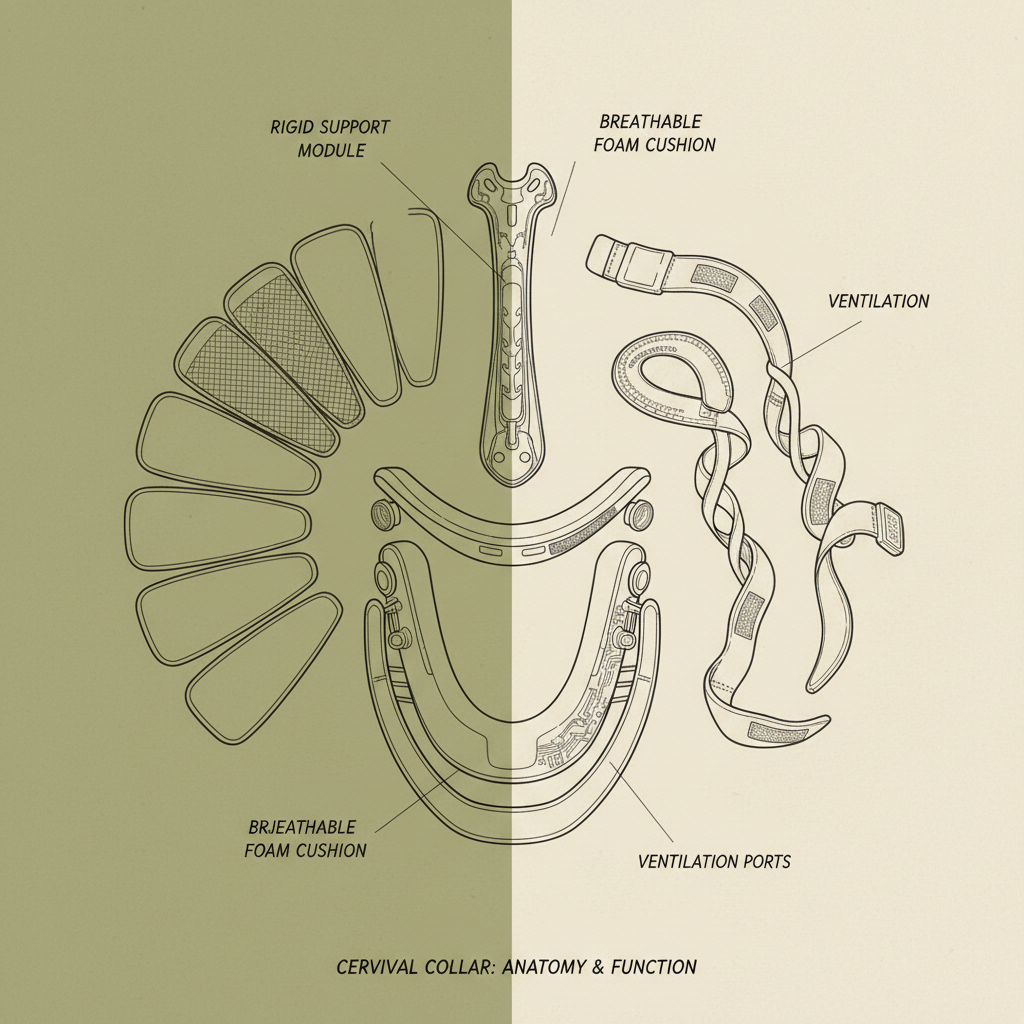
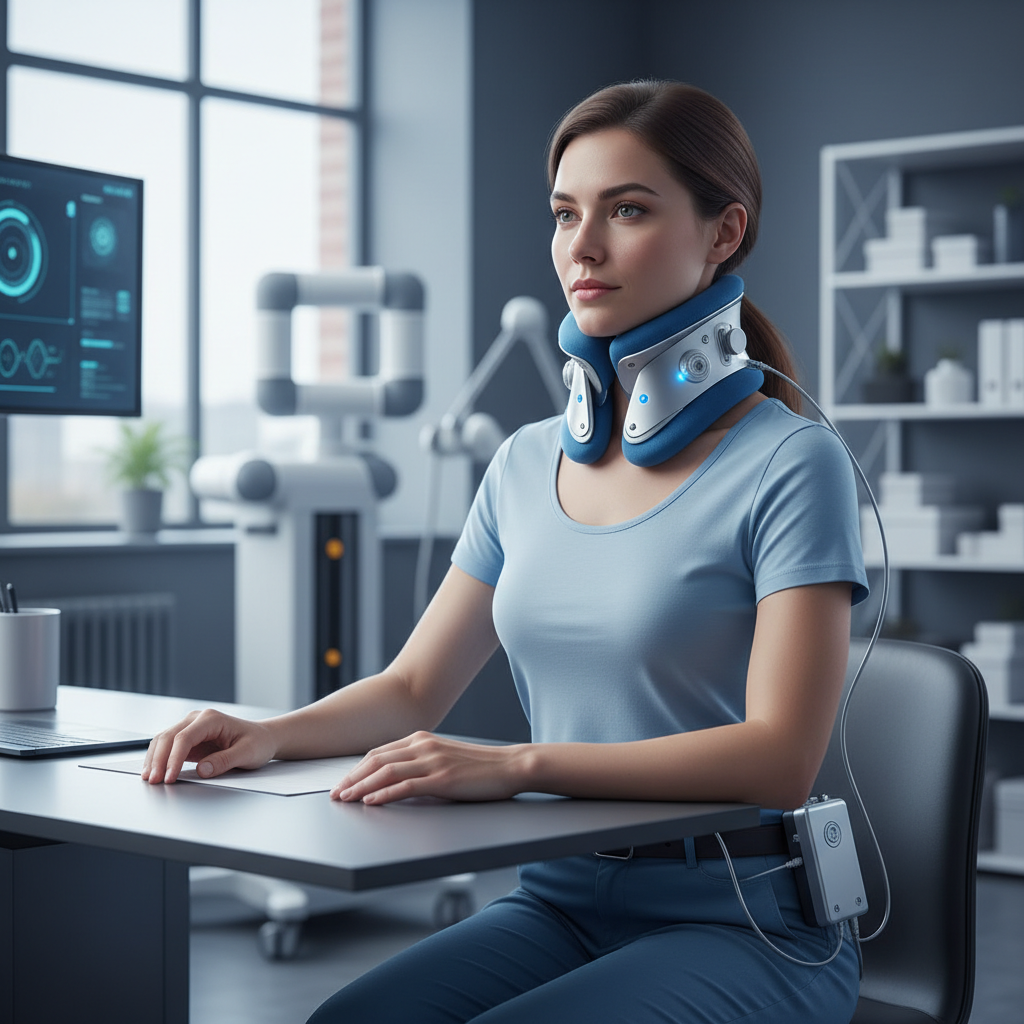
Cervical brace support isn't just about products; it's about people getting back to life. After years on construction sites, seeing injuries happen, and talking to folks trying to recover, you realize how crucial a good support system is—literally and figuratively. We're talking about folks needing to get back to work, back to their families, and just back to feeling normal. And that starts with a brace that does its job, but also understands the daily grind of real life. It's more than just plastic and straps; it’s about restoring function and confidence.
What I've seen is that a lot of the "solutions" out there are designed by folks who don’t understand the practical realities of how people actually use them. Too bulky, too uncomfortable for long days, or simply fall apart with a bit of wear and tear. That’s why durable, adaptable, and reliable cervical brace support is so critical. It's not a luxury; it’s a necessary piece of equipment for recovery and maintaining livelihood.
The demand for effective cervical brace support is rising globally, fueled by increasing workplace injuries, traffic accidents, and an aging population. The UN estimates a significant increase in work-related musculoskeletal disorders, and proper support plays a vital role in mitigating these issues. We’re not just talking about developed nations either; even in rapidly industrializing countries, there's a growing need for accessible and high-quality neck support.
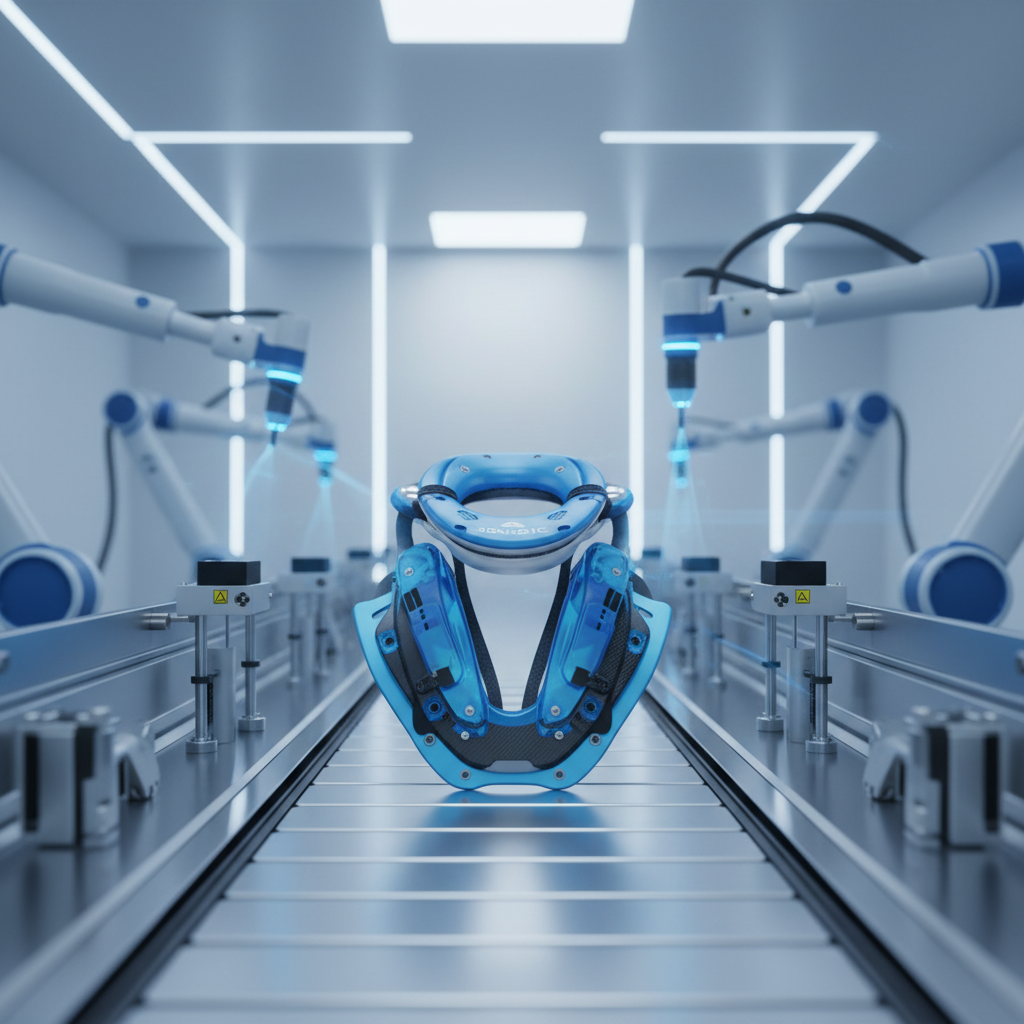
The Importance of Cervical Brace Support
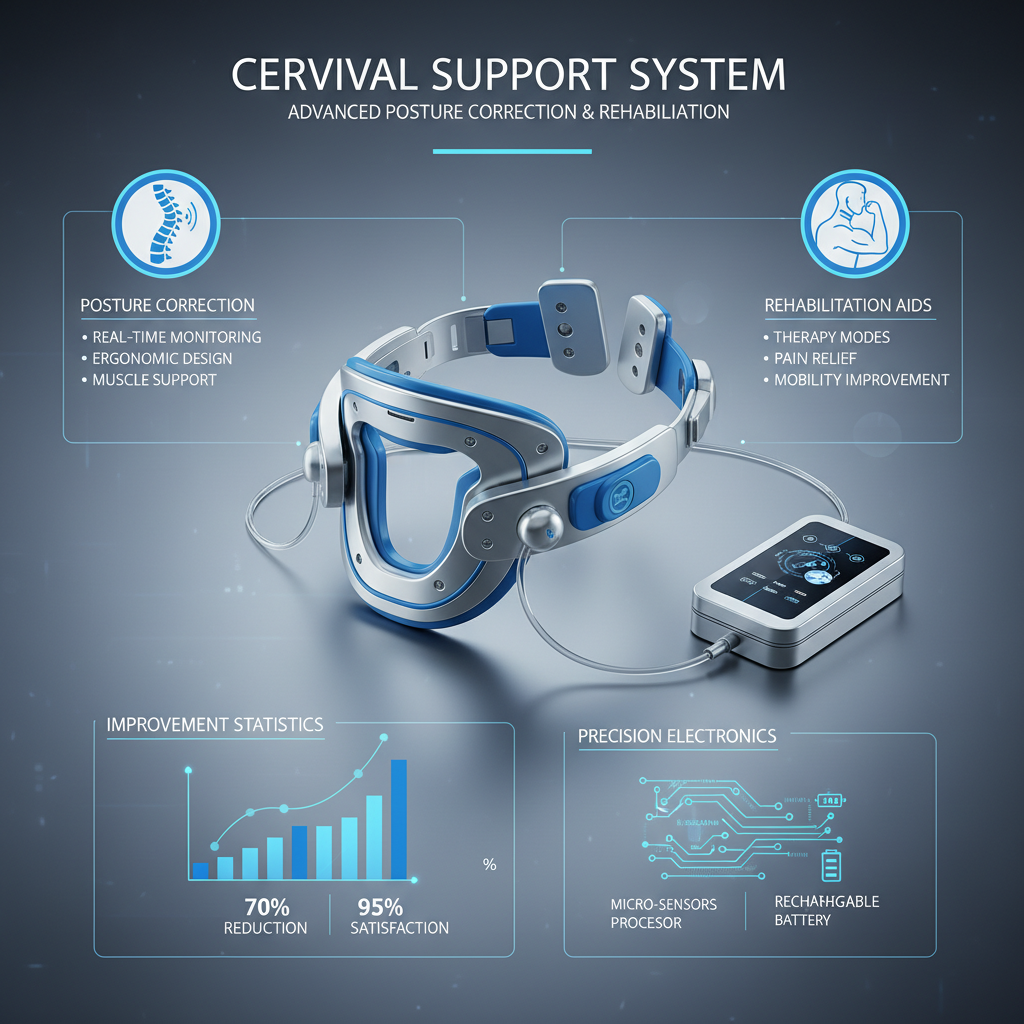
Look, from steelworkers to office employees, neck injuries are incredibly common. But the impact goes way beyond just pain. It’s about lost income, reduced quality of life, and the long-term effects of improper healing. A good cervical brace support is the first step in preventing further damage and supporting the natural healing process. It provides the stability needed for muscles to recover and reduces the risk of chronic pain.
I’ve seen too many guys try to “tough it out” and end up with long-term problems that could have been avoided. Ignoring a neck injury isn’t bravery; it’s foolish. Proper support isn't a sign of weakness, it's a smart move for anyone who wants to get back to doing what they love and providing for their families. cervical brace support is about getting back on your feet, safely and efficiently.
FAQS
Cleaning your cervical brace regularly is crucial for hygiene and longevity. Most braces can be cleaned with mild soap and water. Avoid harsh chemicals or abrasive cleaners, as these can damage the materials. Pay close attention to the padding, ensuring it remains clean and dry to prevent skin irritation. Regularly check the straps and buckles for wear and tear, replacing them if necessary. A well-maintained brace will provide optimal support and last longer.
The duration of brace wear depends entirely on your specific injury and your doctor’s recommendations. Some injuries may require continuous wear for several weeks, while others may only need bracing during certain activities. It's vital to follow your healthcare provider's instructions closely. Over-reliance on the brace can weaken neck muscles, so gradually reducing wear time as you heal is often recommended.
Exercising while wearing a cervical brace is generally discouraged without explicit guidance from your doctor or physical therapist. Certain exercises could potentially exacerbate your injury or damage the brace itself. A tailored rehabilitation program will help you gradually regain strength and range of motion, incorporating exercises that are safe and appropriate for your condition.
Skin irritation is a common issue with cervical braces, especially with prolonged wear. First, ensure the brace is properly fitted and not too tight. If irritation persists, try wearing a thin, breathable cotton sleeve underneath the brace to create a barrier between the brace and your skin. If the irritation becomes severe or develops into a rash, consult your doctor immediately.
Hard cervical braces, typically made of rigid plastic, provide a high degree of immobilization and are used for more severe injuries. Soft cervical braces, made of foam or fabric, offer less support but are more comfortable for minor strains or sprains. The choice between a hard and soft brace depends on the severity of your injury, your doctor’s assessment, and your activity level.
Finding reliable cervical brace support requires careful consideration. Look for reputable medical supply companies that offer products that meet industry standards and certifications. Check reviews from other users and consult with your healthcare provider for recommendations. JHorhtopedic.com offers a range of cervical braces designed for comfort, durability, and effective support.
Conclusion
Cervical brace support is far more than just a medical device; it’s a crucial element in restoring quality of life. From ensuring durability and comfort to driving innovative designs and addressing accessibility challenges, the field continues to evolve. Understanding the key factors and future trends is vital for both healthcare professionals and individuals seeking effective recovery solutions.
Looking ahead, focusing on personalized bracing solutions, improved materials, and increased access will be essential. By prioritizing patient comfort, functionality, and long-term well-being, we can significantly enhance the effectiveness of cervical brace support and help more people get back to living their lives to the fullest. Visit our website today to learn more about our comprehensive range of cervical braces: www.jhorthopedic.com