Soft Thumb Spica Guide for Effective Thumb Stabilization and Healing
Soft Thumb Spica: The Ultimate Guide to Thumb Stabilization
When dealing with thumb injuries, such as sprains, tendonitis, or post-surgical recovery, the goal is always the same: provide enough stability to allow healing while maintaining a level of comfort for the wearer. A soft thumb spica splint is an essential orthopedic tool designed specifically to immobilize the thumb joint without the rigidity of a full cast. By limiting excessive movement, it reduces inflammation and accelerates the recovery process. In this comprehensive guide, we will explore how these supports work, their key benefits, and how to choose the right one for your specific condition.
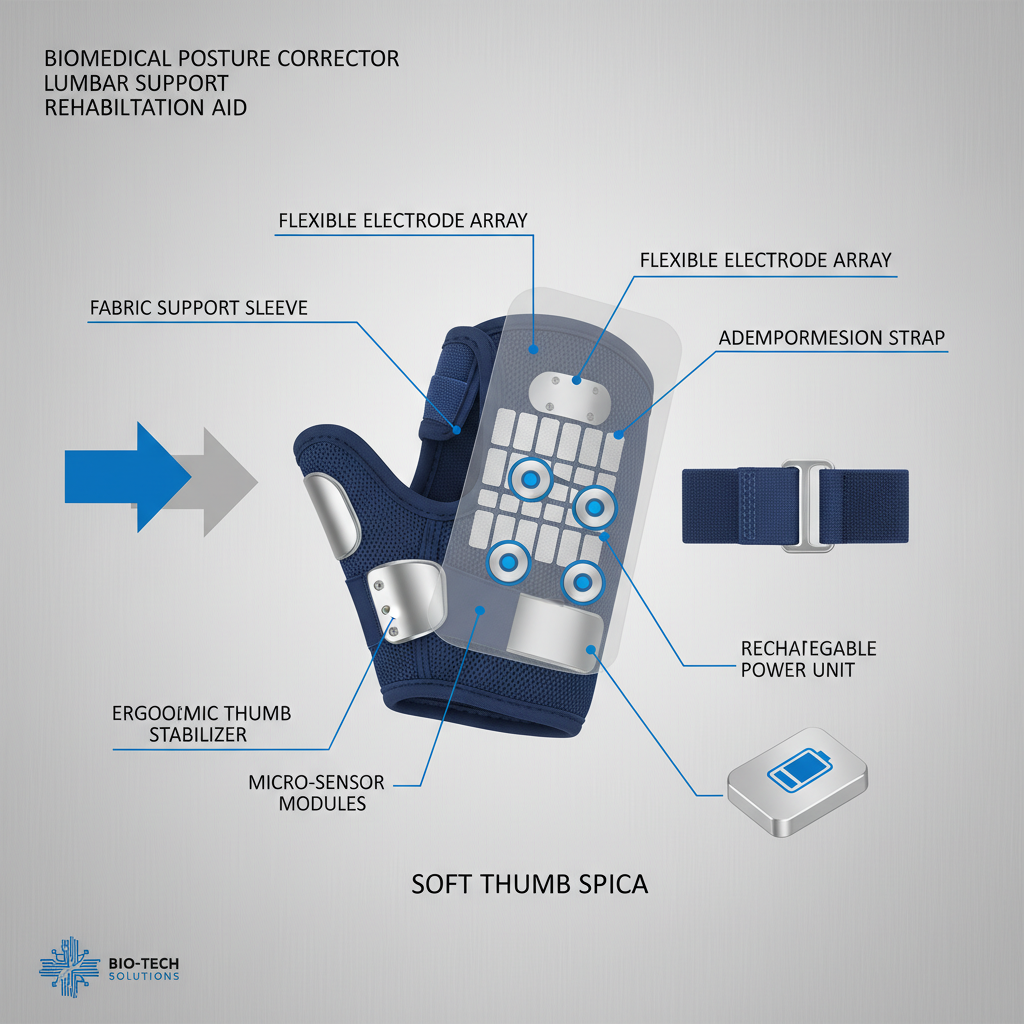
How a Soft Thumb Spica Supports Healing
The primary function of a soft thumb spica is to restrict the movement of the metacarpophalangeal (MCP) and carpometacarpal (CMC) joints of the thumb. Unlike rigid splints, the "soft" variation typically utilizes breathable neoprene or high-grade elastic fabrics combined with a semi-rigid stay. This allows the user to experience targeted compression, which helps in managing swelling and providing a sense of security. By preventing the thumb from moving into positions that cause pain, the splint allows ligaments and tendons to knit back together more efficiently.
Clinical Insight: Soft spica supports are often preferred in the later stages of rehabilitation to transition a patient from total immobilization to functional movement, preventing joint stiffness.
Key Benefits of Using a Soft Thumb Spica
Choosing a soft thumb spica over a hard brace offers several practical advantages, especially for those who need to maintain some level of daily activity. The flexibility of the material ensures that the brace conforms to the unique anatomy of the hand, reducing the risk of pressure sores. Additionally, the lightweight nature of these supports makes them ideal for overnight wear or for use during light office work, ensuring that the patient remains compliant with their treatment plan.
Top Advantages:
• Enhanced Breathability: Reduces skin irritation and perspiration.
• Customizable Fit: Adjustable straps allow for varying levels of compression.
• Improved Compliance: Higher comfort levels mean patients are more likely to wear them.
• Dynamic Support: Provides stability while allowing minimal functional movement.
Comparing Soft Thumb Spica vs. Rigid Braces
Depending on the severity of the injury, a healthcare provider may recommend either a soft or a rigid support. While a rigid brace is necessary for fractures or severe ligament tears (like "Skier's Thumb"), the soft thumb spica is the gold standard for chronic inflammation, mild sprains, and De Quervain's Tenosynovitis. The main trade-off is between absolute immobilization and functional comfort.
Common Applications for Soft Thumb Spica Supports
The versatility of the soft thumb spica makes it a staple in both clinical and home-care settings. It is frequently prescribed for De Quervain's Tenosynovitis, where the tendons on the thumb side of the wrist become inflamed. It is also highly effective for managing arthritis in the thumb joint, as it reduces the load on the joint during gripping activities. Whether it's for a sports injury or repetitive strain from keyboard use, this support provides the necessary balance of compression and stability.
Technical Specifications of Quality Soft Spicas
When sourcing professional-grade supports, it is important to look at the technical construction. A high-quality soft thumb spica should feature medical-grade materials that are hypoallergenic and durable. The integration of a removable or moldable stay allows the clinician to adjust the level of restriction based on the patient's progress. Below are the typical specifications for our premium line of soft supports:
Maintenance and Care for Long-Term Use
To ensure that your soft thumb spica remains effective, proper maintenance is key. Because these supports are worn close to the skin for extended periods, they can accumulate sweat and oils. We recommend hand washing with mild soap and air drying to preserve the elasticity of the fabric. Avoid using harsh chemicals or machine dryers, as high heat can warp the internal stays and degrade the adhesive properties of the straps. Regularly checking the fit ensures that the support continues to provide the correct level of compression as swelling subsides.
Conclusion: Optimizing Recovery with Soft Thumb Spica
The soft thumb spica is a powerful yet gentle solution for those suffering from thumb and wrist injuries. By combining essential immobilization with a comfortable, breathable design, it bridges the gap between rigid casting and no support at all. Whether you are a healthcare professional seeking reliable equipment for patients or an individual managing a chronic condition, investing in a high-quality soft spica can significantly improve the quality of life during recovery. Choose stability, choose comfort, and accelerate your journey back to full mobility.
Frequently Asked Questions (FAQs)
How long should I wear a soft thumb spica?
The duration of wear depends entirely on the specific diagnosis and the advice of your physician. For acute sprains, it may be worn continuously for 2-4 weeks. For chronic conditions like arthritis or De Quervain's, it might be used intermittently during activities that trigger pain. It is important not to over-rely on the support for too long without guided physical therapy, as this can lead to muscle atrophy and joint stiffness. Always follow a weaning schedule as recommended by your therapist.
Can I sleep while wearing a soft thumb spica?
Yes, wearing a soft thumb spica during sleep is often recommended. Many people unconsciously bend their wrists or grip their bedding during the night, which can cause sudden pain or re-injury to the thumb ligaments. The soft materials make it much more tolerable for overnight use compared to hard braces. Just ensure the straps are snug but not so tight that they restrict circulation or cause numbness in the fingers.
How do I know if the spica is too tight?
While compression is beneficial for reducing swelling, excessive tightness can be dangerous. Signs that your support is too tight include tingling or "pins and needles" in the fingertips, skin discoloration (bluish or pale tones), or an increase in pain. You should be able to fit one finger comfortably under the straps. If you experience any of these symptoms, loosen the straps immediately. Proper fit should feel supportive and secure, not constricting.
Is a soft thumb spica suitable for all ages?
Generally, yes. Soft spica supports are designed for a wide range of users. For children, it is crucial to find a pediatric-sized version to ensure the stability is effective. For elderly patients, the soft material is often preferred over rigid options as it is gentler on fragile skin. Regardless of age, the key is ensuring the correct size and a professional fitting to avoid unnecessary pressure points. You can explore various sizing options on the JH Orthopedic website.
-
Thumb Spica Belt Guide for Thumb Stabilization and RecoveryNews Apr.16,2026
-
Comprehensive Guide to Hand Spica Casts for Effective Injury RecoveryNews Apr.07,2026
-
Benefits of a Custom Thumb Spica for Optimal Hand RecoveryNews Apr.04,2026
-
Experience Ultimate Comfort Cool Thumb Spica for Wrist and Thumb SupportNews Mar.31,2026
-
Comprehensive Guide to Choosing the Right Youth Thumb Splint for Effective HealingNews Mar.28,2026