0%

Table of Contents

Cervical collars for neck arthritis are crucial supportive devices designed to stabilize the neck and alleviate pain associated with arthritis in the cervical spine. The rising prevalence of osteoarthritis and other arthritic conditions, coupled with an aging global population, is driving demand for effective neck support solutions. Understanding the nuances of these collars – from material composition to adjustable features – is paramount for healthcare professionals and patients alike, impacting quality of life and treatment outcomes.

Globally, the burden of arthritis is significant. The World Health Organization estimates that over 10% of adults worldwide suffer from some form of arthritis. This translates to millions seeking relief from neck pain and restricted movement. Cervical collars, when appropriately selected and fitted, provide a non-invasive approach to manage these symptoms, offering a cost-effective alternative to more complex interventions like surgery. Furthermore, advancements in materials and design are continually improving their efficacy and comfort.

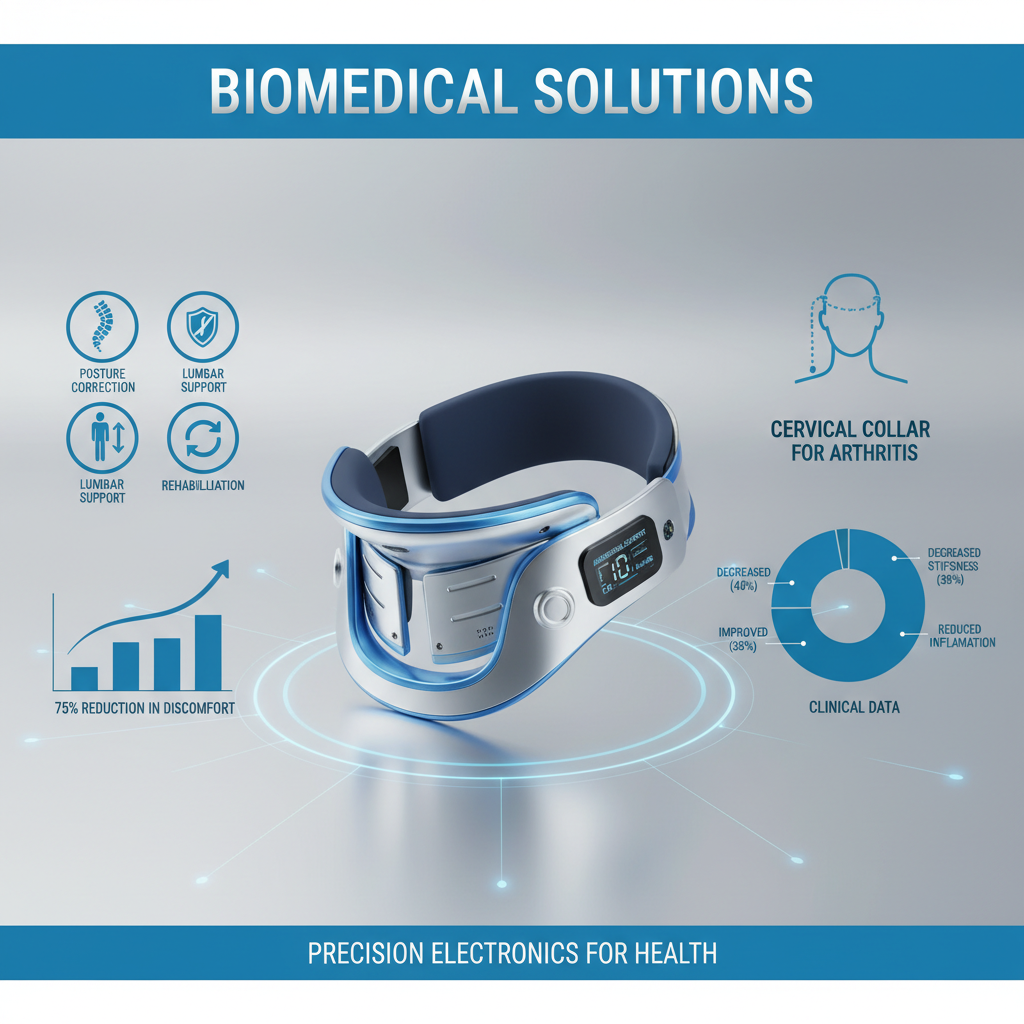
A cervical collar for neck arthritis serves as an external support system for the cervical spine. It’s designed to limit motion, reducing stress on the affected joints and surrounding tissues. This restriction of movement helps to minimize pain, prevent further injury, and facilitate the healing process. Modern cervical collars are evolving beyond simple immobilization, incorporating features like adjustable support levels and breathable materials to enhance patient comfort and compliance.
Comprehensive Guide to Cervical Collar for Neck Arthritis and Effective Pain Management

The Fundamentals of cervical collar for neck arthritis
Comprehensive Guide to Cervical Collar for Neck Arthritis and Effective Pain Management

The primary function of a cervical collar for neck arthritis is to provide external support to the cervical spine, reducing pain and preventing further injury. This is achieved by limiting the range of motion in the neck, which minimizes stress on arthritic joints and inflamed tissues. Different types of collars offer varying degrees of support, ranging from soft foam collars for mild discomfort to rigid collars providing substantial immobilization.

Proper fitting is crucial for optimal effectiveness. An ill-fitting collar can exacerbate discomfort or fail to provide adequate support. Healthcare professionals typically assess the patient’s specific needs and adjust the collar accordingly. The selection of a cervical collar for neck arthritis depends on factors such as the severity of arthritis, the presence of other injuries, and the patient’s lifestyle.

Understanding the Mechanics of cervical collar for neck arthritis

The biomechanical principles behind cervical collar function are centered on limiting cervical spine movement. By restricting flexion, extension, lateral bending, and rotation, the collar reduces the load on the facet joints and intervertebral discs affected by arthritis. This reduction in load translates to decreased pain and allows the inflamed tissues to heal.

Different collar designs employ varying mechanisms to achieve this immobilization. Rigid collars, often made from plastic or metal, provide the most substantial restriction. Semi-rigid collars, incorporating flexible supports, offer a balance between support and comfort. Soft collars, typically made of foam, provide minimal support but can still be effective for mild arthritis or post-injury comfort.

The effectiveness of a cervical collar is also influenced by patient compliance. Consistent wear, as prescribed by a healthcare professional, is essential to maximize its therapeutic benefits. Educating patients on the proper use and care of the collar is crucial to ensure adherence to the treatment plan.

Material Science and Cervical Collar Construction

Modern cervical collars utilize a range of materials, each with specific properties that contribute to their performance. Foam collars often employ polyethylene foam for comfort and cushioning. Semi-rigid and rigid collars frequently utilize polypropylene or other durable plastics for structural support. Some advanced collars incorporate breathable fabrics to improve ventilation and minimize skin irritation.

The choice of material significantly impacts the collar's weight, flexibility, and durability. Lightweight materials enhance patient comfort and compliance. Flexible materials allow for a degree of movement while still providing support. Durable materials ensure the collar can withstand regular use and maintain its structural integrity. A cervical collar for neck arthritis constructed from high-quality materials will offer optimal support and longevity.

Innovations in material science are leading to the development of collars with enhanced features, such as antimicrobial properties to prevent infection and hypoallergenic materials to minimize allergic reactions. The integration of advanced polymers and composites is also contributing to the creation of lighter, stronger, and more comfortable cervical collars.

Assessing the Efficacy of Different cervical collar for neck arthritis Designs

Evaluating the efficacy of different cervical collar designs requires a multifaceted approach. Factors considered include the degree of immobilization, patient comfort, and the impact on activities of daily living. Biomechanical testing can assess the collar’s ability to restrict cervical spine motion.

Clinical trials are crucial for determining the effectiveness of collars in reducing pain and improving functional outcomes in patients with neck arthritis. These trials often involve comparing different collar designs and assessing patient-reported outcomes, such as pain levels and range of motion.

Comparison of cervical collar for neck arthritis Designs


Global Applications and Patient Populations Benefiting from cervical collar for neck arthritis

Cervical collars for neck arthritis find applications across diverse healthcare settings globally. These include hospitals, rehabilitation centers, orthopedic clinics, and even home healthcare environments. Patient populations benefiting from these devices encompass individuals with various forms of cervical arthritis, including osteoarthritis, rheumatoid arthritis, and ankylosing spondylitis.

In countries with aging populations, such as Japan and Germany, the demand for cervical collars is particularly high. Similarly, in regions with physically demanding occupations, like construction or agriculture, individuals are at increased risk of developing neck arthritis and may benefit from preventative or supportive use of a collar.

Long-Term Benefits and Considerations for cervical collar for neck arthritis Use

Long-term benefits of appropriate cervical collar for neck arthritis use include pain reduction, improved function, and prevention of further joint damage. By stabilizing the neck and reducing stress on the cervical spine, collars can help slow the progression of arthritis and maintain quality of life.

However, prolonged collar use can also have potential drawbacks, such as muscle weakness and skin irritation. Therefore, healthcare professionals must carefully monitor patients and adjust the duration of collar use based on their individual needs and progress. Regular exercises to strengthen neck muscles are often recommended to mitigate the risk of muscle atrophy.

Furthermore, patients should be educated on proper collar care and hygiene to prevent skin problems and maintain the device’s effectiveness.

Future Innovations and Trends in cervical collar for neck arthritis Technology

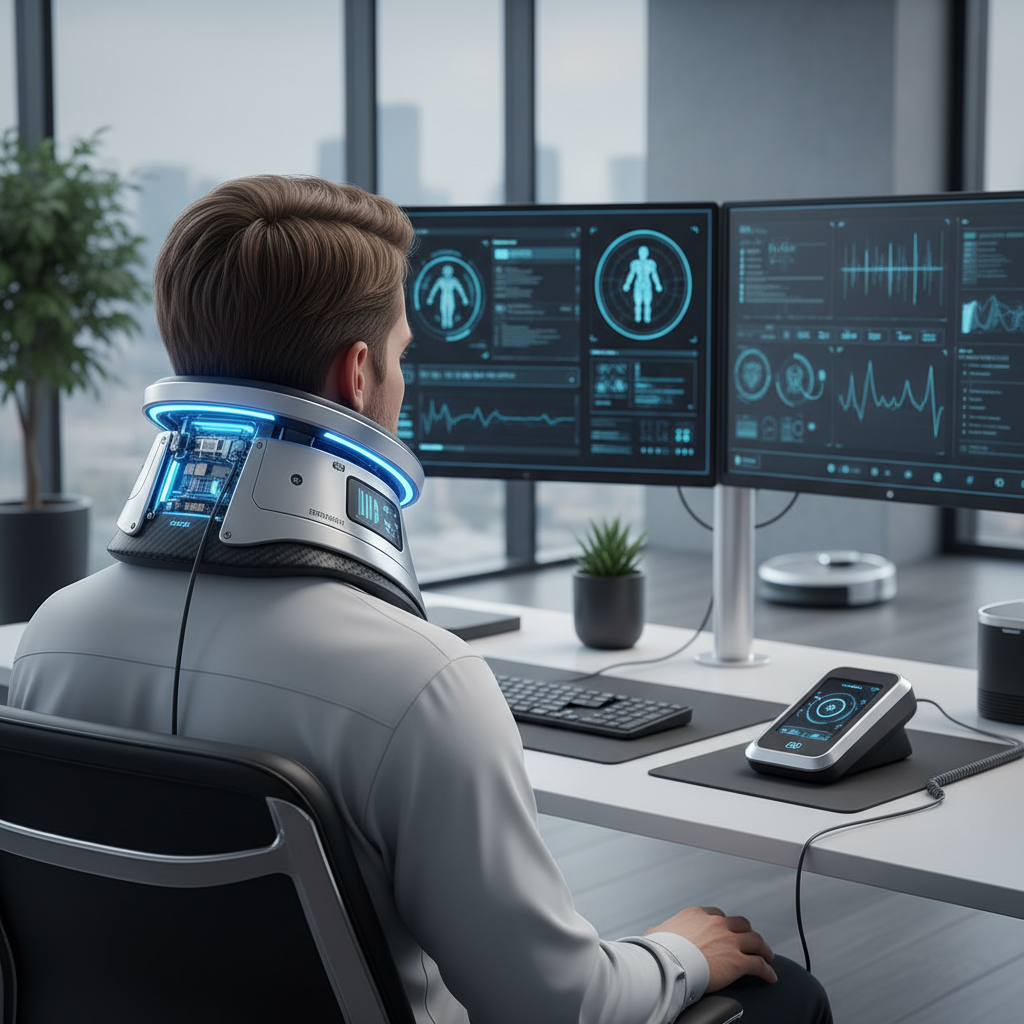
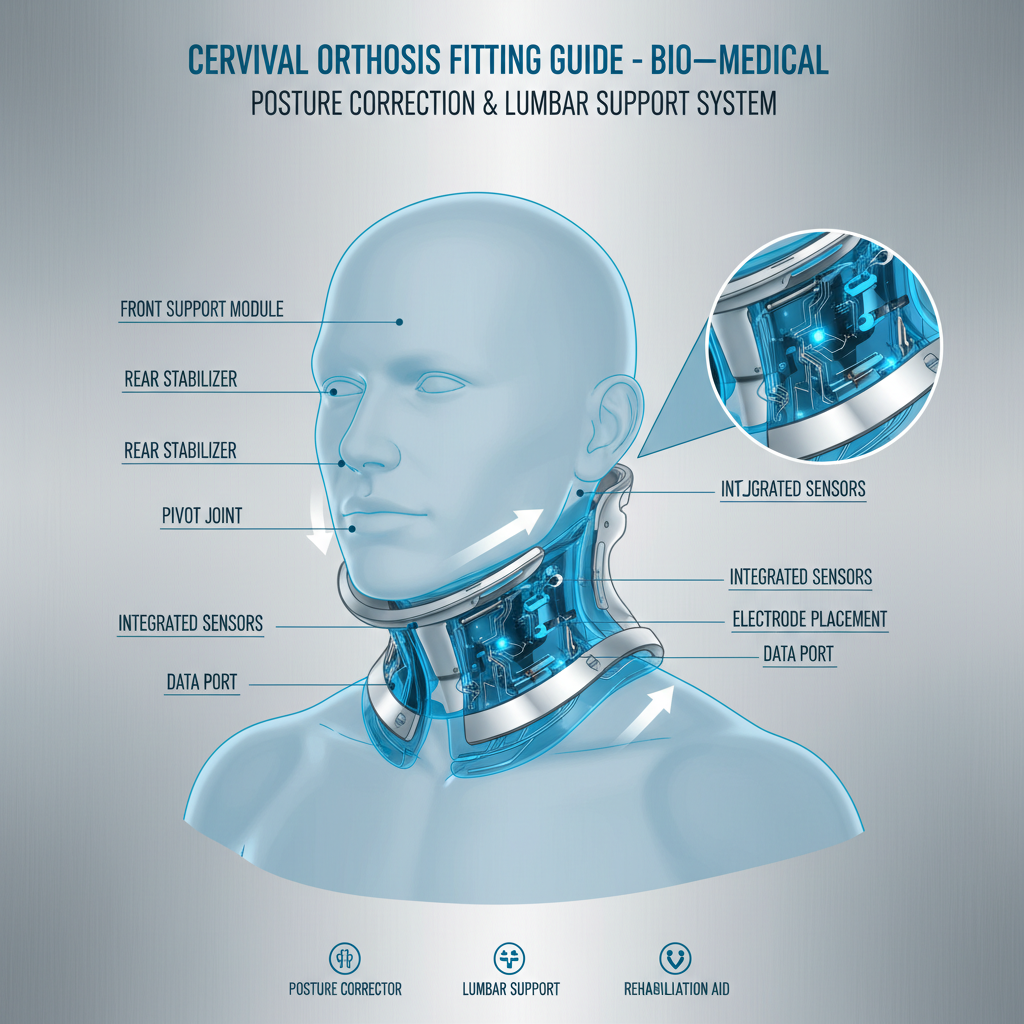
The future of cervical collar technology is poised for significant advancements. Research is underway to develop “smart” collars equipped with sensors to monitor neck movement, posture, and muscle activity. This data can be used to provide real-time feedback to patients and optimize treatment plans.

Another emerging trend is the development of more personalized collars, tailored to the individual patient’s anatomy and needs. This may involve 3D printing or other advanced manufacturing techniques to create custom-fitted collars that provide optimal support and comfort.

Materials science is also playing a key role, with researchers exploring new polymers and composites that are lighter, stronger, and more breathable. Integration with virtual reality or augmented reality could also allow for remote monitoring and rehabilitation guidance.

Summary of Future Trends in Cervical Collar Technology

Technology Area Current Status Potential Impact on cervical collar for neck arthritis Timeline for Adoption
Sensor Integration Prototype development Real-time monitoring of neck movement and posture. 3-5 years
Personalized Manufacturing Limited 3D printing applications Custom-fitted collars for optimal support. 5-7 years
Advanced Materials Research on new polymers and composites Lighter, stronger, and more breathable collars. 2-3 years
Virtual/Augmented Reality Integration Early stage exploration Remote rehabilitation guidance and monitoring. 7-10 years
Biometric Feedback Systems Conceptual stage Collars that adjust support based on physiological data. 5-8 years
Antimicrobial Coatings Increasingly common Reduced risk of skin infections and irritation. 1-2 years

FAQS

How often should I wear my cervical collar for neck arthritis?

The duration of cervical collar wear varies based on the severity of your arthritis, your activity level, and your healthcare provider's recommendations. Generally, collars are worn for several hours per day, especially during activities that exacerbate your symptoms. Avoid prolonged, continuous use to prevent muscle weakness. Follow your doctor's instructions closely, and gradually reduce wear time as your pain improves.

Can I sleep with my cervical collar on?

Sleeping with a cervical collar is generally not recommended unless specifically advised by your doctor. While it might seem appealing for continuous support, it can restrict breathing and circulation during sleep. Some individuals may find it helpful for short periods after surgery or injury, but this should be under strict medical supervision. Prioritize proper sleep posture and consider a supportive pillow instead.

How do I clean and maintain my cervical collar?

Cleaning instructions vary depending on the collar's material. Foam collars can typically be hand-washed with mild soap and water. Rigid or semi-rigid collars often require wiping down with a damp cloth. Avoid harsh chemicals or abrasive cleaners. Regularly inspect the collar for signs of wear and tear, and replace it if it's damaged. Proper hygiene prevents skin irritation and extends the collar's lifespan.

What should I do if my cervical collar causes skin irritation?

If you experience skin irritation, discontinue use and consult your healthcare provider. The irritation might be due to an allergic reaction to the collar material, improper fit, or excessive pressure. Consider using a soft fabric barrier between the collar and your skin. Your doctor might recommend a different collar material or adjust the fitting to alleviate the irritation.

Are there exercises I can do while wearing a cervical collar?

Yes, gentle range-of-motion exercises can help prevent muscle stiffness while wearing a collar. Your physical therapist can recommend specific exercises tailored to your condition. Avoid any movements that cause pain or discomfort. The goal is to maintain some level of muscle activity without putting undue stress on the cervical spine. Gradual strengthening exercises can be introduced as your pain subsides.

What are the signs that my cervical collar is no longer necessary?

Signs that you might no longer need a cervical collar include significant reduction in pain, improved range of motion, and the ability to perform daily activities without discomfort. However, it’s crucial to consult your healthcare provider before discontinuing collar use. They will assess your progress and determine if it's safe to do so. A gradual weaning process might be recommended.

Conclusion

In conclusion, the cervical collar for neck arthritis remains a vital component in the management of cervical arthritis. Its ability to provide support, reduce pain, and facilitate healing makes it an invaluable tool for healthcare professionals and patients alike. Understanding the biomechanics, materials, and application of these devices is crucial for optimal treatment outcomes.

As technology advances, we can expect to see even more sophisticated and personalized cervical collars emerge, offering improved comfort, functionality, and long-term benefits. By embracing these innovations and prioritizing patient-centered care, we can significantly enhance the quality of life for individuals living with neck arthritis. Visit our website at www.jhorthopedic.com to learn more about our range of cervical support solutions.

Robert Johnson

Robert Johnson

Robert Johnson serves as the Sports Medicine Account Manager for Hebei JianHang Technology. His background as a former collegiate athlete gives him a unique perspective on the demands placed on the body and the importance of preventative care. Robert specializes in working with sports teams and athletic trainers, offering customized
Previous Clinical Guide to Using Cervical Collar for Neck Fracture Recovery
Next Effective Management of Herniated Discs with a Cervical Collar for Herniated Disc
No.240 Xingying West Street,Anping County,Hebei Province,China
Have a question? Keep in touch.
Copyright © 2026 Hebei Jianhang Technology Co.,Ltd. All Rights Reserved. Sitemap | Privacy Policy | Top Blog | Global Service
If you are interested in our products, you can choose to leave your information here, and we will be in touch with you shortly.