Thumb Spica Belt Guide for Thumb Stabilization and Recovery
Thumb Spica Belt: The Ultimate Guide to Thumb Stabilization and Recovery
Recovering from a thumb injury or managing chronic joint instability requires a precise balance of immobilization and comfort. The thumb spica belt is specifically engineered to provide targeted support to the carpometacarpal (CMC) and metacarpophalangeal (MCP) joints, preventing unnecessary movement that could hinder the healing process. Whether you are dealing with De Quervain's tenosynovitis, arthritis, or a sprain, choosing a high-quality brace is essential for regaining full functionality. In this guide, we will explore the technical aspects, benefits, and selection criteria for the most effective thumb stabilization solutions.
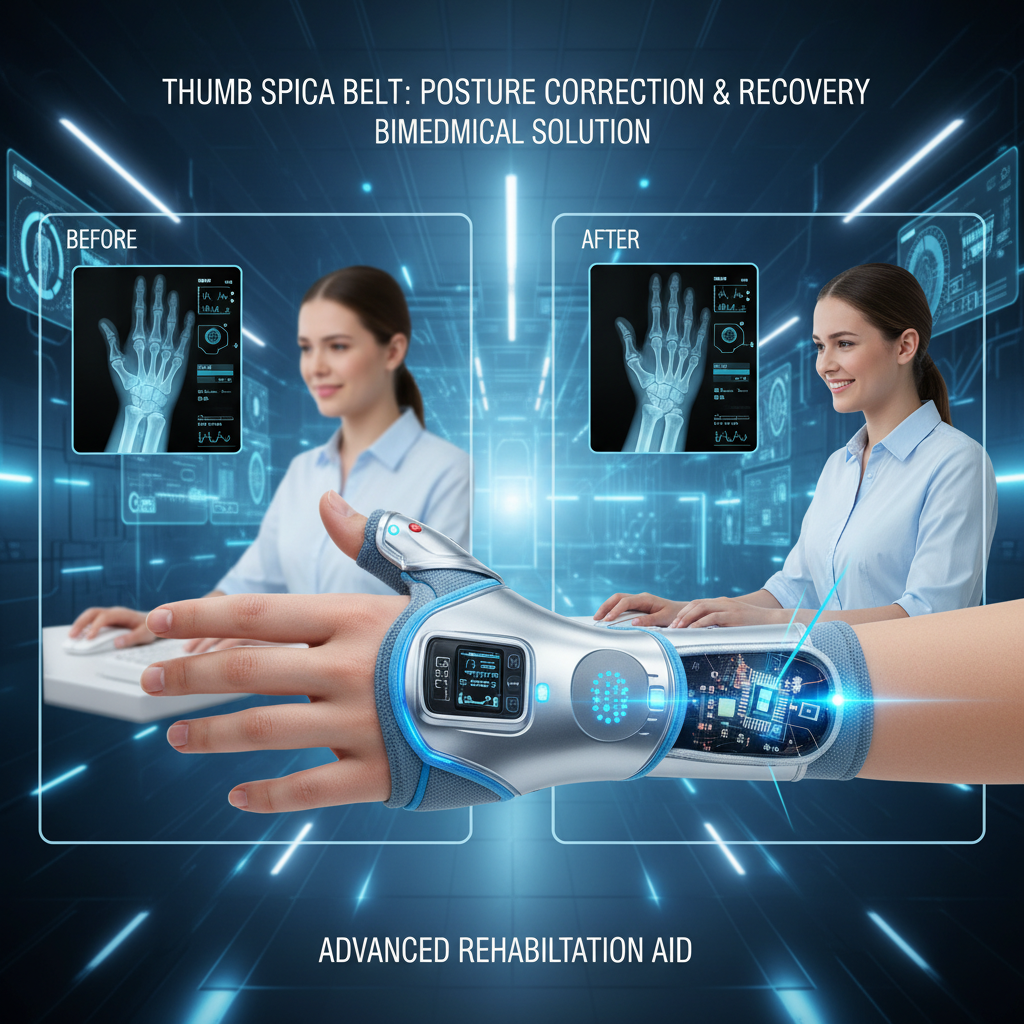
How a Thumb Spica Belt Works for Injury Recovery
The primary mechanism of a thumb spica belt is "controlled immobilization." By restricting the abduction and extension of the thumb, the belt reduces the strain on inflamed tendons and ligaments. This immobilization is critical during the acute phase of an injury, as it prevents the "micro-trauma" that occurs during daily activities. Modern designs often incorporate a removable or adjustable stay (splint), allowing the user to transition from rigid support to a more flexible setting as the joint regains strength. This progressive approach ensures that the muscles do not atrophy while the injured tissue safely regenerates.
Clinical Insight: Immobilization via a spica belt reduces the load on the radial styloid process, which is the primary pain point for patients suffering from tendonitis, thereby accelerating the overall recovery timeline.
Key Benefits of Using a High-Quality Thumb Spica Belt
Not all thumb supports are created equal. A professional-grade thumb spica belt offers several advantages over generic wrist wraps. Firstly, it provides anatomical alignment, ensuring the thumb is held in a "functional position" that prevents joint stiffness. Secondly, the use of breathable, hypoallergenic materials reduces skin irritation during long-term wear. Finally, the adjustable compression straps allow users to customize the level of tightness based on the amount of swelling present, which is crucial for managing edema in the early stages of post-surgical recovery or acute sprains.
Primary Advantages:
• Pain Reduction: Minimizes joint movement to lower inflammation.
• Customizable Fit: Adjustable straps accommodate various hand sizes.
• Enhanced Stability: Prevents accidental hyperextension of the thumb.
• Breathable Fabric: Ensures comfort for 24/7 wear if required.
Comparing Thumb Spica Belt Types: Rigid vs. Flexible
Choosing between a rigid and a flexible thumb spica belt depends entirely on the severity of the condition. Rigid belts are typically used for fractures or severe ligament tears where zero movement is permitted. Flexible belts, often made of neoprene or elasticated fabric, are better suited for mild arthritis or the final stages of rehab. The following table provides a detailed comparison to help you determine which level of support is necessary for your specific medical needs.
Applications of the Thumb Spica Belt in Daily Life
The utility of a thumb spica belt extends beyond the clinic. For office workers, it provides the necessary support to use a keyboard and mouse without triggering inflammation in the thumb base. For athletes, it acts as a preventative measure against "skier's thumb" or other sports-related hyperextensions. Additionally, elderly patients with osteoarthritis find that wearing the belt during morning activities reduces stiffness and allows for a more independent lifestyle. The versatility of these belts ensures that whether you are in a professional setting or at home, your recovery remains on track.
Technical Specifications for Thumb Spica Belt Selection
When sourcing medical-grade supports, it is important to evaluate the technical specifications to ensure the product meets clinical standards. A high-quality thumb spica belt should be measured accurately to avoid pressure points that could impede circulation. The following specifications are standard for premium orthopedic supports designed for maximum stability and skin health.
Best Practices for Wearing Your Thumb Support
To get the most out of your thumb spica belt, proper application is key. Ensure the splint is aligned with the thumb's natural axis and that the wrist is in a neutral position. Over-tightening the straps can lead to numbness or tingling in the fingertips, which is a sign of restricted blood flow. We recommend tightening the straps just enough to prevent movement but leaving enough space to slide a finger underneath. Additionally, periodically removing the belt for gentle, physician-approved stretching exercises can prevent joint atrophy and improve circulation, accelerating the overall healing process.
Conclusion: Prioritizing Hand Health with the Right Support
The thumb spica belt is more than just a brace; it is a critical tool for anyone seeking to recover from thumb injuries or manage chronic joint pain. By combining rigid stabilization with breathable comfort, it allows the body to heal while maintaining a level of daily functionality. Investing in a high-quality orthopedic support ensures that you avoid further injury and return to your daily activities with confidence and strength. Don't let thumb pain limit your life—choose a professional stabilization solution today.
Frequently Asked Questions (FAQs)
Can I wear a thumb spica belt while sleeping?
Yes, in many cases, wearing a thumb spica belt during sleep is highly recommended. Many people unconsciously move their hands or curl their wrists while sleeping, which can lead to sudden pain or re-injury of the thumb joint. Wearing the belt at night ensures continuous stabilization, which is particularly beneficial for those recovering from surgery or severe sprains. However, ensure the straps are slightly loosened compared to daytime wear to allow for better blood circulation while you rest.
How long should I wear my thumb spica belt?
The duration of wear varies depending on the diagnosis. For acute injuries like fractures, you may need to wear the belt for several weeks. For chronic conditions like arthritis, you might only wear it during periods of high activity or during "flare-ups." It is essential to follow your doctor's guidance; typically, you will start with full-time wear and gradually reduce the hours as your joint stability improves. Using a thumb spica belt incorrectly for too long without stretching can lead to stiffness.
How do I know if I have the correct size belt?
A correctly sized belt should feel secure without being restrictive. You should be able to fit one finger under the straps without the belt sliding down your wrist. If you experience numbness, coldness in the fingertips, or a "pins and needles" sensation, the belt is too tight. Conversely, if the thumb can still move significantly in an abduction motion, the belt is either too large or the straps are too loose. Always measure your wrist and thumb circumference and refer to the size chart provided by Jhorthopedic for the best fit.
Is a thumb spica belt the same as a wrist brace?
No, they are different. A standard wrist brace focuses on immobilizing the wrist joint (the area between the hand and the forearm). A thumb spica belt, however, includes a specific extension—the "spica"—that wraps around the thumb to immobilize the thumb joint specifically. While some products combine both, the primary goal of a spica belt is to stabilize the thumb, which is crucial for conditions like De Quervain's tenosynovitis where a general wrist brace would not provide enough targeted support for the thumb tendons.
-
Soft Thumb Spica Guide for Effective Thumb Stabilization and HealingNews Apr.09,2026
-
Comprehensive Guide to Hand Spica Casts for Effective Injury RecoveryNews Apr.07,2026
-
Benefits of a Custom Thumb Spica for Optimal Hand RecoveryNews Apr.04,2026
-
Experience Ultimate Comfort Cool Thumb Spica for Wrist and Thumb SupportNews Mar.31,2026
-
Comprehensive Guide to Choosing the Right Youth Thumb Splint for Effective HealingNews Mar.28,2026