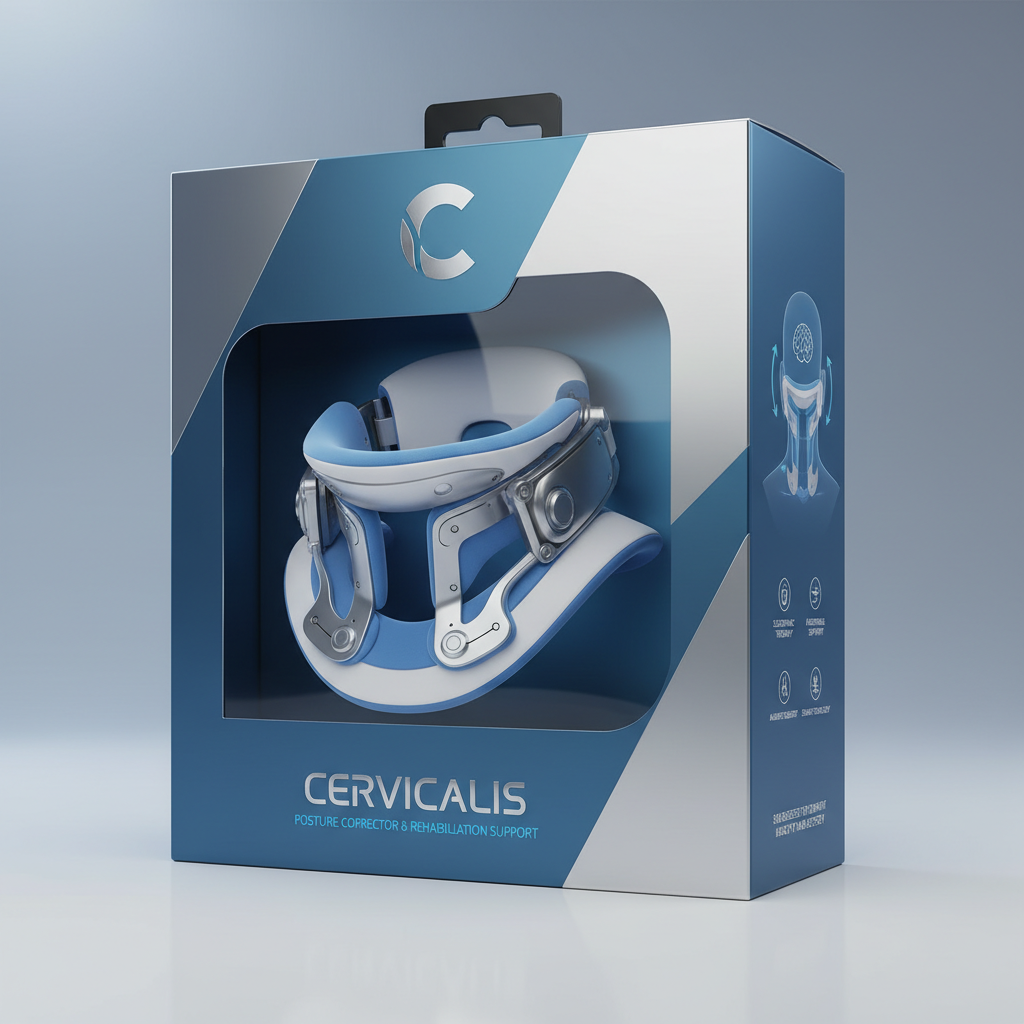
Managing a spinal injury requires precision, stability, and an unwavering commitment to patient safety. A cervical collar for neck fracture serves as a critical intervention in the early stages of trauma care, designed to immobilize the cervical spine and prevent secondary neurological damage. By limiting the range of motion of the neck, these medical devices ensure that fractured vertebrae remain aligned, facilitating the natural healing process and reducing the risk of permanent paralysis.
Globally, the demand for high-quality orthotic stabilization has surged due to an increase in road traffic accidents and sports-related injuries. The integration of advanced materials, such as medical-grade foams and rigid thermoplastics, has transformed the way healthcare providers approach immobilization. Understanding the nuances of selecting the right cervical collar is not just a matter of clinical protocol but a vital step in improving long-term patient outcomes and quality of life.
Whether used in emergency pre-hospital settings or during long-term postoperative recovery, the effectiveness of a cervical collar for neck fracture depends on its fit, breathability, and the level of restriction it provides. This comprehensive guide explores the industry standards, technical specifications, and clinical applications of cervical stabilization, providing a bridge between complex orthopedic parameters and practical patient care.
Global Relevance of Cervical Stabilization
The global incidence of cervical spine injuries remains a significant public health challenge. According to data aligned with ISO standards for medical devices, the precision of immobilization during the "golden hour" of trauma can determine the difference between full recovery and lifelong disability. In many developing regions, the lack of standardized cervical collar for neck fracture options leads to suboptimal stabilization, highlighting a critical gap in emergency medical infrastructure.
From a manufacturing perspective, the shift toward biocompatible and lightweight materials has allowed for better compliance among patients. The industry is now focusing on reducing the skin breakdown and pressure sores often associated with rigid collars, ensuring that the device providing the stability does not introduce new medical complications.
Defining the Cervical Collar for Neck Fracture
At its core, a cervical collar for neck fracture is a medical orthosis designed to support the neck and limit the motion of the cervical vertebrae. Unlike soft collars used for minor strains, these devices are engineered to restrict flexion, extension, and lateral rotation. By creating a rigid external shell or a high-density foam support, the collar distributes the weight of the head directly to the shoulders and chest, unloading the injured spinal column.
In the context of modern humanitarian and medical needs, these collars are essential for triage and transport. The ability to quickly apply a standardized collar in the field ensures that a patient with a suspected fracture is not further injured during movement. This necessity has driven the evolution of "one-size-fits-all" adjustable models that can be deployed rapidly by first responders.
Beyond emergency use, these devices are integral to postoperative care following spinal fusion or corrective surgery. By maintaining a neutral alignment, the cervical collar for neck fracture prevents the hardware from shifting and ensures that bone grafts can integrate successfully, emphasizing the device's role as both a protective shield and a therapeutic tool.
Core Components of Effective Immobilization
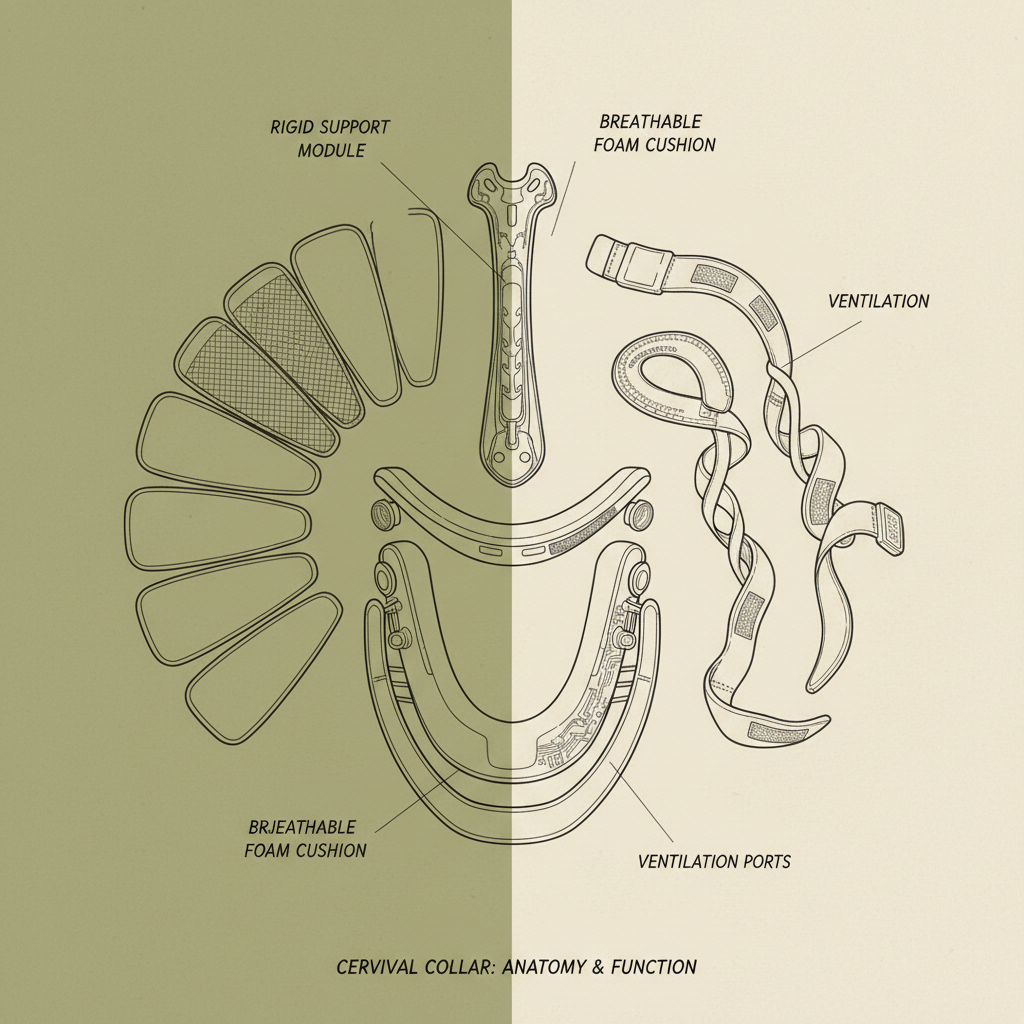
Durability and material integrity are the primary pillars of any cervical collar for neck fracture. Manufacturers utilize high-density polyethylene (HDPE) or reinforced plastics to ensure the shell does not warp under pressure, while the interior is typically lined with hypoallergenic closed-cell foam. This combination prevents skin irritation while maintaining the rigid structure necessary to keep the C-spine immobile.
Anatomical scalability is equally vital. Because neck dimensions vary significantly across different populations, a collar must offer precise height and girth adjustments. If a collar is too short, it fails to limit extension; if it is too tall, it may force the neck into unwanted flexion. The precision of these adjustments directly impacts the stability of the fracture site and the patient's overall comfort.
Finally, breathability and cost-efficiency ensure that the device is practical for long-term use. Perforated shells and moisture-wicking liners reduce the risk of dermatitis and heat buildup, which are common complaints among long-term users. Balancing these high-end features with affordable manufacturing processes allows healthcare systems to provide essential stabilization to a wider demographic without compromising quality.
Comparative Performance of Collar Types
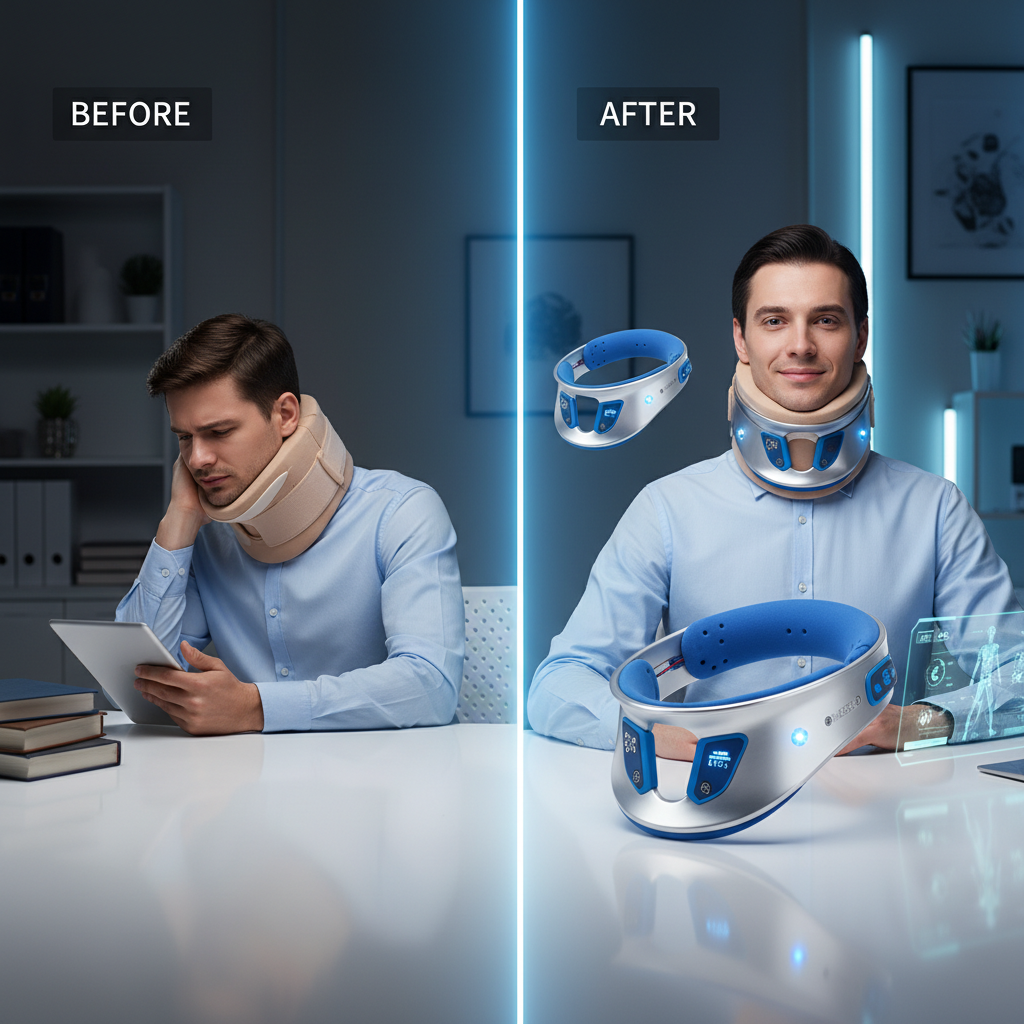
Selecting the appropriate stabilization method requires an analysis of the fracture type and the required level of restriction. Soft collars provide minimal support and are generally unsuitable for acute fractures, whereas rigid Philadelphia or Miami J-style collars offer the high-level immobilization needed for unstable injuries. The transition from emergency stabilization to long-term recovery often involves moving between these different grades of support.
The following data illustrates the performance ratings of various immobilization strategies based on clinical stability, patient comfort, and ease of application, highlighting why a dedicated cervical collar for neck fracture is superior to makeshift supports.
Comparative Stability Ratings for Neck Fracture Support
Real-World Applications and Use Cases
In post-disaster relief operations, such as following earthquakes or major industrial collapses, the rapid deployment of cervical collar for neck fracture solutions is a priority for NGOs and emergency response teams. In these high-stress environments, the ability to secure a patient's neck without needing complex measurements allows responders to stabilize multiple victims efficiently, preventing the exacerbation of spinal cord injuries during extraction.
Similarly, in remote industrial zones—such as offshore oil rigs or deep-mining sites—where advanced surgical care may be hours away, the correct application of a rigid cervical collar is the first line of defense. These industrial settings often employ specialized training for on-site medics to ensure that the collar is fitted perfectly, as any misalignment during the long transport to a trauma center could lead to permanent neurological deficits.
Long-Term Value and Patient Recovery
The true value of a high-quality cervical collar for neck fracture extends beyond the initial trauma phase. By providing consistent, reliable restriction of movement, these devices offer patients the psychological security needed to begin the slow process of recovery. Knowing that their spine is protected allows patients to focus on physical therapy and gradual mobilization without the constant fear of accidental re-injury.
From a socio-economic perspective, effective immobilization reduces the long-term burden on healthcare systems. Patients who are stabilized correctly in the acute phase are less likely to require complex revision surgeries or lifelong assisted living. This reliability fosters trust between the patient and the healthcare provider, as the tangible support of the brace serves as a constant reminder of the recovery path.
Moreover, the dignity of the patient is preserved through the use of low-profile, aesthetically discreet designs. Modern collars are designed to be worn under clothing when possible, reducing the social stigma associated with visible medical gear. This intersection of clinical efficiency and human-centric design is what defines the modern standard of orthotic care.
Future Innovations in Orthotic Support
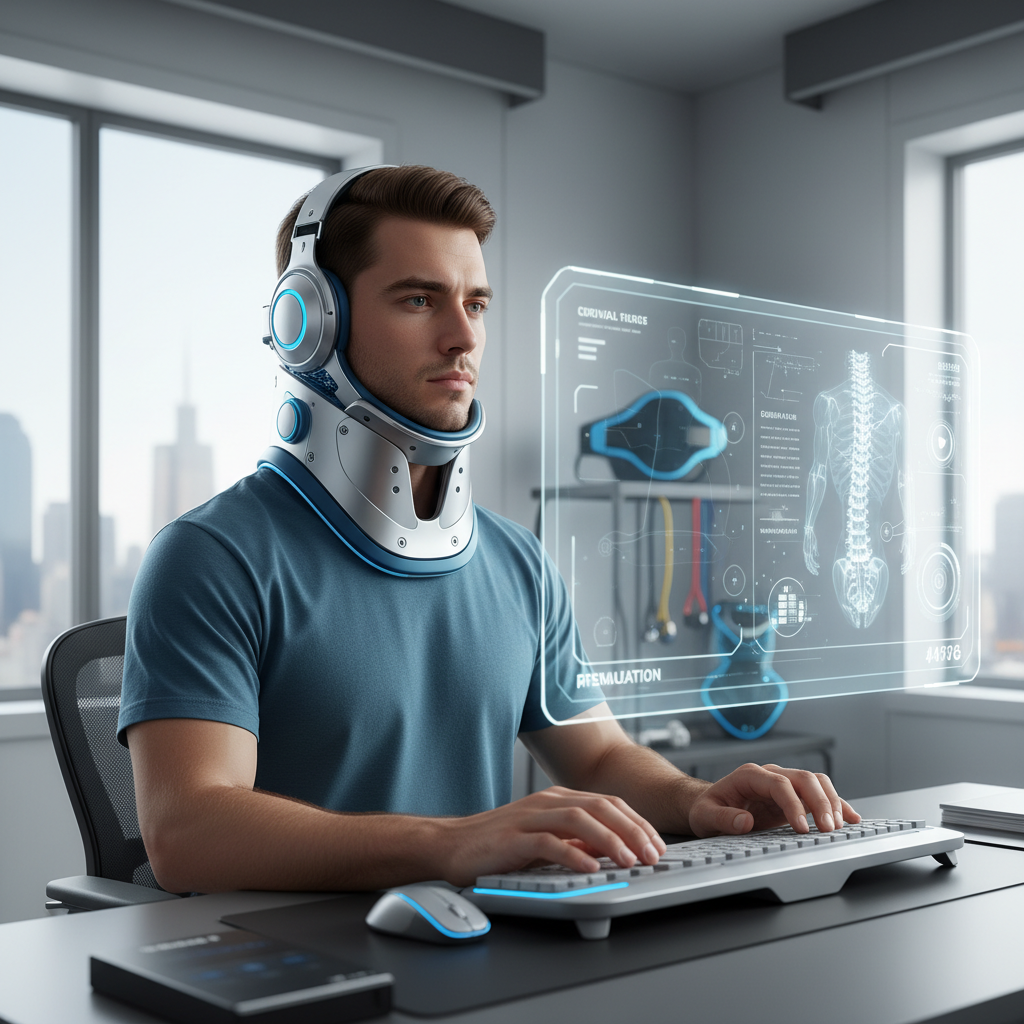
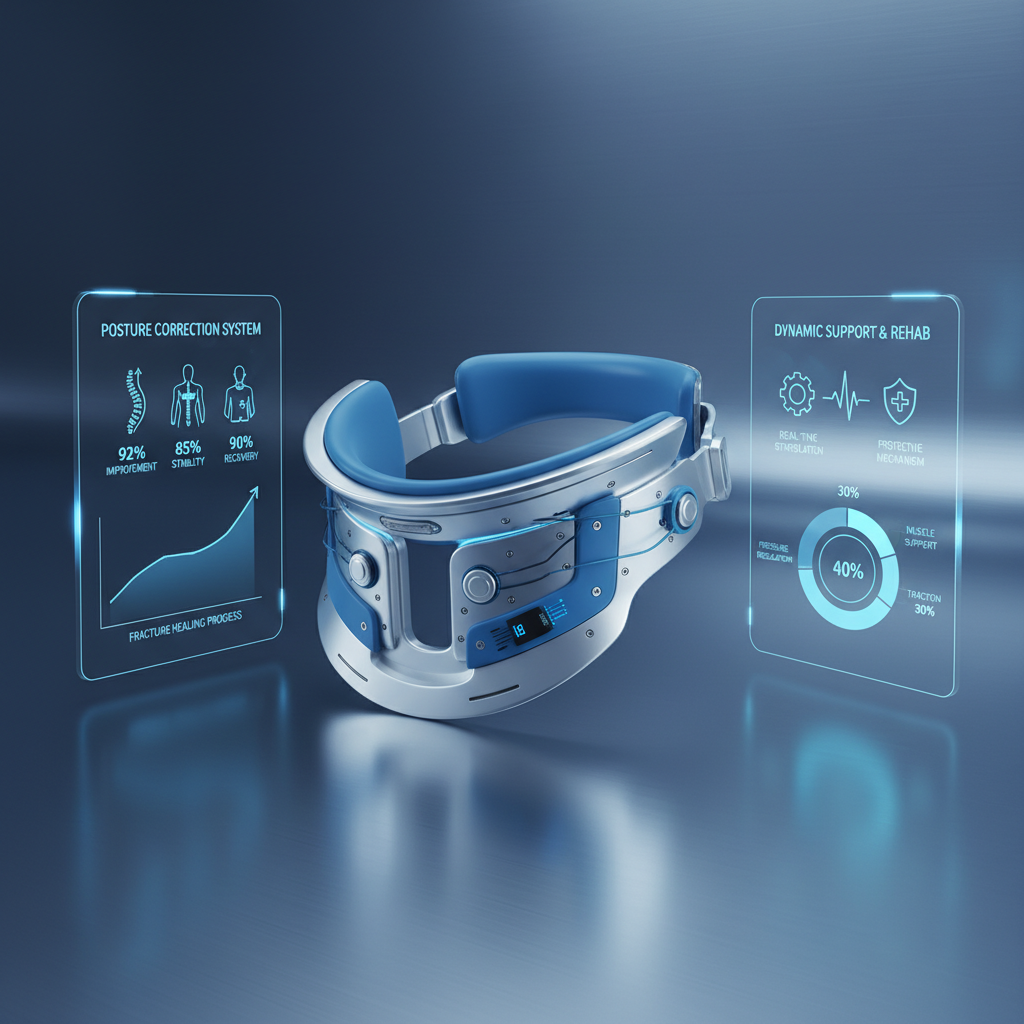
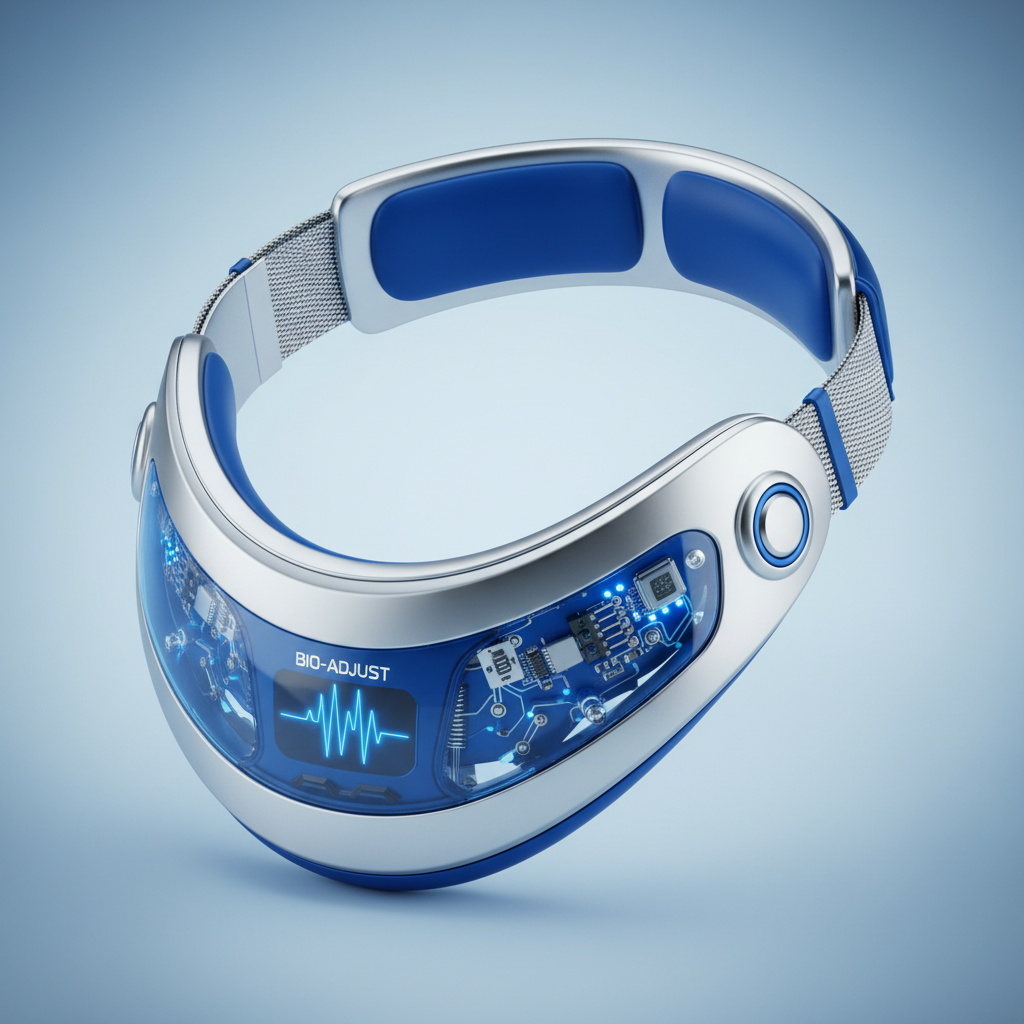
The future of the cervical collar for neck fracture is moving toward "smart" immobilization. Integration of embedded pressure sensors can allow clinicians to monitor in real-time whether a patient is complying with the immobilization protocol or if the collar is exerting too much pressure on specific soft tissues. This digital transformation shifts the device from a passive support to an active diagnostic tool.
Sustainability is also becoming a core focus in the manufacturing sector. The industry is exploring biodegradable thermoplastics and recycled medical-grade polymers to reduce the environmental footprint of single-use emergency collars. By combining green chemistry with additive manufacturing (3D printing), it will soon be possible to create a custom-fitted collar based on a patient's CT scan in a matter of minutes.
Automation in fitting processes is another promising trend. Augmented Reality (AR) tools are being developed to help first responders align a collar perfectly by overlaying anatomical landmarks on their view of the patient. This ensures that the cervical collar for neck fracture is applied with surgical precision, regardless of the responder's experience level.
Analysis of Next-Generation Cervical Support Technologies
| Innovation Type |
Technical Implementation |
Patient Benefit |
Impact Score (1-10) |
| Smart Sensors |
Embedded pressure transducers |
Prevention of pressure ulcers |
9 |
| 3D Printing |
Patient-specific CAD modeling |
Perfect anatomical fit |
10 |
| Bio-Polymers |
Recyclable PLA/PHA blends |
Reduced ecological footprint |
7 |
| AR Fitting |
Marker-less tracking software |
Rapid, error-free application |
8 |
| Phase-Change Material |
Thermo-regulating liners |
Enhanced thermal comfort |
6 |
| Hybrid Rigid-Soft |
Dynamic stiffness modules |
Adjustable restriction levels |
9 |
FAQS
The duration depends entirely on the severity of the fracture and the stability of the spinal column. Typically, immobilization is required for 6 to 12 weeks, but some patients may need support for longer if bone fusion is slow. It is critical to follow a surgeon's weaning schedule to avoid sudden stress on the healing vertebrae.
No, a soft collar is generally insufficient for acute neck fractures. While soft collars provide comfort and limit some motion, they do not offer the structural rigidity needed to prevent the movement of fractured vertebrae. For fracture management, a rigid cervical collar for neck fracture is the medical standard to prevent neurological complications.
A correctly fitted collar should feel snug but not restrictive to breathing or swallowing. If you notice skin discoloration, numbness in the fingers, or difficulty breathing, it is likely too tight. Conversely, if the chin can slide downward or the head can tilt significantly, the collar is too loose and is not providing the necessary immobilization.
Skin breakdown is a common challenge. We recommend using thin, moisture-wicking fabric liners beneath the foam padding. If irritation occurs, notify your physician immediately; they may adjust the fit or suggest a different material. Never apply creams or powders directly under the brace without medical approval, as this can degrade the foam material.
Yes, and in most fracture cases, it is mandatory to wear the collar 24/7, including during sleep. To ensure safety and comfort, patients are often advised to sleep on their backs with a specialized orthopedic pillow that supports the collar's alignment, preventing the device from shifting during the night.
Providers should look for certifications such as ISO 13485 (Medical devices — Quality management systems) and FDA or CE marking. Verifying the material grade—specifically the use of hypoallergenic foams and high-impact thermoplastics—ensures the cervical collar for neck fracture will perform reliably under clinical conditions.
Conclusion
The application of a cervical collar for neck fracture represents a critical intersection of engineering and medicine. From the initial emergency stabilization to the long-term recovery process, the quality, fit, and material of the orthosis play a decisive role in preventing permanent neurological damage. By focusing on durability, anatomical scalability, and patient comfort, the medical community can significantly improve the trajectory of spinal injury recovery.
As we look toward the future, the integration of smart sensors and 3D-printed customization will further refine the precision of cervical immobilization. For healthcare providers and patients alike, investing in high-standard orthotic solutions is not merely a clinical choice but a commitment to safety and long-term wellness. For professional-grade stabilization solutions, we invite you to visit our website: www.jhorthopedic.com.