A Detailed Guide to Applying a Sling in the Arm for Optimal Recovery
Understanding & Applying a Sling in the Arm: A Comprehensive Guide
A sling is a common medical support used to immobilize an arm, often after an injury such as a fracture, dislocation, or soft tissue damage. Properly applying a sling in the arm is crucial for promoting healing and preventing further discomfort. This article will guide you through the steps, considerations, and different types of slings available. We will cover best practices and when to seek professional medical advice. Ensuring correct application ensures comfort and maximizes the support provided during the recovery process.
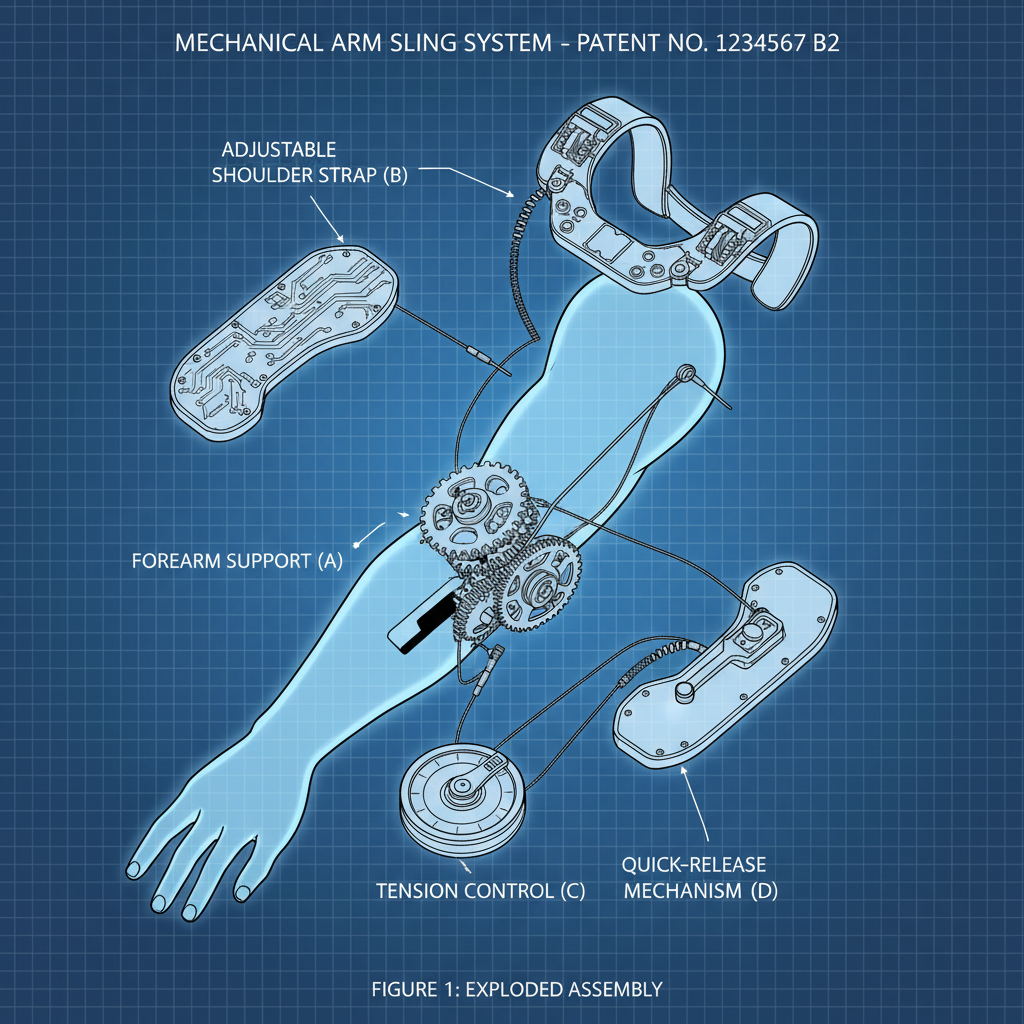
Why Use a Sling? The Benefits of Immobilization
Using a sling offers several key benefits. Primarily, it restricts arm movement, which allows injured tissues (bones, ligaments, muscles) to heal without further strain. Immobilization reduces pain and inflammation. A sling also supports the weight of the arm, preventing it from dangling and exacerbating the injury. Beyond physical benefits, a sling can provide a psychological sense of security and support, contributing to a more positive recovery experience. It’s important to note that a sling is often a temporary measure, used in conjunction with other treatments like physiotherapy.
Key Benefits: Restricts arm movement, reduces pain and inflammation, supports arm weight, provides psychological comfort, and aids in the healing process.
Applying a Sling in the Arm: A Step-by-Step Guide
Here's how to correctly apply a standard triangular sling: 1. Positioning: Have the patient sit or lie down comfortably. 2. Sling Placement: Open the triangular sling so that the longest side (the base) rests along the back of the patient’s neck. 3. Arm Support: Gently support the injured arm with your other hand. Place the arm into the sling, ensuring the elbow is bent at approximately 90 degrees and the hand is slightly higher than the elbow. 4. Securing the Sling: Bring the point of the sling around the back of the neck and tie it securely but not too tightly. 5. Adjusting for Comfort: Adjust the sling so that the hand is comfortably supported and the elbow is at the desired angle. The sling shouldn't cut off circulation.
Important Considerations:
• Ensure the elbow is supported at a comfortable angle.
• Avoid tying the sling too tightly, which can restrict blood flow.
• Regularly check for skin irritation or pressure sores.
• Consult a healthcare professional if you are unsure about the correct application.
Types of Slings and Their Uses
Several types of slings are available, each suited to different injuries and needs. Triangular Slings: The most common type, versatile and easy to apply. Ideal for upper arm fractures, shoulder dislocations and general arm support. Shoulder Immobilizers: Provide more rigid support and immobilization, often used after shoulder surgery or for severe dislocations. Sling and Swathe: This combination provides additional support by wrapping the arm and body, minimizing movement. Used for more severe upper arm injuries. Pneumatic Slings: These inflatable slings offer comfortable and adjustable support, often used for post-operative recovery.
When to Seek Professional Medical Advice
While applying a sling can provide initial support, it’s crucial to seek professional medical attention for any suspected injury. Consult a doctor if you experience: severe pain, numbness or tingling in the arm or hand, inability to move your fingers, visible deformity, or signs of infection (redness, swelling, fever). A medical professional can properly diagnose the injury and recommend the most appropriate treatment plan. Incorrectly applying a sling or delaying proper medical care can lead to complications and hinder the healing process.
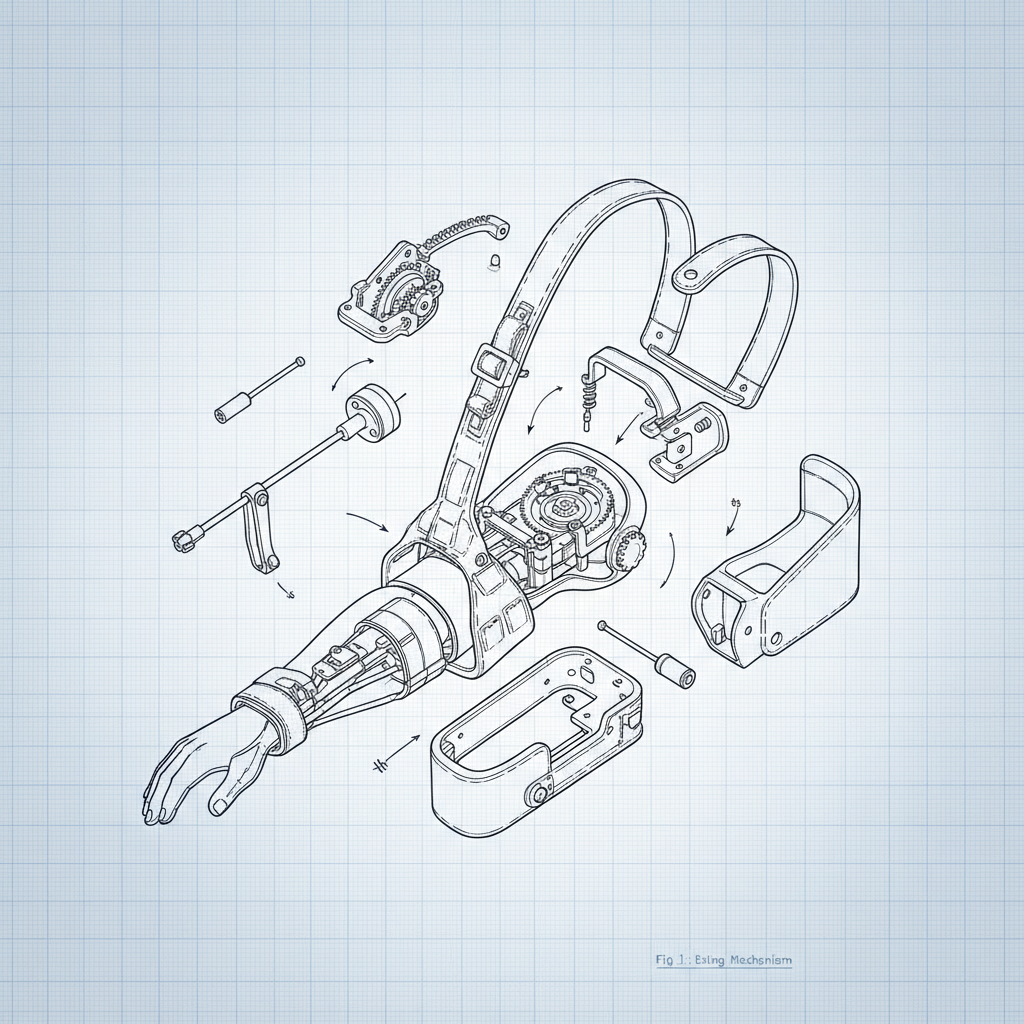
Maintaining Hygiene and Sling Care
Keep the sling clean and dry to prevent skin irritation and infection. Regularly check the skin under the sling for any signs of redness or pressure sores. If using a washable sling, follow the manufacturer’s instructions for cleaning. If the sling becomes soiled or damaged, replace it. Maintaining good hygiene and proper sling care contribute to a comfortable and effective recovery.
Conclusion: Prioritizing Proper Sling Application and Care
Correctly applying a sling in the arm is an essential step in managing many upper limb injuries. By following the guidelines outlined in this article, you can provide effective support, reduce pain, and promote optimal healing. Remember to always consult a healthcare professional for proper diagnosis and treatment. Prioritizing proper sling application and care ensures a smoother and more comfortable recovery process.
Frequently Asked Questions (FAQs)
How long should I wear a sling?
The duration of sling use depends on the nature and severity of your injury. Your doctor will provide specific instructions, but generally, slings are worn for several days to several weeks. The goal is to immobilize the arm until sufficient healing has occurred. It’s crucial to follow your doctor's advice regarding the length of time to wear the sling and when to begin rehabilitation exercises. Prematurely discontinuing sling use can lead to re-injury.
Can I exercise my fingers while wearing a sling?
Yes, absolutely! Gentle finger exercises are encouraged while wearing a sling. These exercises help maintain circulation and prevent stiffness in the hand and fingers. Simple movements like making a fist, opening and closing your hand, and bending and straightening your fingers can be performed regularly. However, avoid any movements that cause pain or put stress on the injured arm.
What should I do if the sling causes pain or discomfort?
If the sling is causing pain or discomfort, first check that it’s not tied too tightly and that the arm is positioned comfortably. Loosen the straps if necessary. If the pain persists, or if you experience numbness or tingling, remove the sling and consult with your doctor. The sling should provide support without causing additional discomfort. Ignoring pain could indicate improper application or an underlying issue.
Are there alternatives to a traditional triangular sling?
Yes, as mentioned earlier, there are several alternatives to the traditional triangular sling, including shoulder immobilizers, sling and swathe combinations, and pneumatic slings. The best option will depend on the type and severity of your injury, as well as your individual needs and preferences. Discuss the different options with your doctor to determine which type of sling is most appropriate for you.
-
Thumb Spica Belt Guide for Thumb Stabilization and RecoveryNews Apr.16,2026
-
Soft Thumb Spica Guide for Effective Thumb Stabilization and HealingNews Apr.09,2026
-
Comprehensive Guide to Hand Spica Casts for Effective Injury RecoveryNews Apr.07,2026
-
Benefits of a Custom Thumb Spica for Optimal Hand RecoveryNews Apr.04,2026
-
Experience Ultimate Comfort Cool Thumb Spica for Wrist and Thumb SupportNews Mar.31,2026
-
Comprehensive Guide to Choosing the Right Youth Thumb Splint for Effective HealingNews Mar.28,2026