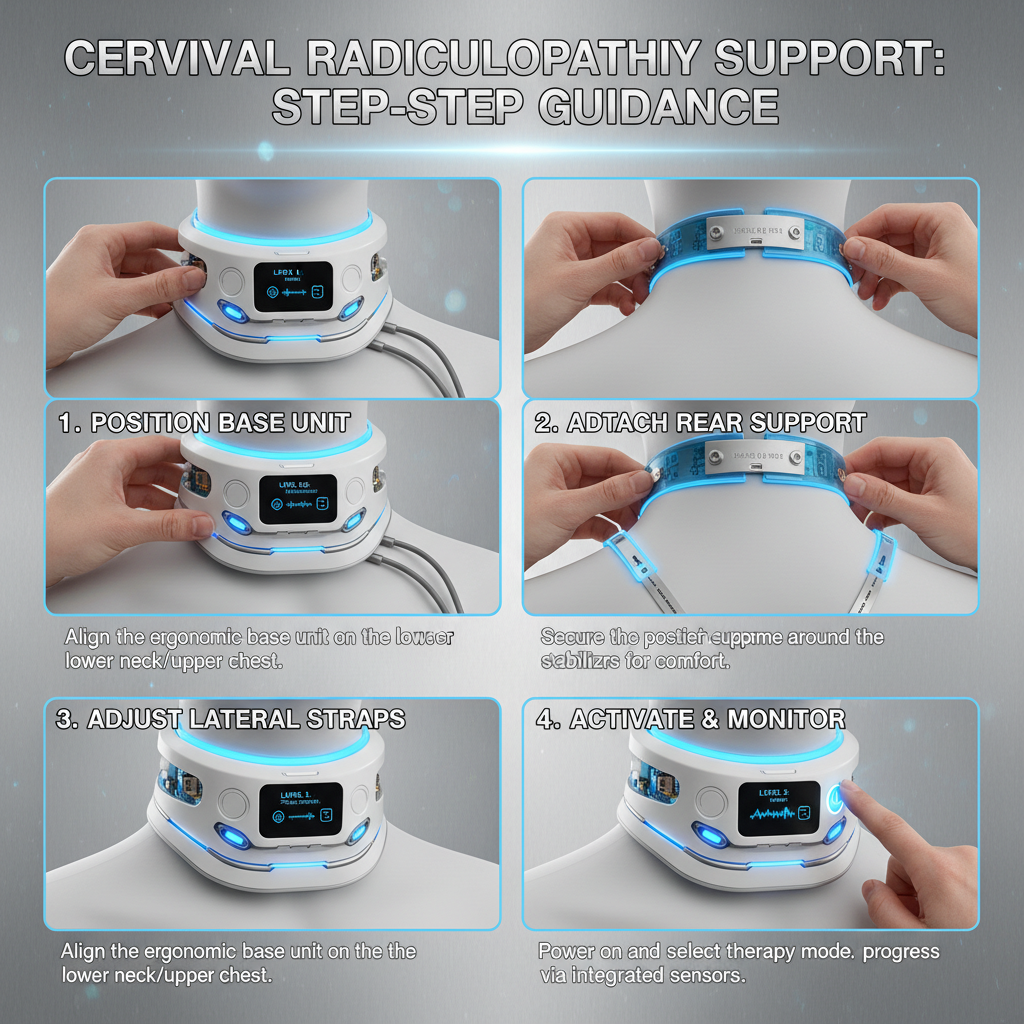
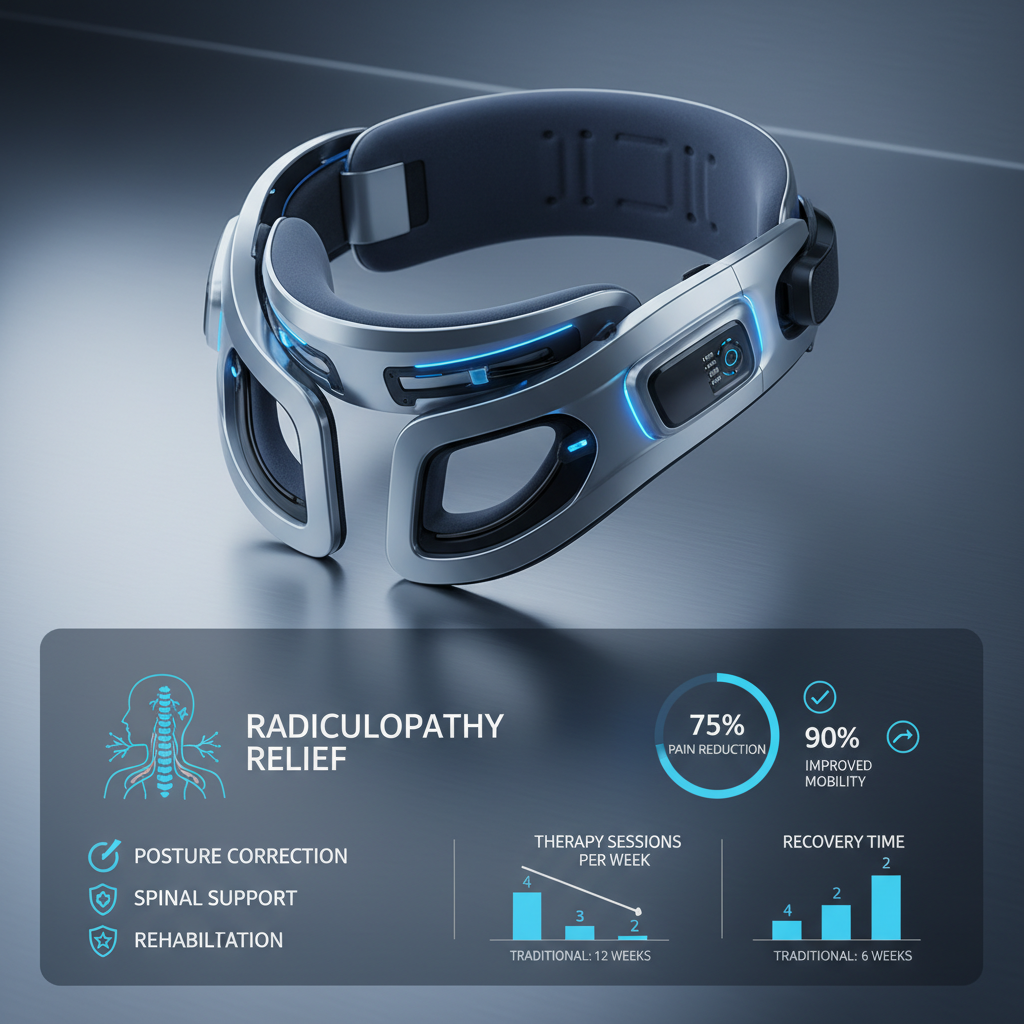
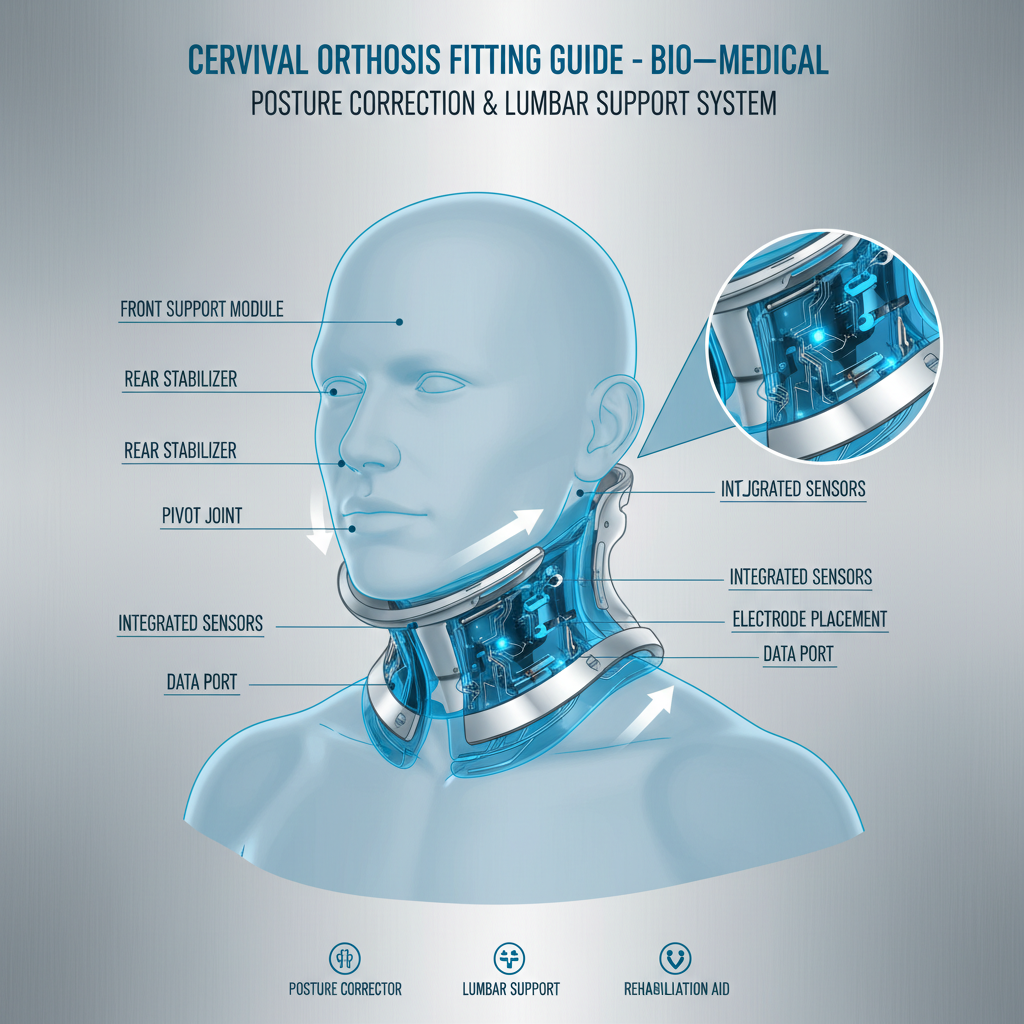
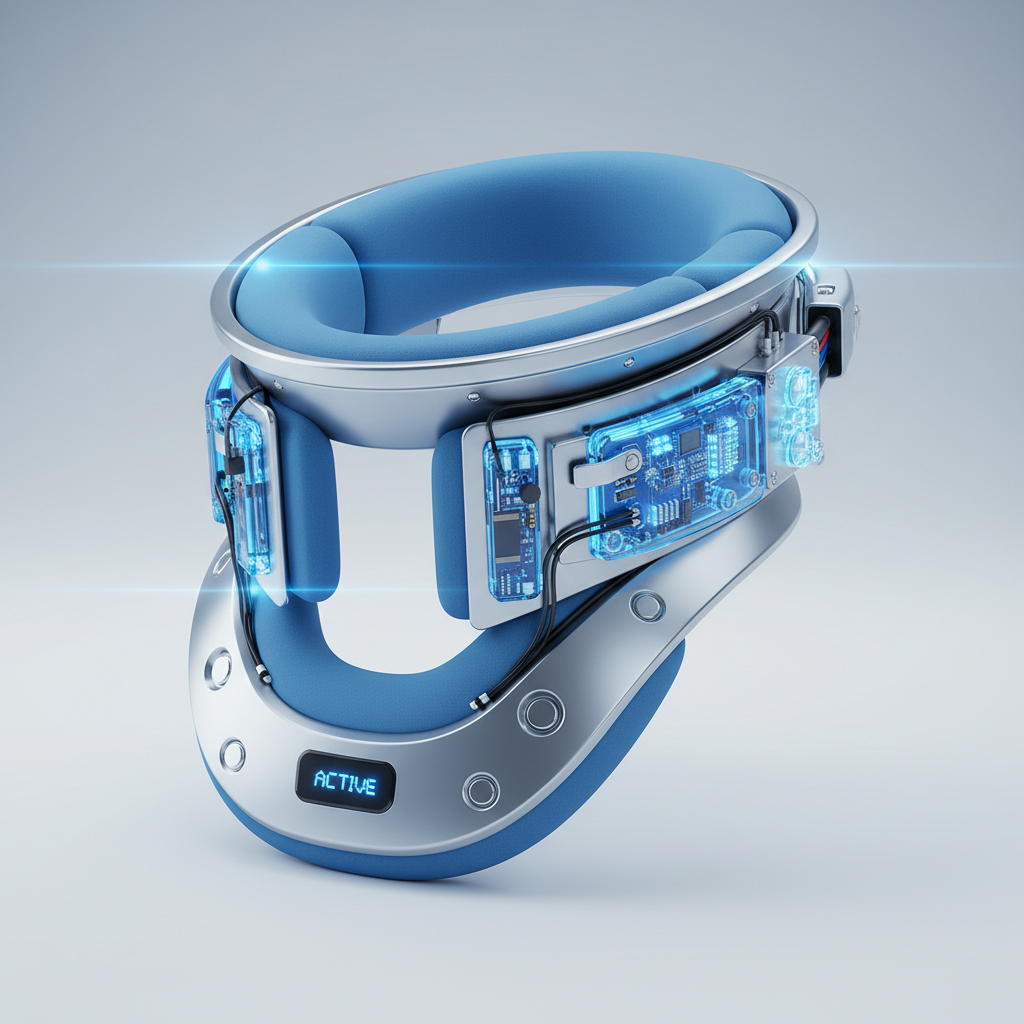
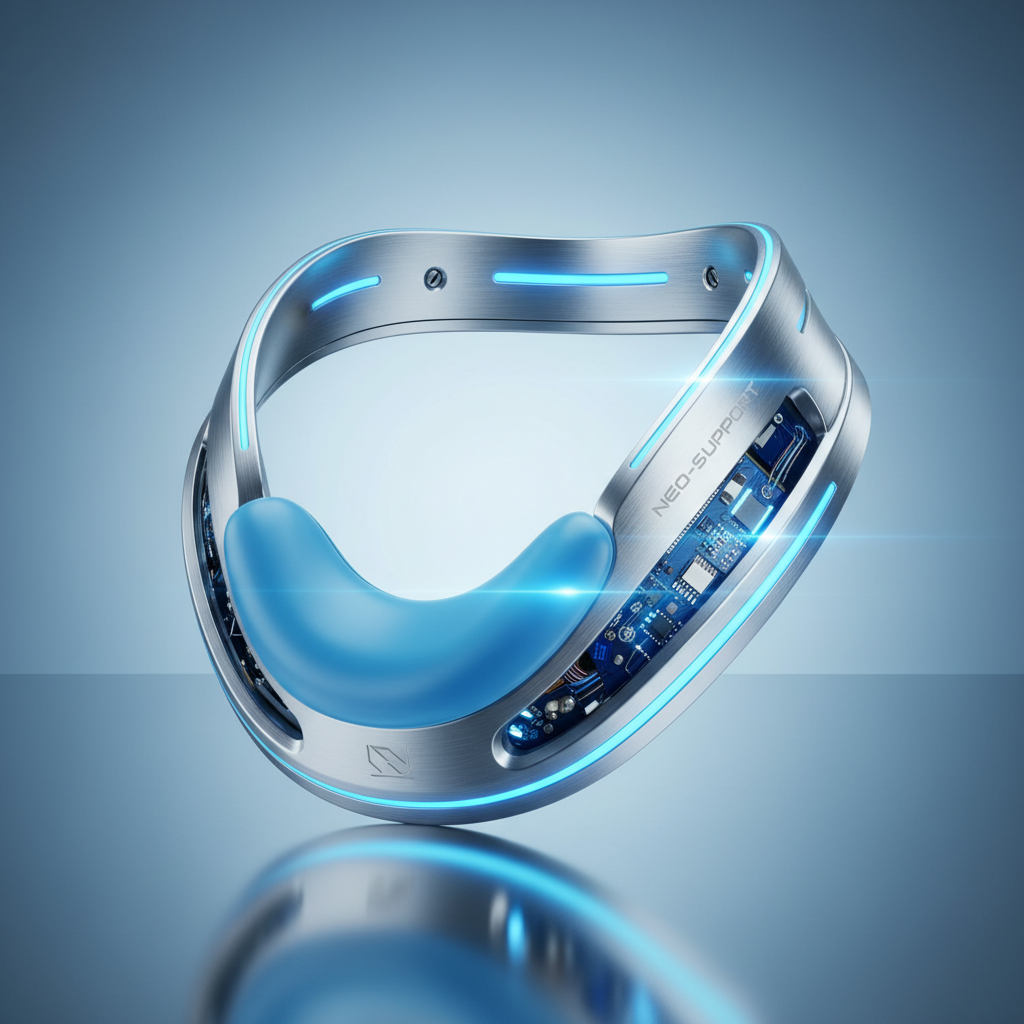
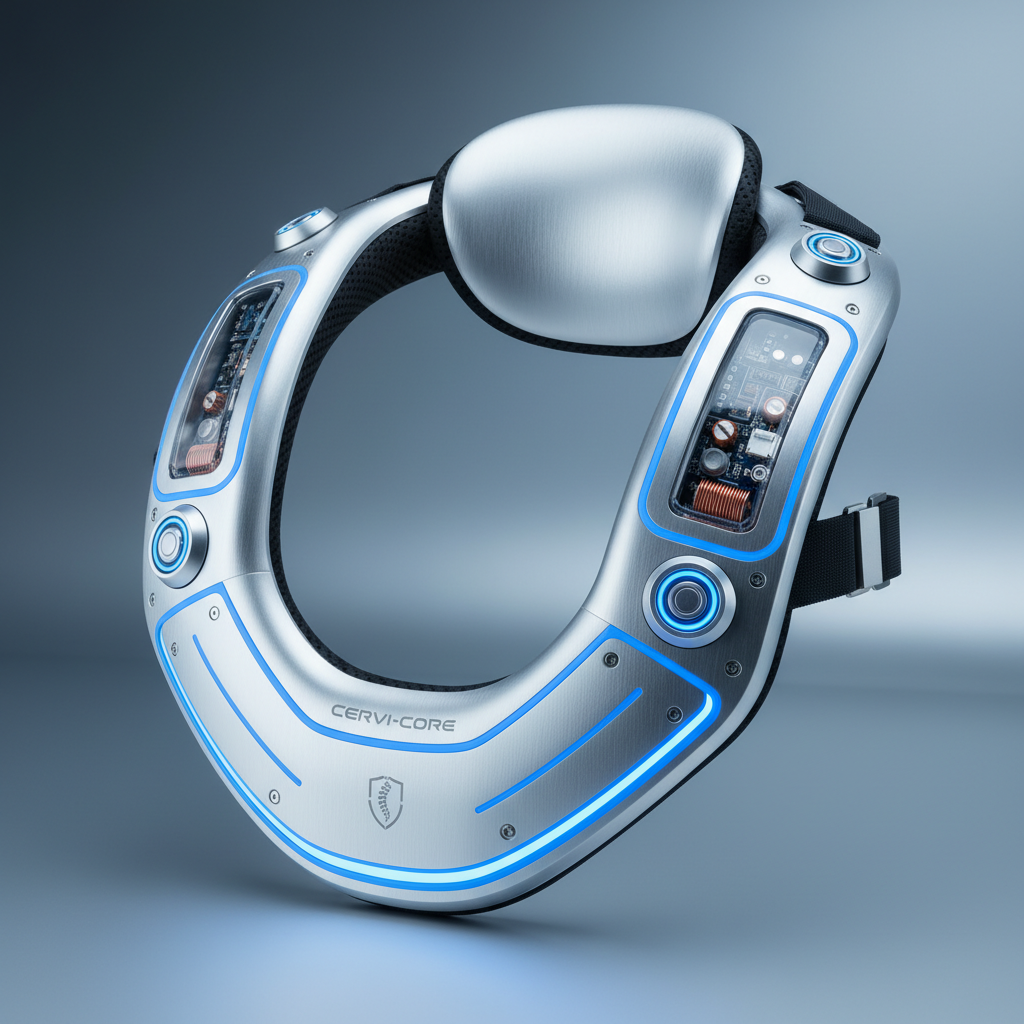
Cervical radiculopathy occurs when a nerve root in the cervical spine becomes compressed or inflamed, leading to radiating pain, numbness, and weakness that extends from the neck down into the arms. Managing this condition requires a multifaceted approach, where a cervical collar for radiculopathy serves as a critical non-invasive tool to stabilize the vertebrae and alleviate pressure on the affected nerves.
Globally, the prevalence of neck-related nerve compression has risen sharply due to the digitalization of work, with "tech neck" contributing to premature degenerative disc disease. By restricting excessive motion and supporting the weight of the head, a specialized collar helps reduce the mechanical stress on the intervertebral discs, creating an optimal environment for the nerve to heal and reducing the reliance on pharmacological pain relief.
Understanding the nuances of cervical support—from soft foam collars to rigid orthoses—is essential for patients and healthcare providers alike. Choosing the right cervical collar for radiculopathy not only accelerates the recovery process but also prevents the progression of neurological deficits, ensuring that patients can return to their daily activities with restored mobility and decreased pain.
Global Impact and Clinical Relevance of Cervical Support
The global burden of musculoskeletal disorders is staggering, with cervical radiculopathy contributing significantly to workplace absenteeism and long-term disability. According to data aligned with ISO standards for medical devices, the demand for effective immobilization and support systems has surged as aging populations and sedentary lifestyles increase the incidence of cervical spondylosis. The challenge lies in providing a solution that balances rigid stability with patient comfort to ensure compliance during the healing phase.
Implementing a cervical collar for radiculopathy on a global scale allows healthcare systems to reduce the immediate need for surgical interventions. By providing consistent mechanical support, these devices mitigate the risk of further nerve impingement, which is particularly crucial in regions where access to specialized neurosurgery is limited or costly.
Defining the Role of Cervical Collar for Radiculopathy
In simple terms, a cervical collar for radiculopathy is a medical orthosis designed to limit the motion of the cervical spine, thereby reducing the pressure on compressed nerve roots. Unlike general neck pillows, these devices are engineered to provide specific axial unloading, which means they help shift some of the weight of the head away from the damaged discs and onto the brace structure itself.
From an industry perspective, this device addresses the critical need for "conservative management" in orthopedic care. As humanitarian needs grow in post-industrial societies, there is an increasing demand for affordable, high-quality bracing that can be used in home-care settings, reducing the burden on overcrowded hospitals and clinics.
The connection between modern manufacturing and this medical need is evident in the use of medical-grade polymers and breathable foams. These materials ensure that the device can be worn for extended periods without causing skin breakdown, making the treatment of radiculopathy more sustainable for the patient.
Core Components of Effective Nerve Decompression Braces
The effectiveness of a cervical collar for radiculopathy depends heavily on its anatomical contouring. A well-designed brace must mirror the natural curvature of the cervical lordosis, ensuring that the support is distributed evenly across the neck and jawline to avoid creating new pressure points.
Material durability and biocompatibility are paramount. The use of hypoallergenic, moisture-wicking fabrics prevents dermatitis, while the structural core—whether it be high-density foam or reinforced plastic—must maintain its shape under the constant pressure of the head's weight to ensure the cervical collar for radiculopathy continues to provide the required immobilization.
Adjustability is the final core component. Because every patient's neck circumference and height differ, a scalable fastening system allows for a precise fit. This precision is what distinguishes a professional-grade orthopedic device from a generic support, as it ensures the nerve decompression is targeted and consistent.
Performance Metrics and Stability Analysis
To evaluate the success of various bracing strategies, clinicians look at the degree of motion restriction versus the level of patient comfort. A rigid cervical collar for radiculopathy offers maximum stability, which is ideal for acute phases of nerve inflammation, whereas soft collars provide moderate support suitable for the maintenance phase of recovery.
The following data illustrates the comparative efficacy of different support levels in reducing nerve-related pain and improving overall stability for patients suffering from cervical radiculopathy.
Stability and Pain Reduction Efficacy by Support Type
Global Applications in Rehabilitation and Trauma
In real-world clinical settings, the application of a cervical collar for radiculopathy extends beyond simple disc herniations. In post-disaster relief operations, these collars are deployed to stabilize suspected spinal injuries before patients can be transported to surgical centers, preventing permanent paralysis or severe radicular symptoms.
Furthermore, in remote industrial zones—such as mining or offshore oil rigs—where workers are subject to high-vibration environments, preventative and therapeutic collars are used to manage early-stage radiculopathy. This allows workers to maintain productivity while undergoing a structured rehabilitation program, thereby reducing the economic impact of occupational injuries.
Long-Term Value and Patient Quality of Life
The long-term value of utilizing a professional cervical collar for radiculopathy lies in the preservation of neurological function. By preventing the "micro-motions" that irritate an inflamed nerve, these devices facilitate a faster return to sleep and daily activities, which has a profound emotional impact on the patient's sense of dignity and independence.
From a logical standpoint, the cost-efficiency of a high-quality brace is far superior to the cost of prolonged opioid use or invasive surgery. A reliable brace reduces the cycle of pain and inflammation, allowing physical therapy to be more effective, as the patient can perform exercises from a stable baseline.
Ultimately, the trust a patient places in their medical equipment determines their recovery trajectory. A collar that fits perfectly and performs consistently fosters a psychological sense of safety, which is a critical, often overlooked component of the healing process in chronic pain management.
Future Innovations in Cervical Orthotics
The future of the cervical collar for radiculopathy is moving toward "smart" materials. We are seeing the integration of shape-memory alloys and 3D-printed lattices that can be customized to a patient's exact MRI scan, providing a level of precision in decompression that was previously impossible with off-the-shelf products.
Digital transformation is also playing a role, with the introduction of embedded sensors that track patient compliance and neck angle in real-time. This data can be transmitted to a physician via a mobile app, allowing for remote adjustments to the treatment plan and ensuring the collar is being worn correctly to achieve maximum decompression.
Sustainability is another key trend, with a shift toward bio-based, biodegradable polymers that reduce the environmental footprint of disposable medical braces. This evolution ensures that high-standard healthcare does not come at the cost of planetary health.
Comparative Analysis of Cervical Support Technologies
| Technology Type |
Decompression Level |
Patient Comfort |
Innovation Score |
| Standard Foam |
Low |
High |
3/10 |
| Semi-Rigid Plastic |
Medium |
Medium |
5/10 |
| 3D-Printed Custom |
Very High |
High |
9/10 |
| Sensor-Integrated |
High |
Medium |
10/10 |
| Pneumatic Support |
Adjustable |
High |
7/10 |
| Bio-Polymer Rigid |
High |
Medium |
8/10 |
FAQS
The duration varies based on the severity of your nerve compression. In acute phases, your doctor may recommend wearing it for most of the waking hours to ensure total stability. During recovery, it may be transitioned to "intermittent use," where you wear it only during activities that strain the neck. Always follow your clinician's specific schedule to avoid muscle atrophy.
For severe radiculopathy involving significant disc herniation, a soft foam collar typically provides insufficient immobilization. While it offers comfort and a psychological reminder to limit motion, semi-rigid or rigid collars are usually required to actually unload the vertebral pressure and provide the necessary nerve decompression for healing.
Prolonged, unnecessary use of a rigid collar can lead to muscle atrophy. This is why the modern approach emphasizes "tapered weaning." As the inflammation of the radiculopathy subsides, the brace is worn less frequently while introducing gentle isometric exercises to rebuild the supporting musculature of the neck.
A correctly fitted collar should support the chin and the base of the skull without pressing harshly into the jawline or throat. You should feel a sense of "lift" in the neck, reducing the feeling of heaviness. If you experience skin redness or difficulty swallowing, the collar is likely too tight or incorrectly positioned.
It is not a matter of "better," but rather "complementary." The collar provides the stability needed to reduce inflammation and pain, which then creates a window of opportunity where physical therapy can be performed safely. Using a collar without therapy may lead to stiffness, while therapy without stability in the acute phase can exacerbate nerve pain.
Whether you should sleep in a collar depends on the type of device and your doctor's orders. Rigid collars are often required overnight to prevent dangerous neck twisting during sleep. Soft collars are generally optional for sleep unless they provide necessary comfort. Consult your provider to ensure your sleeping position is ergonomically supported.
Conclusion
Managing cervical radiculopathy requires a strategic blend of stabilization and rehabilitation. As we have explored, the use of a professional cervical collar for radiculopathy provides the essential mechanical support needed to unload compressed nerve roots, reduce debilitating pain, and prevent further neurological deterioration. From the material science of biocompatible foams to the precision of 3D-printed custom orthotics, the industry has evolved to offer solutions that prioritize both clinical efficacy and patient quality of life.
Looking forward, the integration of smart sensors and sustainable materials will further personalize the recovery journey, turning a passive support device into an active therapeutic tool. For those suffering from the radiating pain of radiculopathy, investing in a high-quality, medically-validated support system is the first step toward reclaiming mobility and long-term spinal health. Visit our website for professional solutions: www.jhorthopedic.com