0%

Table of Contents

Dealing with a pinched nerve in the neck can be an excruciating experience, often manifesting as sharp pain, numbness, or a tingling sensation that radiates down the arm. A cervical collar for pinched nerve serves as a critical non-invasive intervention designed to stabilize the cervical spine, reduce pressure on compressed nerves, and facilitate the body's natural healing process. By limiting excessive movement, these orthotic devices help mitigate inflammation and prevent further nerve impingement, offering a path toward pain relief and restored mobility.

On a global scale, the prevalence of cervical radiculopathy has surged due to the ubiquity of sedentary office work and the "tech-neck" phenomenon associated with prolonged smartphone usage. According to health trends observed in industrial ergonomic studies, spinal misalignment is now a leading cause of workplace absenteeism. The implementation of a high-quality cervical collar for pinched nerve is no longer just a medical necessity for trauma patients but a common rehabilitative tool for millions suffering from degenerative disc disease and repetitive strain injuries.

Understanding the nuances of cervical support is essential for ensuring that the recovery process is safe and effective. Choosing the right support system requires a balance between rigid immobilization and breathable comfort to avoid muscle atrophy while maintaining spinal alignment. This guide explores the comprehensive utility of the cervical collar for pinched nerve, detailing its technical components, real-world applications, and the future of orthopedic stabilization in modern healthcare.
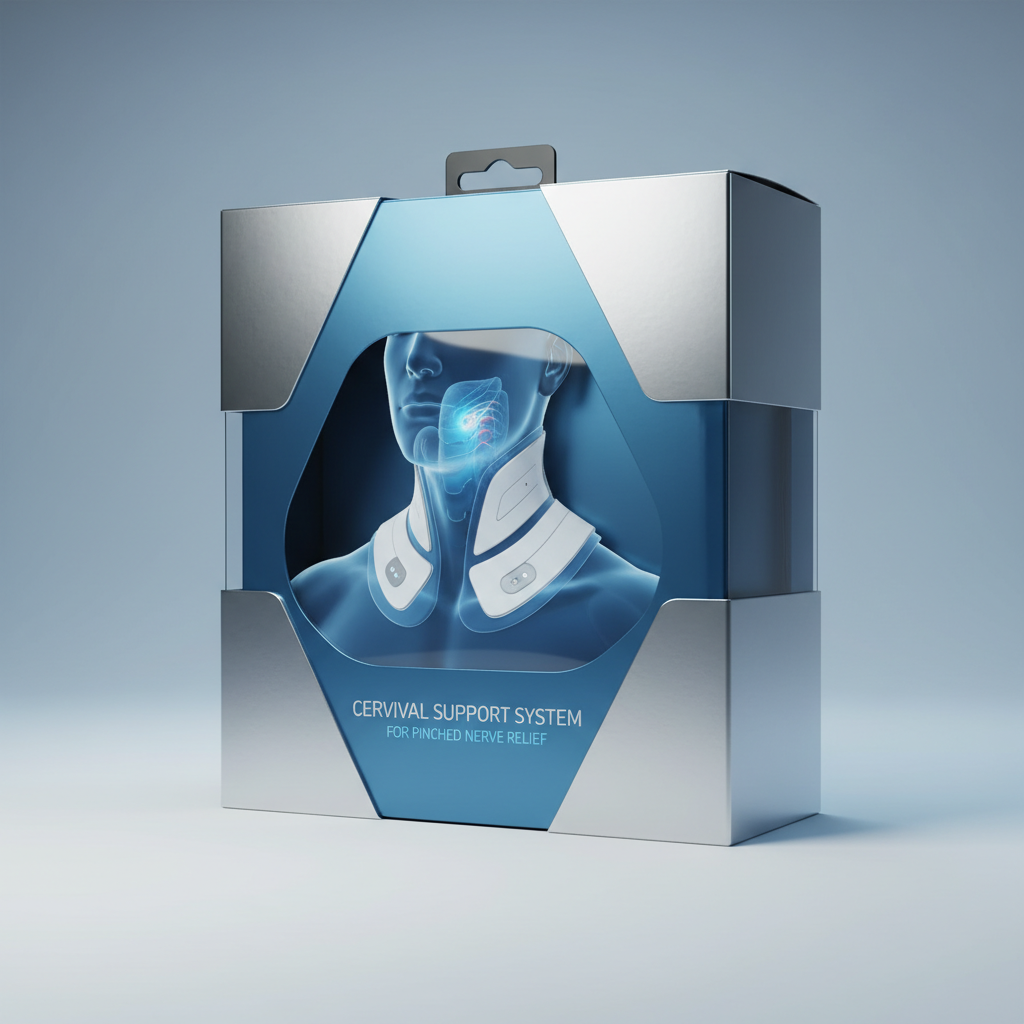
Best Cervical Collar for Pinched Nerve to Relieve Neck Pain

Global Relevance of Cervical Support for Nerve Compression
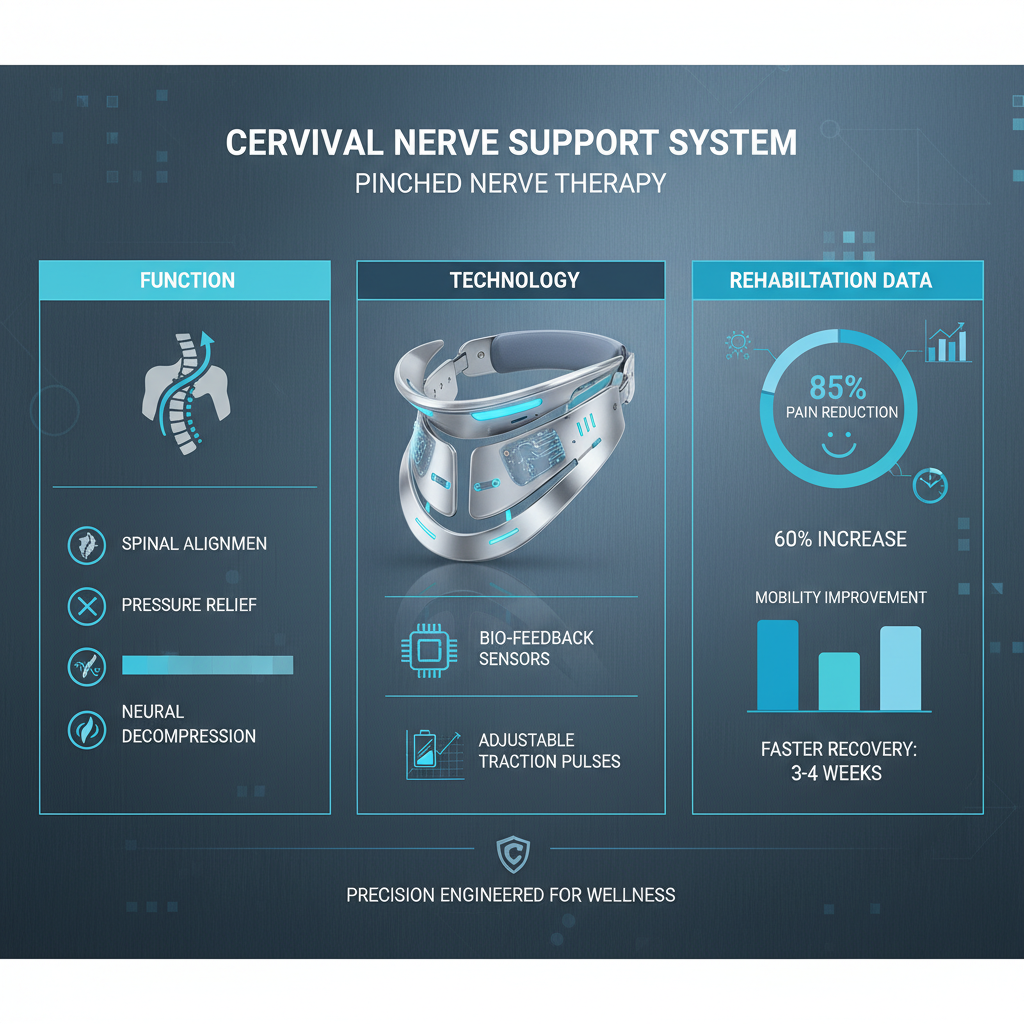
Best Cervical Collar for Pinched Nerve to Relieve Neck Pain

The demand for specialized neck supports has grown exponentially as global populations age and digital integration increases. In many developed nations, the incidence of cervical spondylosis—which often leads to pinched nerves—has become a public health concern, increasing the reliance on a cervical collar for pinched nerve to avoid invasive surgical procedures.

From a manufacturing perspective, the shift toward medical-grade polymer foams and breathable fabrics reflects a global effort to align orthopedic devices with ISO quality standards. This ensures that patients regardless of their geographic location have access to stabilization tools that are both biocompatible and ergonomically sound, reducing the global burden of chronic neck pain.

Defining the Cervical Collar for Pinched Nerve

A cervical collar for pinched nerve is a medical orthosis designed to support the neck and limit the range of motion of the cervical spine. Unlike generic neck pillows, these devices are engineered to maintain a specific neutral alignment of the vertebrae, which creates a small amount of space between the disc and the nerve root, thereby alleviating the "pinched" sensation and reducing radicular pain.

In the context of modern healthcare, these collars bridge the gap between acute injury management and long-term physical therapy. They serve as a protective shield that prevents sudden movements—such as sneezing or quick head turns—from causing further trauma to an already inflamed nerve, making them essential for patients in the early stages of recovery.

Beyond simple immobilization, the modern cervical collar for pinched nerve is an educational tool. It encourages "postural awareness," reminding the wearer to maintain an upright position and avoid the forward-head posture that typically exacerbates nerve compression in the C4 through C7 regions of the spine.

Core Components of Effective Nerve Stabilization

The efficacy of a cervical collar for pinched nerve depends heavily on its material composition. High-density memory foam is often utilized to provide consistent support that contours to the unique anatomy of the user's jawline and clavicle, ensuring that the weight of the head is distributed evenly across the collar rather than resting solely on the damaged vertebrae.

Another critical factor is the adjustability of the fastening system. A precise fit is mandatory because a collar that is too loose fails to provide the necessary stabilization, while one that is too tight can impede venous return or cause skin irritation. Therefore, medical-grade Velcro and adjustable straps are integrated into the cervical collar for pinched nerve to allow for dynamic adjustments as inflammation subsides.

Finally, skin-contact breathability is a paramount design requirement. Since these devices are often worn for extended periods, the use of moisture-wicking fabrics prevents heat buildup and dermatitis. The synergy between structural rigidity and textile comfort is what defines a professional-grade cervical collar for pinched nerve compared to over-the-counter alternatives.

Practical Applications and Clinical Use Cases

In clinical settings, the application of a cervical collar for pinched nerve varies based on the severity of the compression. For acute disc herniations, a more rigid collar is employed to maximize immobilization. Conversely, for chronic nerve irritation resulting from osteoarthritis, a soft, flexible collar is often prescribed to provide intermittent support during high-stress activities or while sleeping.

Beyond hospitals, these devices are invaluable in industrial environments. For workers in logistics or manufacturing who spend hours looking up or down, a prophylactic or rehabilitative cervical collar for pinched nerve can prevent the progression of nerve damage, allowing them to remain productive while undergoing conservative treatment.

Effectiveness Comparison of Cervical Support Methods


Long-Term Benefits and Patient Value

The long-term value of utilizing a cervical collar for pinched nerve extends far beyond immediate pain relief. By providing a stable environment for the nerve to recover, users often avoid the risks associated with spinal surgery, such as infection or failed back surgery syndrome. This non-invasive approach preserves the integrity of the spinal ligaments and reduces the overall cost of healthcare.

Moreover, the psychological impact of regaining control over one's physical movements cannot be overstated. The security provided by a cervical collar for pinched nerve allows patients to return to daily activities—such as driving or light housework—with confidence, significantly enhancing their quality of life and mental well-being during the arduous recovery process.

Future Innovations in Cervical Orthotics

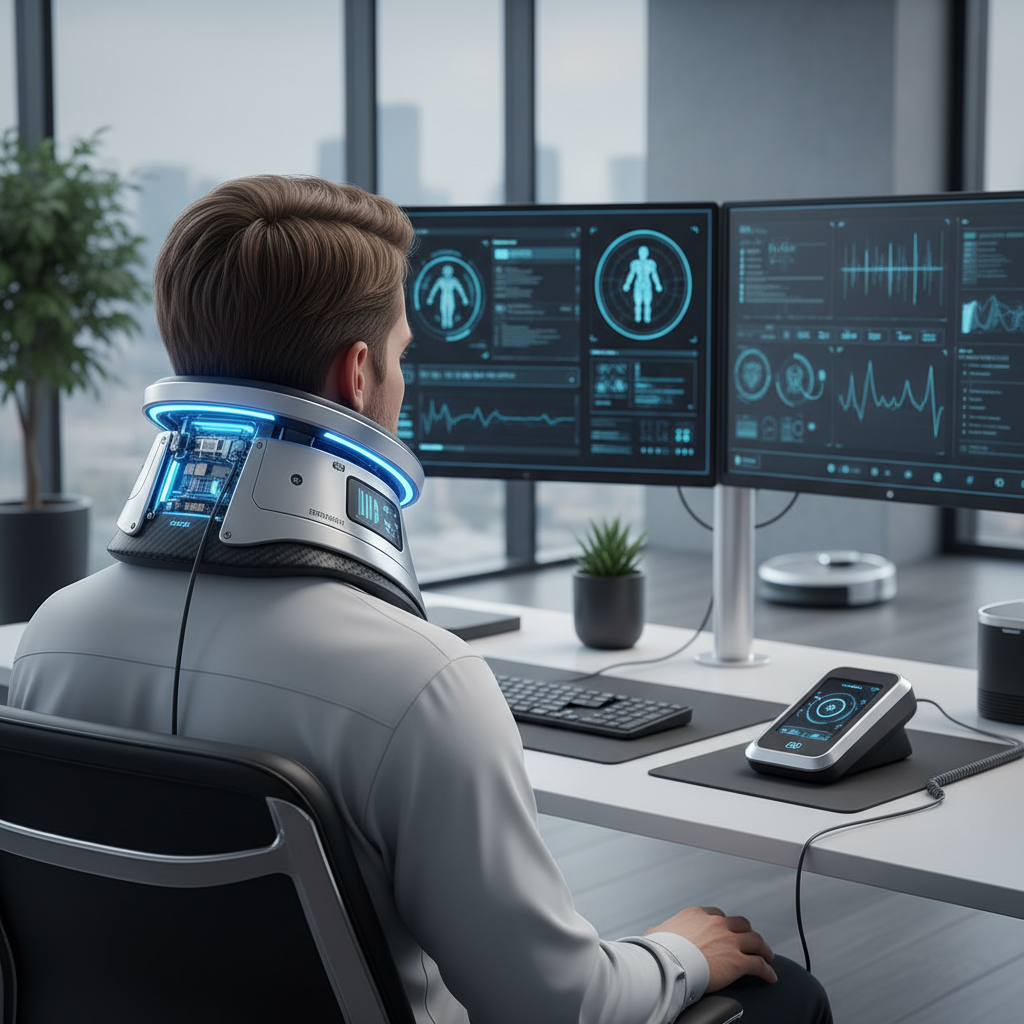
The next generation of cervical supports is moving toward "smart" orthotics. We are seeing the integration of embedded sensors within the cervical collar for pinched nerve that can track the wearer's head angle in real-time. This data can be synced to a smartphone app, alerting the user when their posture deviates from the prescribed therapeutic angle, thus turning a passive device into an active rehabilitation tool.

Material science is also evolving, with the introduction of 3D-printed lattices. These allow for the creation of a cervical collar for pinched nerve that is perfectly customized to a patient's MRI scan, providing maximum support in high-pressure zones while remaining completely open and breathable in non-critical areas.

Sustainability is also becoming a core focus. Manufacturers are transitioning toward biodegradable polymers and recycled medical-grade fabrics, ensuring that the production of the cervical collar for pinched nerve does not come at an environmental cost, aligning healthcare needs with global green energy and sustainability goals.

Overcoming Challenges in Cervical Recovery

One of the primary challenges in using a cervical collar for pinched nerve is the risk of muscle atrophy. If a patient relies on the collar for too long without guided exercise, the neck muscles may weaken, potentially making the spine more unstable. To solve this, clinicians now recommend a "weaning" protocol, where the collar is worn only during specific activities and gradually replaced by strengthening exercises.

Another common issue is patient non-compliance due to discomfort or social stigma. The solution lies in the development of "low-profile" designs. Modern aesthetics allow the cervical collar for pinched nerve to be worn discreetly under clothing, reducing the visible footprint of the device while maintaining its therapeutic integrity.

Finally, ensuring an accurate fit for diverse body types remains a hurdle. The industry is overcoming this through modular sizing systems, where a single cervical collar for pinched nerve can be modified with interchangeable inserts to fit various neck circumferences and heights perfectly.

Analysis of Cervical Collar Specifications and Recovery Outcomes

Collar Type Stabilization Level Patient Comfort Score Recovery Speed
Soft Foam Collar Low to Moderate 9/10 Moderate
Philadelphia Collar High 5/10 Fast (Acute)
Adjustable Hybrid Moderate to High 8/10 Optimal
Custom 3D Molded Maximum 7/10 Very Fast
Inflatable Collar Variable 7/10 Moderate
Cervical Traction Collar Moderate 6/10 Fast (Chronic)

FAQS

How long should I wear a cervical collar for a pinched nerve?

The duration depends entirely on your specific diagnosis and the advice of your physician. In acute cases, a cervical collar for pinched nerve may be worn 24/7 for the first few days to maximize stability. For chronic conditions, it is often used intermittently during activities that strain the neck. Over-reliance can lead to muscle weakness, so it is crucial to follow a tapering schedule provided by a healthcare professional.

Can a cervical collar actually cure a pinched nerve?

A cervical collar is not a "cure" in itself, but it is a vital facilitative tool. By stabilizing the spine and reducing mechanical pressure on the nerve, it creates the optimal conditions for the inflammation to subside and the nerve to heal. When combined with physical therapy and medication, a cervical collar for pinched nerve significantly accelerates the recovery timeline and prevents further injury.

What is the difference between a soft and a rigid cervical collar?

Soft collars are primarily used for comfort and mild support; they remind the user to keep their neck still but provide limited immobilization. Rigid collars, often used in clinical settings for severe nerve compression or post-surgery, provide significant restriction of movement. Choosing between them for a cervical collar for pinched nerve depends on whether the priority is comfort or strict spinal alignment.

Will wearing a collar make my neck muscles weaker?

Yes, if worn excessively without a rehabilitation plan. This is known as disuse atrophy. To prevent this, experts recommend using a cervical collar for pinched nerve as a support system while simultaneously engaging in low-impact isometric exercises. The goal is to use the collar to manage pain so that you can safely perform the exercises that will eventually make the collar unnecessary.

How do I know if the collar is fitted correctly?

A correctly fitted cervical collar for pinched nerve should support the chin and the base of the skull without pressing so hard that it interferes with swallowing or breathing. There should be no gaps between the collar and the neck, yet you should not feel excessive pressure on the carotid arteries. If you experience dizziness or increased numbness, the fit may be too tight and should be adjusted immediately.

Can I sleep while wearing a cervical collar for a pinched nerve?

In many cases, yes. Sleeping in a cervical collar for pinched nerve can prevent the neck from twisting into awkward positions during the night, which often causes "morning stiffness" or acute pain flares. However, you should use a supportive orthopedic pillow in conjunction with the collar to ensure the spine remains in a neutral position throughout the night.

Conclusion

Managing a pinched nerve requires a strategic combination of stability, comfort, and professional guidance. The use of a cervical collar for pinched nerve provides the essential mechanical support needed to reduce nerve compression, alleviate radiating pain, and prevent further spinal degradation. By integrating high-quality materials with ergonomic design, these devices empower patients to navigate their recovery process with reduced pain and increased stability.

Looking forward, the integration of smart technology and personalized 3D manufacturing will further refine the effectiveness of cervical orthotics. We encourage anyone suffering from cervical radiculopathy to consult with a specialist to determine the ideal level of support for their specific condition. For professional-grade stabilization solutions that prioritize both clinical efficacy and patient comfort, visit our website: www.jhorthopedic.com.

Christopher Wilson

Christopher Wilson

Christopher Wilson is the Regional Sales Director for the Eastern US at Hebei JianHang Technology. With over a decade of experience in medical device sales, Christopher excels at building rapport with healthcare professionals and understanding their unique challenges. He’s responsible for a team of sales representatives and oversees all sales
Previous Best Cervical Collar for Radiculopathy and Nerve Pain Relief
Next Effective Cervical Collar for Neck Sprain and Spinal Stabilization
No.240 Xingying West Street,Anping County,Hebei Province,China
Have a question? Keep in touch.
Copyright © 2026 Hebei Jianhang Technology Co.,Ltd. All Rights Reserved. Sitemap | Privacy Policy | Top Blog | Global Service | Hot Products
If you are interested in our products, you can choose to leave your information here, and we will be in touch with you shortly.