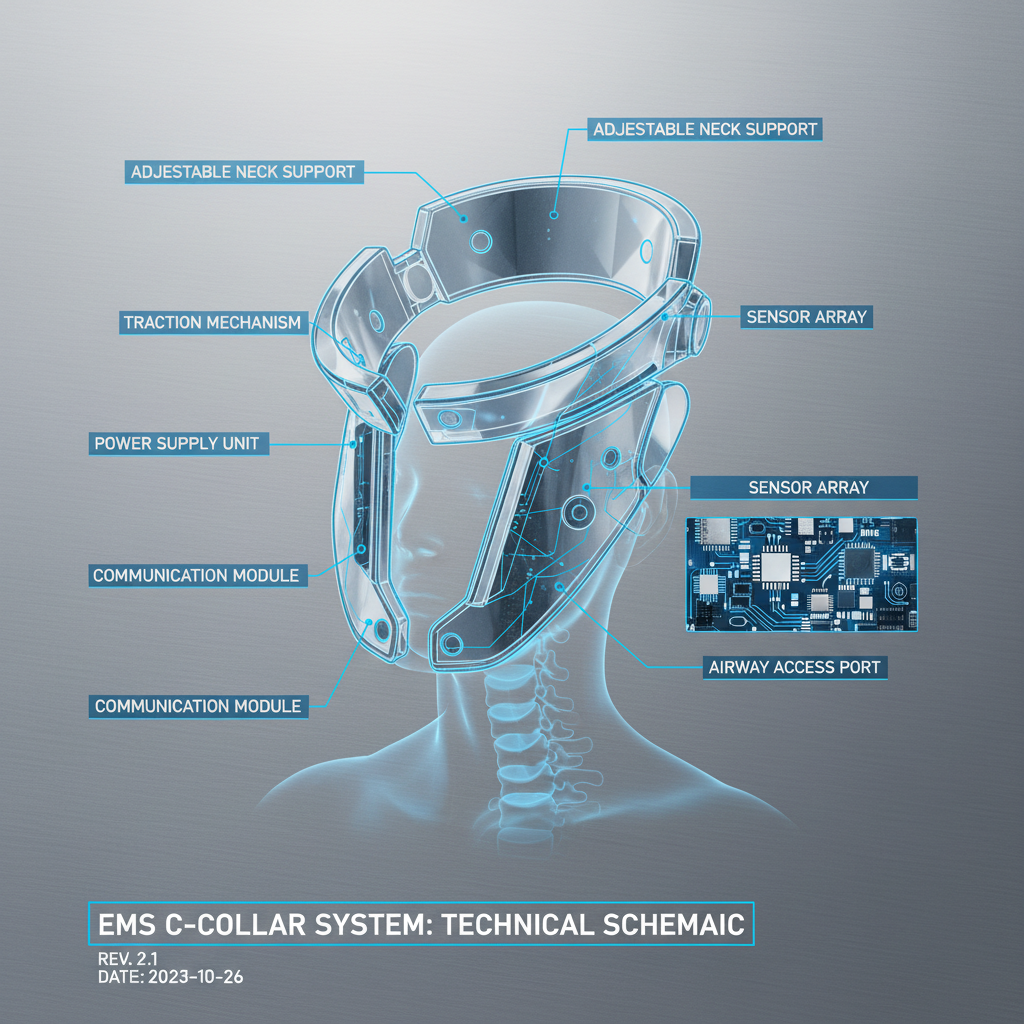
Finding the right stabilization for patients with atypical anatomy is a critical challenge in orthopedic care, particularly when selecting a cervical collar for short necks. Standard off-the-shelf braces often prove too tall, causing the chin to be pushed upward or the collar to dig into the clavicle, which can compromise the airway and lead to skin breakdown.
The global demand for precision-fit cervical orthotics is rising as healthcare providers shift toward personalized medicine. For individuals with shorter neck proportions, a specialized cervical collar for short necks ensures that the cervical spine is immobilized without creating secondary pressure points, thereby reducing the risk of complications during the recovery phase.
Understanding the nuances of anatomical fit not only improves patient compliance but also accelerates healing. By utilizing materials that offer both rigidity for support and flexibility for comfort, a properly designed cervical collar for short necks bridges the gap between clinical necessity and patient dignity.
The Clinical Importance of a Cervical Collar for Short Necks
In emergency medicine and post-operative care, the "one size fits all" approach can be dangerous. When a clinician utilizes a standard collar on a patient with a short neck, the excessive height often forces the head into hyperextension. A dedicated cervical collar for short necks prevents this misalignment, ensuring the spine remains in a neutral position, which is paramount for preventing secondary spinal cord injuries.
Beyond the immediate safety concerns, the psychological impact of a bulky, ill-fitting device can hinder a patient's willingness to adhere to treatment. By providing a low-profile solution that fits the natural contours of the body, healthcare providers can improve the overall patient experience, reducing anxiety and physical distress during the immobilization period.
Defining the Anatomical Requirements for Short Neck Support
A cervical collar for short necks is specifically engineered to provide stabilization for individuals whose vertical distance from the clavicle to the mandible is below the average population range. Unlike standard collars, these devices feature a reduced anterior height and a more tapered jaw support to prevent the "chin-lift" effect that occurs when the brace is too tall for the user.
From an industrial design perspective, this involves a meticulous recalculation of the support angles. The goal is to maintain the same level of restriction of motion—specifically limiting flexion, extension, and lateral rotation—while reducing the physical volume of the material used in the frontal section of the orthosis.
In the broader context of rehabilitative medicine, this represents a shift toward inclusive design. By addressing the needs of those with diverse body types, manufacturers are ensuring that high-quality stabilization is accessible to everyone, regardless of their anatomical proportions, thereby upholding international standards of patient care.
Core Components of Effective Low-Profile Orthotics
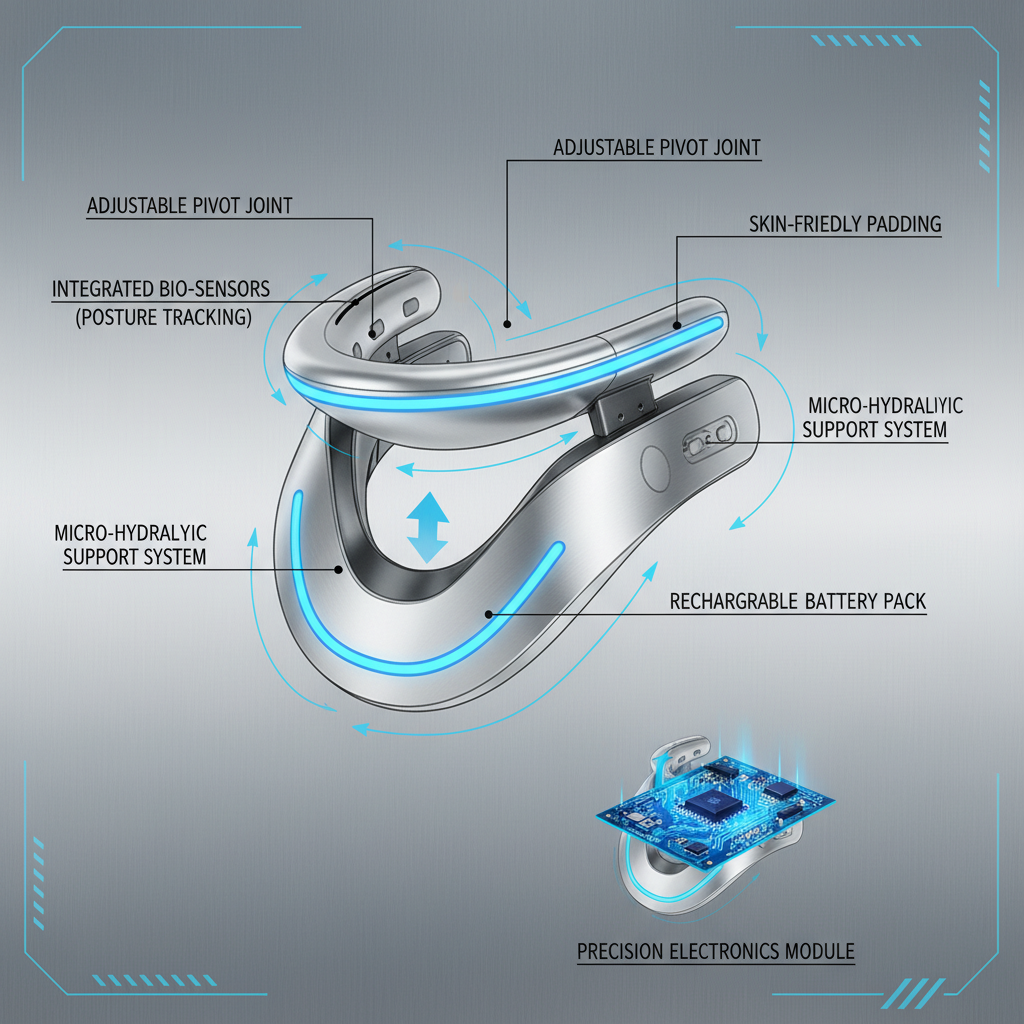
The first critical factor is the adjustability of the height. A premium cervical collar for short necks often incorporates a modular or adjustable system that allows clinicians to fine-tune the vertical fit, ensuring the device rests securely on the shoulders without pressing into the throat.
Material selection is equally vital. To maintain stability in a smaller frame, high-density polyethylene (HDPE) or reinforced breathable foams are used. These materials provide the necessary rigidity to immobilize the cervical spine while remaining lightweight enough to avoid adding undue stress to a short neck structure.
Finally, the contouring of the mandibular support must be precise. In a cervical collar for short necks, the chin piece is usually more recessed, allowing the patient to maintain a natural gaze and swallow comfortably without the device interfering with the lower jaw's movement.
Performance Metrics of Different Support Designs
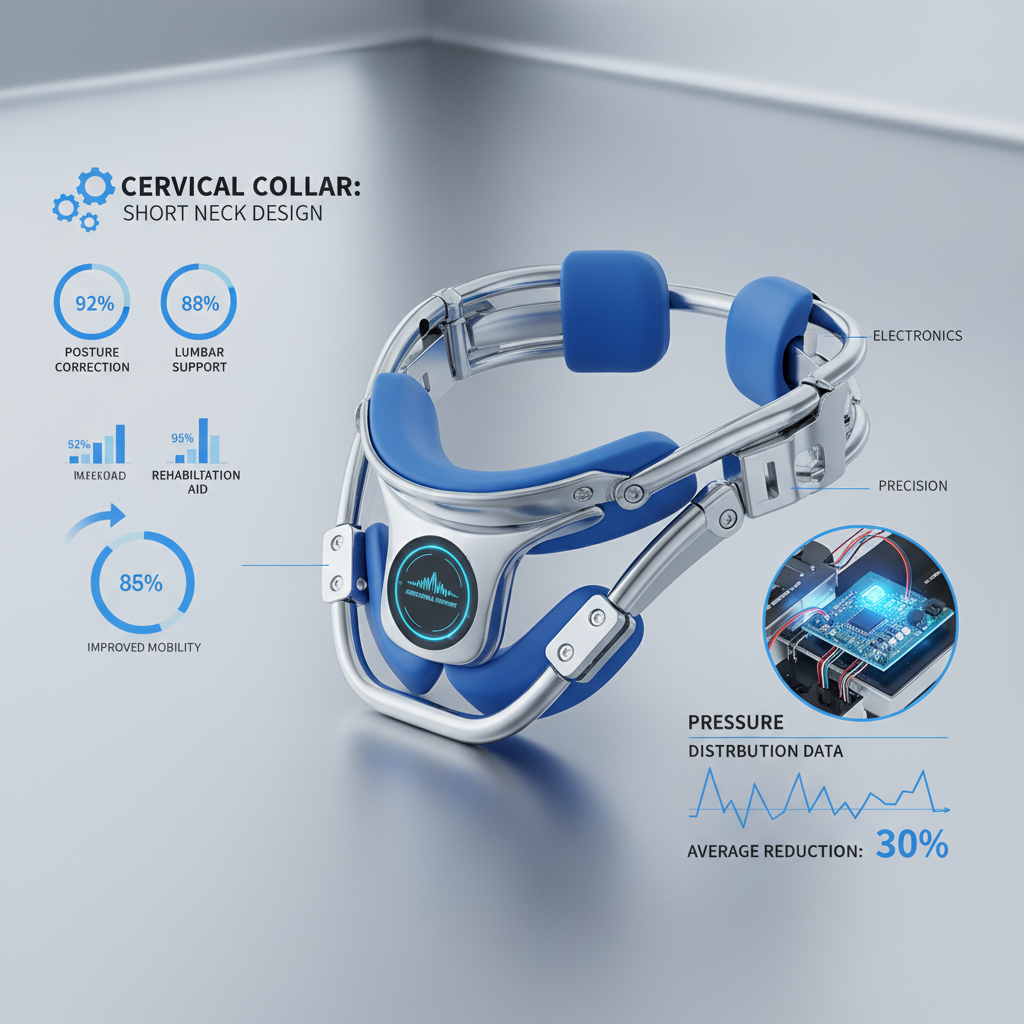
When evaluating the efficacy of a cervical collar for short necks, clinicians look at several key performance indicators: stability, skin integrity, and patient comfort. High-performance designs focus on distributing pressure evenly across the shoulders and chin to prevent pressure ulcers, which are more common in ill-fitting braces.
Comparing various design methodologies reveals that low-profile, anatomically contoured models consistently score higher in patient satisfaction and clinical outcomes than modified standard collars. The following data illustrates the comparative ratings of different approach styles.
Comparative Efficiency of Cervical Collar for Short Necks Designs
Global Applications in Trauma and Rehabilitation
Across the globe, the implementation of a specific cervical collar for short necks is seen in high-traffic trauma centers and specialized rehabilitation clinics. In regions with diverse ethnic populations, where anatomical variance is high, providing multiple sizing options—including low-profile versions—is essential for standardized emergency response protocols.
For instance, in post-disaster relief operations where rapid stabilization is required, having an inventory that includes collars for short necks ensures that triage teams can provide immediate, safe immobilization to any casualty, regardless of their physical build, thereby reducing the risk of permanent paralysis during transport.
Long-Term Value of Ergonomic Cervical Stabilization
The long-term value of utilizing a professional cervical collar for short necks extends beyond immediate immobilization. By reducing the incidence of pressure sores and respiratory restriction, patients experience a smoother transition from acute care to physical therapy. This reliability fosters a sense of trust between the patient and the healthcare provider, as the device supports recovery without becoming a source of new pain.
From a sustainability perspective, the move toward high-quality, durable, and reusable materials in these collars reduces medical waste. When a device fits correctly the first time, there is less need for multiple replacements or makeshift modifications that often lead to the product being discarded prematurely.
Ultimately, the logical and emotional benefit is dignity. A patient who does not feel "swallowed" by their medical equipment is more likely to maintain a positive outlook on their recovery, which is a known catalyst for faster healing in orthopedic rehabilitation.
Future Innovations in Adaptive Neck Bracing
The future of the cervical collar for short necks lies in digital transformation and smart materials. We are seeing the emergence of 3D-scanning technology that allows for a perfectly bespoke fit, where a patient's neck is scanned in seconds, and a customized low-profile collar is printed using biocompatible polymers, eliminating the trial-and-error process of sizing.
Furthermore, the integration of "smart fabrics" that can adjust their rigidity based on the patient's movement or the clinician's requirements via a mobile app is on the horizon. This would allow a cervical collar for short necks to provide maximum support during sleep and more flexibility during daytime activities, all while maintaining a low profile.
Sustainability is also driving innovation, with the development of biodegradable, medical-grade plastics that maintain structural integrity for the duration of the treatment but leave no environmental footprint after disposal.
Comparative Analysis of Modern Short Neck Support Technologies
| Technology Type |
Fit Precision |
Comfort Level |
Clinical Efficacy |
| Standard Low-Profile |
Moderate |
High |
Good |
| Adjustable Height |
High |
Moderate |
Very Good |
| 3D-Printed Custom |
Perfect |
Very High |
Excellent |
| Thermoformable Plastic |
High |
Moderate |
Very Good |
| Soft Foam Low-Rise |
Low |
Excellent |
Fair |
| Hybrid Smart Brace |
Very High |
High |
Excellent |
FAQS
If a standard collar causes your chin to tilt upward or creates excessive pressure on your clavicle and throat, you likely require a low-profile version. A professional fitting by a healthcare provider is the best way to determine if your anatomical measurements necessitate a cervical collar for short necks to avoid hyperextension of the spine.
Yes. Stability is determined by the rigidity of the materials and the correct contact points, not just the height. A properly designed cervical collar for short necks is engineered to limit the same range of motion as a standard brace, but it does so by fitting the user's specific anatomy more precisely, preventing the gaps that often occur with oversized collars.
Generally, yes. Because they eliminate the excessive bulk that leads to skin irritation and pressure points, patients typically report much higher comfort levels. The use of breathable, medical-grade foams in a cervical collar for short necks further enhances comfort, making it suitable for extended recovery periods.
On the contrary, a specialized low-profile collar is designed specifically to avoid the throat and jaw area more effectively than a standard collar. By providing a correct fit, it reduces the risk of airway compression and allows for more natural swallowing and speaking movements.
Most low-profile collars can be cleaned with a damp cloth and mild soap. Avoid harsh chemicals that could degrade the medical-grade plastics or foams. Ensure the brace is completely dry before use to prevent skin irritation and maintain the structural integrity of the materials.
Absolutely. Having a variety of sizes, including the cervical collar for short necks, in an EMS kit is vital. It ensures that first responders can stabilize any patient immediately without risking further injury due to an ill-fitting device, upholding the highest standards of emergency medical care.
Conclusion
The implementation of a dedicated cervical collar for short necks is a critical advancement in orthopedic care, shifting the focus from generic stabilization to patient-centric precision. By addressing the unique anatomical needs of individuals with shorter necks, these devices prevent secondary injuries, enhance patient comfort, and ensure higher compliance with medical protocols. From the choice of high-density materials to the integration of 3D-scanning technology, the evolution of low-profile orthotics reflects a commitment to safety, dignity, and clinical excellence.
Looking forward, the continued integration of smart materials and personalized manufacturing will likely make the "standard size" obsolete. We encourage healthcare providers and patients to prioritize anatomical fit over convenience to ensure the best possible recovery outcomes. For those seeking professional-grade stabilization solutions tailored to diverse needs, we invite you to explore our comprehensive range of orthotic supports. Visit our website: www.jhorthopedic.com