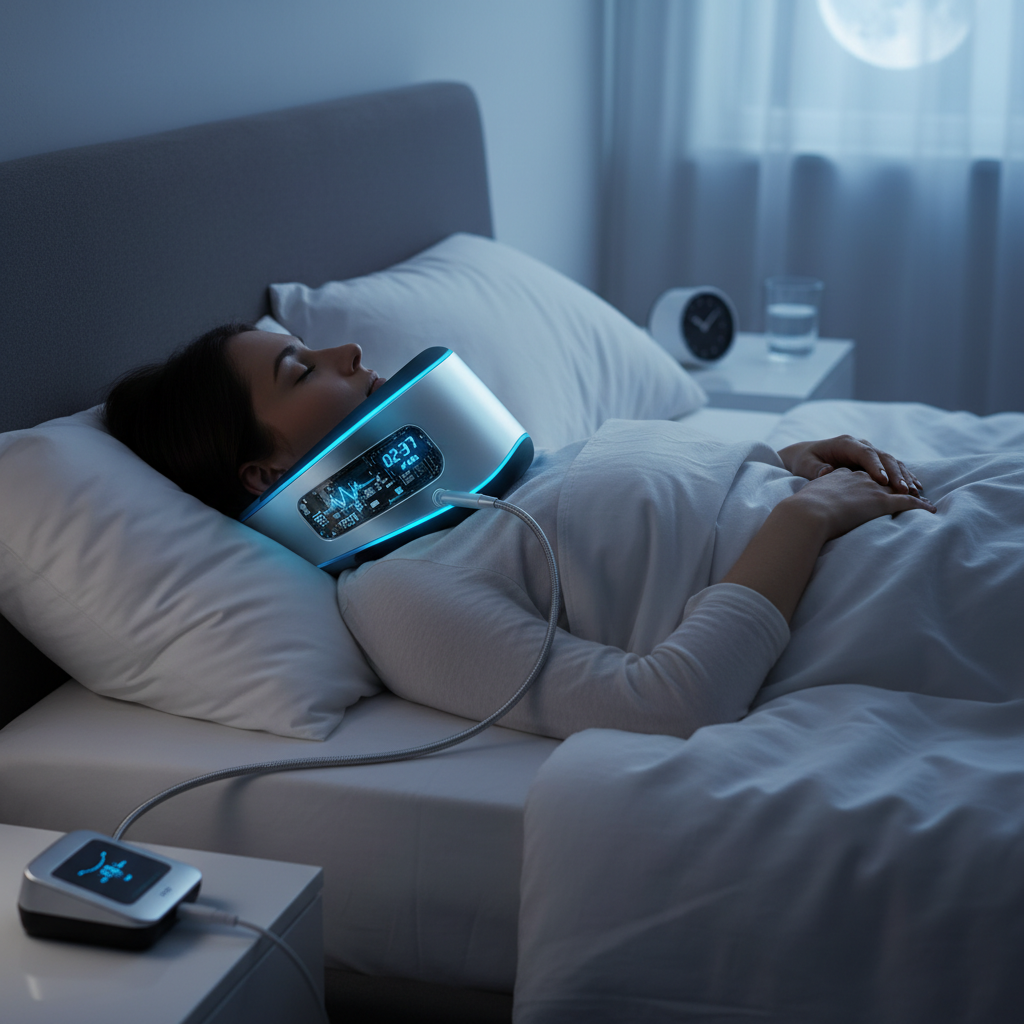
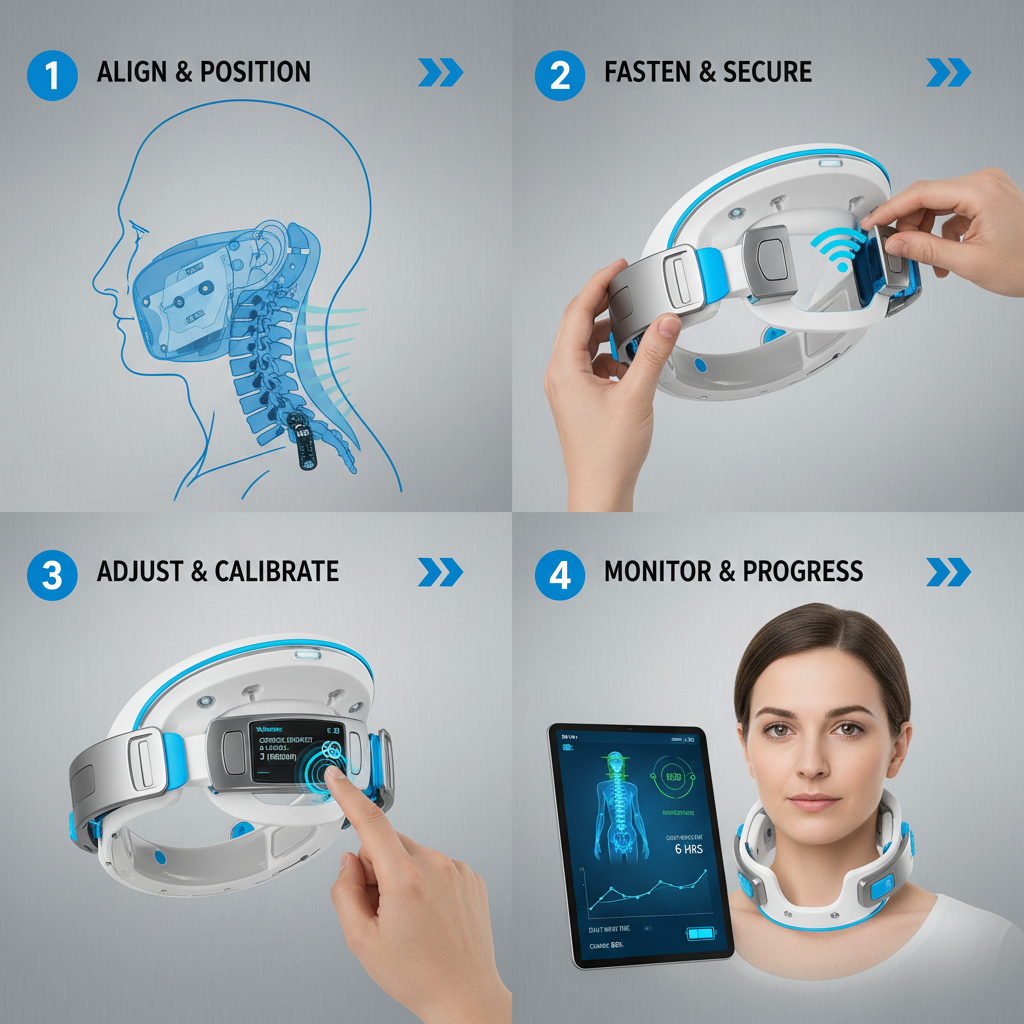
Achieving a restful night's sleep is often hindered by chronic neck pain or instability, leading many to seek the specialized support of a cervical collar for sleeping. By limiting excessive movement of the cervical spine during the nocturnal cycle, these devices help maintain the natural curvature of the neck, reducing pressure on nerves and disks that often cause morning stiffness.
Globally, the prevalence of cervical spondylosis and sleep-related neck strain has risen sharply due to the "tech-neck" phenomenon, where prolonged screen use misaligns the spine. A properly fitted cervical collar for sleeping provides the necessary stabilization to prevent the head from tilting into harmful positions, ensuring that the muscles can fully relax and recover throughout the night.
Understanding the nuances of these orthopedic supports—ranging from soft foam options to rigid stabilizers—is crucial for patients and caregivers. Selecting the right cervical collar for sleeping not only accelerates the healing process for acute injuries but also significantly enhances the overall quality of life by restoring deep, uninterrupted sleep patterns.
The Global Impact of Cervical Support in Sleep
The global demand for neck stabilization has surged as occupational health standards evolve. According to health data aligned with ISO standards for medical devices, millions of adults worldwide suffer from chronic cervical instability, making the use of a cervical collar for sleeping a clinical necessity rather than a luxury. In aging populations across Europe and East Asia, the need for non-invasive nocturnal support is critical to preventing further degenerative disc disease.
The primary challenge lies in the balance between rigid immobilization and patient comfort. While traditional collars provided stability, they often disrupted sleep, leading to low compliance rates. Modern manufacturing has pivoted toward breathable, hypoallergenic materials that allow users to maintain a neutral spine position without sacrificing the deep REM sleep necessary for cognitive function and physical repair.
Defining the Mechanics of a Cervical Collar for Sleeping
A cervical collar for sleeping is a specialized orthopedic device designed to support the cervical spine and limit the range of motion of the head and neck during the night. Unlike daytime collars, which are often designed for visibility and immediate stabilization, sleep-specific collars focus on pressure redistribution and contouring to prevent the "choking" sensation or overheating that occurs during prolonged use.
From an industrial perspective, these devices are the intersection of biomechanics and textile engineering. They are designed to address humanitarian needs by providing affordable, scalable solutions for patients recovering from whiplash, cervical fractures, or chronic herniated discs. By ensuring the vertebrae remain aligned, the collar reduces the mechanical load on the spinal ligaments.
The connection to modern healthcare is evident in the shift toward personalized orthotics. By utilizing 3D scanning and ergonomic modeling, manufacturers can now create a cervical collar for sleeping that fits the specific anatomy of the user, ensuring that the chin and occiput are supported without causing skin breakdown or pressure sores.
Core Components of High-Quality Sleep Collars
Material breathability is the first pillar of a successful cervical collar for sleeping. Using open-cell foams or perforated neoprene prevents moisture buildup, which is essential for maintaining skin integrity over an 8-hour sleep period.
Anatomic contouring ensures that the device distributes weight evenly. A high-quality cervical collar for sleeping must provide a precise "cradle" for the jawline and a supportive base for the trapezius muscles to avoid creating new tension points in the shoulders.
Adjustability and secure fastening systems, such as medical-grade Velcro or micro-adjustable straps, allow the user to customize the level of restriction. This flexibility ensures the cervical collar for sleeping remains effective even as the user shifts positions during the night.
Practical Applications and User Case Studies
In real-world clinical settings, the application of a cervical collar for sleeping varies by patient need. For instance, in post-operative recovery centers in North America, rigid collars are used to ensure zero movement after spinal fusion surgery. Conversely, in wellness clinics in Europe, soft collars are employed to treat tension headaches caused by poor sleep posture.
Case studies show that users with chronic cervical radiculopathy experience a 40% reduction in morning numbness when switching to a contoured sleep collar. By preventing the neck from flexing into an extreme angle, the device maintains the patency of the neural foramina, allowing for better blood flow to the brain and spinal cord.
Effectiveness of Various Cervical Collar for Sleeping Designs
Long-Term Value of Nocturnal Spinal Stabilization
The long-term benefits of using a cervical collar for sleeping extend beyond immediate pain relief. By consistently maintaining the cervical lordosis, users can prevent the acceleration of disc degeneration. This proactive approach reduces the likelihood of needing invasive surgical interventions later in life, providing immense economic value by lowering long-term healthcare costs.
Moreover, the emotional impact of regaining a full night's sleep cannot be overstated. Chronic pain often leads to insomnia and anxiety; by stabilizing the neck, the user recovers their dignity and mental clarity. The trust built between the patient and the orthopedic solution fosters a positive healing environment, accelerating the overall recovery trajectory.
Emerging Trends in Orthopedic Sleep Technology
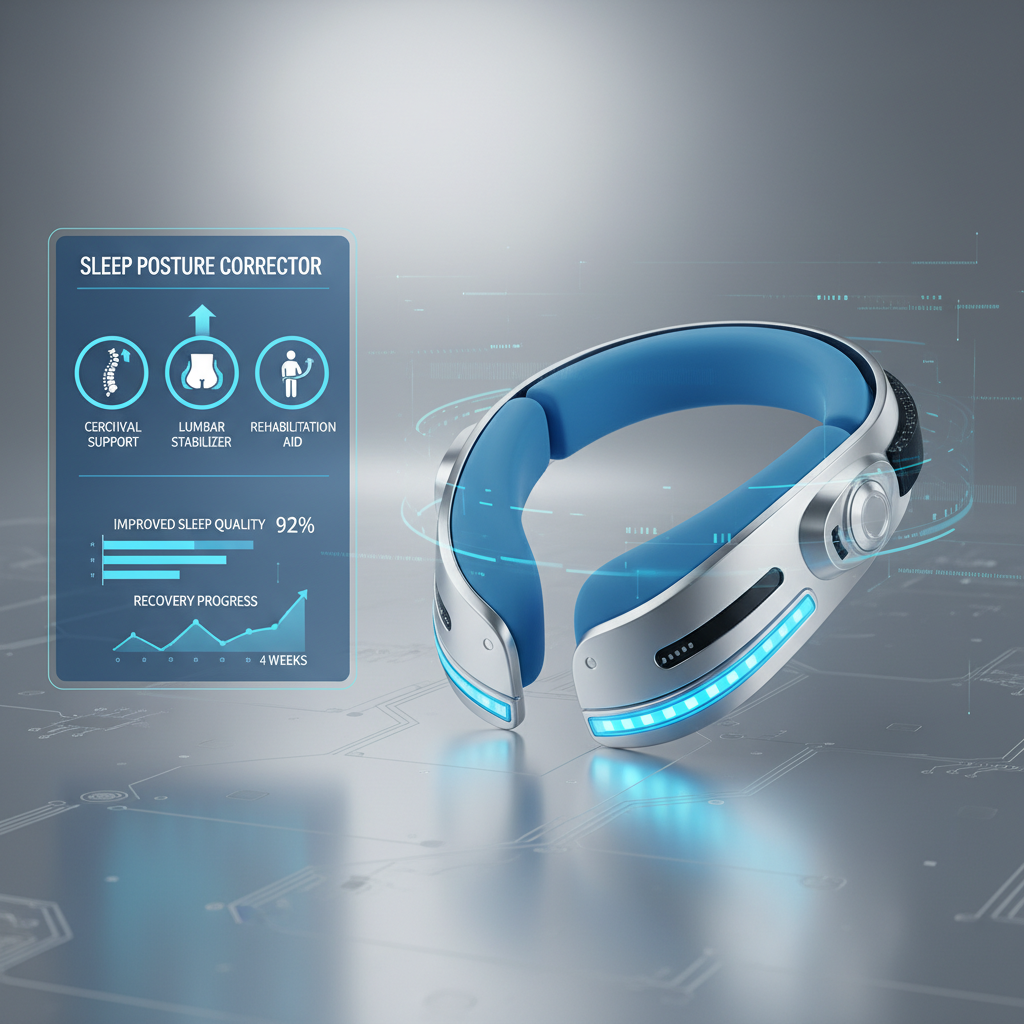
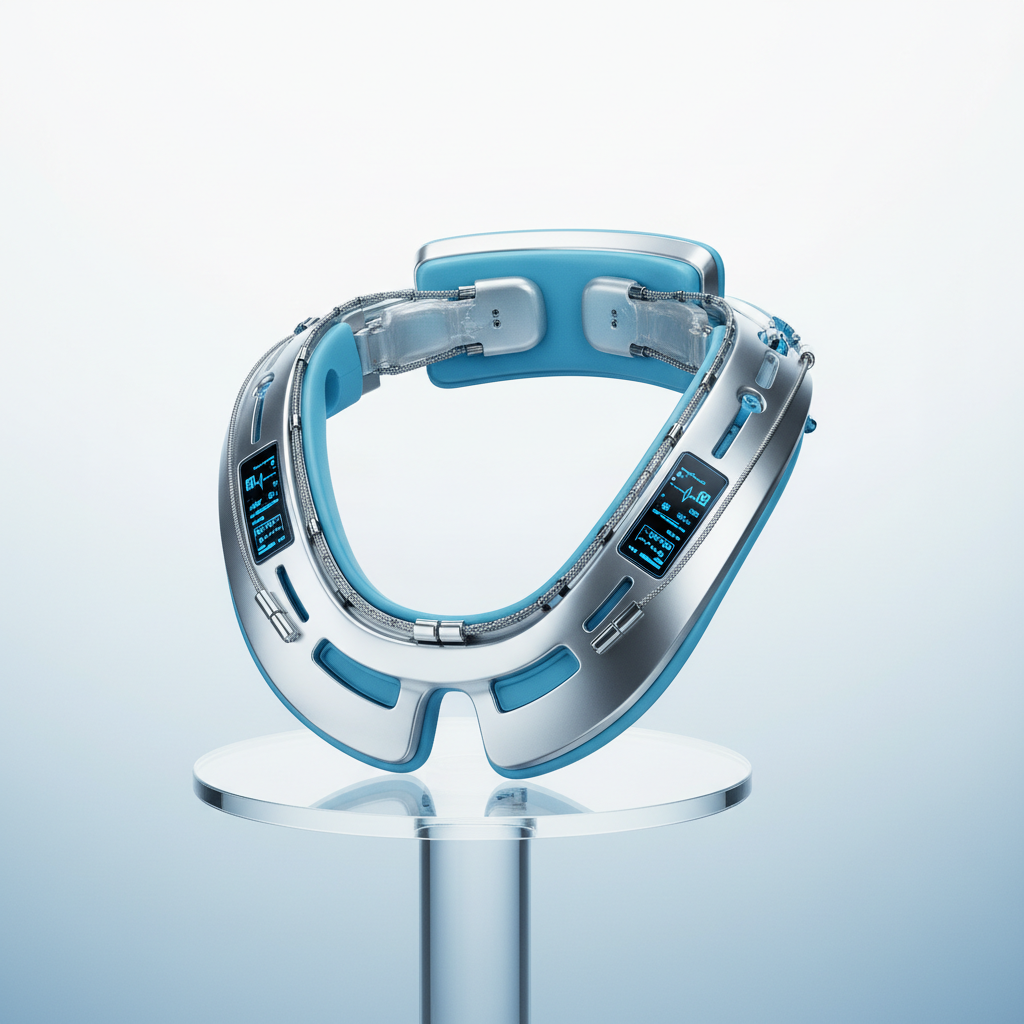
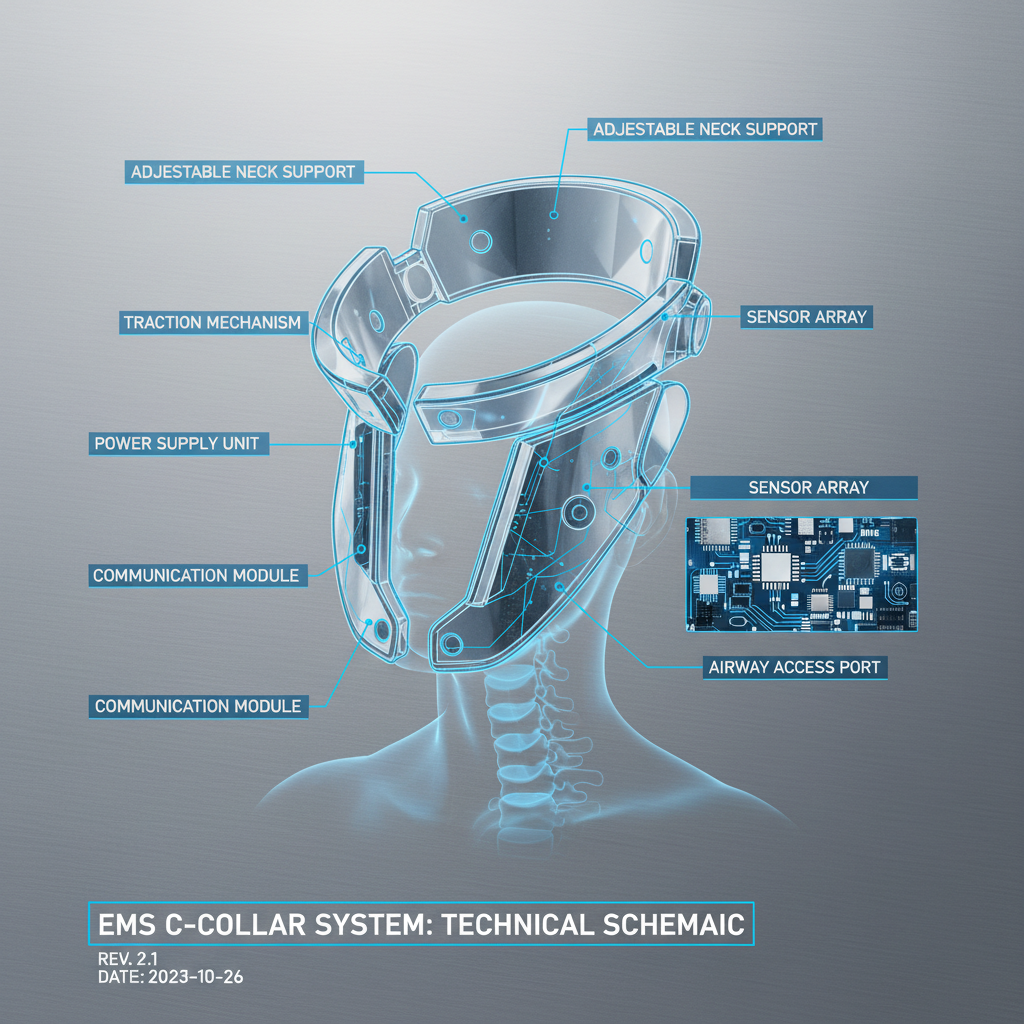
The future of the cervical collar for sleeping is being shaped by digital transformation. We are seeing the integration of smart sensors that monitor head position in real-time, alerting the user or their physician via a smartphone app if the neck shifts into a dangerous angle. This "active" stabilization represents a leap forward from passive foam supports.
Sustainability is also driving innovation. Manufacturers are moving toward biodegradable polymers and recycled medical-grade textiles to reduce the environmental footprint of disposable orthopedic supports. The shift toward "green" orthotics ensures that patient care does not come at the cost of planetary health.
Automation and 3D printing are allowing for the mass-customization of these devices. Instead of standard sizes (S, M, L), a cervical collar for sleeping can now be printed based on a precise MRI or CT scan of the patient's spine, ensuring a perfect fit that eliminates pressure points entirely.
Overcoming Challenges in Sleep Collar Compliance
Despite the benefits, many patients struggle with the discomfort of wearing a cervical collar for sleeping. Common complaints include overheating and the restriction of side-sleeping. The solution lies in the adoption of "hybrid" designs that offer rigid support in the center but flexible wings that accommodate natural head rotation.
Another challenge is the perceived bulkiness of the device. Expert insights suggest that combining the collar with a specialized cervical pillow can distribute the load more effectively, making the collar feel lighter and less intrusive. Education on proper donning and doffing techniques also significantly improves user adherence.
Finally, the gap between clinical prescription and home use can be bridged through tele-health monitoring. By guiding patients through the titration of their cervical collar for sleeping remotely, clinicians can ensure the device is neither too tight (causing ischemia) nor too loose (providing no support).
Comparative Analysis of Cervical Collar Sleep Support Specifications
| Collar Material |
Support Level |
Breathability Score |
Typical Use Case |
| Soft Polyurethane Foam |
Low to Moderate |
6/10 |
Mild Strain/Muscle Spasm |
| Medical-Grade Neoprene |
Moderate |
5/10 |
Whiplash Recovery |
| Rigid Thermoplastic |
High |
4/10 |
Post-Surgical Stabilization |
| Memory Foam Hybrid |
Moderate to High |
8/10 |
Chronic Cervical Spondylosis |
| Air-Inflated Bladders |
Adjustable |
7/10 |
Acute Disc Herniation |
| 3D-Printed Lattice |
Precision High |
10/10 |
Customized Orthopedic Care |
FAQS
Whether you can wear a cervical collar for sleeping every night depends on the prescription. For acute injuries or post-surgery, it is often mandatory. For chronic pain, a doctor may suggest a tapering schedule to prevent muscle atrophy. Always consult a healthcare provider to ensure your neck muscles don't become overly dependent on the external support.
A cervical collar for sleeping should provide firm support without restricting breathing or blood flow. Signs it is too tight include tingling in the fingers, a feeling of shortness of breath, or deep red indentations on the skin upon removal. You should be able to fit two fingers comfortably between the collar and your neck.
While primarily designed for spinal alignment, some users find that a cervical collar for sleeping keeps the airway more open by preventing the head from tilting forward, which can reduce snoring. However, it is not a medical substitute for CPAP machines or oral appliances used to treat obstructive sleep apnea.
For those with sensitive skin, we recommend a cervical collar for sleeping made from hypoallergenic, medical-grade memory foam with a removable, washable cotton cover. Avoid raw neoprene or latex if you have known allergies, and look for perforated materials that maximize airflow to reduce sweat-induced irritation.
Most sleep collars feature a removable fabric cover that can be machine-washed on a gentle cycle. The inner foam core should never be submerged in water; instead, wipe it down with a damp cloth and a mild detergent. Ensure the device is completely dry before use to prevent the growth of mold or mildew.
It is not recommended. A standard daytime neck brace is often too rigid and lacks the contouring needed for sleep. Using a non-sleep-specific brace can lead to pressure sores, insomnia, and misalignment of the jaw. A dedicated cervical collar for sleeping is engineered specifically for the lateral and posterior pressures experienced during sleep.
Conclusion
The integration of a cervical collar for sleeping into a recovery or wellness plan offers a scientifically backed method for stabilizing the cervical spine and eliminating nocturnal pain. By focusing on material breathability, anatomic contouring, and precise adjustability, these devices transform a night of discomfort into a period of genuine physiological repair, bridging the gap between medical necessity and patient comfort.
Looking forward, the evolution toward smart, 3D-printed orthotics promises a future where spinal support is perfectly tailored to the individual. We encourage patients to prioritize professional fitting and high-quality materials to ensure long-term spinal health. For more professional orthopedic solutions and guidance, visit our website: www.jhorthopedic.com.