The stability of the cervical spine is paramount to overall neurological health and mobility, making the cervical collar neck brace an indispensable tool in both emergency medicine and long-term rehabilitative care. By limiting excessive movement and supporting the weight of the head, these orthopedic devices prevent further injury to the spinal cord and accelerate the healing process for soft tissue and bone structures.
Globally, the prevalence of neck injuries—ranging from automotive accidents and sports-related traumas to chronic degenerative disc disease—has surged, driving a demand for higher precision in bracing technology. A well-fitted cervical collar neck brace does more than just restrict motion; it optimizes the alignment of the vertebrae, reducing pressure on sensitive nerves and alleviating the debilitating pain associated with cervical instability.
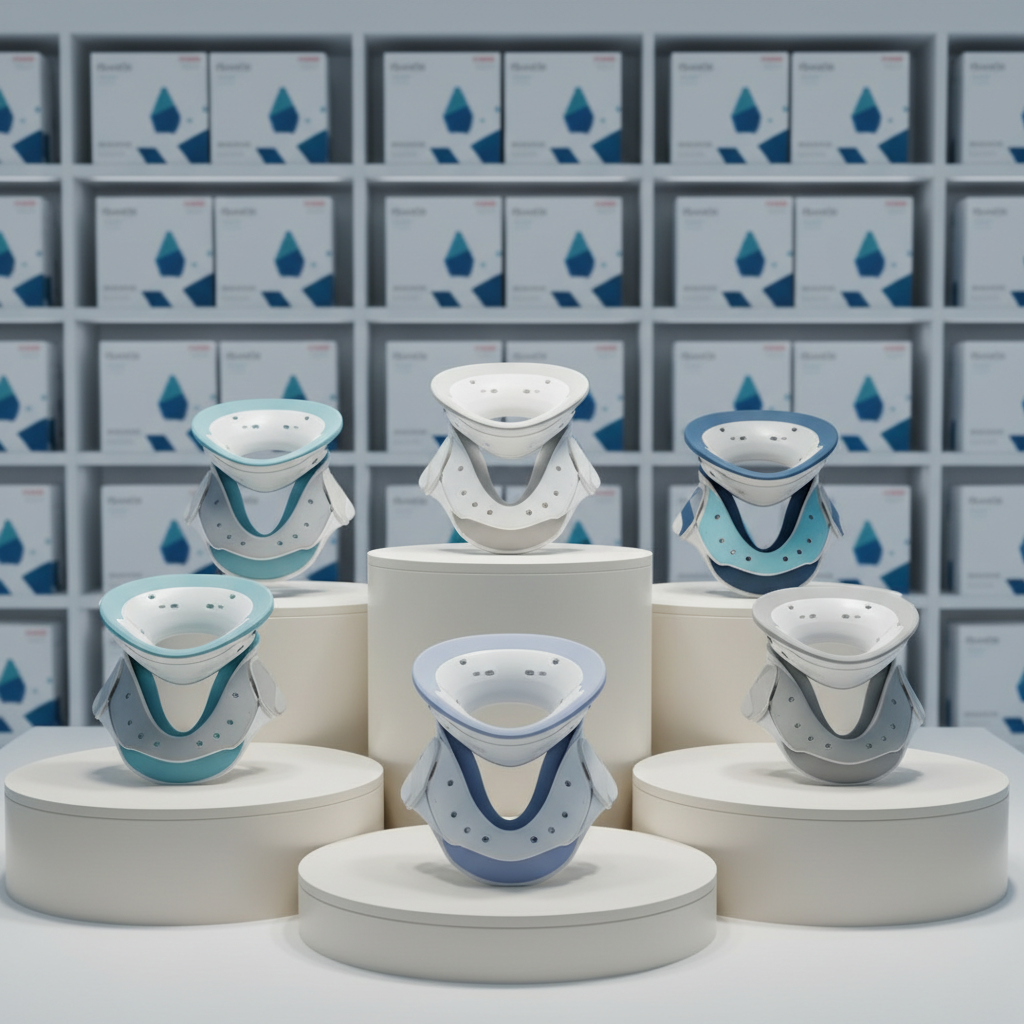
Understanding the nuances of different bracing options allows healthcare providers and patients to transition from acute stabilization to functional recovery more effectively. Whether utilizing a soft foam collar for minor sprains or a rigid brace for post-surgical immobilization, the primary goal remains the same: providing a secure environment for the neck to heal while maintaining the patient's dignity and quality of life.
Global Industry Context of Cervical Collar Neck Brace
The global market for the cervical collar neck brace is increasingly influenced by an aging population and a rise in road traffic accidents worldwide. According to data aligned with WHO standards, musculoskeletal disorders are a leading cause of disability, with cervical spine issues contributing significantly to lost productivity and healthcare burdens. This has pushed manufacturers to shift from "one-size-fits-all" models to anatomically precise, adjustable systems that cater to diverse patient demographics.
Industrialization and the digital era have introduced "tech-neck"—a chronic condition resulting from prolonged smartphone use—creating a new demographic of users requiring supportive bracing. The challenge now lies in balancing the rigid immobilization required for acute trauma with the breathable, ergonomic support needed for chronic management, ensuring that the brace assists recovery without causing muscle atrophy.
Definition and Clinical Significance of Neck Bracing
In simple terms, a cervical collar neck brace is a medical device designed to support the neck and limit the movement of the cervical spine. By stabilizing the vertebrae, it prevents the head from moving in directions that could exacerbate an injury, such as flexion, extension, or lateral rotation. This is critical in preventing permanent neurological damage during the "golden hour" following a traumatic event.
Beyond emergency stabilization, these braces serve a vital role in modern rehabilitative medicine. They act as a mechanical bridge, allowing the surrounding ligaments and muscles to recover by offloading the weight of the skull. This reduces the metabolic demand on strained tissues and provides the necessary stability for bone grafts or surgical fusions to set correctly.
From a humanitarian perspective, accessible and lightweight bracing is essential for field hospitals and disaster relief zones. In regions where advanced surgical options are limited, a high-quality cervical collar neck brace can be the difference between a patient regaining mobility or suffering lifelong paralysis, underscoring its role as a fundamental piece of life-saving equipment.
Key Factors in High-Quality Brace Design
The primary factor in any effective cervical collar neck brace is anatomical precision. A brace must contour perfectly to the jawline and the base of the clavicle to ensure that the load is distributed evenly. If a brace is too tight, it risks compromising the airway or causing skin breakdown; if too loose, it fails to provide the necessary immobilization.
Material biocompatibility and breathability are equally crucial. Modern braces utilize medical-grade EVA foam, perforated plastics, and moisture-wicking fabrics to prevent dermatitis and overheating. Since patients may need to wear a cervical collar neck brace for weeks or months, the ability of the material to manage sweat and airflow directly impacts patient compliance and recovery speed.
Finally, adjustability and scalability allow a single product line to fit various neck circumferences and heights. High-end models often feature dual-strap systems or modular inserts, ensuring that the brace remains effective even as inflammation subsides and the patient's neck dimensions change during the healing process.
Global Applications and Use Cases
The application of the cervical collar neck brace spans multiple sectors, from high-intensity sports medicine in North America to geriatric care in Europe. In professional athletics, particularly in contact sports like American football or rugby, these braces are used both for immediate post-concussion stabilization and as part of a structured recovery protocol to prevent recurring whiplash injuries.
In industrial settings, such as mining or heavy manufacturing, cervical braces are employed after workplace accidents to ensure workers can be transported safely to medical facilities without risking further spinal misalignment. Similarly, in post-disaster relief operations conducted by NGOs, lightweight, easy-to-apply collars are deployed in earthquake zones to stabilize victims before they can be airlifted to specialized trauma centers.
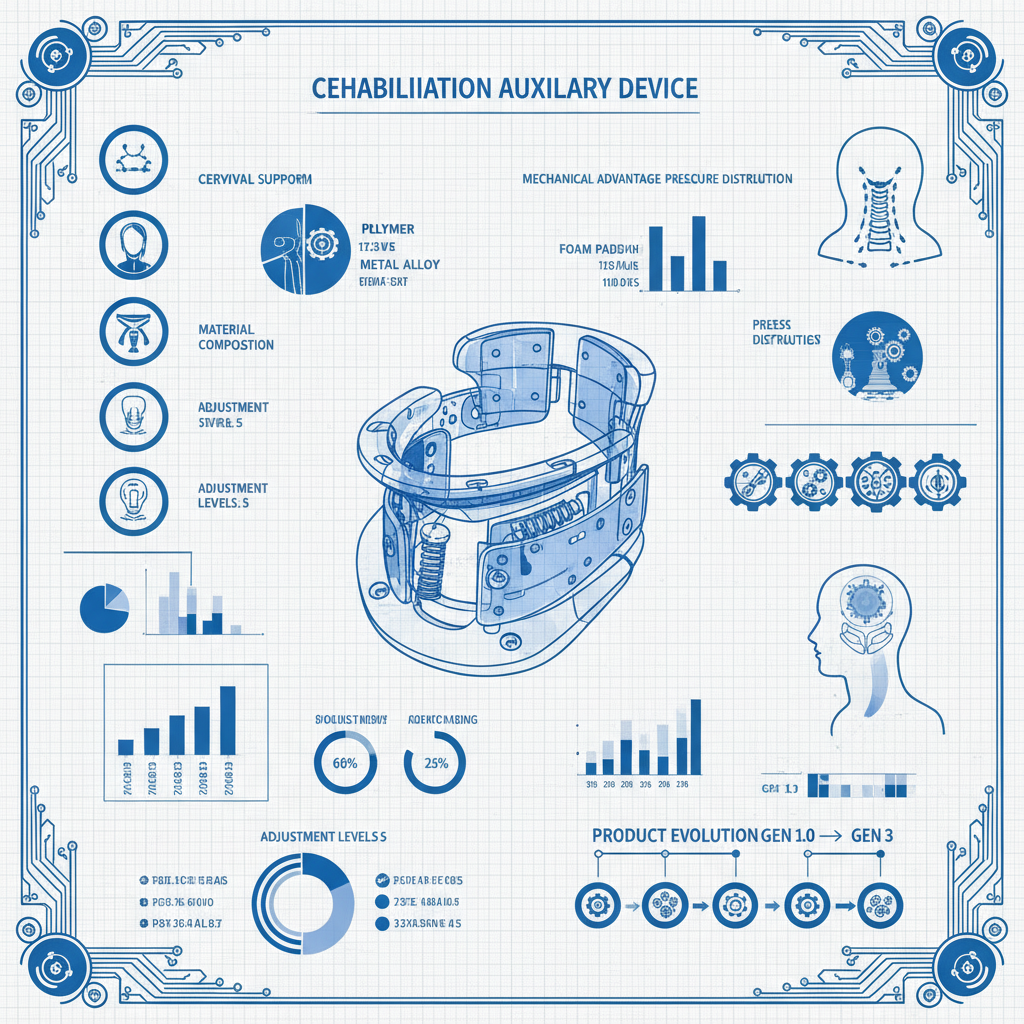
Effectiveness Comparison of Cervical Support Methods
Long-Term Value and Patient Advantages
The true value of a cervical collar neck brace extends beyond immediate stabilization to the preservation of long-term neurological function. By preventing the micro-movements that can lead to chronic inflammation or permanent nerve impingement, these devices significantly reduce the likelihood of lifelong chronic pain and the need for invasive corrective surgeries.
Psychologically, the use of a reliable brace provides patients with a sense of security and autonomy. Knowing that their spine is protected allows patients to engage more confidently in assisted mobilization and physical therapy, which are critical for preventing the muscle atrophy often associated with total immobilization. This balance of safety and progressive movement fosters a faster return to professional and social life.
Future Trends in Cervical Orthotics
The future of the cervical collar neck brace is leaning heavily toward "smart" materials and personalized fabrication. We are seeing the integration of 3D scanning and additive manufacturing (3D printing), which allows for a brace to be custom-printed based on a patient's exact MRI or CT scan. This eliminates pressure points entirely and ensures a level of immobilization that was previously impossible with off-the-shelf products.
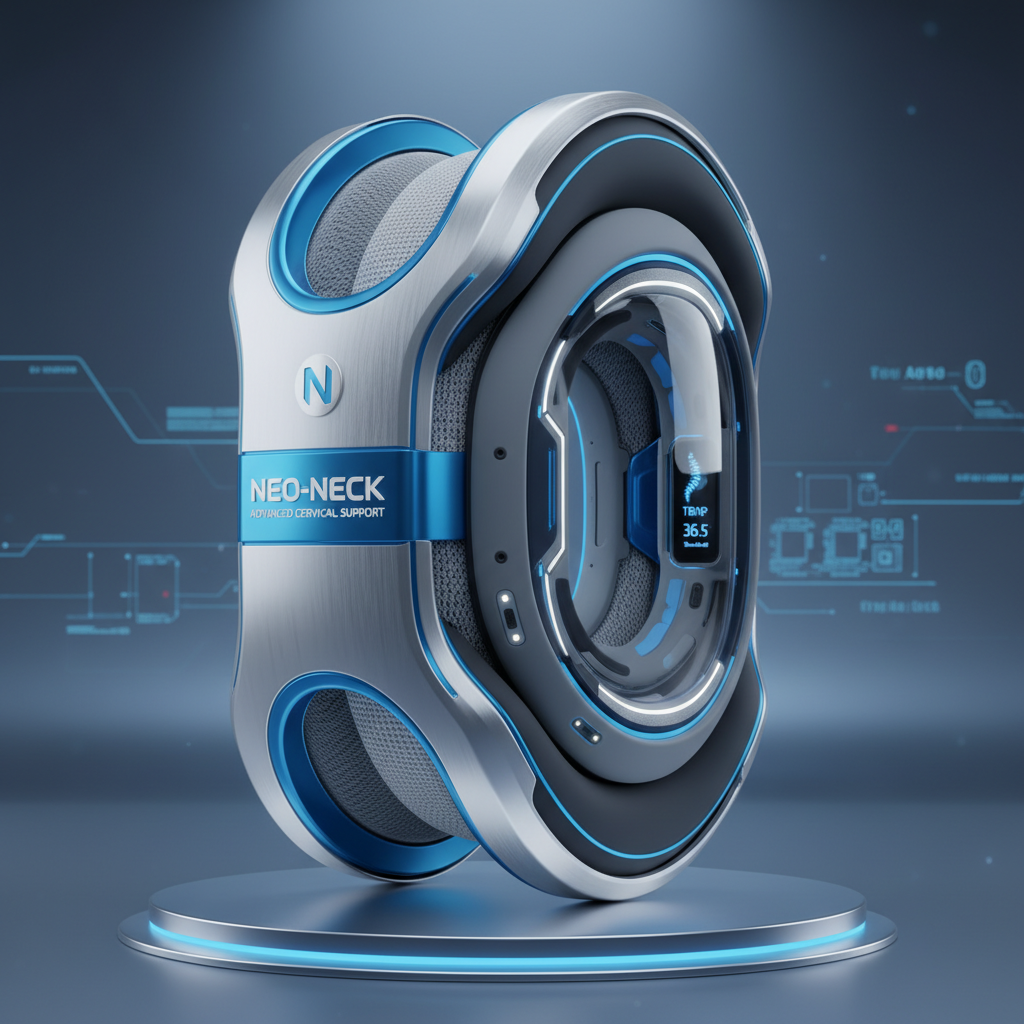
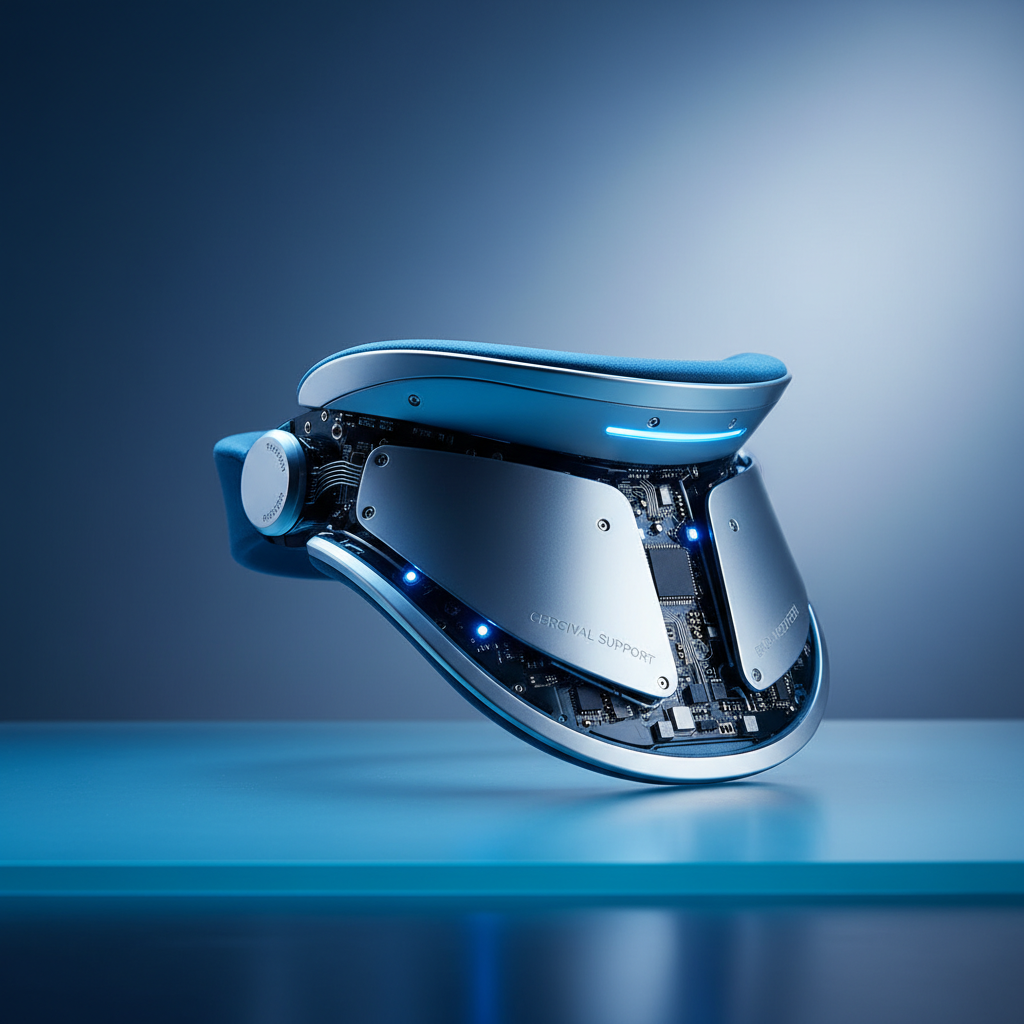
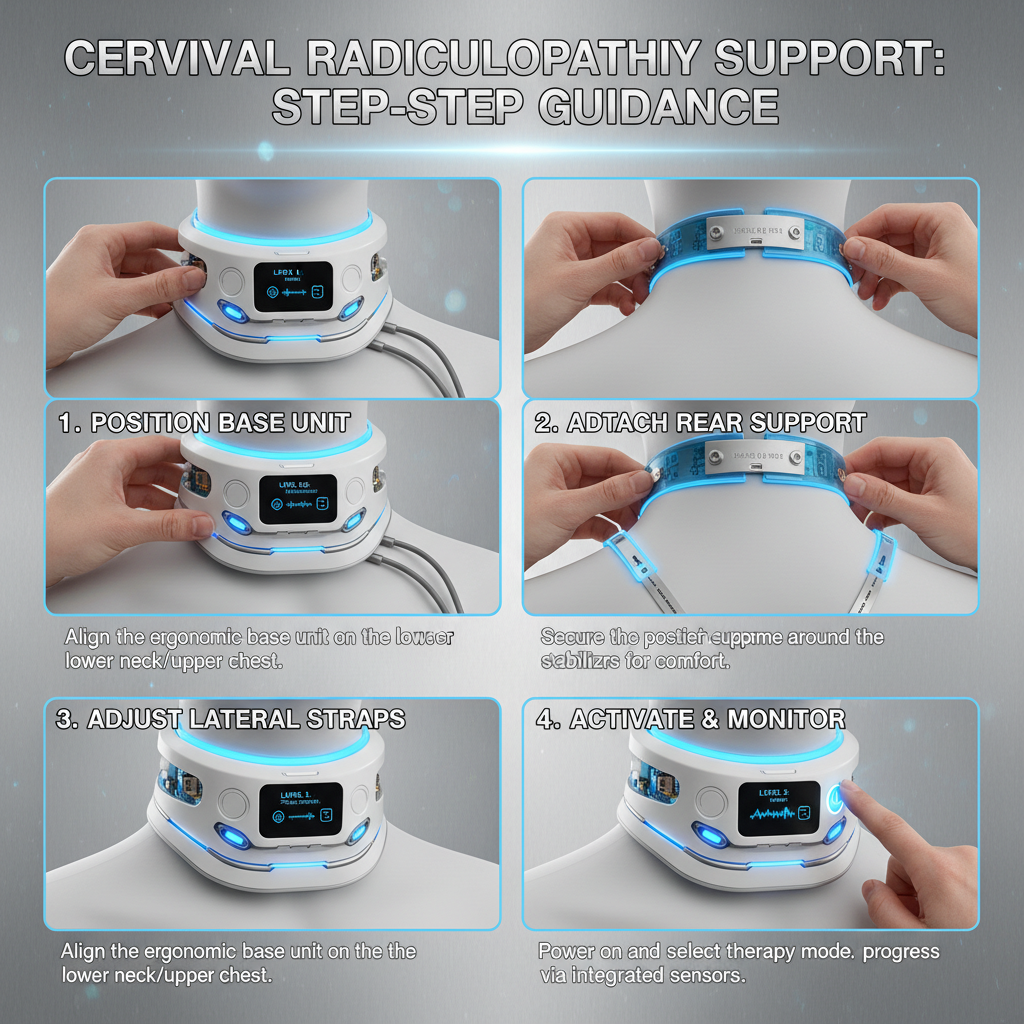
Furthermore, the integration of wearable sensors is on the horizon. Future braces may include embedded strain gauges and accelerometers that alert physicians via a mobile app if a patient has moved their neck beyond a safe threshold or if the brace has become loose. This digital transformation shifts the brace from a passive support tool to an active monitoring device.
Sustainability is also becoming a core focus. The industry is moving away from non-recyclable plastics toward bio-based polymers and recycled medical-grade foams. These "green" orthotics maintain the same structural integrity as traditional materials while reducing the environmental footprint of disposable emergency collars used in high volumes by first responders.
Challenges and Professional Solutions
One of the most persistent challenges with the cervical collar neck brace is the risk of skin maceration and pressure sores, particularly in elderly patients with fragile skin. To combat this, experts recommend a tiered layering system—using a soft, hypoallergenic liner beneath a rigid external shell—and scheduling regular skin checks to ensure the brace is not causing ischemia.
Another common issue is patient non-compliance due to discomfort or the social stigma of wearing a visible brace. The solution lies in "discreet design" engineering, where the bulk of the brace is minimized without sacrificing support, and the use of neutral, skin-tone colors that allow the device to blend in under clothing.
Lastly, the risk of muscle atrophy during prolonged use is a clinical concern. To solve this, orthopedists are increasingly adopting "weaning protocols," where the rigid cervical collar neck brace is gradually replaced by a soft collar, and finally by targeted isometric exercises. This ensures that the muscles of the neck regain their strength and stability organically.
Comparison of Cervical Brace Specifications by Clinical Need
|
Brace Type
|
Level of Immobilization
|
Primary Material
|
Clinical Application
|
| Soft Foam Collar |
Low (Supportive) |
Polyurethane Foam |
Whiplash, Minor Sprains |
| Philadelphia Collar |
Moderate to High |
Rigid Plastic/Foam |
Post-Op Stabilization |
| Miami J Collar |
High |
Composite Plastic |
Cervical Fracture |
| Aspen Collar |
Very High |
Ventilated Polymer |
Severe Trauma/Fusion |
| Halovest |
Absolute |
Metal/Polycarbonate |
Unstable Fractures |
| Custom 3D Brace |
Tailored |
TPU / Bio-Polymer |
Complex Deformities |
FAQS
The duration depends entirely on your specific injury and your doctor's prescription. For acute fractures, a brace may be required 24/7 for several weeks. For chronic strain or "tech-neck," it might only be worn for 2-4 hours during high-stress activities. Always follow a clinical weaning schedule to avoid muscle atrophy.
No, they serve different purposes. A soft collar provides reminder-level support and comfort for minor sprains, whereas a rigid cervical collar neck brace is necessary for actual immobilization of the vertebrae. Using a soft collar for a severe fracture could lead to permanent spinal injury.
A properly fitted brace should feel secure but not restrictive. If you experience difficulty swallowing, shortness of breath, or numbness in your fingertips, it is likely too tight. If your chin slides down or you can easily tilt your head, it is too loose and requires adjustment.
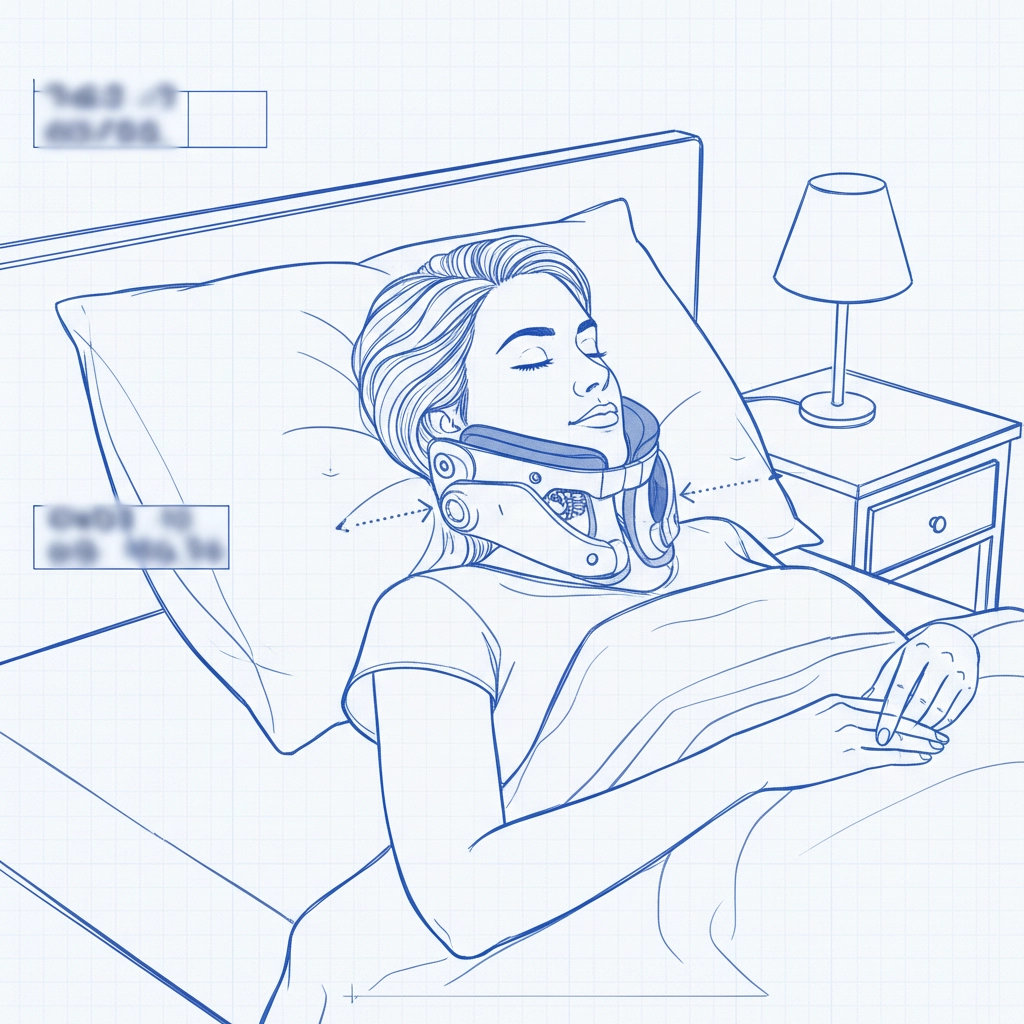
In most post-surgical or trauma cases, sleeping in the brace is mandatory to prevent accidental movement during the night. However, you should use a supportive pillow that keeps your spine neutral. Consult your surgeon to see if your specific brace model is approved for overnight use.
Most medical collars have removable liners. These should be hand-washed with mild, fragrance-free soap and air-dried. For the rigid components, wipe them down with a damp cloth and a mild disinfectant. Avoiding harsh chemicals prevents the material from degrading and reduces the risk of contact dermatitis.
Driving in a rigid cervical collar neck brace can be dangerous because it severely limits your peripheral vision and your ability to check blind spots. You should only drive if cleared by your doctor and should use additional mirrors to compensate for the restricted head movement.
Conclusion
The cervical collar neck brace remains a cornerstone of orthopedic care, bridging the gap between critical trauma intervention and full functional recovery. By integrating anatomical precision, breathable materials, and strategic immobilization, these devices not only protect the spinal cord but also enhance the overall quality of life for patients recovering from complex cervical injuries.
Looking forward, the shift toward 3D-printed customization and sensor-integrated "smart" braces will further personalize patient care, reducing complications and accelerating recovery times. For those seeking professional-grade support, investing in a high-quality, clinically validated brace is the most reliable path toward long-term spinal health. Visit our website for more information: www.jhorthopedic.com