BodyWellness Posture Corrector – Adjustable Back Support
Posture Tech That Actually Fits Your Day: A Field Look at the Bodywellness Posture Corrector
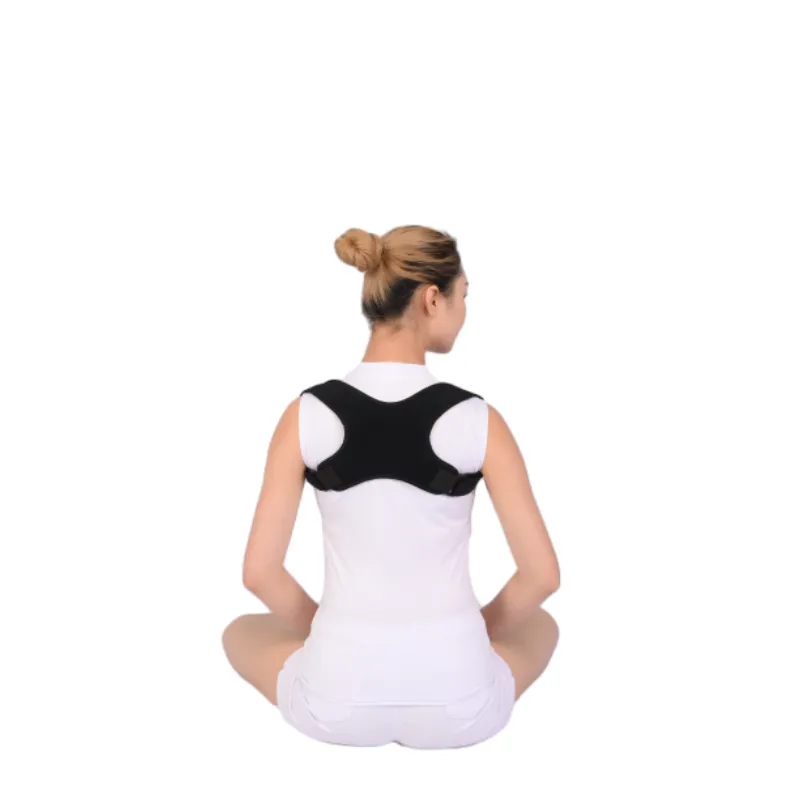
The work-anywhere era made slouching a national pastime. I’ve tested a string of braces and bands, and—honestly—most end up in a drawer. The Bodywellness Posture Corrector (manufactured in No.240 Xingying West Street, Anping County, Hebei Province, China) aims at a sweet spot: gentle spinal guidance, especially for mild kyphosis, without turning your torso into a scaffold. It’s part of a wider trend: soft orthoses, data-light (no batteries), designed for sustained wear instead of flashy “fixes.”
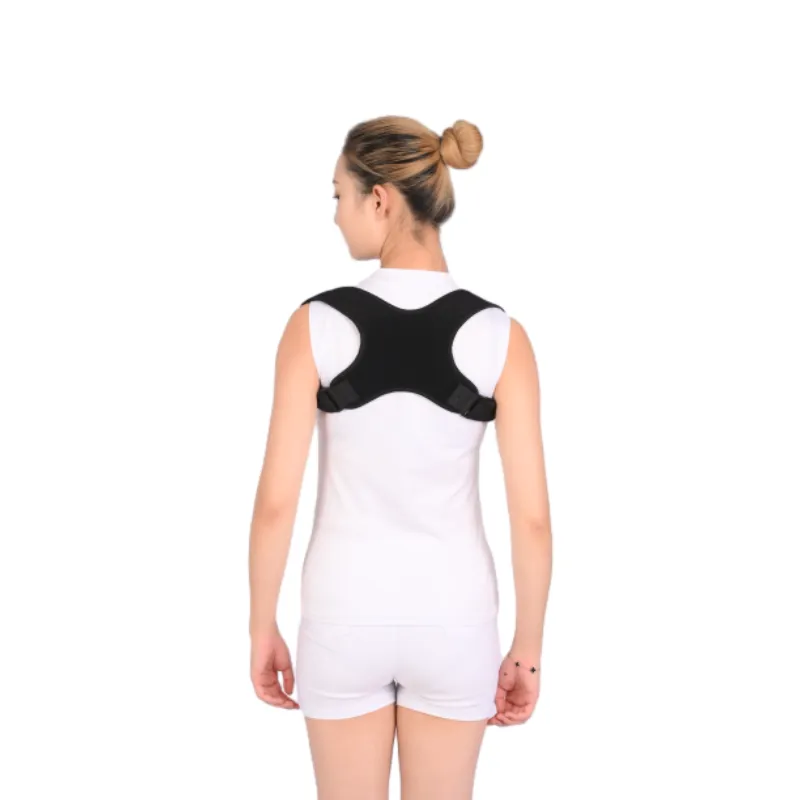
What it is, and how it helps
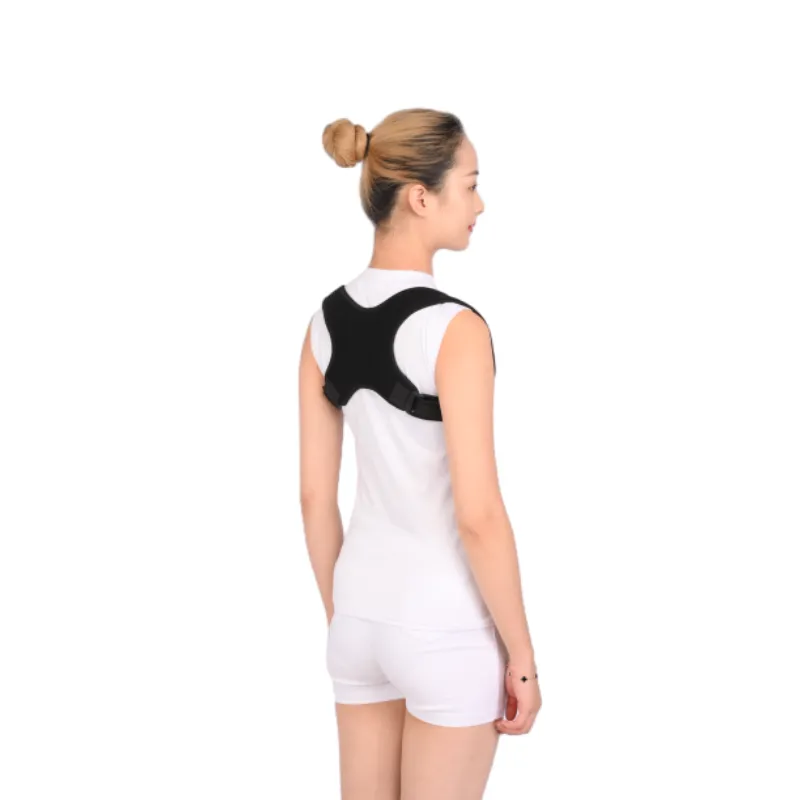
Think cross-strap belt with adjustable tension that nudges the shoulders and thoracic region into a more neutral line. It’s not a medical cure—more a training wheel for posture habits. Many customers say it “reminds without biting,” which, in practical terms, means the elastic resistance is noticeable but not punishing. Surprisingly, that’s rare.
Real-world specs
| Core Materials | Breathable mesh nylon, spandex elastics, neoprene pads; hook-and-loop closures |
| Sizing & Fit | Unisex; adjustable torso/shoulder straps; fits ≈ 28–48 in chest (real-world use may vary) |
| Typical Tension Range | Low-to-moderate corrective pull, calibrated for mild kyphosis support |
| Weight | ≈ 220–280 g depending on size |
| Service Life | ≈ 12–18 months with daily use; hook-and-loop longevity tested to >5,000 cycles (in-house) |
Process flow and quality checks
Materials: nylon/spandex webbing, neoprene shoulder pads, breathable mesh. Optional OEKO-TEX Standard 100-grade textiles (confirm per batch).
Manufacturing: pattern cutting → elastic webbing preparation → bar-tack stress stitching → heat-bonded pad lamination → hook-and-loop application → edge binding → final trim.
Testing standards (typical): ISO 13934-1 (tensile strength of fabrics), ISO 13937 (tear), ASTM D4966 (Martindale abrasion), ISO 105-C06 (colorfastness to washing). Example in-house data: tensile > 600 N on main straps; abrasion > 20,000 cycles on pad fabric. Documents available on request; real-world wear varies.
Compliance & certifications: For many markets, posture belts fall under Class I medical device or wellness accessory—rules differ by jurisdiction. Vendor indicates ISO 13485-managed production and CE self-declaration options where applicable; buyers should verify certificates and local registration requirements before distribution.
When it’s useful
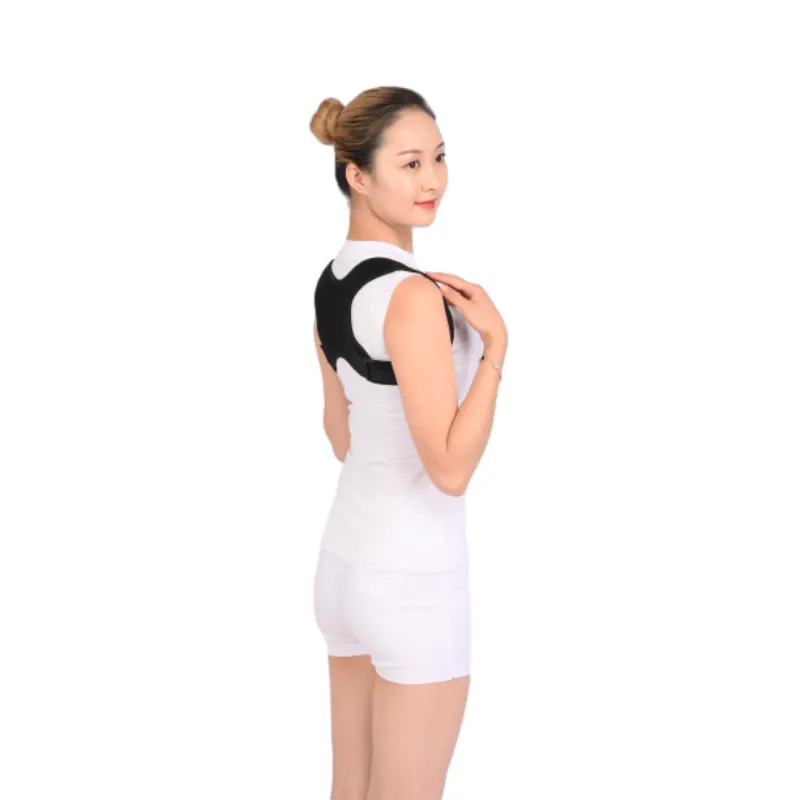
- Desk workers and students needing gentle posture cues during long sessions.
- Drivers or warehouse staff with repetitive forward postures.
- Light postural training in wellness programs; post-injury only under clinician guidance.
- Pre-gym warm-ups to “set” scapular position (short wear times).
Vendor comparison (quick take)
| Vendor | Materials | Adjustability | Cert/Docs | Lead Time | MOQ |
|---|---|---|---|---|---|
| Bodywellness Posture Corrector | Nylon/spandex + neoprene pads | Multi-point straps | ISO/CE docs on request | ≈ 15–25 days | ≈ 200–500 |
| Generic A | Polyester webbing | Basic | Limited | ≈ 30–40 days | ≥ 1,000 |
| Brand B | Nylon/elastane premium | Micro-adjust | Full pack | ≈ 10–20 days | ≈ 100 |
Customization
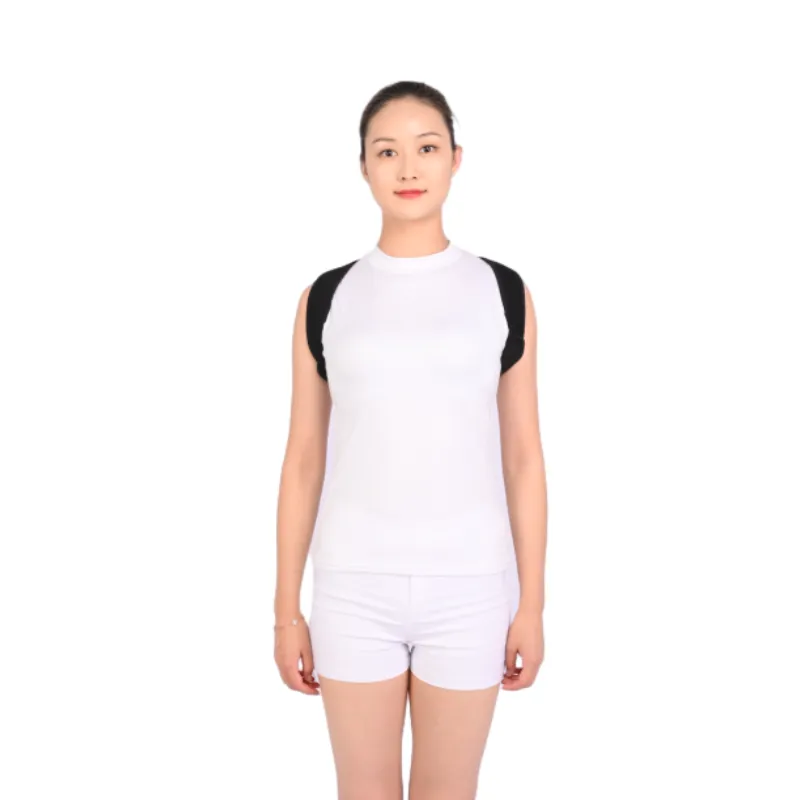
Logo/labeling, strap width (40–60 mm), pad density, colorways, retail packaging, and recycled textile options. Private labeling supported; ask for spec sheets and REACH/RoHS chemical declarations if needed.
Mini case studies
Tech Hub (45 units): Employees wore the Bodywellness Posture Corrector 30–60 minutes/day for two weeks. Self-reported discomfort scores dropped ≈ 22%. Biggest win: “It reminds me to sit tall without nagging.”
3PL Warehouse (120 units): Paired with ergonomics training; supervisors noted fewer “rounded-shoulder” observations during pick cycles after week three. Not a silver bullet—just a consistent cue.
Final take
If you want a wearable nudge—not a rigid brace—the Bodywellness Posture Corrector earns its keep. It fits into normal routines and, to be honest, that’s half the battle. As always, consult a clinician for persistent pain or spinal conditions beyond mild kyphosis.
References
- American Academy of Orthopaedic Surgeons: Kyphosis Overview. https://orthoinfo.aaos.org/
- ISO 13934-1: Textiles — Tensile properties of fabrics — Part 1. https://www.iso.org/standard/53328.html
- ASTM D4966: Standard Test Method for Abrasion Resistance (Martindale). https://www.astm.org/d4966
- ISO 105-C06: Textiles — Tests for colour fastness — Part C06. https://www.iso.org/standard/44976.html
-
Comprehensive Guide to Making Arm Sling – Durable Orthopedic Solutions for B2B BuyersNews Jan.05,2026
-
What Is A Arm Sling Used For – Key Insights from JH OrthopedicNews Dec.11,2025
-
What Injuries Need An Arm Sling – Industry Overview & Best Choices for B2B BuyersNews Dec.11,2025
-
What Are Arm Slings Used For? Benefits and Vendor ComparisonNews Dec.11,2025
-
Purpose of Arm Sling | Support & Recovery EssentialsNews Dec.10,2025
-
Making A Sling For Your Arm: Durable, Comfortable Solutions for Medical ProfessionalsNews Dec.10,2025