Comprehensive Guide to Thumb Splint Wraps for Pain Relief and Recovery
Choosing the Right Thumb Splint Wrap: A Comprehensive Guide
Dealing with thumb pain can significantly impact daily life. A thumb splint wrap provides crucial support and immobilization, aiding in recovery from injuries like sprains, strains, or arthritis. This article will explore the benefits of thumb splint wraps, different types available, how to choose the right one, and important considerations for effective use. Understanding your options is the first step toward regaining comfort and functionality. We will cover features that matter for both everyday support and more intensive rehabilitation.
What is a Thumb Splint Wrap and Why Use One?
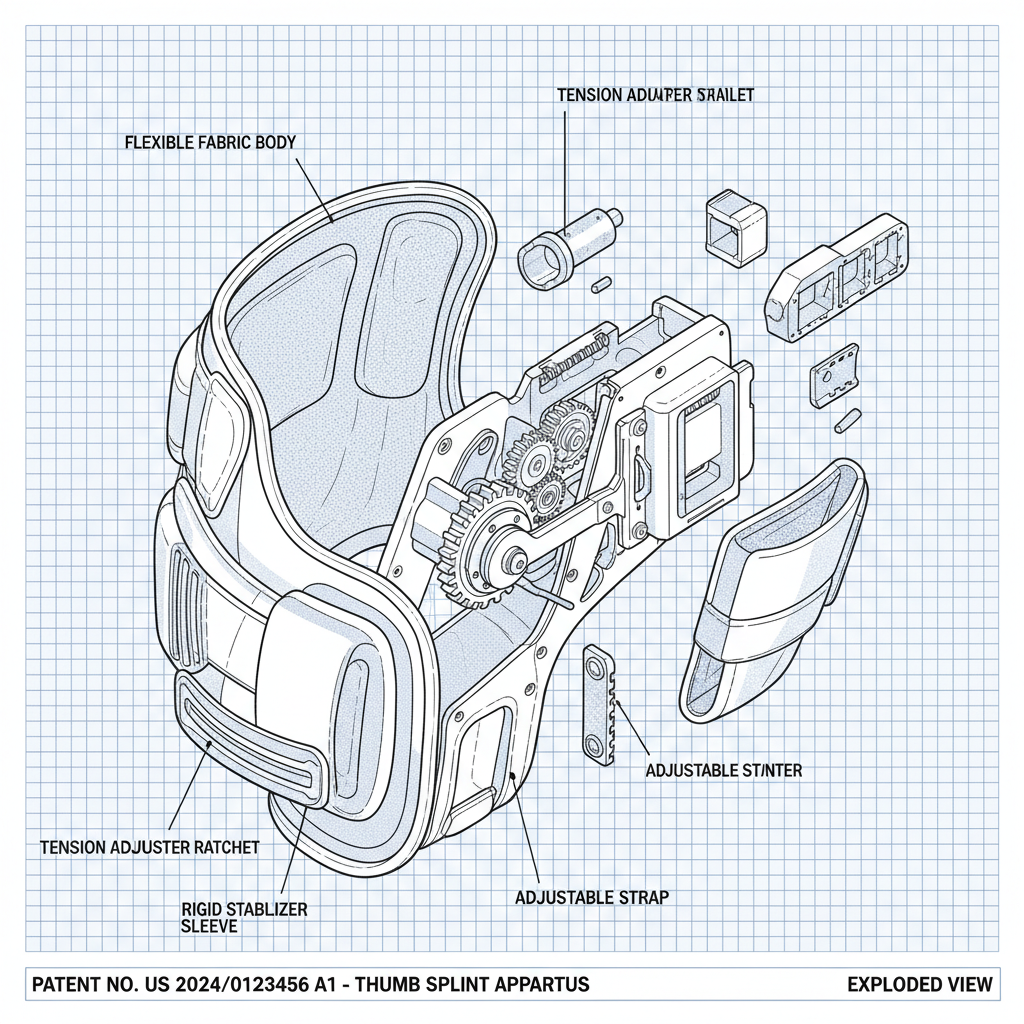
A thumb splint wrap is a supportive device designed to immobilize and protect the thumb joint. It's commonly used to treat conditions such as De Quervain's tenosynovitis, sprains, strains, arthritis, and post-operative recovery. By restricting movement, the wrap allows injured tissues to heal properly. It also helps to reduce pain and inflammation. Beyond injury, a thumb splint wrap can offer preventative support during activities that put stress on the thumb, such as gaming or certain sports. Choosing the correct splint is essential for achieving desired results and promoting optimal healing.
Key Benefits: Supports thumb and wrist, reduces pain and inflammation, promotes healing, prevents re-injury, provides comfort during activities.
Types of Thumb Splint Wraps
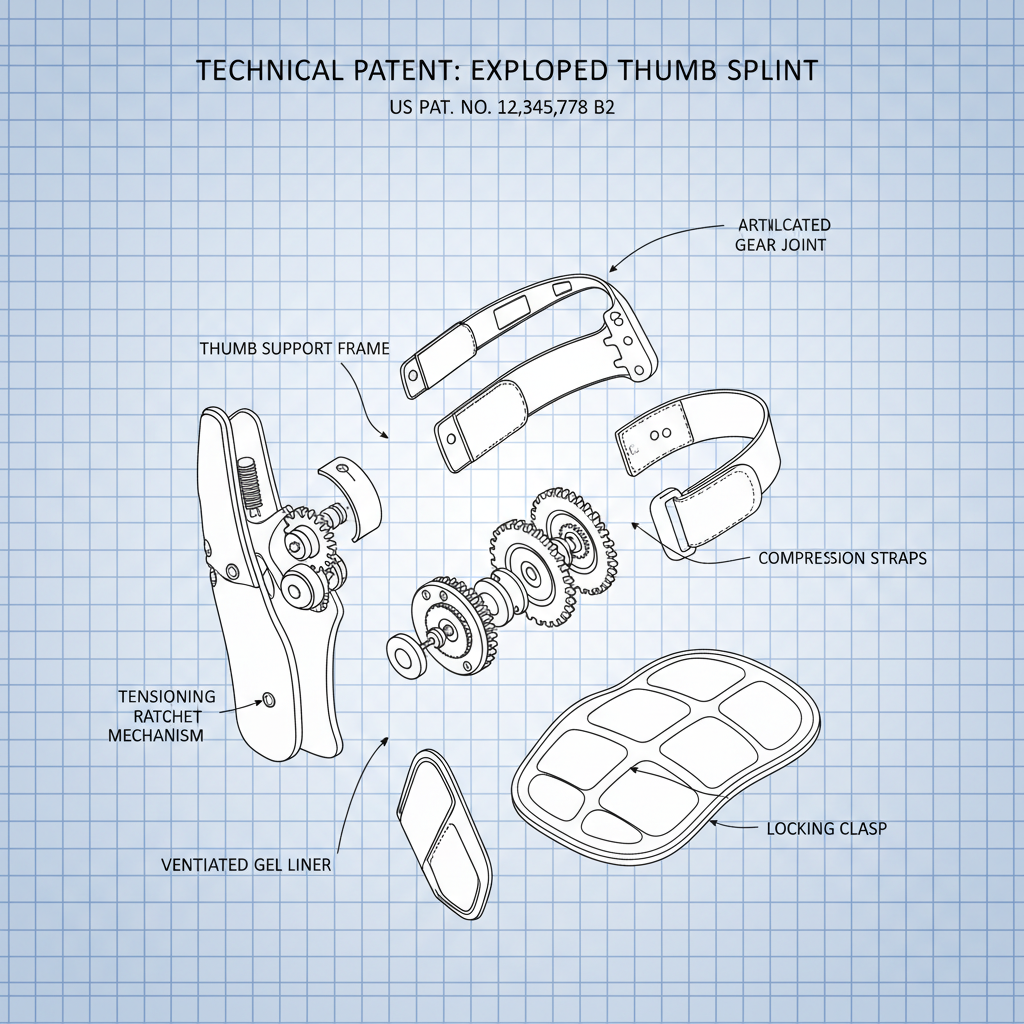
There are several types of thumb splint wraps available, each with its own advantages. These include: Rigid splints, offering maximum immobilization; Soft splints, providing more flexibility and comfort; Adjustable splints, allowing customization of compression and support; and Wraparound splints, easy to apply and remove. The best choice depends on the severity of the injury, the level of support needed, and personal preference. At JH Orthopedic, we offer a variety of options to suit diverse needs.
Splint Type Overview:
• Rigid: Maximum immobilization, best for severe injuries.
• Soft: Comfortable, allows some movement, suitable for mild injuries.
• Adjustable: Customizable compression, ideal for varying levels of support.
• Wraparound: Easy application, convenient for daily use.
Choosing the Right Thumb Splint Wrap
Selecting the right thumb splint wrap involves considering several factors. The severity of your injury is paramount – more severe injuries require more rigid support. Your activity level also plays a role; if you need to perform tasks while wearing the splint, a soft or adjustable model might be preferable. Proper sizing is crucial for comfort and effectiveness. Consulting with a healthcare professional can help you determine the best type and size for your specific condition.
Proper Use and Care of Your Thumb Splint Wrap
To maximize the benefits of your thumb splint wrap, follow these guidelines. Ensure the splint is properly fitted and adjusted according to the manufacturer’s instructions. Avoid over-tightening, which can restrict circulation. Clean the splint regularly with mild soap and water. Replace the splint if it becomes damaged or worn. Listen to your body; if you experience increased pain or discomfort, consult with your healthcare provider.
JH Orthopedic: Your Trusted Source for Thumb Support
At JH Orthopedic, we are committed to providing high-quality, effective solutions for thumb pain and injury. We offer a comprehensive selection of thumb splint wraps designed to meet a variety of needs. Our products are made from durable, comfortable materials and are backed by expert support. Browse our collection today and find the perfect thumb splint wrap to help you regain your hand function and live pain-free.
Conclusion: Find Relief and Support with the Right Thumb Splint Wrap
Choosing the correct thumb splint wrap is a crucial step in managing thumb pain and promoting healing. By understanding the different types available and considering your individual needs, you can find the support you deserve. Explore the extensive range of options available at JH Orthopedic to discover the perfect solution for your thumb injury or condition. Don’t let thumb pain limit your life – take control and find lasting relief.
Frequently Asked Questions (FAQs)
How long should I wear a thumb splint wrap each day?
The duration of wear depends on the severity of your injury and your healthcare provider's recommendations. Generally, it's advised to wear the splint as much as possible during activities that aggravate your thumb pain. This may mean wearing it for several hours a day, or even continuously for the first few weeks. As your symptoms improve, you may be able to gradually reduce the wearing time. However, it’s vital to follow your doctor’s instructions. Ignoring pain signals and continuing to stress the thumb can delay healing.
Can I wash my thumb splint wrap?
Yes, most thumb splint wraps are washable, but it's important to check the manufacturer's instructions first. Generally, hand-washing with mild soap and cool water is recommended. Avoid using harsh detergents, bleach, or machine washing, as these can damage the materials. Ensure the splint is completely dry before wearing it again. Regular cleaning helps prevent the buildup of bacteria and keeps the splint hygienic.
What are the signs I need to replace my thumb splint wrap?
Signs that your thumb splint wrap needs replacing include visible damage such as cracks, tears, or worn-out straps. If the splint loses its shape or no longer provides adequate support, it’s time for a replacement. Another sign is if the material becomes excessively stretched or compressed, compromising its effectiveness. Don’t continue using a damaged splint, as it won't provide the necessary protection and support.
Will a thumb splint wrap hinder my range of motion permanently?
A properly fitted and used thumb splint wrap should not hinder your range of motion permanently. Its purpose is to temporarily immobilize the thumb to promote healing, not to restrict movement indefinitely. Once your injury has healed, and with guidance from a healthcare professional, you can gradually regain your full range of motion through targeted exercises and rehabilitation. Prolonged, unnecessary immobilization can potentially lead to stiffness, so it's important to follow a prescribed rehabilitation plan.
-
Thumb Spica Belt Guide for Thumb Stabilization and RecoveryNews Apr.16,2026
-
Soft Thumb Spica Guide for Effective Thumb Stabilization and HealingNews Apr.09,2026
-
Comprehensive Guide to Hand Spica Casts for Effective Injury RecoveryNews Apr.07,2026
-
Benefits of a Custom Thumb Spica for Optimal Hand RecoveryNews Apr.04,2026
-
Experience Ultimate Comfort Cool Thumb Spica for Wrist and Thumb SupportNews Mar.31,2026
-
Comprehensive Guide to Choosing the Right Youth Thumb Splint for Effective HealingNews Mar.28,2026