Cervical collars for herniated discs represent a crucial intervention in managing neck pain and instability stemming from disc degeneration or rupture. Globally, the prevalence of neck pain is substantial, impacting quality of life and productivity. A 2023 study by the Global Burden of Disease project indicated that neck pain affects over 300 million people worldwide. The increasing sedentary lifestyles and aging populations contribute to a rising incidence of herniated discs, driving the demand for effective immobilization and support solutions like cervical collars. Understanding the appropriate application and features of these collars is paramount for optimal patient outcomes.
In the medical device industry, specifically within the rehabilitation aids manufacturing sector, cervical collars for herniated discs are a cornerstone of conservative treatment protocols. These devices aim to limit movement, reducing pressure on the affected nerve roots and facilitating healing. The need for these solutions arises not only from acute injuries but also from chronic degenerative conditions. Furthermore, advancements in materials and design are constantly refining the efficacy and comfort of cervical collars.
A well-chosen cervical collar for herniated disc can dramatically improve a patient’s recovery trajectory, minimizing the need for more invasive interventions such as surgery. This proactive approach to treatment is not only beneficial for individuals but also translates into significant cost savings for healthcare systems globally.
Introduction to Cervical Collars for Herniated Discs
A cervical collar for herniated disc plays a critical role in the non-surgical management of cervical radiculopathy, a condition caused by compression of nerve roots in the neck due to a herniated disc. These collars provide external support, limiting range of motion and reducing stress on the cervical spine, thereby alleviating pain and promoting healing. The effective use of a cervical collar for herniated disc can significantly improve a patient's quality of life.
Selecting the appropriate type of cervical collar—ranging from soft foam models to rigid thermoplastic options—depends on the severity of the herniation, the patient's symptoms, and individual needs. Proper fitting and education on usage are equally important to ensure optimal therapeutic benefit and prevent complications.
Defining Cervical Collars for Herniated Discs
A cervical collar for herniated disc is a medical device worn around the neck to provide support and restrict movement. It’s designed to immobilize the cervical spine, reducing pressure on the compressed nerve root caused by the herniated disc. This immobilization aims to alleviate pain, prevent further damage, and allow the body's natural healing processes to occur. Different types exist, categorized by their rigidity and the level of support they offer.
The connection to modern industry lies in the continuous development of materials science and manufacturing techniques. Advances in polymers, foams, and fastening systems have led to more comfortable, adjustable, and effective cervical collars. Furthermore, the integration of digital design and 3D printing technologies is allowing for customized solutions tailored to individual patient anatomy.
From a humanitarian perspective, access to affordable and effective cervical collars can be critical in regions with limited healthcare resources. Providing support for patients with herniated discs reduces pain and improves functional capacity, enabling them to maintain livelihoods and participate more fully in community life.
Key Factors in Cervical Collar Design
Several key factors determine the effectiveness of a cervical collar for herniated disc. Support Rigidity is paramount – ranging from soft collars offering minimal restriction to rigid models providing maximal immobilization. The appropriate level of rigidity depends on the severity of the condition and the patient’s individual needs. Ensuring adequate support minimizes movement that could exacerbate pain or impede healing.
Comfort and Fit are equally crucial. A poorly fitted collar can cause skin irritation, pressure sores, and discomfort, leading to non-compliance. Adjustability features and breathable materials contribute to improved comfort and patient adherence. A comfortable collar is more likely to be worn consistently, maximizing its therapeutic benefits.
Material Composition impacts both comfort and durability. Modern collars utilize hypoallergenic materials like polyethylene foam, breathable fabrics, and durable plastics. These materials provide support, minimize skin irritation, and withstand repeated use. The choice of material also influences the collar’s weight and overall profile.
Global Applications of Cervical Collars
Cervical collars for herniated discs find widespread application across diverse healthcare settings globally. They are routinely used in hospitals, rehabilitation centers, orthopedic clinics, and primary care physician offices. In developed countries, these collars are often integrated into comprehensive treatment plans following diagnosis via MRI or CT scans.
In developing nations, where access to advanced imaging and surgical interventions may be limited, cervical collars frequently serve as a first-line treatment option for managing neck pain and radiculopathy. NGOs and humanitarian organizations often include these devices in medical supply kits deployed to disaster-affected areas or regions with limited healthcare infrastructure.
Effectiveness of Different Cervical Collar Types for Herniated Disc
Advantages and Long-Term Value
The advantages of utilizing a cervical collar for herniated disc extend beyond immediate pain relief. Cost-effectively, a collar represents a significantly less expensive treatment option compared to surgical intervention or prolonged physical therapy. This affordability makes it accessible to a wider population, particularly in resource-constrained settings.
From a sustainability standpoint, the relatively low energy consumption associated with manufacturing and distributing cervical collars contrasts favorably with the environmental impact of surgical procedures. Furthermore, successful non-surgical management reduces the strain on healthcare systems, freeing up resources for other critical needs.
Future Trends in Cervical Collar Technology
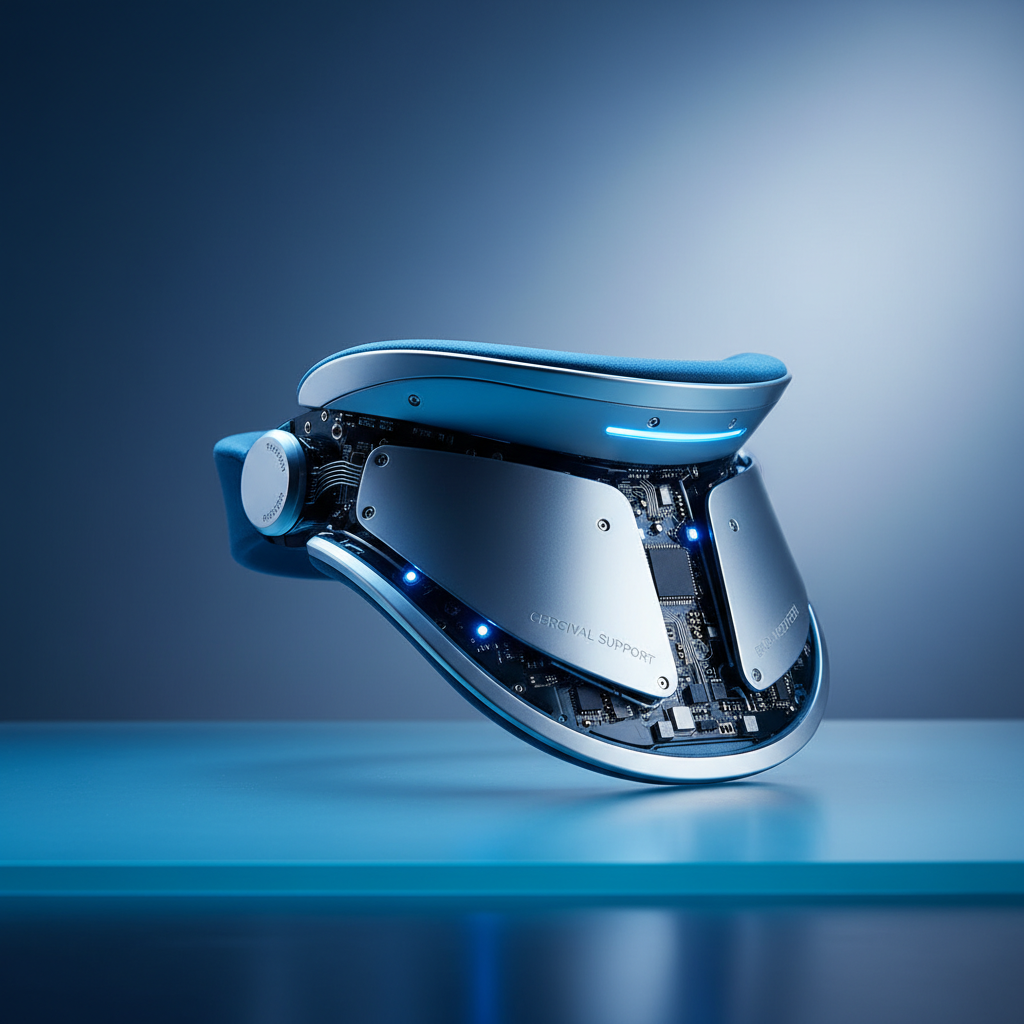
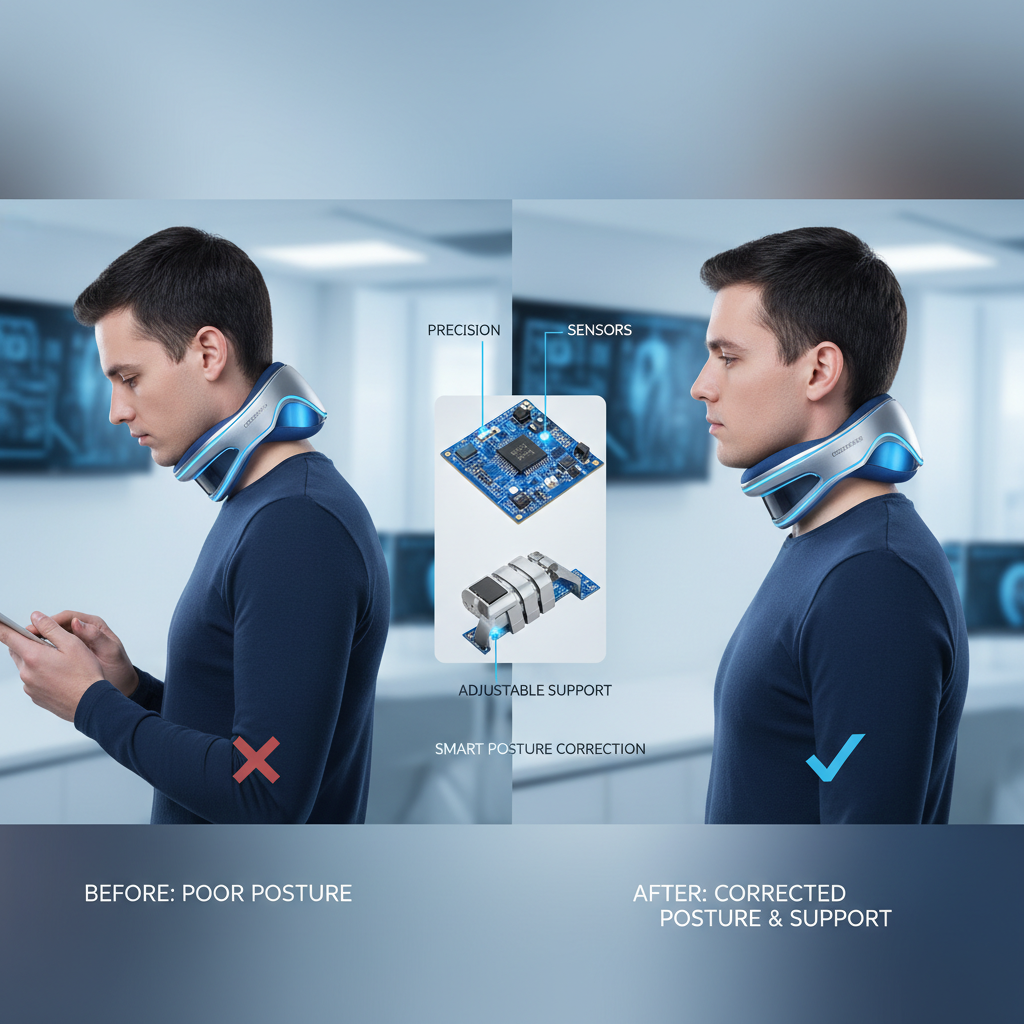
Emerging trends in cervical collar design focus on enhancing comfort, improving functionality, and incorporating smart technologies. Researchers are exploring the use of advanced materials, such as lightweight composites and self-adjusting polymers, to create collars that conform more precisely to individual anatomy.
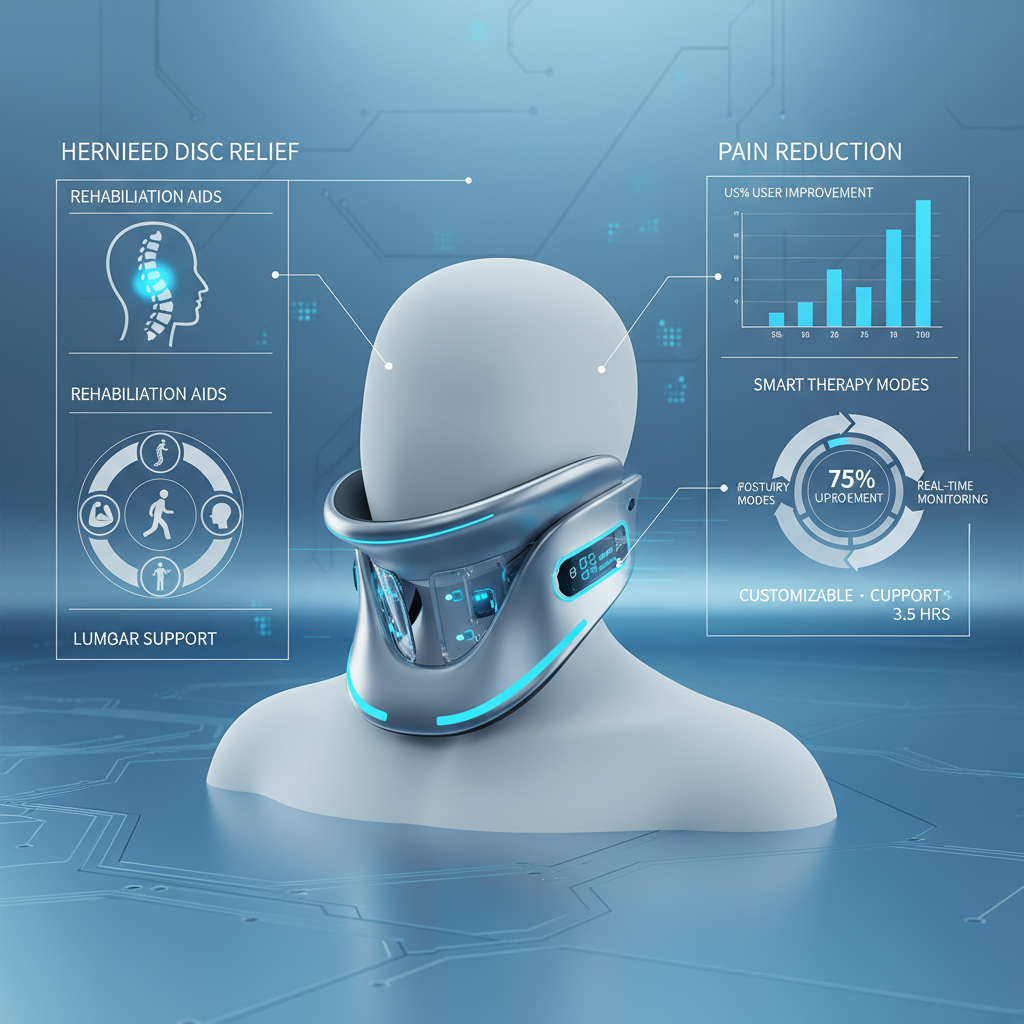
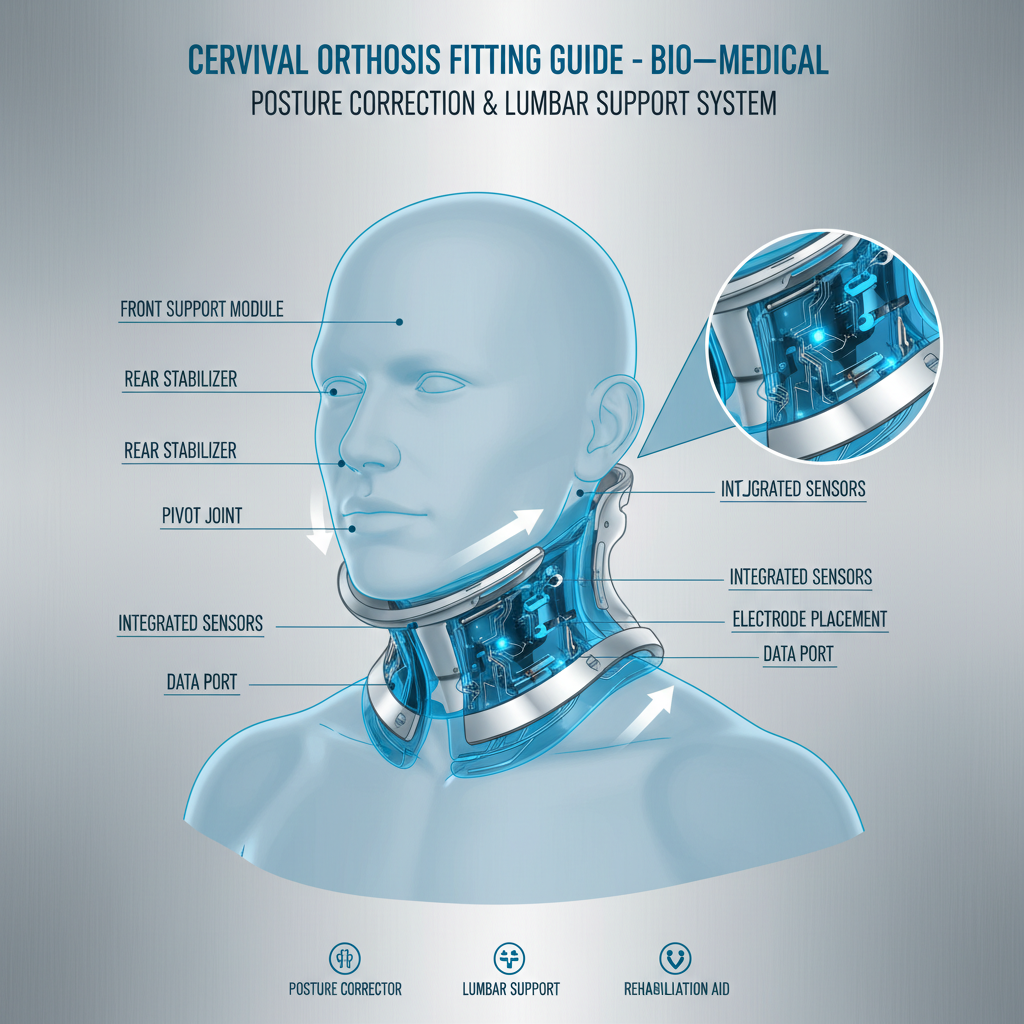
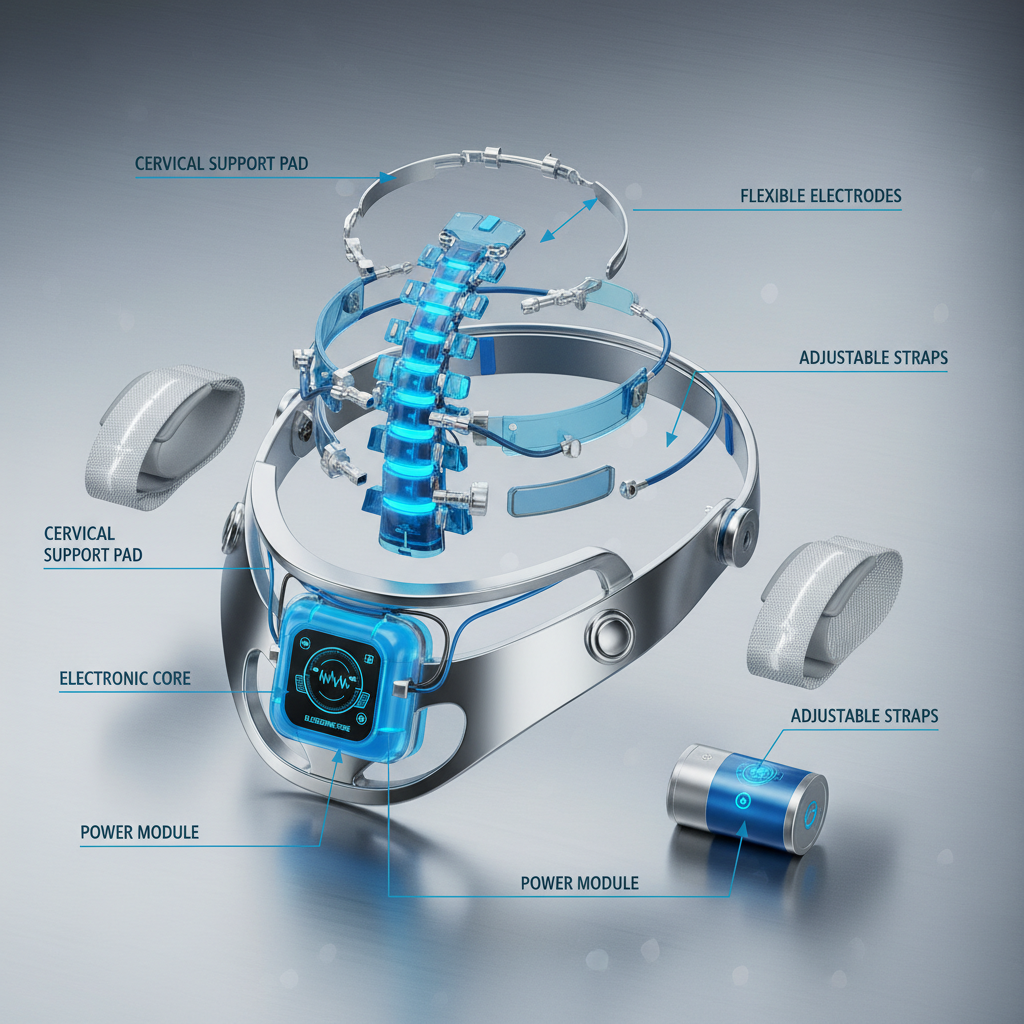
The integration of sensors and data analytics is also gaining traction. "Smart collars" equipped with accelerometers and pressure sensors could provide real-time feedback on patient movement, adherence to prescribed limitations, and even indicators of potential complications. This data could be remotely monitored by healthcare providers, enabling personalized treatment adjustments.
Challenges and Solutions in Cervical Collar Implementation
Despite their benefits, cervical collars are not without challenges. Common issues include skin irritation, muscle weakness due to prolonged immobilization, and patient non-compliance. Addressing these challenges requires a multifaceted approach.
Solutions include careful skin monitoring and hygiene practices, encouraging range-of-motion exercises within prescribed limits, and providing comprehensive patient education on the importance of adherence. The development of collars with improved ventilation and moisture-wicking properties can also help minimize skin irritation.
Furthermore, exploring alternative immobilization techniques, such as dynamic taping or customized orthoses, may offer more comfortable and effective options for certain patients.
Summarizing Key Considerations for Effective Implementation of Cervical Collars
| Patient Characteristics |
Collar Type |
Potential Complications |
Mitigation Strategies |
| Age (elderly patients have thinner skin) |
Soft Foam Collar |
Skin Irritation |
Regular skin checks, proper hygiene |
| Severity of Herniation (large herniation) |
Rigid Philadelphia Collar |
Muscle Weakness |
Isometric exercises, gradual weaning |
| Activity Level (active individuals) |
Miami J Collar |
Non-Compliance |
Patient education, motivational counseling |
| Sensitivity to Materials |
Hypoallergenic Collar |
Allergic Reaction |
Material substitution |
| Patient’s Comfort Preference |
Adjustable Modular Collar |
Pressure Sores |
Regular pressure relief, padding |
| Need for prolonged Immobilization |
Aspen Collar |
Stiffness |
Physical Therapy |
FAQS
The duration of cervical collar use varies depending on the severity of the herniation, the patient's symptoms, and their response to treatment. Typically, initial use may range from a few days to several weeks. However, prolonged use beyond this period is generally discouraged due to the risk of muscle weakness and stiffness. A healthcare professional will determine the optimal duration based on individual needs and progress.
Yes, cervical collars come in various types, including soft foam, Philadelphia, Miami J, and Aspen collars. Soft foam collars offer minimal support, while rigid collars provide maximum immobilization. The choice depends on the severity of your condition and the level of support required. A healthcare professional can assess your needs and recommend the most appropriate collar.
Common side effects include skin irritation, muscle weakness, and stiffness. Skin irritation can be minimized by ensuring proper hygiene and using a hypoallergenic collar. Muscle weakness can be addressed with gentle range-of-motion exercises under the guidance of a physical therapist. It’s crucial to report any significant discomfort or new symptoms to your healthcare provider.
Driving while wearing a cervical collar is generally not recommended, especially if the collar restricts your range of motion. Reduced visibility and impaired ability to react quickly can pose a safety risk. Always consult with your healthcare provider before resuming driving.
Proper care involves regularly cleaning the collar with mild soap and water, avoiding harsh chemicals or abrasive cleaners. Ensure the collar is completely dry before reuse. Inspect the collar for any signs of damage or wear and tear. Replace the collar if it becomes damaged or no longer provides adequate support.
If you experience increased pain, numbness, or tingling while wearing a cervical collar, discontinue use and contact your healthcare provider immediately. This could indicate nerve compression or other complications. It's essential to seek medical attention promptly to address any concerning symptoms.
Conclusion
In summary, the cervical collar for herniated disc remains a valuable tool in the conservative management of cervical radiculopathy. Its affordability, accessibility, and ability to provide support and immobilization contribute to improved patient outcomes and reduced healthcare costs. Understanding the nuances of collar selection, proper fitting, and potential complications is essential for effective implementation.
Looking ahead, continued innovation in materials, design, and integration of smart technologies promises to further enhance the functionality and comfort of cervical collars. By embracing these advancements and prioritizing patient-centered care, we can optimize the benefits of these devices and improve the quality of life for individuals suffering from herniated discs.