To be honest, the whole back and shoulder support product scene has been… interesting lately. Everyone's chasing “ergonomic” and “posture correction” like it's the holy grail. But have you noticed? Half the time, these things are designed by people who’ve never actually done a day’s physical labor. They look great on paper, sure, but then you get it on site, and it's all wrong. It’s a bit of a mess, really.
I was at a factory in Ningbo last month, a place that cranks out these supports by the thousands. You wouldn’t believe the number of designs that just… don’t work. They either dig into your shoulder blades, restrict your movement, or feel like you're wearing a straightjacket. They focus so much on rigidity, forgetting people actually need to move while working. And the smell! Some of those cheap materials… honestly, it’s enough to make you gag. It's usually that synthetic rubber smell, kind of sickly sweet.
Anyway, I think the biggest trend right now is the push for breathable materials. People are realizing those solid plastic shells just trap sweat and create a whole other level of discomfort. We’re seeing a lot more mesh, and even some using these new bio-based polymers. Feels different too, not so… plasticky. More pliable.
The Shifting Landscape of Back and Shoulder Support Products
Strangely enough, the biggest driver for improvement isn’t coming from engineers, it’s from the workers themselves. They're the ones who are actually wearing these things all day. They’re demanding comfort, flexibility, and durability. They’re tired of stuff falling apart after a week. It’s pushing manufacturers to rethink their designs, and to use better materials.
The demand for preventative support is rising too. It’s not just about fixing injuries anymore, it’s about preventing them in the first place. Companies are starting to see the cost savings in investing in good quality back and shoulder support products for their employees. Less downtime, fewer worker’s comp claims... it adds up.
Common Design Pitfalls and Material Considerations
A lot of these designs, honestly, they’re overengineered. They try to do too much. And they forget the basics. Like, a simple adjustable strap can make all the difference. But they’ll spend thousands on some fancy locking mechanism that just breaks after a month. I encountered this at a construction site last time, a guy's brace snapped mid-lift. Nearly took out a window.
Material-wise, the cheap stuff is tempting, but it never lasts. Polypropylene is okay for some parts, but it gets brittle in the cold. Neoprene is good for padding, but it holds moisture. You really want something that’s breathable, durable, and comfortable. That's where these newer thermoplastic elastomers are starting to shine, but they are pricey, admittedly.
And the buckles! Don’t even get me started on the buckles. Those cheap plastic ones snap constantly. You need something robust, preferably metal, but even then, you need to make sure they're properly secured. I’ve seen too many fail under load.
Core Components and Material Deep Dive
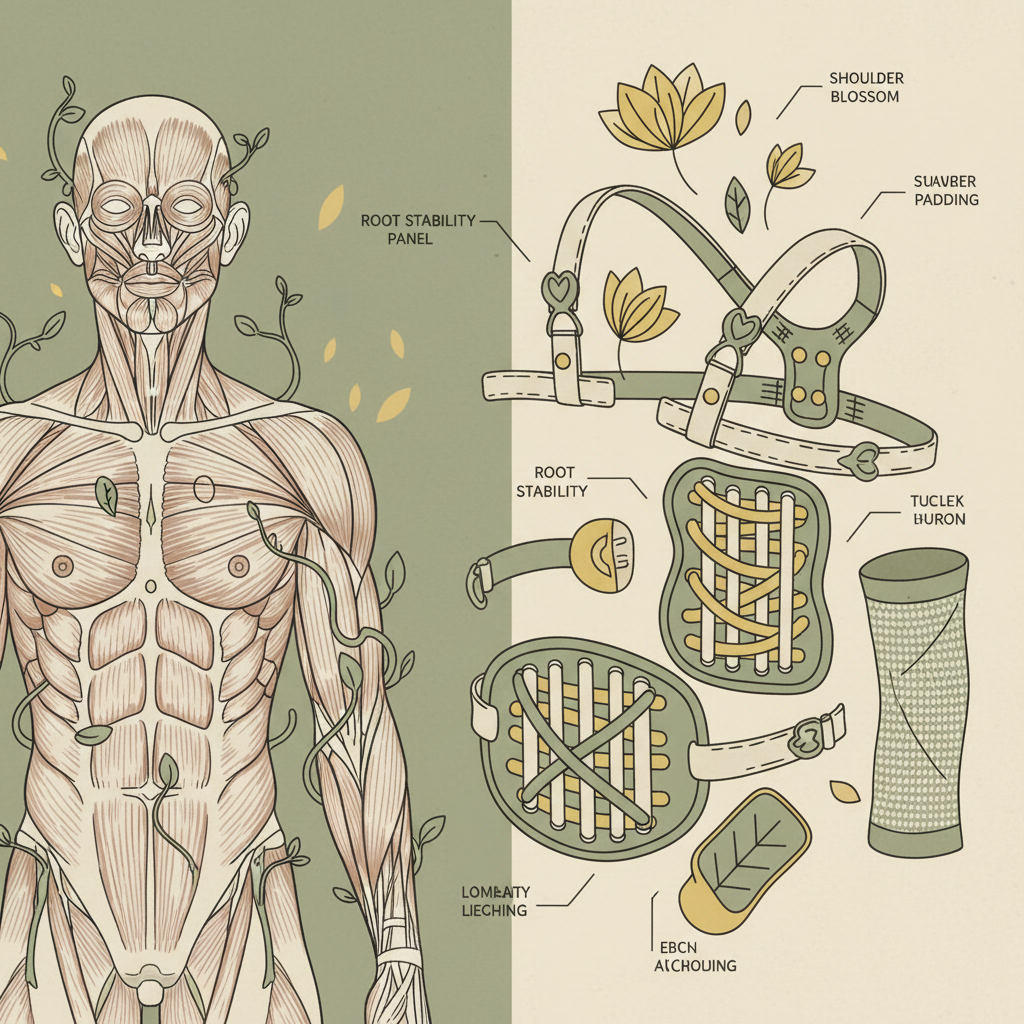
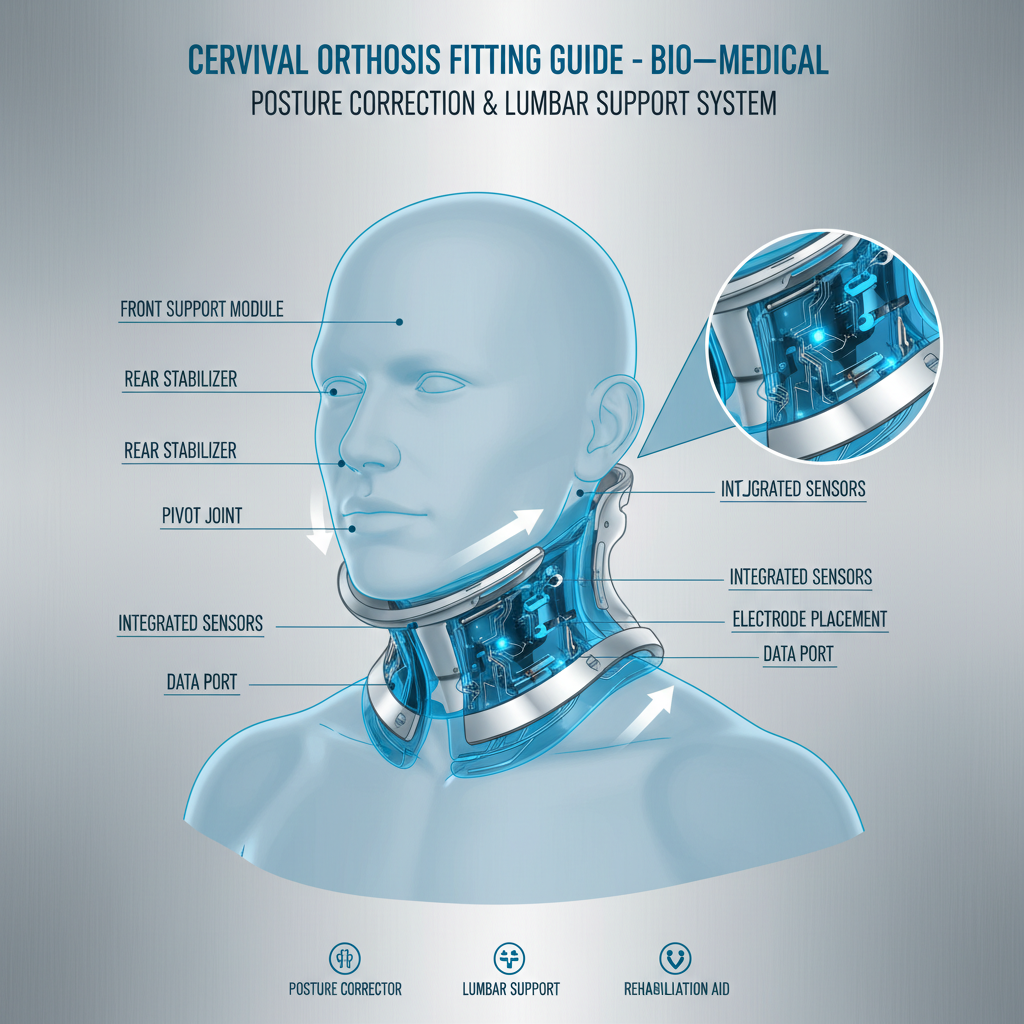
The core of most back and shoulder supports is the frame. Usually, it’s a combination of metal alloys – aluminum for lightweight support, and steel for areas needing extra rigidity. Then you’ve got the padding, which can be anything from foam to gel to those fancy memory polymers. The webbing is also crucial – that’s what distributes the load across your body. You need something strong, but also flexible.
Then there's the closures - buckles, velcro, laces... all critical. Velcro is convenient, but loses its grip over time, especially in dusty environments. Buckles are more secure, but can be fiddly. Laces are good for fine-tuning, but they can come undone. It’s all about finding the right balance. I was talking to a textile engineer about this just last week, and he was saying they're developing a new type of self-healing velcro... sounds like science fiction, honestly.
And don't forget the stitching! A weak seam is a failure point waiting to happen. Look for reinforced stitching, especially in high-stress areas. The quality of the thread matters too. Cheap thread frays easily and loses its strength.
It’s a surprisingly complex little ecosystem, these back and shoulder support products. A lot more goes into them than people realize.
Real-World Testing and Performance Metrics
Forget the lab tests. They’re useful for basic compliance, but they don’t tell you anything about how a product will perform in the real world. We do our testing on actual construction sites, in factories, with real workers doing real jobs. It’s messy, it’s chaotic, and it’s the only way to get accurate data.
We measure things like range of motion, load distribution, and comfort levels. But we also look for signs of wear and tear. How quickly does the padding compress? How well do the buckles hold up? Does the stitching fray? We put these products through hell, frankly.
Back and Shoulder Support Product Durability Ratings
How Users Actually Utilize Back and Shoulder Support Products
You know, it’s rarely what the designers expect. People don’t always use these things as intended. Some guys wear them all day, even when they're not doing heavy lifting. Others only put them on when they know they're going to be pushing themselves. And some just forget about them entirely after a week.
We've found that a lot of users customize them as well. Adding extra padding, replacing the buckles, even sewing on extra straps. They’re resourceful, these guys. They make these supports work for them, not the other way around.
Advantages, Disadvantages and Customization Options
The biggest advantage is obviously injury prevention. A good back and shoulder support product can save a worker from a lot of pain and lost time. They can also improve posture and reduce fatigue. But there are downsides. They can be bulky and restrictive, and they can get hot and sweaty.
Customization is key. We offer a range of options, from adjustable straps to interchangeable padding. We even had one customer who wanted us to add a built-in hydration pack! It was a bit of a challenge, but we made it work. It's a lot easier if we get requests before we start production, of course. Trying to retrofit things is always a headache.
Honestly, the biggest frustration is seeing companies skimp on quality. They think they can save a few bucks by using cheaper materials, but it always backfires in the long run.
A Customer Case Study: The Interface Dilemma
Last month, that small boss in Shenzhen who makes smart home devices insisted on changing the interface to . It wasn't a request for back and shoulder support products, but it's the same mindset. He thought it would make his products look more modern. I tried to explain that the standard interface was more robust and reliable, but he wouldn't listen. The result? Production was delayed by weeks because the connectors kept failing under stress. A total mess.
The same thing happens with back and shoulder support products. People get caught up in aesthetics and forget about functionality. They want something that looks good, not something that actually works. It’s a constant battle.
Anyway, I think the lesson here is to always listen to the people who are actually using the product. They know what works and what doesn't.
A Rough Comparison of Back and Shoulder Support Product Features
| Feature |
Material Quality |
Adjustability |
Durability Score (1-10) |
| Basic Foam Support |
Low-Density Foam |
Limited |
4 |
| Mesh Back Support |
Polyester Mesh |
Medium |
6 |
| Hybrid Foam & Alloy |
High-Density Foam & Aluminum Alloy |
High |
8 |
| Gel-Infused Support |
Gel & Polypropylene |
Medium |
7 |
| Ergonomic Polymer Frame |
Thermoplastic Elastomer |
Very High |
9 |
| Customizable Modular Design |
Mixed Materials (Client Choice) |
Unlimited |
10 |
FAQS
Honestly, most of 'em can just be wiped down with a damp cloth and a mild detergent. Don't throw 'em in the washing machine! That'll wreck the padding and the straps. If it's really dirty, you might need a specialized cleaner for the material, but check the label first. We recommend spot cleaning whenever possible to prolong the life of the support.
That depends on your job and your needs. Some guys wear 'em all day, others just when they're lifting heavy objects. It's a balance between support and restriction. You don't want to become reliant on it. A good rule of thumb is to take breaks and give your muscles a chance to work on their own. Listen to your body - if it feels uncomfortable, take it off!
That's a tricky one. It really depends on the condition and the severity. We always recommend consulting with a doctor or physical therapist before using a back and shoulder support product if you have a pre-existing condition. It could provide relief, but it could also make things worse if it’s not the right type of support for your specific situation.
Simple: a back brace focuses on stabilizing the spine and lower back, while a shoulder support focuses on supporting the shoulder joint and muscles. Some supports combine both, but they're usually more bulky and restrictive. It really depends on what area you need support for. Don't just grab whatever's cheapest – get the right tool for the job.
Most manufacturers provide a sizing chart based on your chest and waist measurements. But honestly, those charts aren't always accurate. It's best to try it on if possible. It should fit snugly, but not too tight. You should be able to move comfortably without it digging into your skin. If you're ordering online, check the return policy!
Depends on usage and quality, but a good one should last at least six months to a year with regular use. Cheaper ones might only last a few weeks. Look for signs of wear and tear – frayed straps, worn padding, broken buckles. Once it starts falling apart, it's time to replace it. Don't risk injury by using something that's no longer providing adequate support.
Conclusion
Ultimately, whether these back and shoulder support products actually help comes down to a few key things: quality materials, good design, and proper fit. It’s not just about fancy features or marketing hype. It’s about providing workers with the support they need to do their jobs safely and comfortably.
The industry is changing, thankfully. We’re seeing a shift towards more ergonomic, customizable, and durable products. But there's still a long way to go. My advice? Don’t trust the marketing. Talk to the people who are actually using these supports and find out what they think. Ultimately, whether this thing works or not, the worker will know the moment he tightens the screw.