Cervical collar fitting isn't just about strapping something around a neck; it's a critical piece of the puzzle when someone's spine is compromised. I’ve seen firsthand on countless sites – from accident scenes to orthopedic clinics – how vital a properly fitted collar is, not just for stability, but for a patient’s comfort and long-term recovery. It’s the first line of defense, and if it’s wrong, everything else becomes exponentially harder. This impacts everything from initial stabilization during transport to reducing the risk of secondary injuries during treatment.
We're talking about a device that needs to perform under pressure, literally. Getting the fit right impacts a patient’s breathing, swallowing, and even their ability to heal. A poorly fitted collar can cause skin breakdown, increase discomfort, and ultimately hinder progress. That's why understanding the nuances of fitting, the different types available, and ongoing monitoring is absolutely key. It's not a 'one size fits all' situation, and taking shortcuts can have serious consequences.
I spend my days working directly with the people who use these collars – paramedics, nurses, doctors, and, most importantly, the patients themselves. That real-world interaction informs everything we do, from design improvements to training programs. It’s a constantly evolving field, driven by the need for better materials, more accurate sizing, and increased patient compliance.
The Importance of Cervical Collar Fitting
Look, we're dealing with the spinal cord here, the central nervous system. Even a minor misstep in immobilization can have devastating, long-term consequences. Globally, injuries requiring cervical immobilization are a significant public health concern. The World Health Organization estimates that millions suffer from traumatic brain and spinal cord injuries annually, many requiring initial cervical collar application. Proper fitting isn’t just about comfort; it's about preventing further neurological damage.
I've worked on scenes where minutes matter. Paramedics need a collar they can quickly and confidently apply in the field, knowing it's providing adequate support. The pressure is immense, and the margin for error is slim. That’s why consistent training, standardized protocols, and readily available resources are critical.
Defining Cervical Collar Fitting
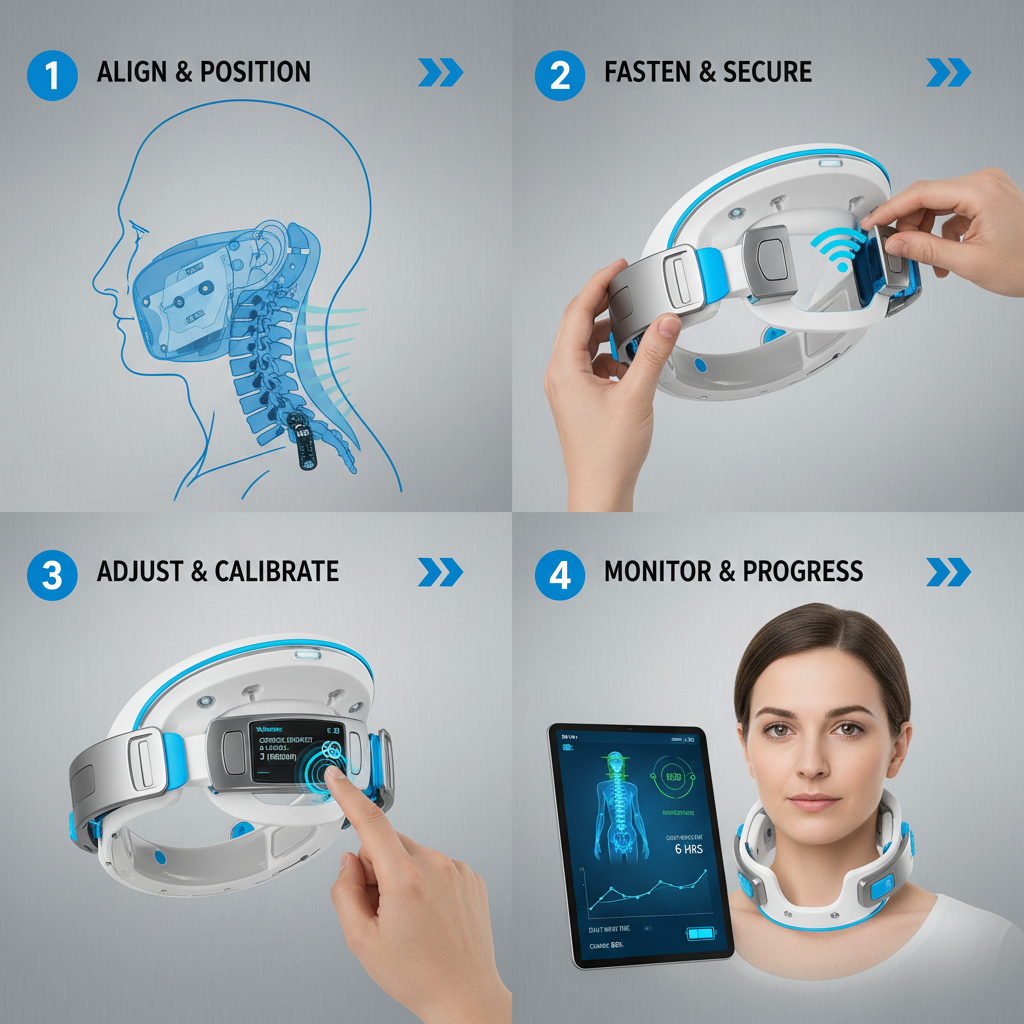
Simply put, cervical collar fitting is the process of selecting and applying a cervical collar of the correct size and ensuring it’s appropriately positioned to stabilize the cervical spine. It’s a dynamic process, not a one-time adjustment. It involves assessing the patient's anatomy, understanding the mechanism of injury, and continually monitoring the collar’s effectiveness.
It connects directly to modern trauma care principles. We've moved beyond just ‘immobilizing’ to focusing on optimizing spinal alignment while minimizing secondary complications. Modern collars aren’t just rigid blocks; they often incorporate adjustable features and specialized padding to maximize both stability and patient comfort. It’s a blend of engineering, anatomy, and practical experience.
And it’s becoming increasingly vital as we see an aging population with more age-related spinal issues and an increase in high-impact sports injuries. It’s about proactively managing risks and ensuring the best possible outcomes.
Key Factors in Effective Cervical Collar Fitting
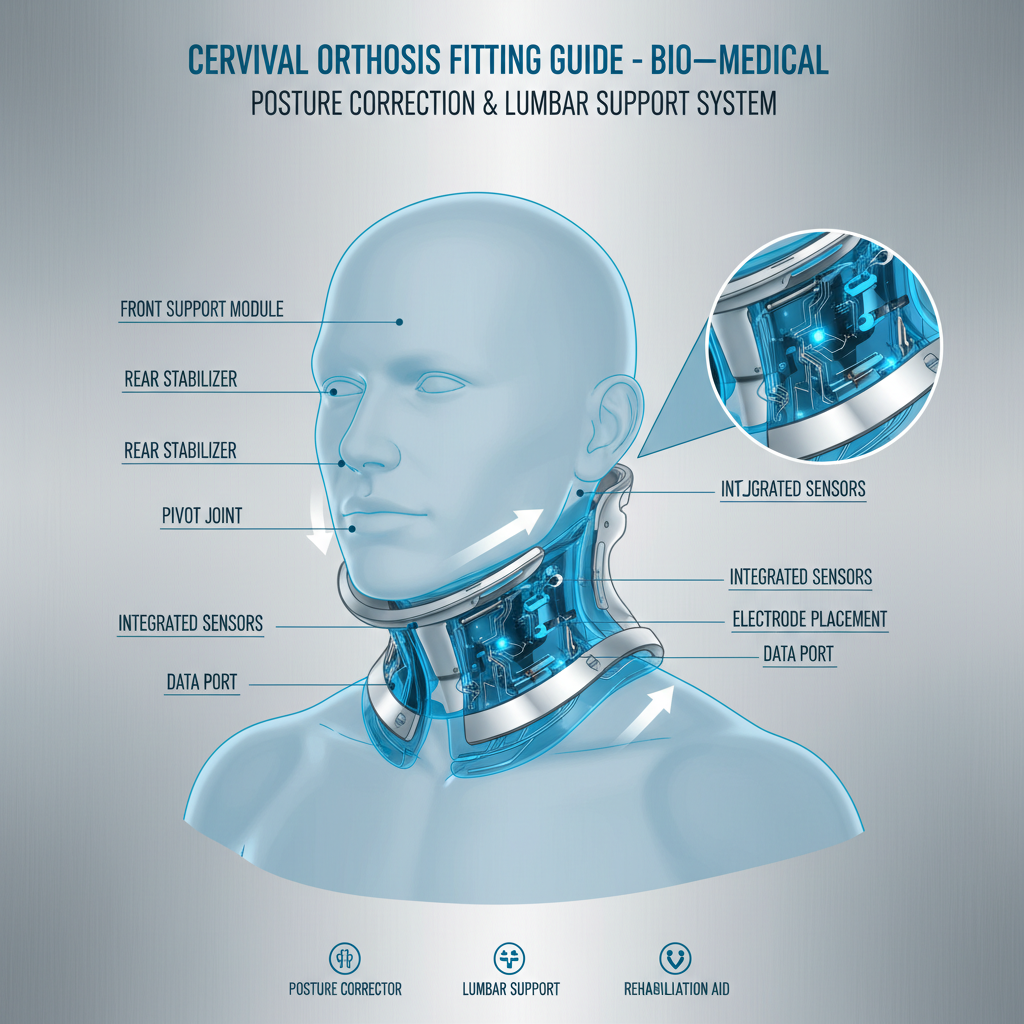
First, you've got sizing. Too small, and it's restricting circulation and causing pressure sores. Too large, and it's not providing adequate support. We rely heavily on accurate measurements – from the sternocleidomastoid muscle to the mandibular angle – and understanding the manufacturer’s specific sizing guidelines. Then there’s alignment. The collar needs to be centered, ensuring the occipital portion sits correctly at the base of the skull and the mandibular component provides appropriate support.
Next is padding and contouring. Not all necks are created equal! Effective fitting incorporates additional padding to fill gaps and minimize pressure points. We're also looking at skin integrity – checking for redness, blisters, or any signs of irritation. And finally, patient tolerance. If a patient can’t breathe or swallow comfortably, the collar isn’t fitted correctly, period.
Global Applications of Cervical Collar Fitting
You see cervical collar fitting happening everywhere. In emergency medical services, they’re the first responders, stabilizing patients at the scene of accidents. In hospitals, orthopedic surgeons and trauma teams rely on collars to facilitate healing after fractures or dislocations. Even in rehabilitation centers, collars are used during the weaning process, gradually allowing patients to regain movement.
In post-disaster relief operations, like after earthquakes or hurricanes, properly fitted collars can be the difference between life and death. We've worked with organizations deploying rapid response teams to provide training and supplies in disaster zones. In remote industrial zones, like oil rigs or mining operations, where access to advanced medical care is limited, having trained personnel and readily available collars is critical.
We’re seeing increasing demand in sports medicine too – particularly in contact sports like football and rugby. Prevention and rapid response to cervical spine injuries are paramount.
Cervical Collar Fitting Application Rates
Advantages and Long-Term Value of Proper Fitting
The most obvious benefit is reduced risk of secondary spinal injuries. A properly fitted collar provides the necessary stabilization, preventing further damage to the spinal cord and nerves. Beyond that, it significantly improves patient comfort, which aids in compliance and promotes a quicker recovery. When a patient isn't constantly battling discomfort, they’re more likely to participate in rehabilitation.
From a healthcare system perspective, correct fitting minimizes complications – fewer pressure sores, reduced need for revision procedures, and shorter hospital stays. And let’s not underestimate the psychological impact. Knowing a patient is properly stabilized and comfortable provides peace of mind for both them and their families. That trust is huge.
Future Trends in Cervical Collar Technology
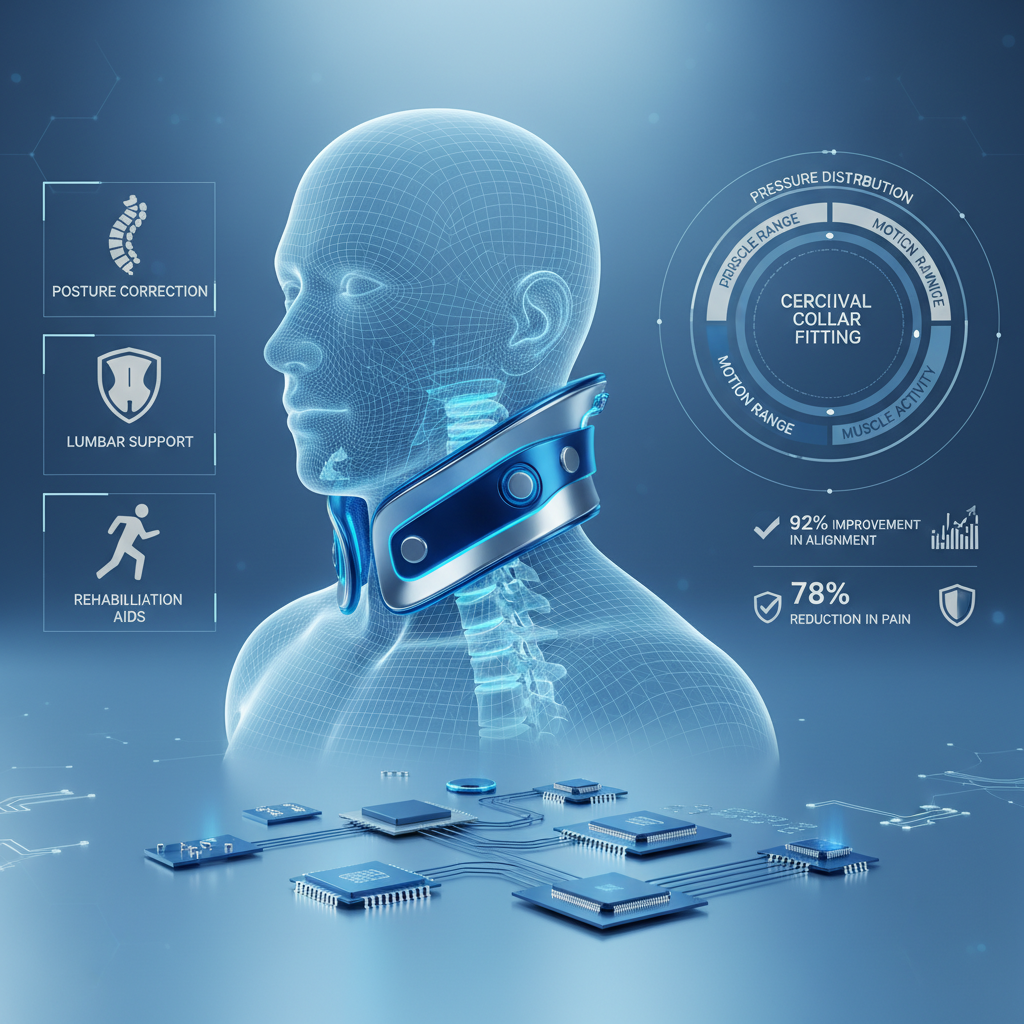
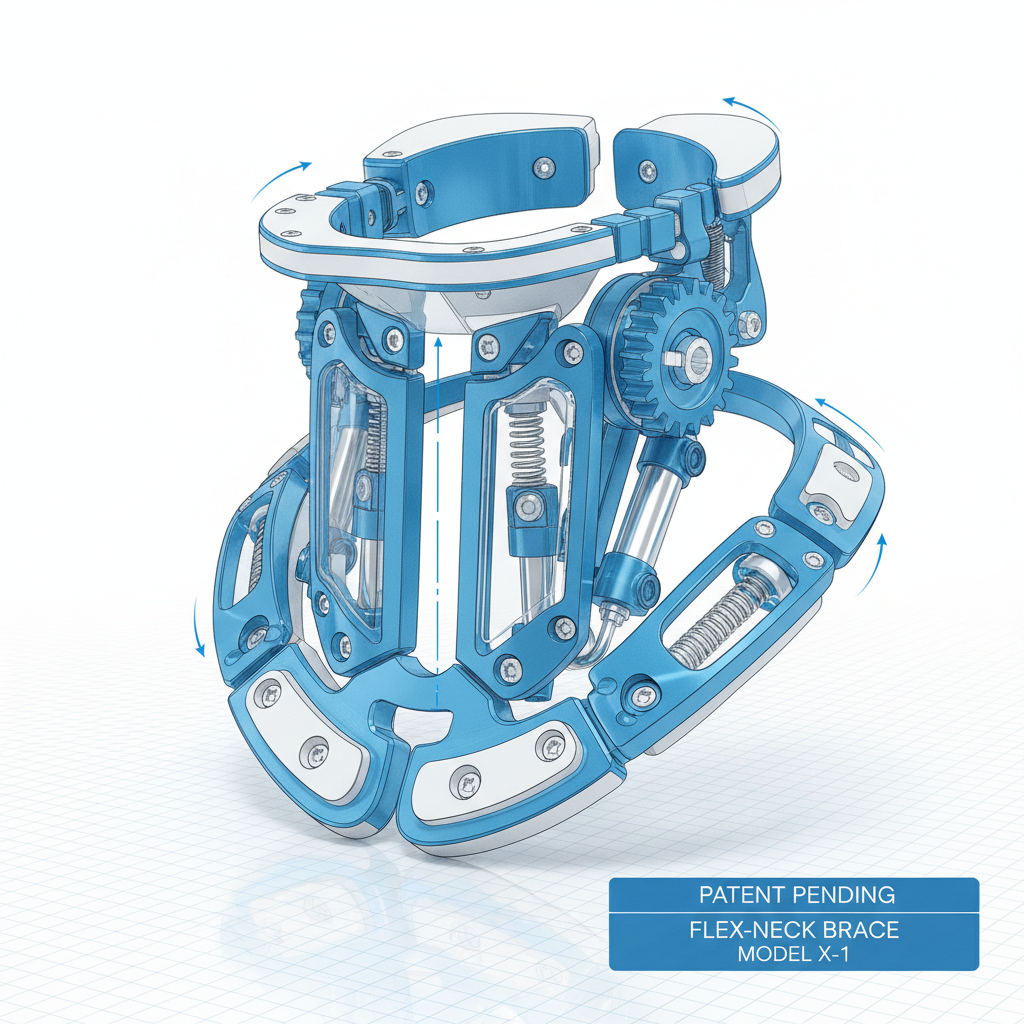
We're seeing a shift toward more dynamic and adjustable collars, moving away from rigid designs. Materials science is playing a big role – lighter, more breathable, and more durable materials are being developed. Integration with sensor technology is also on the horizon, allowing for real-time monitoring of pressure distribution and spinal alignment.
There’s also a lot of research going into 3D-printed collars, offering customized fits based on individual patient anatomy. This is a game-changer, particularly for patients with complex spinal conditions. And, driven by sustainability concerns, we’re exploring more eco-friendly materials and manufacturing processes.
Challenges and Solutions in Cervical Collar Fitting
One of the biggest challenges is inconsistent training. Not all healthcare professionals receive the same level of instruction on proper fitting techniques. We’re working on standardized training programs and online resources to address this.
Another issue is the lack of objective measures for assessing fit. Currently, it's largely based on visual assessment and patient feedback. We're exploring the use of imaging technologies and pressure mapping sensors to provide more quantitative data. Finally, ensuring access to appropriately sized collars in resource-limited settings remains a significant hurdle. It requires collaboration between manufacturers, NGOs, and healthcare providers.
The goal is to move towards a more proactive and data-driven approach to cervical collar fitting, minimizing errors and optimizing patient outcomes.
Summary of Challenges and Proposed Solutions in Cervical Collar Fitting
| Challenge |
Impact on Patient Care |
Proposed Solution |
Implementation Timeline |
| Inconsistent Training |
Increased risk of improper fitting, leading to complications. |
Develop standardized, accredited training programs. |
6-12 Months |
| Lack of Objective Assessment |
Subjective assessment can lead to variability in fitting quality. |
Explore imaging and pressure sensor technologies. |
12-24 Months (Research & Development) |
| Sizing Discrepancies |
Difficult to find the optimal fit for diverse patient anatomies. |
Expand range of collar sizes, develop customizable options. |
Ongoing (Product Development) |
| Resource Limitations |
Limited access to collars in remote or low-income areas. |
Establish partnerships with NGOs for distribution. |
Immediate – Ongoing |
| Patient Compliance |
Patient discomfort can lead to non-compliance with wearing the collar. |
Improve collar design for comfort, provide patient education. |
Ongoing (Product Development & Education) |
| Monitoring & Adjustment |
Collars require ongoing monitoring for proper fit and skin integrity. |
Implement regular follow-up protocols and patient self-assessment tools. |
6 Months (Protocol Development) |
FAQS
Accurate measurement is crucial. You'll typically need to measure from the sternocleidomastoid muscle to the mandibular angle. However, always refer to the manufacturer’s specific sizing chart, as dimensions can vary. It’s about getting the right length and width to ensure proper support without constriction. We emphasize training on this exact process – it's not a guessing game.
Initially, you need to check the fit frequently – every few hours in the acute phase. You're looking for pressure sores, skin irritation, and ensuring the collar hasn’t shifted. As the patient stabilizes, you can reduce the frequency, but regular monitoring is essential throughout the immobilization period. A shift can occur with movement or even swelling reduction.
Watch for redness or breakdown of the skin, particularly around the chin, jawline, or occiput. Also, be alert to the patient reporting difficulty breathing, swallowing, or increased pain. These are all red flags that the collar needs adjustment or a different size is required. Don't ignore patient complaints!
Absolutely not. Cervical collars are single-patient-use devices. There's a risk of contamination and potential damage to the materials, which could compromise their effectiveness. Sterilization is often not feasible and can alter the collar’s structural integrity. Patient safety comes first – always use a new collar for each patient.
We’re seeing a move towards more adjustable and lightweight collars, utilizing advanced polymers and padding materials. There’s also a growing interest in incorporating sensor technology to monitor fit and pressure distribution in real-time. Customization through 3D printing is also gaining traction, allowing for a truly individualized fit for each patient.
In hot and humid climates, breathability is paramount. Collars made with more breathable materials can help prevent skin breakdown and discomfort. In colder climates, insulation might be a concern, requiring collars with more robust padding. Consider the environmental conditions when selecting the right collar for the patient’s needs.
Conclusion
Cervical collar fitting is far more than just applying a brace. It’s a critical intervention requiring thorough understanding, meticulous technique, and ongoing monitoring. The right fit protects vulnerable patients, reduces complications, and accelerates recovery. From the field to the hospital, the advancements in materials and technology are continuously improving outcomes, but the core principle remains the same: prioritize patient safety and comfort.
Looking ahead, the focus will be on personalization, data-driven assessment, and standardized training. We're committed to collaborating with healthcare professionals and industry partners to elevate the standard of care in cervical immobilization. For more information on best practices and our range of cervical collars, visit our website: cervical collar fitting.