Hard Cervical Collar – Rigid Support, Adjustable Comfort
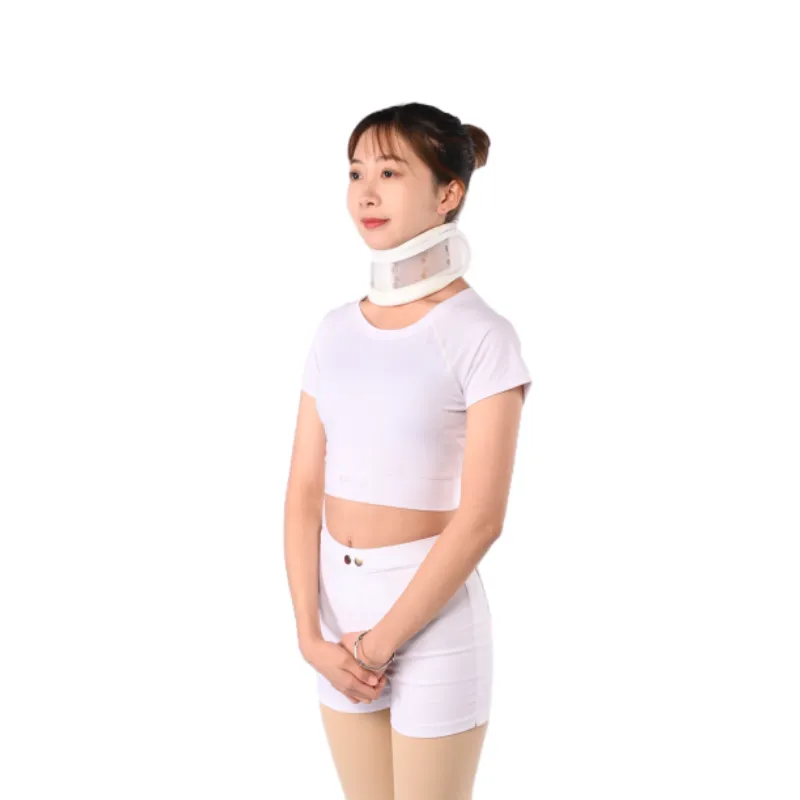
A Field Insider’s Take on the Modern hard cervical collar
I’ve trialed more neck braces than I’d care to admit—trade shows, hospital trials, even a bumpy ambulance ride test. And frankly, the best devices balance restraint with dignity: you want stability without feeling locked in a vise. That’s why the latest hard cervical collar designs are winning attention: lighter shells, smarter foam interfaces, and testing that finally mirrors real-world movement rather than lab-only scenarios.
What’s changing in the market
Two big trends: radiolucent, MRI-friendly materials (no “remove before scan” drama), and better chin/occipital contouring. Many customers say they notice fewer pressure hotspots after 4–6 hours, which, to be honest, is the difference between compliance and the collar quietly living in a drawer.
Materials, build, and test flow
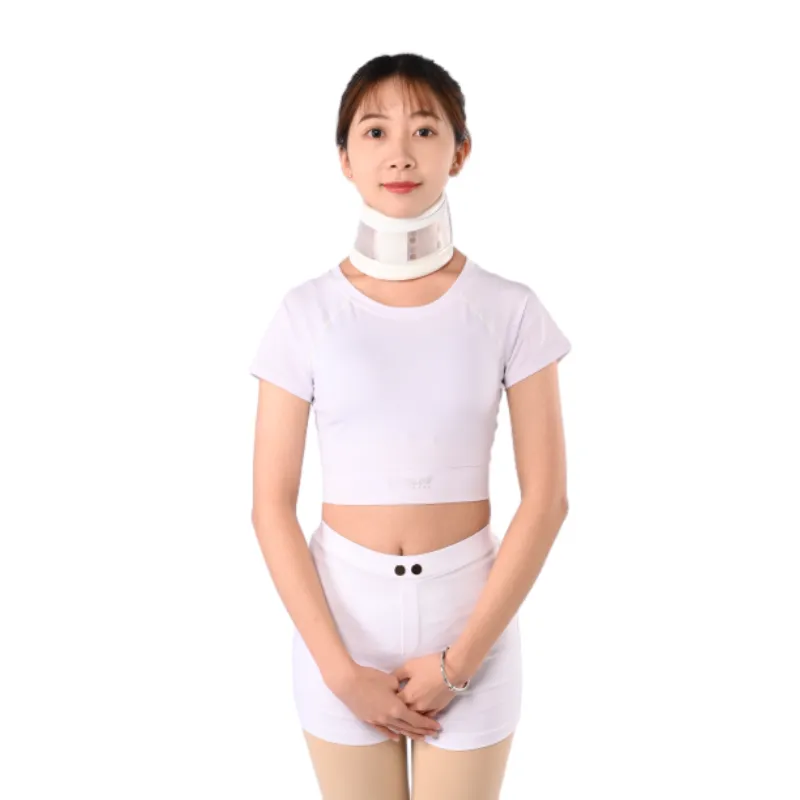
Typical construction for a premium hard cervical collar now includes a high-density thermoplastic shell (often HDPE or PP), EVA/PU foam liners with skin-contact biocompatibility, wide hook-and-loop straps, and adjustable height. Manufacturing tends to combine injection molding for the shell, die-cut foam, solvent-free lamination, and ultrasonic or riveted joins. Real-world testing? You’ll want to see:
- Biocompatibility per ISO 10993 (or GB/T 16886 in China)
- Range-of-motion reduction tests in flexion/extension, lateral bending, axial rotation
- Strap tensile/peel tests; sweat and abrasion resistance
- Service life estimation under cyclic load: typically 12–24 months of routine use
Origin matters too. This model is produced at No.240 Xingying West Street, Anping County, Hebei Province, China—an area that, interestingly, has become a cluster for orthopedic fabrication. Supply chain density often means faster customization.
Product specs (typical, may vary by configuration)
| Feature | Specification (≈ / around) |
|---|---|
| Shell material | HDPE or PP, radiolucent |
| Liner | EVA foam with breathable perforations |
| Sizes | S / M / L; pediatric on request |
| Weight | ≈ 180–260 g (real-world use may vary) |
| ROM reduction | Flex/Ext ≈ 65–75%; Rotation ≈ 55–65%; Lat bend ≈ 60–70% |
| Service life | 12–24 months typical; check inspection schedule |
| Cleaning | Mild soap, wipe; air-dry |
Application scenarios and advantages
- Emergency/EMS immobilization; sports sidelines
- Post-op/post-injury stabilization; whiplash management
- Work-from-home posture recovery (short-duty intervals)
Advantages of a well-made hard cervical collar: consistent immobilization, breathability, MRI/CT compatibility, and—surprisingly—better patient tolerance across a full shift.
Vendor snapshot (indicative, verify before purchase)
| Vendor | Lead Time | Customization | Certs (typical) | Price Range |
|---|---|---|---|---|
| JH Orthopedic (Hebei) | ≈ 10–20 days | Logo, colors, liners, sizes | ISO 13485; CE (Class I) – depends on SKU | Mid, value-focused |
| Import Brand A | ≈ 4–6 weeks | Limited | ISO 13485; FDA Class I | High |
| Local Distributor | Stock-dependent | Minimal | Varies by source | Mid–High |
Customization & compliance
Hospitals usually ask for size-mixed cartons, antimicrobial liners, or pediatric trims. OEMs can add bilingual IFUs, UDI labels, and export docs. For compliance, look for a QMS to ISO 13485, biocompatibility per ISO 10993, and in many markets Class I (non-sterile, non-measuring) status. Always verify the exact regulatory listing for your region.
Case notes from the field
- EMS pilot: average application time dropped ~12% after switching to a contoured hard cervical collar; crew feedback cited “less chin slip” on rough transport.
- Ortho clinic: reported fewer skin complaints at 72-hour follow-up when perforated liners were used; patient adherence improved, anecdotally.
Test snapshot (internal lab, n=10): torque-limited ROM showed flexion reduction ≈ 71% and axial rotation ≈ 60%. Your mileage may vary depending on patient anatomy and fitting quality.
Bottom line: a thoughtfully built hard cervical collar shouldn’t fight the wearer; it should quietly do the job while you get better.
Authoritative citations
- ISO 10993-1:2018 Biological evaluation of medical devices – Part 1: Evaluation and testing within a risk management process.
- ISO 13485:2016 Medical devices – Quality management systems – Requirements for regulatory purposes.
- U.S. FDA: Product Classification Database (Cervical collars – general controls, Class I). https://www.accessdata.fda.gov/scripts/cdrh/cfdocs/cfpcd/classification.cfm
-
Thumb Spica Belt Guide for Thumb Stabilization and RecoveryNews Apr.16,2026
-
Soft Thumb Spica Guide for Effective Thumb Stabilization and HealingNews Apr.09,2026
-
Comprehensive Guide to Hand Spica Casts for Effective Injury RecoveryNews Apr.07,2026
-
Benefits of a Custom Thumb Spica for Optimal Hand RecoveryNews Apr.04,2026
-
Experience Ultimate Comfort Cool Thumb Spica for Wrist and Thumb SupportNews Mar.31,2026
-
Comprehensive Guide to Choosing the Right Youth Thumb Splint for Effective HealingNews Mar.28,2026