Hard Cervical Collar with Chin Support | Rigid, Adjustable
Hard truth, soft landing: Hard Cervical Collar
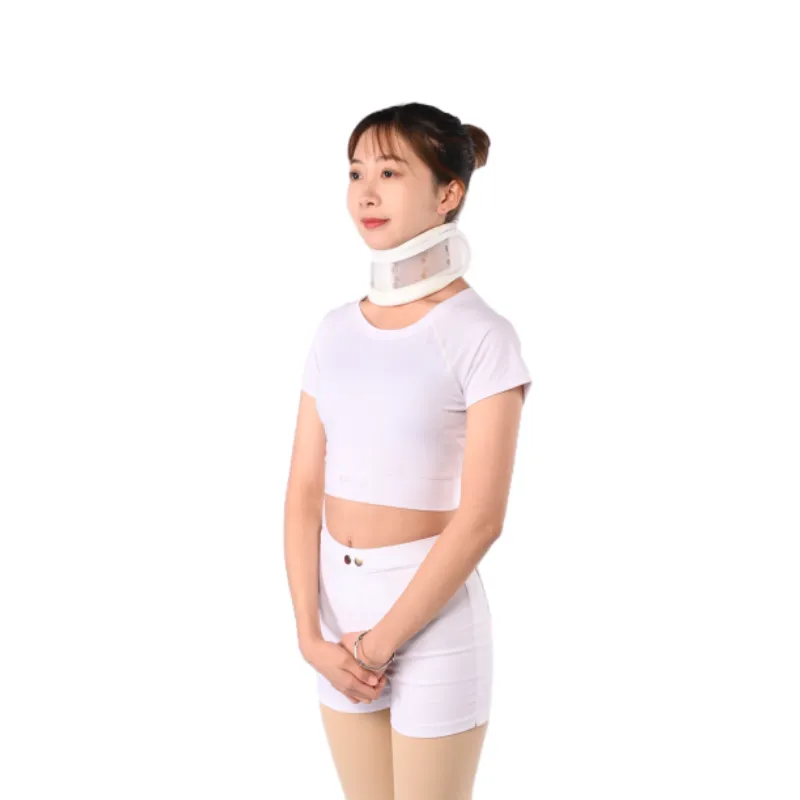
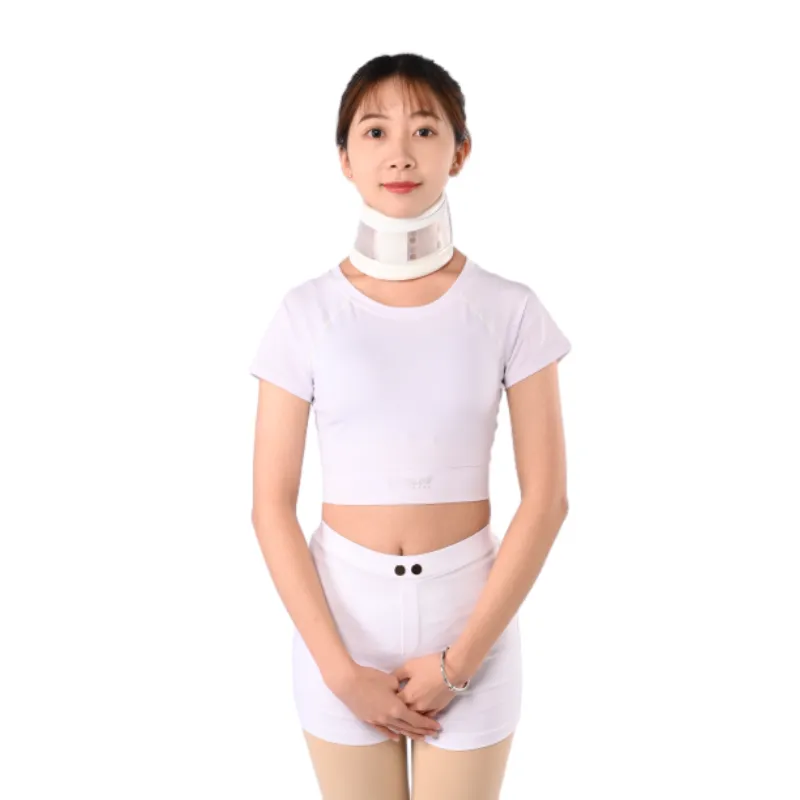
If you’ve ever tried to keep your head perfectly still after a neck scare, you know the value of a dependable collar. This one is built as a rigid, lightweight brace that gently cradles the neck while keeping motion on a tight leash. It fits snug—without that “clam-shell” dread—so people actually wear it at home, at work, or on the move. To be honest, that’s half the battle.
What’s trending in collars (and why this matters)
Clinicians are asking for higher stiffness-to-weight ratios, better skin-friendly liners, and quicker sizing. Meanwhile, buyers want proven test data and supply stability. It seems basic, but in real-world use, comfort drives compliance; compliance drives outcomes. The Hard Cervical Collar leans into ventilated shells, soft edge trims, and cleanable pads—small touches with big daily impact.
Core specifications (typical values)
| Shell material | Rigid medical-grade polymer (often ABS or PP, ≈2–3 mm) |
| Padding/liner | Closed-cell foam with fabric facing; wipe-clean |
| Support range | Flexion/extension and lateral-bend restriction; tracheal opening optional |
| Weight | ≈ 180–280 g (size-dependent) |
| Service life | 12–24 months typical; real-world use may vary |
| Sizes | XS–XL; adjustable straps and chin height options |
Process flow (how it’s built)
- Materials: rigid polymer sheets, hypoallergenic foam, hook-and-loop straps, edge trim.
- Methods: CNC trimming or injection molding; precision venting; stitched or bonded liners.
- Quality checks: incoming materials verification; dimensional fit; strap cycle tests; liner adhesion.
- Biocompatibility screening aligned to ISO 10993 series (irritation, sensitization).
- Packaging/traceability: lot-coded bags; IFU in multiple languages; optional UDI labels.
Test snapshots (indicative)
Internal lab data show shell flexural modulus in the 1.5–2.3 GPa band (ASTM D790 on material coupons). On a cervical mannequin, the Hard Cervical Collar reduced range of motion ≈60–75% in flexion/extension and ≈45–65% in lateral bending under light physiological loads. Comfort feedback—surprisingly consistent—calls out the cooler liner and less “chin bite.”
Where it’s used
- Emergency stabilization and transport
- Post-op cervical fusion or disc procedures (per physician protocol)
- Cervical spondylosis, strains, whiplash management
- Workplace first-aid kits, sports medicine sideline bags
Vendor snapshot and sourcing
Origin: No.240 Xingying West Street, Anping County, Hebei Province, China. Many customers say lead times are steady, which—these days—matters as much as price.
| Vendor | Strengths | Certs/Notes |
|---|---|---|
| JH Orthopedic (this model) | Balanced stiffness/comfort; customizable vents/pads | ISO 13485-ready; MDR/FDA documentation on request |
| GlobalMed Collar Co. | High-volume tooling; broad size matrix | CE marking available; biocompatibility reports |
| Local OEM Partner | Short runs; private-label packaging | Regional registrations; quick prototyping |
Customization options
Chin height, anterior opening size, ventilation patterns, foam thickness, color coding, IFU language sets, and hospital logo prints. I guess the most requested tweak lately is softer edge trim for long wear.
Compliance and documentation
Typically produced under ISO 13485 quality systems with biocompatibility assessed to ISO 10993. EU MDR 2017/745 Class I (non-sterile) commonly applies; U.S. markets expect QSR (21 CFR Part 820) and product listing. Technical files may include risk management (ISO 14971), usability (IEC 62366), and test summaries per ISO 22523.
Mini case notes
- Regional hospital group cut collar SKUs from six to three sizes; fit time dropped ≈30% in triage.
- Post-op clinic reported fewer skin hot spots after switching to breathable liners—patient adherence improved week two onward.
References
- ISO 13485:2016 – Medical devices — Quality management systems.
- ISO 10993-1:2018 – Biological evaluation of medical devices.
- EU MDR 2017/745 – Medical Device Regulation.
- ASTM D790 – Standard Test Methods for Flexural Properties of Plastics.
- ISO 22523:2006+A1:2015 – Prosthetics and orthotics — Requirements and test methods.
-
Comprehensive Guide to Making Arm Sling – Durable Orthopedic Solutions for B2B BuyersNews Jan.05,2026
-
What Is A Arm Sling Used For – Key Insights from JH OrthopedicNews Dec.11,2025
-
What Injuries Need An Arm Sling – Industry Overview & Best Choices for B2B BuyersNews Dec.11,2025
-
What Are Arm Slings Used For? Benefits and Vendor ComparisonNews Dec.11,2025
-
Purpose of Arm Sling | Support & Recovery EssentialsNews Dec.10,2025
-
Making A Sling For Your Arm: Durable, Comfortable Solutions for Medical ProfessionalsNews Dec.10,2025