Comprehensive Guide to Choosing the Right Wristband with Thumb Support
Wristband with Thumb Support: A Comprehensive Guide
Dealing with wrist pain or seeking preventative support? A wristband with thumb support can be a game-changer. This article explores the benefits, types, when to use one, and how to choose the right wristband for your needs. Whether you're an athlete, office worker, or simply experiencing daily discomfort, understanding your options is key to finding effective relief and maintaining optimal wrist health. We’ll delve into the features that make these supports valuable and guide you toward making an informed decision.
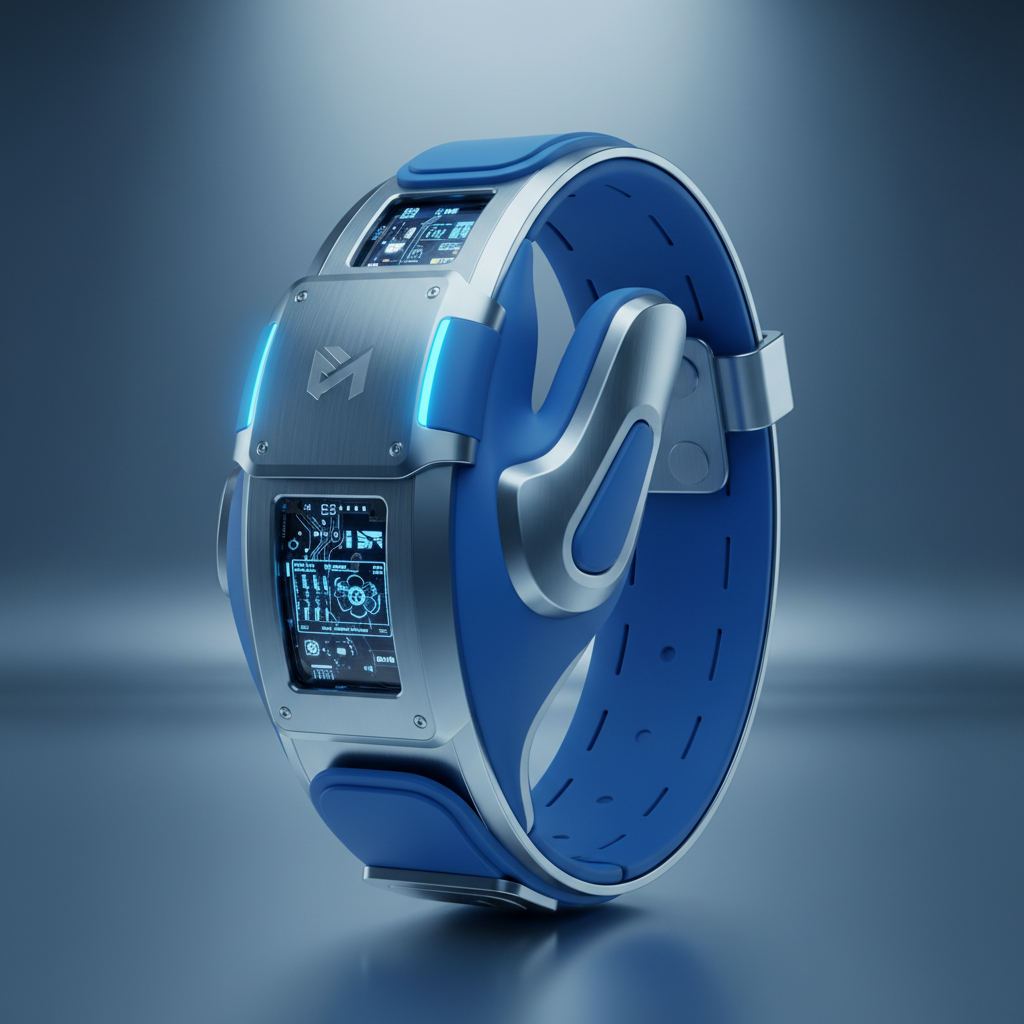
Understanding the Benefits of a Wristband with Thumb Support
A wristband with thumb support provides numerous benefits, primarily focused on stabilization, pain reduction, and prevention of further injury. These supports help to limit wrist movement, reducing strain on tendons and ligaments. The inclusion of thumb support adds an extra layer of stability, particularly crucial for conditions affecting the thumb joint like De Quervain's tenosynovitis. They're effective for conditions such as carpal tunnel syndrome, sprains, strains, arthritis, and general overuse injuries. Properly fitted, a wristband can enhance comfort, allowing you to continue daily activities with reduced discomfort. The supports also encourage proper wrist alignment, promoting faster healing and preventing chronic issues. JH Orthopedic offers a variety of options designed to address different needs and levels of support.
Key Highlights: Provides stabilization, pain reduction, and prevention of further injury, especially beneficial for the thumb joint and conditions like carpal tunnel syndrome.
Types of Wristbands with Thumb Support
Wristbands with thumb support aren't one-size-fits-all. Several types cater to varying levels of support and specific conditions. Adjustable Wristbands are popular for their customizable fit and moderate support. Splinted Wristbands, often featuring a metal or plastic stay, offer more rigid stabilization, ideal for acute injuries. Compression Wristbands provide gentle support and can help reduce swelling. Finally, Wraparound Wristbands are easy to apply and remove, making them convenient for daily wear. The choice depends on the severity of your condition and the level of support you require. Consider the activity you'll be doing while wearing the support to ensure it provides adequate protection without restricting movement too much.
Wristband Types at a Glance:
• Adjustable Wristbands: Customizable fit, moderate support
• Splinted Wristbands: Rigid stabilization for acute injuries
• Compression Wristbands: Gentle support, reduces swelling
• Wraparound Wristbands: Convenient, easy to use
When to Use a Wristband with Thumb Support
Knowing when to wear a wristband is just as important as choosing the right type. Use a wristband if you're experiencing pain from conditions like carpal tunnel syndrome, arthritis, or tendonitis. It's also beneficial during activities that put stress on your wrists, such as typing, lifting, or playing sports. Post-injury, a wristband can provide support during the healing process. If you're returning to activity after an injury, a wristband can offer added stability. Even as a preventative measure, wearing a wristband during high-risk activities can help reduce the chance of injury. Listen to your body; if you feel discomfort, it’s a good sign to consider using a wristband.
Comparing Popular Wristband Features and Materials
Wristbands vary in features and materials, influencing their comfort, durability, and level of support. Here’s a comparison of common elements:
Choosing the Right Size and Fit
A properly fitted wristband is crucial for effectiveness. Measure your wrist circumference with a flexible measuring tape. Refer to the manufacturer's sizing chart, as sizes can vary. The wristband should fit snugly but not restrict circulation. You should be able to comfortably bend your fingers while wearing it. If you're between sizes, it's generally best to choose the larger size for comfort. JH Orthopedic provides detailed sizing guides to help you find the perfect fit. Remember, an ill-fitting wristband can be ineffective or even cause further discomfort.
Conclusion: Support Your Wrists for a Pain-Free Life
Investing in a quality wristband with thumb support can significantly improve your quality of life. By understanding your needs, choosing the right type, and ensuring a proper fit, you can find relief from pain, prevent injury, and maintain optimal wrist health. Don't let wrist discomfort hold you back – prioritize your well-being with the right support.
Frequently Asked Questions (FAQs)
How often should I clean my wristband?
Regular cleaning is essential to prevent the buildup of sweat and bacteria. Depending on usage, clean your wristband at least once a week, or more frequently if you sweat heavily or use it in dirty environments. Most wristbands can be hand-washed with mild soap and water. Rinse thoroughly and allow to air dry completely before wearing again. Check the manufacturer's instructions for specific cleaning recommendations, especially for wristbands with electronic components.
Can I wear a wristband while sleeping?
Generally, it's not recommended to wear a wristband while sleeping, especially a restrictive one. Prolonged compression can potentially interfere with circulation. However, some lightweight compression wristbands may be worn for therapeutic purposes under the guidance of a healthcare professional. If you’re experiencing nighttime wrist pain, consult your doctor before wearing any support while you sleep.
What is the difference between a wrist brace and a wristband?
While both offer wrist support, a wrist brace typically provides a higher level of immobilization than a wristband. Braces often incorporate rigid stays and are used for more severe injuries or post-surgery recovery. Wristbands generally offer more flexible support for milder conditions or preventative use. The choice depends on the severity of your symptoms and the level of support you require.
Will a wristband with thumb support limit my range of motion?
The degree to which a wristband limits your range of motion depends on the type of support. More rigid splinted wristbands will restrict movement more than flexible compression wristbands. The goal is to provide enough support to reduce pain and prevent further injury without completely immobilizing the wrist. Choose a wristband that allows for a comfortable range of motion needed for your daily activities.
-
Thumb Spica Belt Guide for Thumb Stabilization and RecoveryNews Apr.16,2026
-
Soft Thumb Spica Guide for Effective Thumb Stabilization and HealingNews Apr.09,2026
-
Comprehensive Guide to Hand Spica Casts for Effective Injury RecoveryNews Apr.07,2026
-
Benefits of a Custom Thumb Spica for Optimal Hand RecoveryNews Apr.04,2026
-
Experience Ultimate Comfort Cool Thumb Spica for Wrist and Thumb SupportNews Mar.31,2026
-
Comprehensive Guide to Choosing the Right Youth Thumb Splint for Effective HealingNews Mar.28,2026