Look, I’ve spent the last twenty years getting dust in my boots, watching things get built. From hospitals to highways, I’ve seen what works, what doesn’t, and what absolutely needs to work when someone’s neck is on the line. That's where a good cervical collar brace comes in. It's not just a piece of plastic; it's peace of mind for the patient, and it’s a critical piece of the recovery puzzle. We’re talking about stability, immobilization, and getting folks back on their feet, quite literally.
The thing is, a lot of these braces are designed by people who’ve never actually seen a real-world injury. They look good on paper, maybe, but fall apart under pressure, are a pain to adjust, or just plain don’t fit the range of body types you see on a job site – or coming in from a car wreck. I've seen cheap materials crack under stress, straps dig into skin, and designs that just make movement harder, not easier. That’s unacceptable when someone’s healing process is at stake.
So, we focused on building a cervical collar brace that’s not just about meeting standards, but exceeding them. It’s about thinking through every scenario, every adjustment, every potential point of failure. It’s about practical, real-world performance.
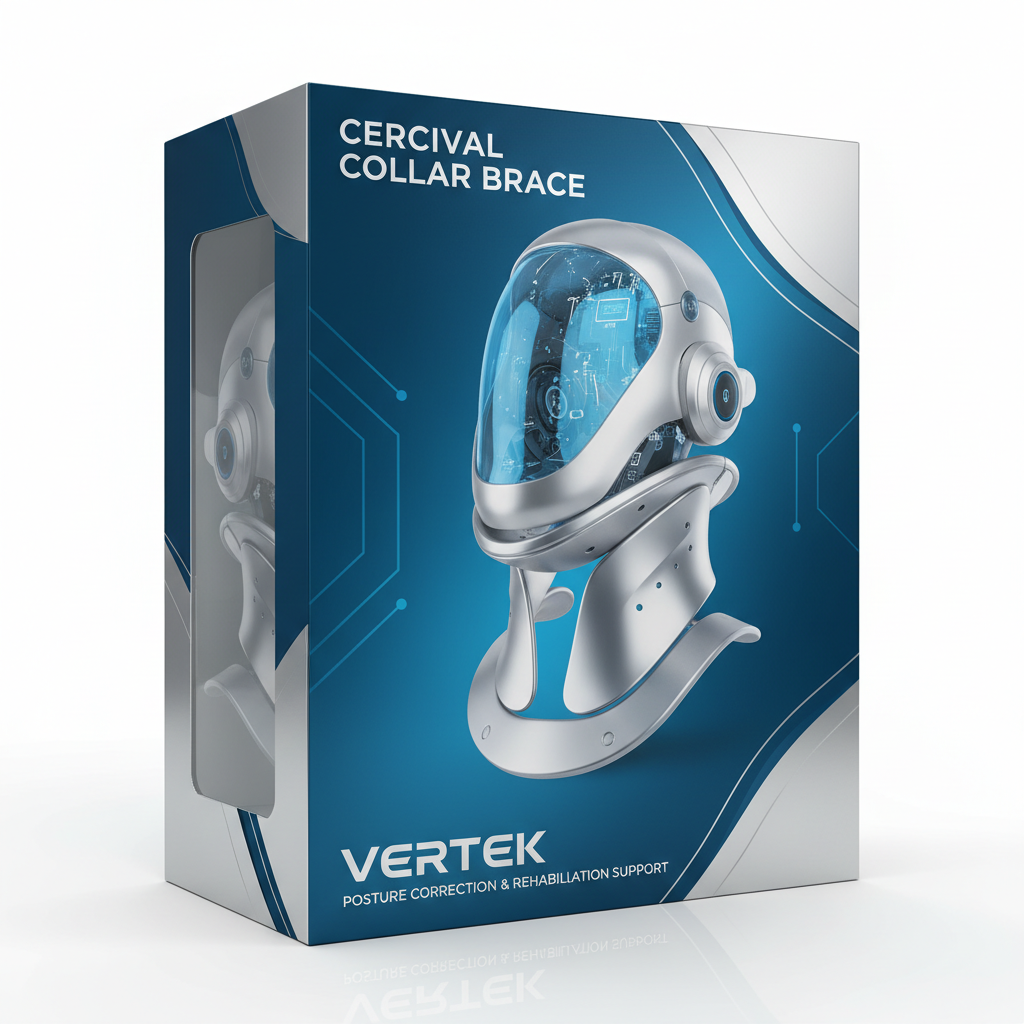
The Importance of a Well-Designed cervical collar brace
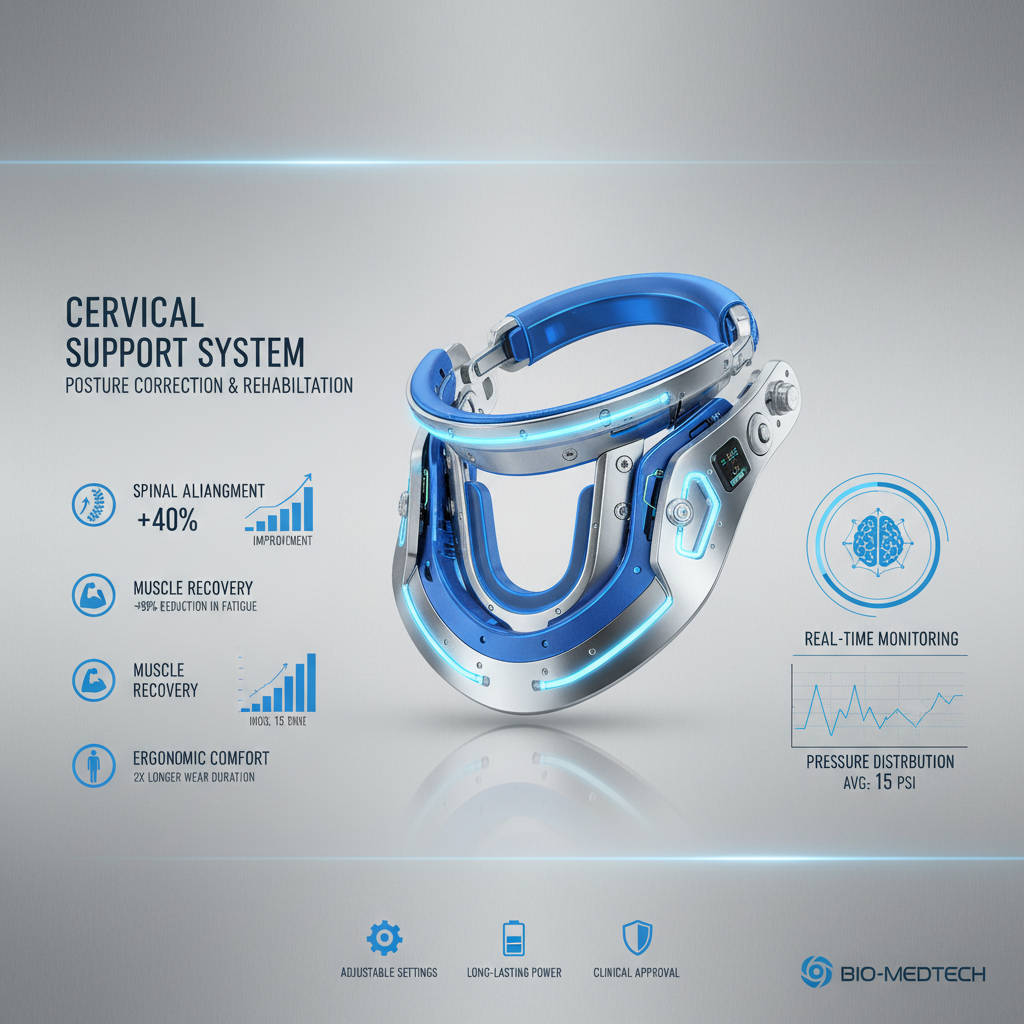
A cervical collar brace isn’t a luxury; it’s a fundamental part of stabilizing the spine after injury. I've seen too many cases where a poorly fitted or flimsy brace delayed healing, caused further discomfort, or even led to complications. It's about providing the right support at the right time, allowing the natural healing process to do its work.
You see it everywhere – motor vehicle accidents, workplace injuries, sports-related trauma. The need for effective immobilization is constant. The global prevalence of spinal injuries is significant, and the demand for reliable braces will only continue to grow. We're talking about a product that directly impacts quality of life, recovery time, and overall healthcare costs.
FAQS
Our cervical collar brace is engineered to provide robust support and limit movement across all planes of motion. It’s constructed from high-impact polymers designed to absorb and dissipate force, reducing the risk of further injury. We’ve conducted rigorous testing to ensure it meets and exceeds industry standards for impact protection, and the design prioritizes both stability and comfort during the critical healing phase. It's about providing a solid foundation for recovery.
Proper fit is paramount. Begin by measuring the patient's neck circumference and height according to our sizing guide. The brace should fit snugly, but not restrict breathing or circulation. Ensure the chin support is properly positioned and that the brace doesn't interfere with swallowing. We provide detailed instructions and training materials to guide clinicians through the fitting process. It’s crucial to double-check the adjustment and ensure the patient feels comfortable and secure.
While our cervical collar brace is versatile and effective for many cervical spine injuries, it’s essential to consult with a medical professional to determine the appropriate treatment plan. It's generally suitable for stable fractures, sprains, strains, and post-operative immobilization. However, it may not be appropriate for unstable fractures or certain complex injuries. A physician's assessment is always required to ensure the brace is the right choice.
We designed the brace with hygiene in mind. The padding is removable and washable, allowing for easy cleaning. The hard shell can be wiped down with a mild disinfectant. We recommend regular cleaning to prevent the buildup of bacteria and maintain optimal comfort. Detailed cleaning instructions are included in the product manual. Proper maintenance prolongs the life of the brace and ensures patient safety.
We use a combination of high-density polyethylene (HDPE) for the shell, providing excellent impact resistance, and medical-grade polyurethane foam for the padding, ensuring comfort and breathability. The straps are made from durable nylon with secure buckles. All materials are latex-free and hypoallergenic, minimizing the risk of allergic reactions. We carefully select materials for both performance and patient safety.
With proper care and maintenance, our cervical collar brace is designed to withstand regular use for the duration of a typical treatment period, generally 6-12 weeks. However, the lifespan can vary depending on the severity of the injury, the patient’s activity level, and the frequency of cleaning. We recommend inspecting the brace regularly for signs of wear and tear and replacing it if any damage is detected.
Conclusion
Ultimately, a cervical collar brace is more than just a medical device; it’s a crucial element in a patient’s recovery journey. We’ve focused on building a brace that delivers on its promises – providing reliable support, maximizing comfort, and promoting faster healing. It's about combining engineering expertise with a deep understanding of real-world needs.
Looking ahead, we're committed to continuous innovation, exploring new materials and technologies to further enhance the performance and usability of our braces. We believe that by focusing on quality, durability, and patient-centric design, we can continue to make a meaningful difference in the lives of those recovering from cervical spine injuries.
Visit our website at www.jhorthopedic.com to learn more.
Related Posts
-
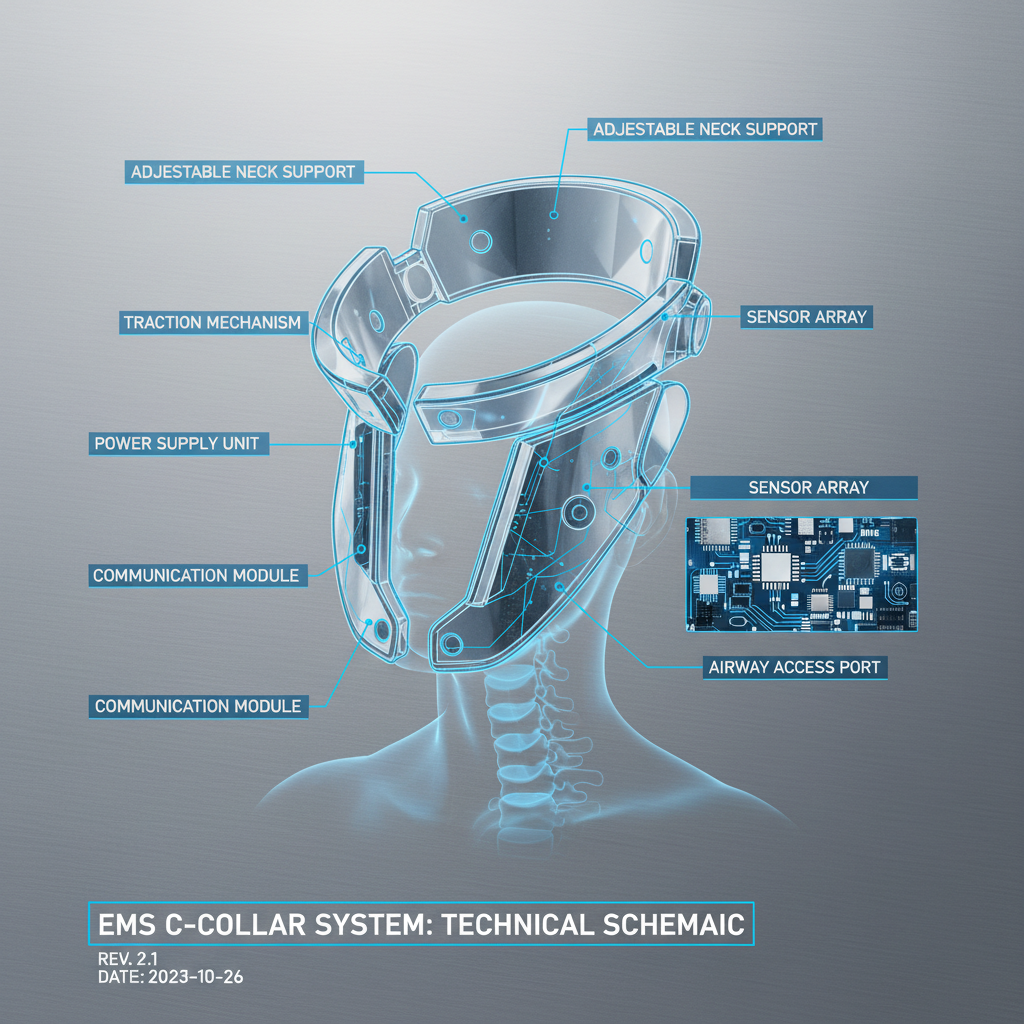
Advancements in C Collar EMS Protocols for Enhanced Emergency Care
-

Exploring the Diverse Types of Arm Sling for Effective Injury Management
-
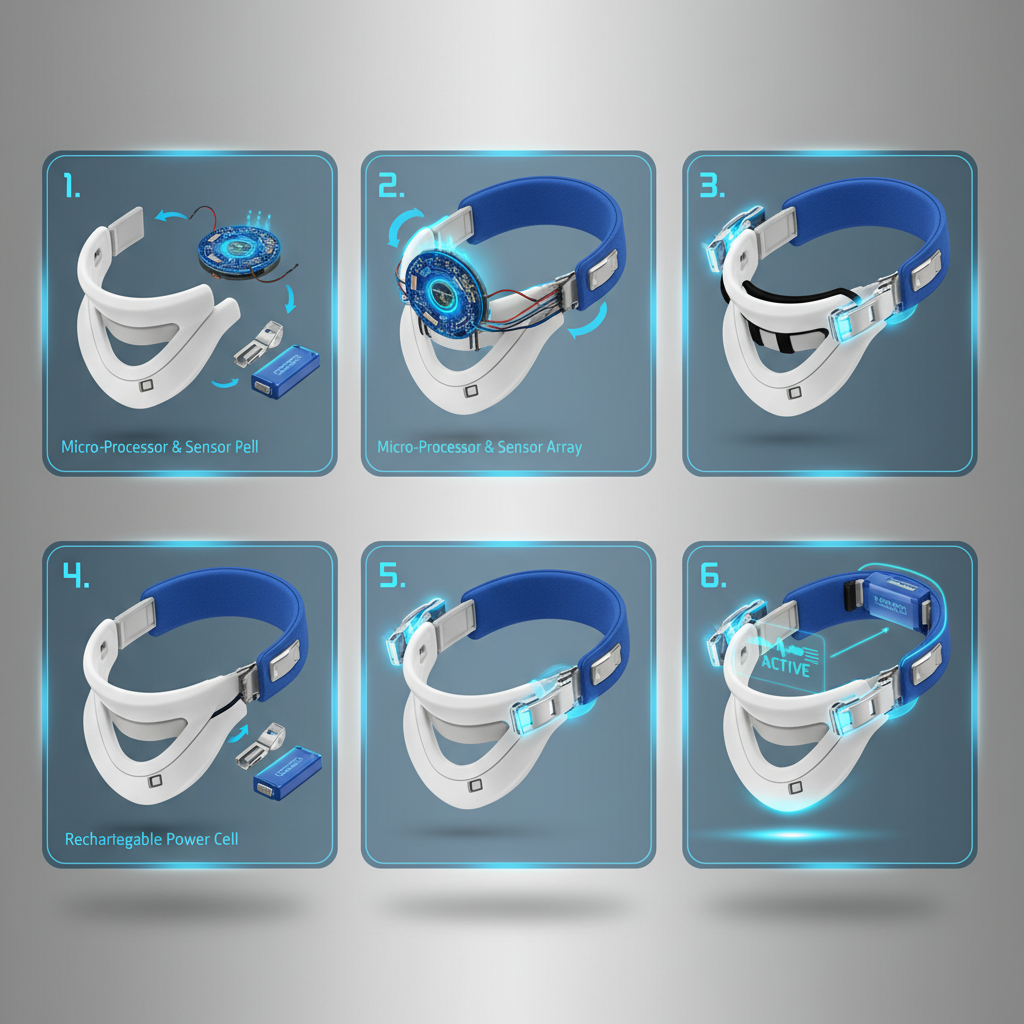
The Vital Role of Semi Rigid Neck Collar in Orthopedic Care and Injury Management
-
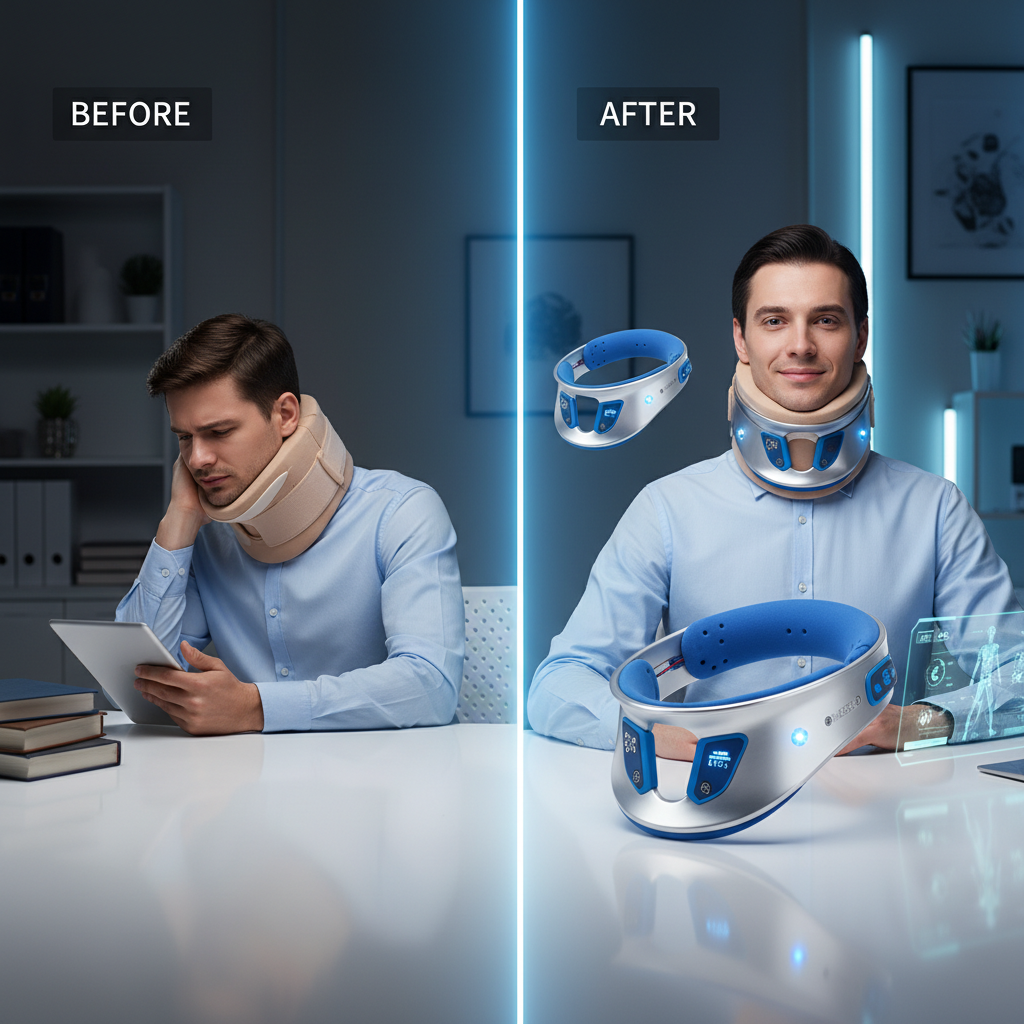
Advancements in 2 Cervical Collar Technology for Neck Stabilization and Trauma Care