Comprehensive Guide to Choosing the Right Youth Thumb Splint for Effective Healing
Choosing the Right Youth Thumb Splint: A Comprehensive Guide
Protecting your child's developing hands is crucial, and a properly fitted youth thumb splint can make all the difference. Whether recovering from a sports injury, managing arthritis, or simply needing support, selecting the right splint is paramount for effective healing and comfort. This article will provide a detailed overview of youth thumb splints, covering their benefits, types, fitting tips, and how to choose the best option for your child’s needs. We’ll explore the key features to look for and common scenarios where a thumb splint can provide significant relief.
Understanding the Benefits of a Youth Thumb Splint
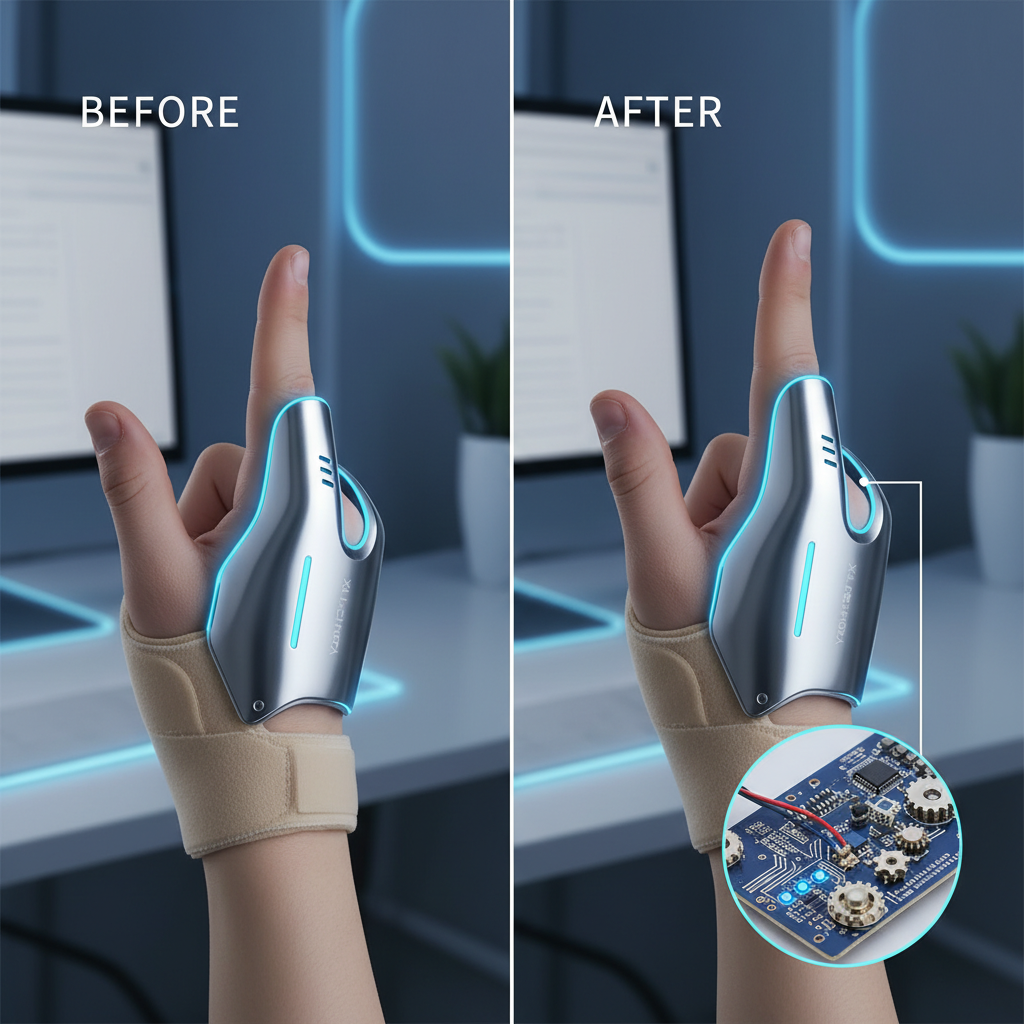
A youth thumb splint provides essential support and immobilization to the thumb joint. This is particularly helpful in cases of sprains, strains, and other injuries. By limiting movement, the splint allows the tissues to heal properly and prevents further damage. It can also reduce pain and inflammation, enabling your child to return to their activities more quickly. Furthermore, a thumb splint can be used proactively to support weak or unstable thumbs, preventing injury during sports or other physical activities. A well-designed thumb splint for kids promotes healing and restores function.
Key Benefits: Provides support and immobilization, reduces pain and inflammation, promotes proper healing, prevents further injury, and aids in restoring function.
Types of Youth Thumb Splints Available
Several types of youth thumb splints are available, each designed for specific conditions and levels of support. Common types include:
- Rigid Splints: Offer maximum immobilization and are ideal for severe injuries.
- Adjustable Splints: Allow for customization of the level of support and are suitable for a range of conditions.
- Thumb Spica Splints: Extend up the forearm, providing additional stability.
- Soft Splints: Offer comfortable, low-profile support for minor injuries or preventative use.
The best type of splint depends on the severity of the injury and your child's activity level. It’s important to consult with a healthcare professional to determine the most appropriate option.
Splint Type Guide:
• Rigid Splints: Maximum immobilization, severe injuries.
• Adjustable Splints: Customizable support, various conditions.
• Thumb Spica Splints: Forearm support, increased stability.
• Soft Splints: Comfortable, minor injuries, prevention.
Youth Thumb Splint Comparison: Features and Benefits
Choosing the right youth thumb splint requires careful consideration of its features and benefits. Different materials, adjustability options, and design elements contribute to the overall effectiveness and comfort of the splint. Here's a comparison of common features:
Proper Fitting and Usage of a Youth Thumb Splint
A properly fitted splint is crucial for its effectiveness. Ensure the splint is snug but not overly tight, allowing for comfortable movement of the fingers. Follow these steps for proper fitting:
- Measure your child’s thumb circumference.
- Adjust the straps to provide firm support without restricting circulation.
- Ensure the thumb is positioned correctly within the splint.
- Monitor for any signs of skin irritation or discomfort.
Regularly check the splint for wear and tear and replace it if necessary. Always follow the instructions provided by your healthcare professional or the splint manufacturer.
Conclusion: Prioritizing Your Child’s Hand Health
Invest in a Quality Youth Thumb Splint for Optimal Recovery
Choosing the right youth thumb splint is a vital step in ensuring your child's swift and comfortable recovery. By understanding the different types available, considering the features that best suit their needs, and ensuring a proper fit, you can provide the support and protection they need to heal effectively. Don’t hesitate to consult with a healthcare professional for personalized guidance. Prioritizing your child’s hand health is an investment in their overall well-being.
Frequently Asked Questions (FAQs)
How often should my child wear the thumb splint?
The duration of splint wear depends on the severity of the injury and your healthcare provider's recommendations. Generally, it’s advised to wear the splint consistently during activities that aggravate the thumb, and potentially during sleep. However, it's important to remove the splint periodically to allow for circulation and skin hygiene. Always follow your doctor’s specific instructions regarding wear time and potential adjustments.
Can my child continue to participate in sports while wearing a thumb splint?
This depends on the severity of the injury and the type of sport. A soft splint may allow for participation in low-impact activities, but a rigid splint typically requires avoiding sports altogether. It’s crucial to consult with a healthcare professional before allowing your child to return to sports, as premature activity could worsen the injury and delay healing. Safety is the top priority.
How do I clean a youth thumb splint?
Cleaning instructions vary depending on the splint material. Generally, you can clean the splint with mild soap and water. Avoid harsh chemicals or abrasive cleaners. Ensure the splint is thoroughly dry before re-use to prevent skin irritation. Refer to the manufacturer's instructions for specific cleaning recommendations. Regular cleaning helps maintain hygiene and prolongs the lifespan of the splint.
What are the warning signs that the splint isn't fitting correctly?
Warning signs include numbness or tingling in the fingers, increased pain, skin irritation or redness, and difficulty moving the fingers. If you notice any of these symptoms, immediately remove the splint and consult with a healthcare professional. A poorly fitting splint can hinder healing and potentially cause further injury. Adjust the straps or consider a different size or type of splint if necessary.
-
Thumb Spica Belt Guide for Thumb Stabilization and RecoveryNews Apr.16,2026
-
Soft Thumb Spica Guide for Effective Thumb Stabilization and HealingNews Apr.09,2026
-
Comprehensive Guide to Hand Spica Casts for Effective Injury RecoveryNews Apr.07,2026
-
Benefits of a Custom Thumb Spica for Optimal Hand RecoveryNews Apr.04,2026
-
Experience Ultimate Comfort Cool Thumb Spica for Wrist and Thumb SupportNews Mar.31,2026