Comprehensive Guide to Hand Spica Casts for Effective Injury Recovery
Understanding the Hand Spica: A Comprehensive Guide
A hand spica is a type of cast used to immobilize injuries to the hand, wrist, and forearm. It's often prescribed following fractures, dislocations, or severe sprains. Understanding the purpose, application, and care of a hand spica is crucial for effective healing. This article provides a detailed overview of hand spicas, covering their types, benefits, potential complications, and post-cast care. We’ll explore how J Hor orthopedic specializes in providing comfortable and effective spica solutions.

What is a Hand Spica and Why is it Used?
A hand spica isn't a single, fixed design. It’s a cast that extends from past the fingertips and around the hand, up the forearm, and often includes the elbow. The purpose is to completely immobilize the injured area, preventing movement that could hinder healing or exacerbate the injury. Common reasons for needing a hand spica include: scaphoid fractures, wrist fractures, distal radius fractures, and significant ligament injuries. The immobilization allows the bones and tissues to heal in the correct alignment. Proper application and adherence to medical instructions are paramount for optimal outcomes.
Key Benefit: Immobilization promotes healing by preventing further damage and ensuring proper alignment during the recovery process.
Types of Hand Spicas
There are different types of hand spicas, tailored to the specific injury and its location. The primary distinctions relate to how far up the arm the cast extends. Here’s a breakdown:
- Short Arm Spica: Extends from the hand to just below the elbow.
- Long Arm Spica: Extends from the hand to above the elbow, sometimes reaching the shoulder.
- Thumb Spica: Specifically immobilizes the thumb and wrist.
The choice of spica type will be determined by your orthopedic surgeon based on the nature of your injury and the level of support required. J Hor orthopedic offers all these varieties, custom-fitted for optimal comfort and support.
Spica Type Summary:
• Short Arm Spica: For injuries primarily affecting the wrist and forearm.
• Long Arm Spica: For more severe injuries requiring greater immobilization.
• Thumb Spica: Specifically designed for thumb and wrist injuries.
Hand Spica Materials: A Comparison
Hand spicas are typically made from fiberglass or plaster. Each material has its own advantages and disadvantages. Fiberglass casts are generally lighter, stronger, and more durable than plaster casts. They are also water-resistant, offering some protection against getting wet. Plaster casts, while heavier, are often less expensive and can conform more closely to the contours of the limb. The decision regarding material often depends on the individual’s needs and the surgeon’s preference.
Potential Complications and When to Seek Medical Attention
While generally safe, wearing a hand spica can sometimes lead to complications. These include skin irritation, pressure sores, nerve compression (causing numbness or tingling), and circulation problems (indicated by coldness, blueness, or excessive swelling). It’s crucial to monitor your hand and arm regularly. If you experience any of these symptoms, contact your doctor immediately. Keeping the cast clean and dry is also essential to prevent skin infections. J Hor orthopedic provides detailed post-cast care instructions to minimize these risks.
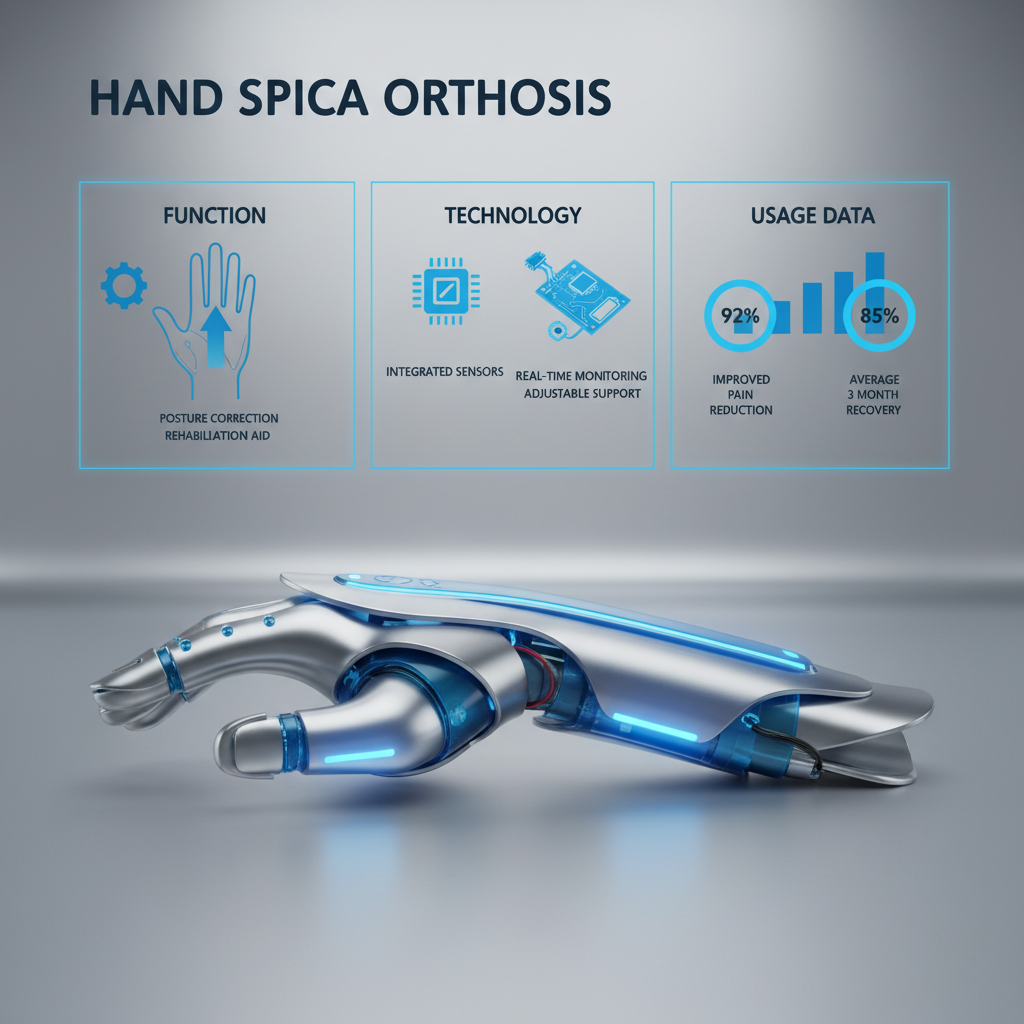
Post-Cast Care: Returning to Function
Once the cast is removed, rehabilitation is vital. The muscles and joints will have weakened during immobilization. A physical therapy program, prescribed by your doctor, will help restore strength, range of motion, and function. This typically involves exercises to improve flexibility, strength, and coordination. Follow your physical therapist’s instructions carefully. It’s important to gradually increase activity levels and avoid pushing yourself too hard, too soon. J Hor orthopedic can provide referrals to qualified physical therapists and guidance throughout your recovery journey.
Conclusion: A Successful Recovery with the Right Support
Understanding the intricacies of a hand spica – from its different types and materials to proper care and rehabilitation – is key to a successful recovery. At J Hor orthopedic, we are dedicated to providing our patients with the highest quality spica casts, personalized care, and expert guidance throughout their healing process. Don't hesitate to reach out to us with any questions or concerns.
Frequently Asked Questions (FAQs)
How long will I need to wear a hand spica?
The duration of spica cast wear varies depending on the severity and type of injury. Generally, it ranges from 4 to 8 weeks, but can be longer in some cases. Your orthopedic surgeon will determine the appropriate length of time based on regular X-rays and clinical evaluation. It's crucial to complete the full course of treatment, even if you start feeling better, to ensure proper healing and prevent complications. Premature removal of the cast can lead to re-injury or delayed healing.
Can I get my hand spica wet?
Whether you can get your spica cast wet depends on the material. Fiberglass casts have some water resistance but aren't waterproof. Plaster casts are highly susceptible to water damage. It's generally best to avoid getting the cast wet. If it does get wet, it’s essential to contact your doctor immediately, as a wet cast can lead to skin irritation, breakdown, and potential infection. Protective cast covers are available to help keep the cast dry during showering or washing.
What should I do if my hand becomes numb or tingly while wearing a spica?
Numbness or tingling in the fingers can indicate nerve compression. First, try gently wiggling your fingers to see if it alleviates the sensation. If the numbness or tingling persists or worsens, contact your doctor immediately. It’s important to address nerve compression promptly to prevent long-term damage. Your doctor may adjust the cast to relieve the pressure.
What type of activities can I do while wearing a hand spica?
While your hand is immobilized in a spica, your activity level will be limited. Avoid activities that could put stress on the injured area or risk damaging the cast. Light, everyday activities that don’t require hand use are generally permissible, but always consult with your doctor before resuming any activities. It’s crucial to protect the cast from impact and avoid getting it wet.
-
Thumb Spica Belt Guide for Thumb Stabilization and RecoveryNews Apr.16,2026
-
Soft Thumb Spica Guide for Effective Thumb Stabilization and HealingNews Apr.09,2026
-
Benefits of a Custom Thumb Spica for Optimal Hand RecoveryNews Apr.04,2026
-
Experience Ultimate Comfort Cool Thumb Spica for Wrist and Thumb SupportNews Mar.31,2026
-
Comprehensive Guide to Choosing the Right Youth Thumb Splint for Effective HealingNews Mar.28,2026